
Build a Tokyo shortlist that suits you. Compare Asakusa, Meiji Jingu, Ueno, Shibuya, Shinjuku Gyoen, Omotesando, Tsukiji and teamLab Borderless.
The best things to do in Tokyo depend on what you want to spend time doing: looking closely at Japanese art, exploring a temple district, eating your way through a market or watching the city spread out below you. Those are different experiences, even when a highlights list puts them side by side.
For a first visit, start with one cultural stop and one urban experience, then add food or a garden. Asakusa and Shibuya make a strong introduction; replace Asakusa with Ueno if museum collections excite you more than temple architecture. The comparisons below explain what each choice gives you and how to keep your shortlist geographically sensible.
Official sources checked on 3 October 2026. Admission details can change; use the linked operator pages for your visit date.
Once you have chosen your highlights, our Tokyo itinerary helps group them into practical days. For visits without admission charges, compare the separate free Tokyo guide.
Fast facts: which Tokyo highlight fits you?
| Your priority | Choose | What you actually get | Planning area |
|---|---|---|---|
| Temple architecture and shopping streets | Senso-ji, Asakusa | Monumental gates, a temple precinct and Nakamise's shop-lined approach | Northeast |
| A shrine surrounded by greenery | Meiji Jingu | A forest setting and Shinto sanctuary | West, near Harajuku |
| Japanese art and material culture | Tokyo National Museum | Historical objects and galleries organised by period or medium | Ueno |
| Tokyo's urban scale | Shibuya and Shibuya Sky | A street-level crossing plus an optional high-level panorama | West |
| A deliberate garden visit | Shinjuku Gyoen | Contrasting formal, landscape and Japanese garden designs | Shinjuku |
| Architecture and fashion | Omotesando and Aoyama | Designed storefronts, a tree-lined boulevard and boutiques | West |
| Food browsing and a meal | Tsukiji Outer Market | Food shops, ingredients, kitchenware and restaurants | Central |
| Immersive digital art | teamLab Borderless | Artworks moving between spaces, explored without a map | Azabudai Hills |
These are choices for building a trip, not eight stops to squeeze into one day.
Asakusa: choose Senso-ji for a temple and its approach
Senso-ji gives you a sequence of things to look at: Kaminarimon Gate, Nakamise shopping street, Hozomon Gate and the main hall, with the five-storey pagoda adding another landmark to the precinct. The approach matters as much as the destination. If you enjoy entering a place through a succession of gates and streets, Asakusa is a rewarding first cultural stop.
There is also a useful distinction between the temple's history and its buildings. Senso-ji's own account identifies it as Tokyo's oldest temple, but explains that its main hall was rebuilt in 1958 after wartime destruction. Visit for a continuing Buddhist place of worship and its architectural setting, rather than expecting every structure to survive from the temple's beginnings.
Choose Asakusa over a museum when you want to move between architecture, shops and an active religious site. Choose a museum when you want extended explanations and close examination of objects. Give the temple itself attention beyond the entrance photograph.
Meiji Jingu: choose the forest shrine for a different setting
Meiji Jingu is a Shinto shrine in a forest of about 70 hectares, established in 1920 to honour Emperor Meiji and Empress Shoken. Its appeal comes from the relationship between the wooded grounds and the sanctuary. The shrine's official introduction explains that setting and history.
This is the better choice if your ideal cultural stop includes time among trees. Asakusa's shop-lined temple approach and Meiji Jingu's forest setting offer substantially different visits, so including both can make sense.
Keep the distinction between shrine and garden in mind. Meiji Jingu supplies a sacred setting within woodland; Shinjuku Gyoen is the stronger choice for comparing deliberately composed garden landscapes. For architecture or fashion afterwards, think about the Harajuku–Omotesando side of western Tokyo rather than inserting a distant museum between nearby interests.
Ueno: choose Tokyo National Museum for objects and context
Tokyo National Museum is the pick for visitors who want to understand Japanese art through things people made. In the Honkan, the Japanese Gallery, a chronological presentation introduces the development of Japanese art, while other rooms focus on media such as ceramics, sculpture and swords. The Tokyo tourism board's museum guide explains the distinction between these galleries and the wider museum complex in Ueno Park.
A useful approach is to decide whether you want breadth or depth before you arrive. For breadth, follow the historical overview and see how forms and materials change. For depth, choose a medium that interests you and spend longer comparing individual pieces.
This is also where you should separate historical art from immersive art. The museum rewards close observation of objects and their context. Borderless, below, makes the surrounding space part of the work. Choose between learning from a collection and exploring an environment. Avoid building a museum visit around one photographed object without checking the current display.
Shibuya: decide between the crossing and the panorama
Shibuya works on two different scales. At street level, the scramble crossing is the urban scene you have probably seen in photographs. Above it, Shibuya Sky turns the surrounding city into a panorama. Treat those as separate reasons to visit: seeing the crossing does not automatically mean you need an observation-deck ticket.
The Shibuya Scramble Square operator describes Shibuya Sky as an observation experience 229 metres above the area, with an outdoor rooftop zone and an indoor observation corridor. Choose it if looking over the city is itself a priority, particularly if you enjoy understanding the relationship between buildings and neighbourhoods.
If what interests you is street life, put your attention there instead. A rooftop view is not a substitute for walking through the district, just as a crossing photograph is not the same experience as the panorama.
For any planned rooftop visit, check current operating notices and the forecast before choosing a ticket. An outdoor viewing area and an indoor corridor are different experiences, so make sure your expectations match the conditions on the day.
Shinjuku Gyoen: choose a garden with several distinct designs
Shinjuku Gyoen is more than a patch of greenery between buildings. Its official description distinguishes a symmetrical Formal Garden, an open Landscape Garden, a Japanese Traditional Garden and the Tamamo Pond area. That variety makes it a particularly useful choice if you want to see how different garden designs direct your attention. The Ministry of the Environment's introduction sets out those four areas.
Go for the contrast: formal arrangements, open lawn and a strolling landscape ask you to look at space differently. You can make the garden your main activity without attaching another landmark to justify it. If you have already chosen Meiji Jingu, decide whether you want this second, more deliberately landscaped outdoor experience or would prefer an indoor cultural stop.
This is a ticketed garden with a calendar, not an always-open public square. On 3 October 2026, the official admission page listed standard adult admission at ¥500. It also listed regular Monday closures, with holiday and seasonal exceptions, and a year-end closure. Check the calendar before making it the centre of a Shinjuku outing, especially if your available day is a Monday.
Omotesando and Aoyama: choose architecture you can browse
Omotesando and Aoyama suit visitors who enjoy looking at buildings as much as entering shops. The tree-lined boulevard, flagship stores and smaller boutiques give you a different shopping experience from going somewhere primarily for a single crossing or viewpoint.
There are concrete architectural reasons to choose this area. The official Tokyo area guide identifies Omotesando Hills with Tadao Ando, Dior Omotesando with SANAA and Prada Aoyama with Herzog & de Meuron. Those names turn an otherwise vague shopping stroll into something you can look at closely: compare the buildings' shapes, surfaces and relationships to the street.
Window-shopping is enough; a luxury purchase is not required. If you enjoy design but rarely enjoy retail browsing, make a short list of buildings beforehand. If fashion is the point, leave more room for boutiques and shop displays. In either case, this area fits naturally with the western Tokyo choices around Harajuku and Shibuya, without requiring a cross-city detour for another headline sight.
Tsukiji Outer Market: choose food shopping as well as eating
Tsukiji Outer Market is a good choice when you want a meal and an introduction to the ingredients and equipment behind it. Its official shop directory includes sushi and sashimi rice bowls, but also tamagoyaki, pickles, seaweed, dried bonito, tea, knives and tableware. Seafood is part of the experience rather than the whole definition of the market.
Give yourself a simple purpose: choose a meal, then browse one category you are curious about. Someone interested in cooking may get more from comparing ingredients and kitchenware than from joining a succession of food queues. Someone mainly interested in eating can make the restaurant the anchor and treat browsing as the extra.
Do not arrive expecting the wholesale fish auction. The market's own history explains that the central wholesale market moved away, while the surrounding shops remained as the Outer Market. Use individual shop information when planning a visit; a district containing separate businesses should not be treated as one attraction with one universal schedule.
teamLab Borderless: choose immersion over a conventional gallery
At Azabudai Hills, teamLab Borderless offers a different way to encounter art. Its works move across spaces, and the museum deliberately provides no map. The official visitor information also explains that artwork concepts can be read through its app because captions do not accompany the moving works.
That makes it a strong candidate if discovering spaces is the attraction for you. It is a weaker fit if your satisfaction depends on following a numbered route and knowing you have completed every room.
The booking detail matters here. On 3 October 2026, the operator listed a standard Entrance Pass with a specified admission time and dynamic adult pricing. Check the amount for your intended date; a single advertised figure is not a reliable budget for every visit. Put this booking into your plans before adding flexible sightseeing around it, and use the Azabudai Hills location when mapping your day.
Turn the shortlist into a trip you will enjoy
First, remove overlapping experiences that do not add much for you. If your aim is one memorable view, prioritise that instead of accumulating observation decks. If you want an outdoor cultural visit, compare Asakusa and Meiji Jingu before automatically keeping both. If art matters most, give the museum or Borderless enough room to become the main event.
Next, group the places that remain. Asakusa and Ueno belong on the northeastern side of your planning map. Meiji Jingu, Omotesando and Shibuya form a useful western grouping; Shinjuku Gyoen is a separate garden choice in that broader part of the city. Treat Tsukiji and Azabudai Hills as their own anchors rather than casual additions to an already full museum outing.
Finally, make the important booking or check the garden calendar before filling the gaps. Leave one optional stop genuinely optional. Tokyo becomes easier to enjoy when your next choice can respond to what held your attention, rather than to a list you feel obliged to finish.
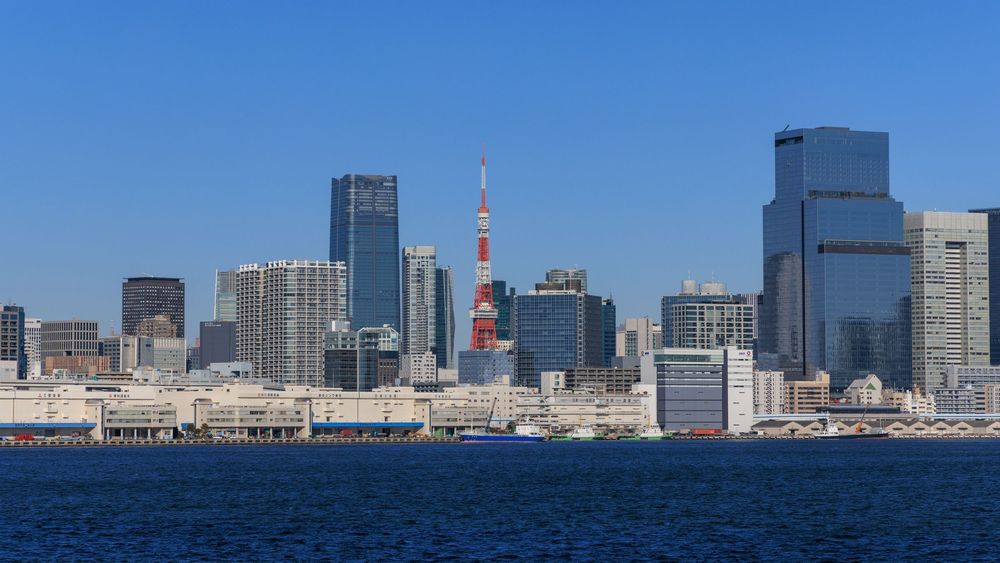
Cover photograph: Tokyo waterfront skyline with Tokyo Tower under a blue sky. Photo by Phil Evenden on Pexels (Pexels).
Frequently Asked Questions
What should I prioritise on a first visit to Tokyo?
For a varied introduction, choose Asakusa for its temple and shopping approach, then Shibuya for an urban contrast. Swap in Tokyo National Museum if historical art matters more to you, and add Tsukiji or Shinjuku Gyoen according to whether food or gardens deserves the remaining time.
Is Senso-ji or Meiji Jingu the better choice?
Senso-ji suits a visit built around monumental temple architecture and a shop-lined approach. Meiji Jingu suits someone who wants a Shinto shrine within a forest setting. Choose both only if that difference interests you enough to give each attention.
Should I choose Tokyo National Museum or teamLab Borderless?
Choose Tokyo National Museum for historical objects, craft and art context. Choose Borderless for immersive digital art and exploration without a prescribed map. They answer different interests, so neither is a direct replacement for the other.
Do I need to book every Tokyo attraction in advance?
Build bookings around the experiences that need them rather than every district on your list. Borderless offers a timed Entrance Pass; check your date and price on its official site. For Shinjuku Gyoen, check the admission calendar and any date-specific reservation notice.
Is Tsukiji Outer Market mainly for sushi?
Sushi is one option, but the official directory also lists other food categories, ingredients, kitchenware and tableware. It is especially worthwhile if you want to combine a meal with browsing the materials and tools used in Japanese cooking.

Keep Exploring
Things to Do in Singapore: Choose Your Highlights
Choose Singapore highlights that earn their place: conservatories, neighbourhood meals, orchids, art and wildlife, with practical trade-offs and current access checks.
Things to Do in Rio de Janeiro: Choose Your Highlights
Build a Rio shortlist around the experiences you want: a landmark summit, bay views, art, gardens, beach life or hillside streets, with practical comparisons.
Things to Do in Mexico City: Choose Your Highlights
Choose between archaeology, art, park time, neighbourhood walks and Xochimilco, with practical comparisons for a first visit to Mexico City.