
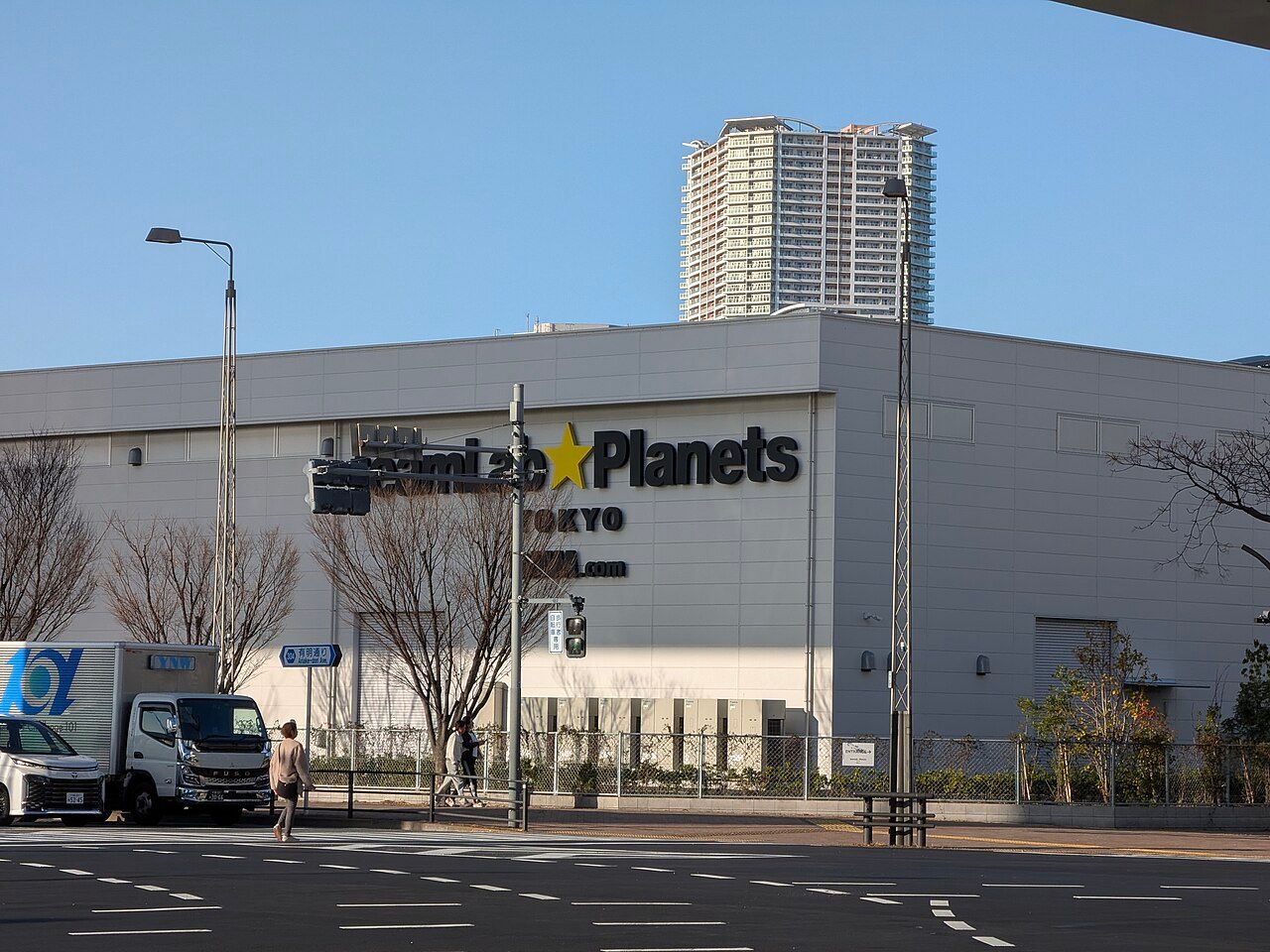
Plan teamLab Planets in Toyosu with clear ticket choices, water and clothing advice, family logistics and artwork-specific accessibility checks.
Choose teamLab Planets if you want a physical, immersive art experience and are comfortable planning around water, changing surfaces and strong visual effects. The practical decision comes before the photograph: check whether the works and access arrangements suit everyone in your group, then book the correct venue and date. Planets is in Toyosu; teamLab Borderless is a separate museum at Azabudai Hills.
Allow roughly two to three hours on site as an editorial planning allowance, with extra margin for arrival and entry procedures. The expanded experience includes more than the water installations familiar from older reviews, so a quick stop squeezed between distant reservations can be frustrating. Use our Tokyo highlights guide to decide how much of your trip you want to devote to immersive art.
Planets or another kind of art visit?
| What you want | Best decision to investigate | Main practical question |
|---|---|---|
| Art experienced through movement and water | Planets in Toyosu | Are barefoot water areas and changing surfaces suitable? |
| Wandering through interconnected digital works | Borderless at Azabudai Hills | Have you selected the correct museum and ticket? |
| A family outing with active elements | Planets, with an age-appropriate route | Which works can each child actually use? |
| Historical objects and conventional galleries | A museum collection, such as those around Ueno | Would you prefer looking and reading to physical participation? |
| A visit with mobility requirements | Check the exact Planets route first | Which works require transfer, a companion or viewing from the side? |
Neither teamLab venue is a compulsory Tokyo stop. If the idea of entering water or negotiating sensory environments sounds like an obstacle rather than the attraction, examine the alternatives before buying. A different museum can be a better use of the same afternoon without requiring you to force a popular experience into your plans.
The Planets experience has different kinds of participation
The official Planets presentation describes art experienced with the body rather than only from a fixed viewpoint. The venue includes water and garden works, alongside the Forest expansion with active and participatory elements. Check the current artwork list rather than relying on an old review that describes only the earlier layout.
Think of your visit as a sequence of different demands on your attention. A reflective light environment asks you to look around and allow the scene to develop. A water work changes how you move. An active installation can involve balance or a physical task. Wanting to see the images does not necessarily mean wanting to take part in every form of movement.
Choose two or three kinds of experience that interest your group, while accepting that the available route and staff instructions govern how you encounter them. You do not need to turn the artwork list into a completion target. If someone is tired or uncomfortable, ask about a bypass instead of assuming the only options are to continue unchanged or abandon the entire visit.
For children, talk about the physical experience before arriving: shoes come off in water areas, some rooms are dark, and staff may ask people to wait or move together. That preparation is more useful than promising an unrestricted playground. Adult visitors should make the same distinction between participation and freedom to use every space however they wish.
Book Planets, Toyosu, and check the actual price
Start with the official ticket store. Check the venue name, date, entry time, visitor category and total for the group before paying. Entrance Pass prices can vary by date; a headline starting price is not a quote for the time you want. Premium products also have different conditions, so compare what flexibility you need rather than buying the most expensive option by default.
The time on an ordinary timed ticket is an admission window, not the total length of your visit. It also does not promise instant entry. Leave room after the booking for queues, lockers and the pace of the people you are visiting with. Avoid placing a non-refundable meal or another attraction immediately after your estimated finishing time.
Read change and cancellation conditions in the official ticket help. The official store describes limited changes to eligible bookings, with deadlines and exceptions; a third-party seller's terms may differ. A possibility to change a booking is not a promise of availability in your preferred replacement slot.
Save access to the booking confirmation and check how the QR ticket becomes available. If members of your group will arrive separately, follow the store's distribution instructions before reaching the gate. Do not rely on an unofficial resale listing to solve a sold-out date: the operator's conditions prohibit resale and allow invalidation of resold tickets.
Clothing: solve the water and mirror-floor questions together
The water areas are experienced barefoot, and the venue warns that water can reach adult knee height. Wear something that can stay above that level comfortably. Trousers that only roll a little may be awkward; long loose hems can drop back into the water. Remove socks or tights as directed for the barefoot sections.
Mirrored floors create a different clothing issue. Consider what can be reflected from below when choosing a skirt or wide-legged garment. The operator offers loan shorts, but planning your own comfortable outfit avoids making a clothing change the first decision of the visit. Ask staff if you need the loan option.
Bring a change of clothes for a young child who may get wet. The water is part of an artwork, not a swimming pool, so do not frame this as a swim session. Choose clothes that allow movement for the active installations as well as managing the water sections; a photograph-focused outfit can be less useful than one you can move in easily.
You do not need a complicated equipment list. Keep essentials minimal and use the storage arrangements explained at entry. If you must carry medical or assistance-related items, contact the venue about their use before arriving rather than assuming ordinary baggage rules cover your situation.
Accessibility: admission and full participation are different
The operator's current guidance says wheelchair access is available, but it describes several distinct arrangements. Some works cannot be accessed in a wheelchair; others are viewed from designated areas. Two named water works can be experienced after transferring to a special water wheelchair, with a companion because staff cannot push the chair inside those artworks.
The same guidance allows a visitor's own wheelchair with tyre covers and notes limits related to particular surfaces and equipment. Read the full artwork-by-artwork list in the official help and explain your actual requirements to the venue. A general statement that the building admits wheelchair users does not establish that every installation can be experienced in the same way.
The DMM wheelchair-loan information states that standard chairs are available in limited numbers and cannot be reserved in advance. If transferring is not suitable for you, or you need specific supports, resolve that question before booking. Staff can explain a route, but an unsuitable chair is not made suitable by its availability.
For canes, prosthetics or sensitivity to dark and strongly lit environments, use the same specific approach. Identify the works you most want to see and ask which routes fit your needs. The venue's warning about visual stimulation should inform the choice of outing; this guide cannot determine a medical suitability question for an individual visitor.
Visiting with children and managing your belongings
Strollers are stored outside the exhibition route, so plan how a baby or tired toddler will move through the visit. A carrier may be useful, subject to the conditions of individual works. Check the current adult-to-child supervision requirements and age or size restrictions before purchase, especially if one adult is travelling with several children.
Free lockers are provided, but they are small storage compartments rather than a promise that every suitcase fits. Large luggage uses a different arrangement. A visit before an airport transfer is easier if your main bags can remain at your accommodation; otherwise, confirm the actual storage procedure and retrieval time.
Take care of toilets and immediate practical needs before entering a section where leaving would interrupt the experience. Re-entry after leaving the venue is not permitted under the stated rules. Keep the next meal flexible enough that hunger does not dictate how quickly the group must move through the final works.
Getting to Toyosu without mixing up the venues
The official access guide gives the address as 6-1-16 Toyosu, Koto-ku. It lists about three minutes on foot from Shin-Toyosu Station, ten minutes from Toyosu Station and five minutes from Shijomae Station and Toyosu Market. These are orientation estimates; your starting exit, walking pace and need for lifts can change the journey.
Shin-Toyosu is on the Yurikamome line, while Toyosu also serves the Tokyo Metro Yurakucho line. Select the route from your accommodation instead of assuming a station with a similar name is the same place. If you need step-free travel, check the rail operator's station facilities separately from the museum's indoor access information.
teamLab Borderless is at Azabudai Hills. A Borderless booking does not admit you to Planets, and an old Odaiba description of Borderless is not the current destination. Check the museum name on both your ticket and navigation pin before setting out.
Add one nearby activity, or leave the rest open
A meal in the Toyosu area is a simple companion to Planets. If Toyosu Market is your main additional interest, check its own operating calendar and visitor arrangements; proximity does not mean the market will be open when your museum booking ends. Do not build a plan around an auction or restaurant without verifying that separate experience.
For a more traditional art or museum day, our Ueno museums and park guide offers a different cultural choice. It is an alternative or separate outing, not a nearby extension of Toyosu. Selecting one clear theme for the day often works better than crossing Tokyo to collect two unrelated museum visits.
Information was checked on 10 November 2026. Opening calendars, available works, ticket prices and access conditions can change; review the official pages before paying. The time allowances and suggested combinations here are editorial judgments, not a personally tested route or a guarantee of queue length.
Cover photograph: teamLab Planets building and sign across a road in Toyosu — Archive photograph resized by Wikimedia Commons. — Syced, CC0 1.0.
Frequently Asked Questions
Is teamLab Planets the same as Borderless?
No. Planets is in Toyosu and includes barefoot water experiences. Borderless is a separate museum at Azabudai Hills. They have separate tickets, locations and visitor arrangements.
How long should I allow for Planets?
Around two to three hours on site is an editorial planning allowance, with extra margin for arrival and entry procedures. Your pace, participation in active works and queues may change that.
What should I wear?
Choose clothing suitable for movement and water up to adult knee height, and consider reflections in mirrored floors. Shoes, socks and tights come off for barefoot water sections. Bring spare clothes for young children.
Can wheelchair users visit teamLab Planets?
Yes, with artwork-specific limits. Some works are inaccessible or view-only; certain water works require a special chair and a companion. Read the operator's detailed guidance and confirm your requirements before booking.


Keep Exploring
Tokyo Imperial Palace East Gardens: Plan Your Visit
Plan a free walk through Edo Castle remains and Ninomaru, with seasonal hours, gate choices and the difference from a palace tour.
Edo-Tokyo Museum: Plan Your Visit
Visit the reopened Edo-Tokyo Museum in Ryogoku: current tickets, hours, a focused exhibition route and practical access advice.
Meiji Jingu: Plan Your Tokyo Shrine Visit
Plan Meiji Jingu with seasonal gate hours, the forest approach, shrine etiquette, photography rules and optional garden or museum visits.