
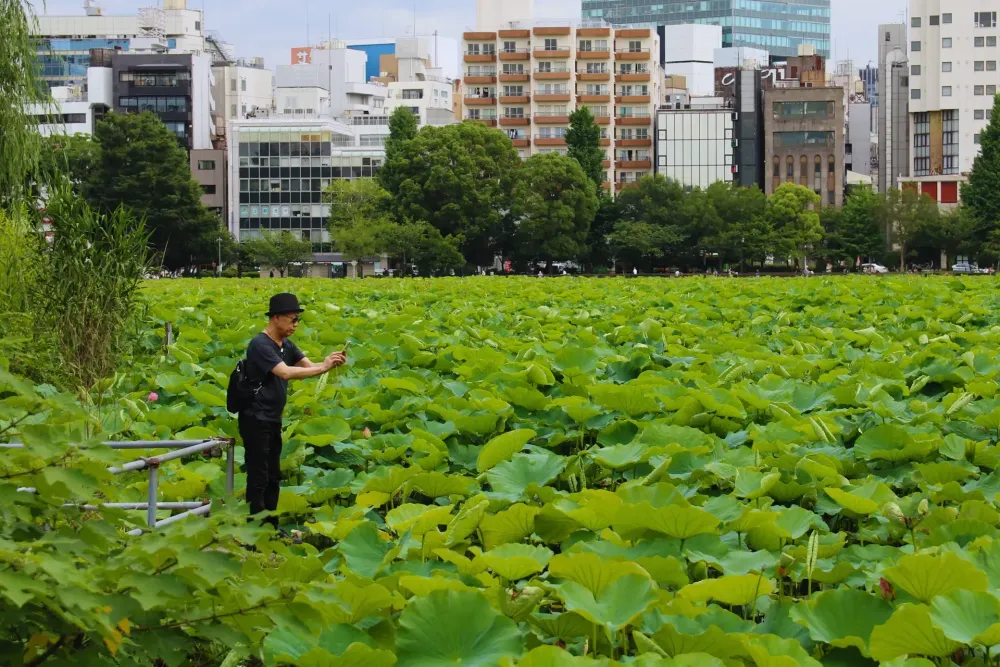
Make Ueno a manageable Tokyo outing: choose one museum, check its actual exhibitions and closures, then connect the park, Shinobazu Pond and an optional meal.
The most satisfying first Ueno visit usually combines one museum with a park walk, rather than several museums in succession. Choose the collection you actually want to see, protect time for it and let the outdoor section provide a change of pace. Ueno Park is a shared setting for distinct institutions, not a single attraction covered by one admission ticket.
This guide helps you arrange that local outing. If you are still comparing Ueno with temples, observation decks and other districts, our Tokyo highlights guide covers the wider decision.
Official information checked on 20 October 2026. Suggested visit lengths are editorial estimates, excluding journeys to Ueno and long queues.
Choose an anchor for the outing
| Your interest | Main stop | Suggested museum time | What to check |
|---|---|---|---|
| Japanese art and historical objects | Tokyo National Museum | 2–3 hours | Open galleries and current object displays |
| European painting and sculpture | National Museum of Western Art | 1½–2 hours | Collection versus special exhibition |
| Dinosaurs, nature and science | National Museum of Nature and Science | 2–3 hours | Gallery closures and activity conditions |
| A particular temporary exhibition | Tokyo Metropolitan Art Museum | 1½–2½ hours | Exact exhibition ticket and dates |
| Fresh air and no museum admission | Park paths and Shinobazu Pond | 1½–2 hours outdoors | Weather, daylight and walking route |
For a museum and a considered walk, allocate about half a day. The museum times are alternatives, not a schedule to add together. If one collection is the reason you came to Tokyo, give it more time and shorten the walk. If museums normally tire you after an hour, choose a small selection of rooms and make the park the larger part of the outing.
Tokyo National Museum: choose what to look at
Tokyo National Museum is the natural first comparison for Japanese art and material culture. Its Honkan introduces Japanese art, while the larger complex includes other collections and buildings. Start by selecting a manageable focus: a historical overview, ceramics, sculpture or another medium that interests you. One good sequence of rooms is more useful than rushing between every building.
Use the museum's current exhibitions directory to see what is actually on display. A work pictured in an old guide is not a promise that it will be in a gallery on your visit. Fragile objects rotate; building and room availability also changes. Read the gallery descriptions before deciding which part deserves the most attention.
The official visitor page lists adult collection admission at ¥1,000 at the check date. Special exhibitions have their own tickets. It also carries partial-closure notices, so check your intended rooms as well as whether the museum itself is open.
There is a practical luggage constraint: the current visitor notice says suitcases are not allowed. Do not build an airport-arrival museum stop around taking your case inside. Arrange storage before arriving and keep time for admission checks. The park's proximity to transport does not make every museum a convenient place to wait with luggage.
Western art or a temporary exhibition?
Choose the National Museum of Western Art if spending time with European painting and sculpture is the main attraction. It offers a different focus from Tokyo National Museum, so decide by collection rather than by the similarity of the names. Seeing Western art in Tokyo is a reasonable choice if those are the works you want to study; a trip does not require every visit to illustrate the destination in the same way.
Its official visitor information separates the permanent collection from special exhibitions. Adult collection admission is listed at ¥500. A current notice announces a collection closure from 12 January to 19 March 2027 for maintenance. If those are your dates, assess the actual open programme rather than relying on a general museum recommendation.
The Tokyo Metropolitan Art Museum should be chosen for an exhibition that interests you. Its visitor guide says entering the museum building is free, while exhibition charges vary. That distinction matters: free building access does not make every major show free.
Before buying, read the exhibition title, dates, admission conditions and any reservation requirement. If none of the current shows appeals, select another museum. There is little benefit in committing to an institution only because it appears beside the others on the park map.
Nature and science: choose a theme, including with children
The National Museum of Nature and Science is a strong option when natural history or science is the shared interest. Its official website introduces the permanent exhibitions and provides a floor map. Look at that map together before the visit: choosing a few subjects gives adults and children a clearer purpose than working through every floor.
The admission page lists standard admission for adults and university students at ¥630. Special exhibitions require a separate check. Current notices identify partial closures in the Global Gallery; do not promise a particular floor to a child without checking its availability.
A museum being suitable for families does not mean every activity is available to every age or can be entered without booking. Verify any named activity separately. Use the basic collection as the plan, then add an activity only when you understand its conditions.
The zoo is another substantial outing, not a quick extra before lunch. If animals are the priority, replace the museum rather than attaching both automatically. Our Tokyo with children guide helps compare whole family outings instead of accumulating admissions within one park.
Match the station exit to your first stop
For the museum side, JR Ueno Station's Park Gate/Exit is a useful starting point. The Metropolitan Art Museum's official guide describes the approach past the National Museum of Western Art towards the fountain plaza. This gives you a simple orientation: choose the museum entrance first, then follow the park signs to that institution.
Tokyo Metro Ueno and Keisei Ueno are not interchangeable platforms within one small station. They have different approaches to the park. Use the Tokyo Metro station guide if arriving on the Ginza or Hibiya line, especially when lifts or a specific exit matter.
For Shinobazu Pond or Ameyoko first, the southern side can make more sense than walking to the museum area and doubling back. Put your first destination into the route planner, not just “Ueno”. You can finish near a different station access point without returning to the exact gate where the outing began.
A museum-first half-day route
Begin with the selected museum while your attention is fresh. Arrive with enough time for the full visit you want before the institution's last admission and closing time. A late ticket does not create extra time in the galleries. Keep a second museum unbooked unless it is genuinely central to the day.
Afterwards, take a break around the park's central area, then follow the main paths south towards Shinobazu Pond. The official Ueno Park guide connects the fountain area, main avenue, Saigo Takamori statue and pond as walking features. Treat the statue as an optional detour rather than another required stop.
At the pond, decide whether you want a short waterside pause or a longer walk. You do not need to complete every edge to experience the change from galleries to open space. If energy is running low, end here and head towards the station area. The route remains a complete outing even when the optional shopping section disappears.
For a meal and a livelier ending, continue towards Ameyoko, outside the park. The official shopping-street guide places it between Ueno and Okachimachi and notes that business hours vary by shop. Browse before choosing where to eat; do not assume a particular stall stays open simply because other businesses are busy.
A park-and-pond visit without a museum
If you mainly want a walk, start near the pond and explore the section that interests you before continuing towards the park's main avenue. Reverse the museum-first logic rather than walking north only to turn around immediately. Allow roughly 1½–2 hours with pauses, adjusted to your pace and chosen distance.
The Shinobazu Pond guide distinguishes lotus, boating and waterbird areas. Choose the view you want, without treating every section as identically accessible or promising a particular wildlife sighting. Boat rental is a separate activity with its own operating conditions; looking across the water does not require renting one.
This outdoor version is useful when the museums are closed or the group wants an unstructured break. It is not a guarantee of solitude. For other outings without admission charges, see our free Tokyo guide.
Mondays, seasons and practical limits
Check the individual museum calendar before assigning Ueno to a particular day. Several institutions normally close on Mondays, with public-holiday substitutions and additional exceptions. The Metropolitan Art Museum also distinguishes building closures from exhibition schedules. “Ueno is open” is therefore not enough information for a museum plan.
Cherry blossoms and lotus flowers can change the emphasis of a walk, but their timing is not guaranteed by your booking dates. A photograph of peak flowers should not become the condition for enjoying the park. During busy seasonal periods, allow extra space in the plan and avoid promising an empty avenue.
For reduced mobility, inspect the chosen entrance and route. The Metropolitan Art Museum specifically recommends its main entrance for lift access, while its east entrance has stairs. Other institutions have their own arrangements. An accessible train journey does not establish that every shortcut through the park suits your needs.
In persistent rain, shorten the outdoor section rather than turning a half-day museum visit into an exhausting race between several buildings. If you want to add Asakusa, treat it as another district with its own time requirement; our Asakusa and Senso-ji walk helps you decide whether that deserves a separate outing.
Cover photograph: Lotus leaves in Ueno Park with Tokyo buildings in the background; a seasonal view. Photo by Bruna Santos — Pexels.
Frequently Asked Questions
Is Ueno Park free to enter?
The public park has no general admission charge. Museums, the zoo, exhibitions and activities can require separate tickets, so check the places you intend to enter.
Which Ueno museum should I choose first?
Choose Tokyo National Museum for Japanese art and objects, Western Art for European art, or Nature and Science for natural history and science. Choose the Metropolitan Art Museum according to its current exhibitions.
Can I visit Ueno on a Monday?
An outdoor visit is a different decision from a museum visit. Several museums have regular Monday closures, with holiday substitutions and exceptions. Check each institution's dated calendar.
How much time do I need for a museum and the park?
About half a day is a useful editorial allowance for one museum, a break and a walk. Multiple museums or the zoo require a larger allocation.
Can I bring a suitcase to Tokyo National Museum?
The visitor notice checked on 20 October 2026 says suitcases are not permitted. Arrange storage before visiting and check the current notice again before travelling.

Keep Exploring
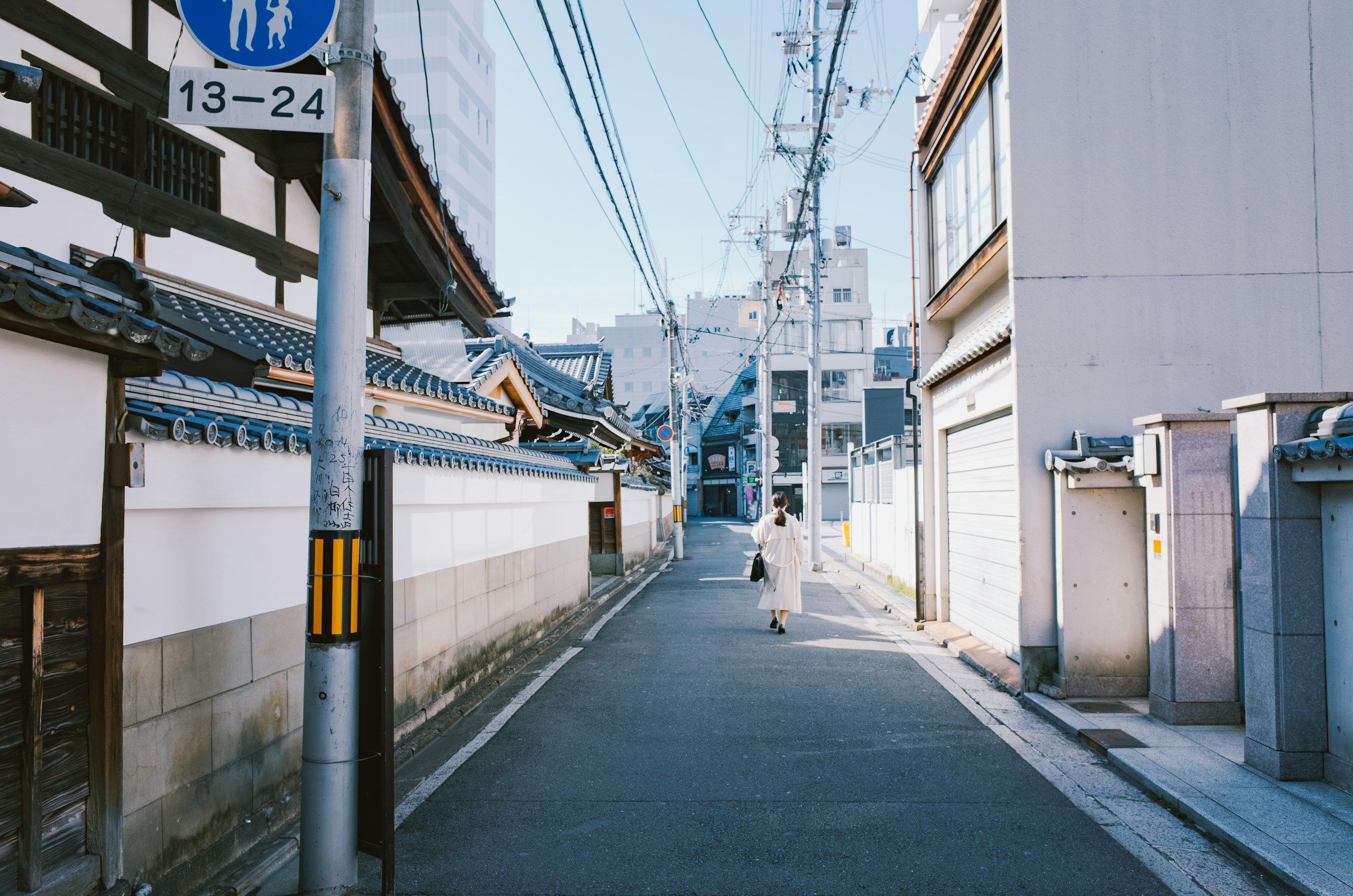
Fushimi Inari: Plan Your Shrine Walk
A focused guide to choosing how far to walk at Fushimi Inari, allowing for the descent and visiting a working shrine respectfully.
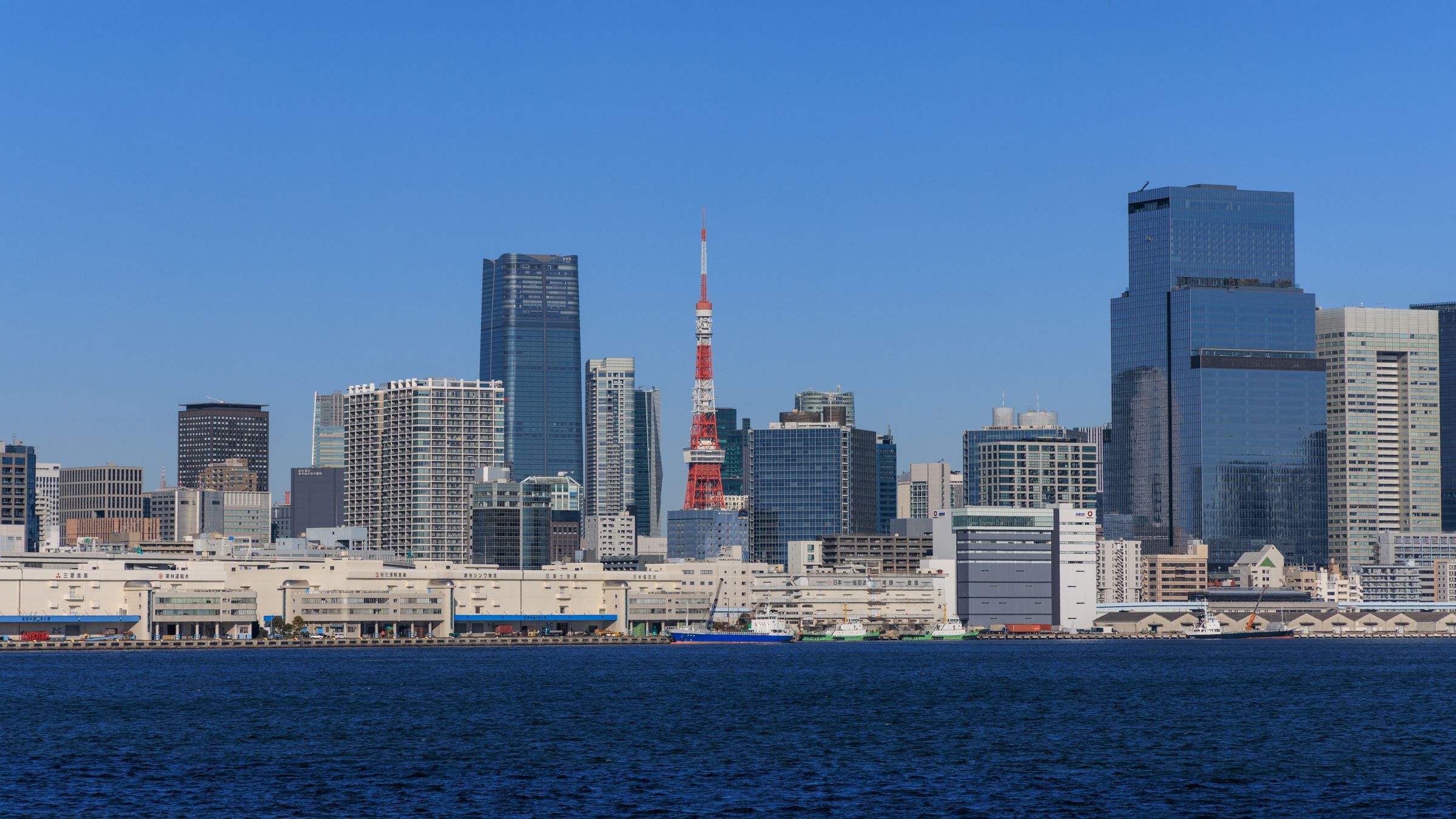
Asakusa: Senso-ji and a Neighbourhood Walk
Follow the temple approach, understand the difference between Senso-ji and Asakusa Shrine, then choose shopping or a riverside finish.
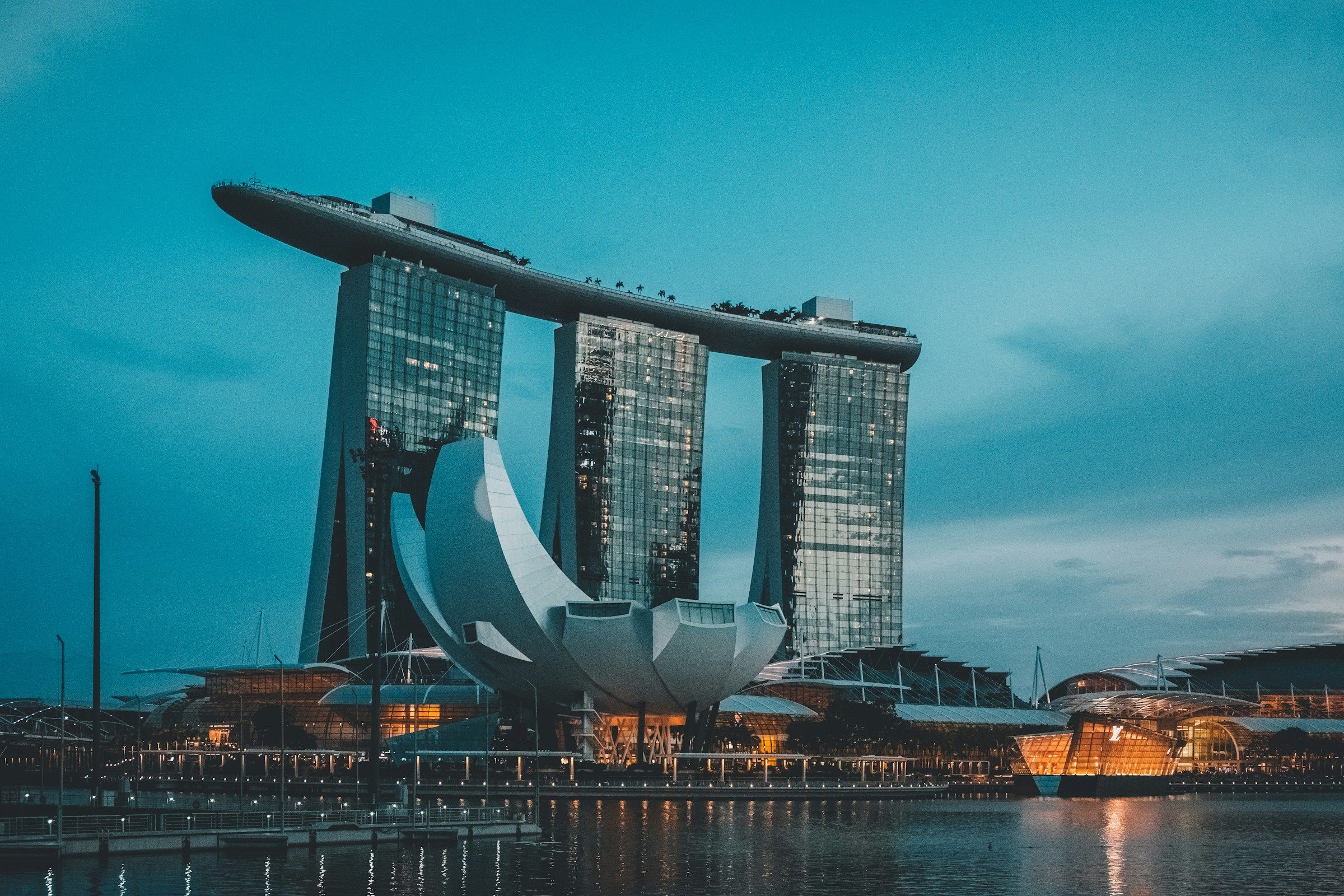
Things to Do in Singapore: Choose Your Highlights
Choose Singapore highlights that earn their place: conservatories, neighbourhood meals, orchids, art and wildlife, with practical trade-offs and current access checks.