
Free Things to Do in Tokyo: Views, Gardens and Culture
Choose worthwhile free Tokyo visits, from city-hall views to the Currency Museum and East Gardens, knowing which areas cost extra and when to change plans.
For worthwhile free things to do in Tokyo, start with the Metropolitan Government observatories for a skyline view, the Imperial Palace East Gardens for an outdoor visit, or the Currency Museum for indoor culture. Senso-ji and Meiji Jingu add religious architecture without an admission ticket for the ordinary visit. The important distinction is exactly what each free entrance includes.
A garden inside a shrine can carry a charge even when the surrounding grounds are free. A palace garden does not provide access to the imperial residence. A free museum can still be closed on your only available day. Choose a visit that fits your location and calendar before crossing Tokyo to save an admission fee.
Admission and visitor information checked on 3 October 2026. All visit durations below are editorial planning allowances, excluding travel and queues.
Compare the free visits
| Visit | Free part | Setting | Main condition or extra | Suggested time |
|---|---|---|---|---|
| Metropolitan Government observatories | Public viewing rooms | Indoors, west Shinjuku | Check which observatory is operating; purchases extra | 45–60 minutes |
| Currency Museum | Exhibition admission | Indoors, Nihonbashi | Monday and temporary closures; group booking rule | 60–90 minutes |
| Imperial Palace East Gardens | Public garden grounds | Outdoors, central Tokyo | Calendar closures; separate palace-tour arrangements | 90–120 minutes |
| Senso-ji | Ordinary temple-precinct visit | Mainly outdoors, Asakusa | Purchases extra; Denboin Garden not ordinarily public | 45–60 minutes |
| Meiji Jingu | Shrine grounds and ordinary worship visit | Mainly outdoors, Harajuku side | Inner Garden and museum charged separately | 60–90 minutes |
| Ad Museum Tokyo | Exhibition facilities and library | Indoors, Shiodome | Limited weekly opening and temporary closures | 60–90 minutes |
Free means no admission charge for the stated activity. It does not include train fares, meals, souvenirs, donations or optional tours. For the larger trip structure, use our Tokyo neighbourhood itinerary and substitute an appropriate free visit into the area you are already exploring.
Metropolitan Government observatories: choose the view
The Tokyo Metropolitan Government's visitor page confirms free admission to its observatories, with views from 202 metres. There are north and south viewing rooms, reached by dedicated observatory lifts from the ground-level entrance floor of Main Building No. 1. Follow the observatory signs rather than joining an unrelated government-office entrance.
This is a strong choice when you want to understand the city's scale without making a paid tower the centre of the day. It is an indoor viewing experience, so do not choose it expecting an open-air rooftop. A clear distant view is a bonus: Mount Fuji is never a guaranteed part of the visit.
Check the operating notice for the particular observatory before leaving. The government warns that closures can occur at short notice, including for weather. Do not assume that both rooms share the same timetable or that a closed north room automatically means an open south room.
Keep the visit flexible within a Shinjuku outing. If visibility is poor or the lift queue would consume your available time, spend that block exploring locally and try the view another day. Coffee and shopping should be optional choices, not a condition you assume comes with the free panorama.
Currency Museum: free indoor history with a real calendar
The Bank of Japan Currency Museum in Nihonbashi is a focused alternative to a large, paid museum. Its displays explore Japanese money and its history. Choose it if coins, banknotes and the relationship between commerce and everyday life sound interesting; free entry alone is not a reason to force an uninterested group through the galleries.
The museum's visiting information lists 9:30–16:30, with last entry at 16:00. It normally closes on Mondays, opening when Monday is a holiday, and from 29 December to 4 January. Temporary closures also occur, so check the linked calendar and current homepage notices for your date.
Ordinary individual visitors do not need to make the group reservation. Groups of more than 20 people are asked to book ahead. Leave time for the security check and avoid arriving with suitcases. Bring your own earphones if you want to use the English audio guide on your device.
Treat this as a museum visit rather than simply a dry place to wait. The visitor rules prohibit photography in the exhibition room and require large bags to go in the free lockers. Food and drink are not allowed inside. Plan lunch elsewhere before or afterwards, especially when shelter from rain is part of your decision.
East Gardens: a free garden, not entry to the palace
The Imperial Household Agency's East Gardens page confirms free admission. This is an outdoor visit among former Edo Castle areas, including the Ninomaru Garden and the base of the castle keep. The contrast between planted areas and substantial castle remains gives you more to look at than a simple lawn break.
Regular closures are Mondays and Fridays, with national-holiday exceptions; a holiday Monday normally shifts closure to Tuesday. There are further exceptions and a year-end closure from 28 December to 3 January, so use the actual calendar. In October the garden opens 9:00–16:30, with entry until 16:00; hours change seasonally. Bag checks take place at the entrance.
Do not confuse this public garden visit with the separate Imperial Palace tour. That tour has application procedures, limited same-day places, identification requirements and its own calendar. Entering the East Gardens does not admit you to the residence or reserve a place on the tour.
Choose the gardens when you want an independent outdoor visit. If a guided palace route is the point of your trip, investigate that separately before arranging the day. Likewise, a museum marked on a palace map should not be treated as included in the garden's free admission.
Senso-ji: keep the temple visit separate from shopping
GO TOKYO lists Senso-ji as a free attraction. The ordinary visit lets you appreciate the precinct and its monumental gates without buying a ticket. Browsing Nakamise can accompany that visit, but snacks, souvenirs and religious items are separate purchases.
The temple's own guide makes an easily missed distinction: Denboin Garden is closed to the public in ordinary circumstances. Seeing it on a map does not make it an included stop. Keep your expectations on the accessible temple precinct, and check any specific special-opening announcement separately.
This is a working place of worship. Leave space for worshippers and follow photography instructions. An early visit prioritises the temple setting; individual shops may not yet be trading. A later shopping visit has a different atmosphere. Neither requires purchasing something to justify your time in Asakusa.
Meiji Jingu: free woodland and shrine, separate paid areas
Meiji Jingu's visiting page confirms that the shrine is free to enter and opens every day, with seasonal gate hours. In October these are 5:40–16:40. This makes the wooded approach and ordinary shrine visit an appealing daylight option, not an evening park to append after shopping.
The Inner Garden has a ¥500 maintenance contribution. The separate Meiji Jingu Museum lists ¥1000 adult admission. Neither is necessary for enjoying the free shrine visit. Facilities within the grounds can have shorter opening hours than the gates.
Choose this option over Senso-ji when the wooded approach is what appeals most, or when you are already visiting Harajuku. Do not travel across the city simply to collect another free religious site. The shrine and temple offer different settings, but your available time still matters.
Ad Museum Tokyo: a second indoor option
If you prefer visual culture to money history, consider the Ad Museum Tokyo in Shiodome. Admission to its exhibition facilities and library is free. Its regular schedule is Tuesday–Saturday, 12:00–18:00, with temporary closures possible.
That schedule matters: it is not a Sunday or Monday fallback for a closed Currency Museum. Nor is it a morning substitute before opening. Check its current calendar before travelling south from Nihonbashi, and choose it as the main cultural stop if advertising interests you more.
For a rainy afternoon, give the exhibits proper attention instead of trying to fit both museums around a long outdoor walk. If the relevant free museums are closed, browsing an open department store can fill a short indoor gap, but it is a different activity. A paid museum you genuinely want to see may be better value than multiple journeys between free alternatives.
Two nearby pairings that keep costs under control
Central Tokyo: East Gardens plus Currency Museum
This pairing combines outdoor history with an indoor collection without sending you to western Tokyo. Start by checking that both are open on your date. A regular Monday is a poor default because both usually close, and Friday removes the gardens unless an exception applies.
Give the garden the better weather window and place the museum around it within its earlier closing time. Add lunch in the central area, with its cost counted separately. Check the walking route between actual entrances; these are not adjacent buildings. If rain persists, shorten or omit the garden rather than treating its paths as an obligatory connection.
Western Tokyo: city-hall views plus Shinjuku streets
Combine the observatory with time in the surrounding west-Shinjuku area and a meal in the district. This is deliberately a compact pairing: you do not need to attach Meiji Jingu, Shibuya and another paid viewpoint to make the outing worthwhile.
If you already have a western sightseeing day, put the observatory into an available block after checking operations and visibility. Keep the extra travel and queue time visible in your plan. Our Tokyo neighbourhood accommodation guide helps compare bases if repeated journeys between opposite sides of the city are affecting the trip.
Make the saving real
Before setting out, check the opening calendar, the exact free area and the route from where you will actually be. Budget meals and transport separately. There is little benefit in saving an entry fee if the replacement requires a long detour you would otherwise avoid.
Keep one backup in the same part of the city, even if that means a shorter outing. Free access gives you permission to leave when you have seen enough; it does not create an obligation to fill every available hour. Spend the money you save on the experience, meal or practical journey that matters more to you.
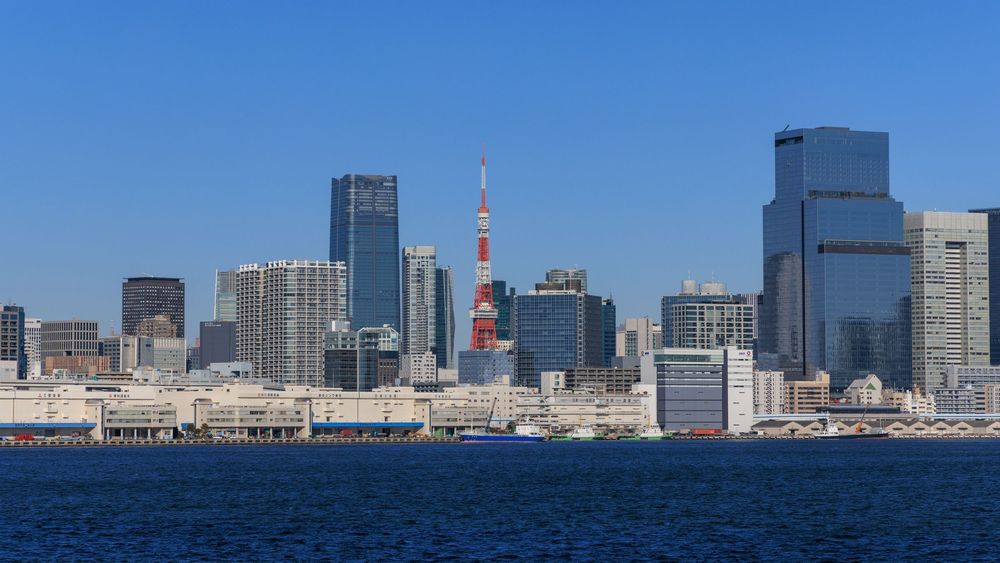
Cover photograph: Tokyo waterfront skyline with Tokyo Tower under a blue sky. Photo by Phil Evenden on Pexels (Pexels).
Frequently Asked Questions
Can I enjoy Tokyo without paying attraction admission?
Yes. Combine free shrine or temple visits, the East Gardens, a public observatory and a free museum on their opening days. Meals, transport and optional purchases still need a separate budget.
Do I need to book the Currency Museum?
The advance group-booking request applies to groups of more than 20 people. An ordinary individual visit does not require that reservation, but you should check temporary closures and allow time for security before last entry.
Does free East Gardens entry include the Imperial Palace?
No. It covers the public garden visit. The separate palace tour has its own application and same-day admission arrangements, identification requirements and calendar; the garden does not provide access to the residence.
Which free Tokyo activity works best in rain?
Choose the Currency Museum for money history or Ad Museum Tokyo for advertising, after checking their opening calendars. The observatory is indoors but visibility can be poor, so it is less reliable as the main reason for a wet-weather journey.
Are all the areas at Meiji Jingu free?
No. The ordinary shrine visit is free, while the Inner Garden has a maintenance contribution and the museum charges admission. You can enjoy the wooded approach and shrine without adding either paid area.

Keep Exploring
Free Things to Do in Sydney: Art, Harbour and Coast
Compare Sydney's free cultural visits and outdoor stops, understand the extras, and combine nearby places without overlooking transport costs.

Free Things to Do in Marrakech: Know What Is Included
Choose no-admission walks and garden breaks in Marrakech, distinguish public space from paid experiences, and find an art option to check before heading to Gueliz.

Free Things to Do in Los Angeles: What Costs Extra
Find genuinely free admission in Los Angeles, then compare the reservations, parking and optional extras that determine what your outing actually costs.