
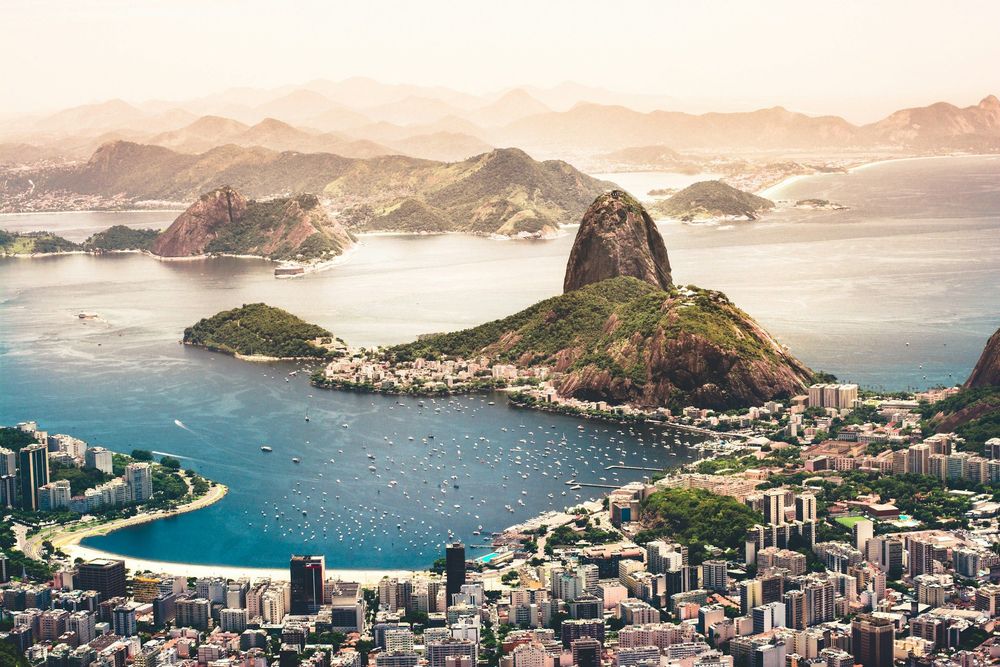
Choose a compact free outing in Rio: a beach promenade, Catete and Flamengo, or an exhibition with the right opening day.
The most useful free things to do in Rio de Janeiro fit into one area at a time: an Ipanema and Arpoador waterfront walk, the Museu da República garden with Flamengo park, or a central exhibition. Choose the setting first, then check the opening day. A free museum across town is less helpful if reaching it consumes the afternoon and the transport budget.
Free here means no admission charge for the activity described. Food, transport, rentals and ticketed performances remain separate. You can enjoy the coast without hiring a chair, and visit an exhibition without buying a drink. This guide concentrates on ordinary visitor access, including international tourists, rather than assuming that a resident discount applies to everyone.
Choose your free outing
| Outing | Best reason to choose it | What stays free | Main constraint |
|---|---|---|---|
| Ipanema and Arpoador | Coast and an optional sunset | Beach access and promenade walk | Weather, exposed rocks and your return route |
| Copacabana or Leme | A flexible walk near a beach base | Public waterfront | Rentals and refreshments cost extra |
| Museu da República and Flamengo | Garden time plus a park walk | General museum visit and garden; public park | Museum and garden have different hours |
| CCBB in Centro | An indoor exhibition | Building entry and exhibitions | Closed Tuesdays; exhibition tickets still matter |
| MAR at Praça Mauá | A substantial art visit | Tuesday general admission | Other days require a ticket or proven exemption |
Visitor conditions checked 13 October 2026. All suggested durations below are editorial planning allowances, excluding travel from your accommodation, queues and meals. They are intended to help choose a manageable block, not promise how long a visit will take.
Ipanema and Arpoador: make the coast the main event
Start with the section of Ipanema closest to your arrival point and walk towards Arpoador only as far as you want. The value of this outing is the changing coastal view, not completing a prescribed distance. If the day is hot, an out-and-back walk with a pause can be more rewarding than linking every beach along the shore.
Riotur's Arpoador page identifies it as a place for sea and sunset views. Treat the rocks as optional. Wet surfaces, waves or uncomfortable crowding are reasons to remain on a suitable promenade section. You do not need to climb to the most photographed position to enjoy the setting, and sunset colour is never guaranteed.
Allow 60–90 minutes for a short walk and time looking at the sea. A beach afternoon is a different commitment: bring the things you need to sit comfortably and decide separately whether conditions suit swimming. Follow current flags and local instructions. Public access does not establish that the water is appropriate for entering that day.
For sunset, decide how you will leave before settling in. If you would rather return in daylight, enjoy the afternoon light and go earlier. There is no saving in staying later than you are comfortable with simply because a free-activity list describes sunset as essential. If cloud arrives, keep the walk short and save the longer coastal afternoon for another day.
Copacabana and Leme: choose a section, not a marathon
Copacabana works especially well when you are staying nearby and want an outing without another journey. Choose a meeting point on the promenade, walk towards the end that interests you, then turn back when it still feels enjoyable. Leme gives a different endpoint from southern Copacabana; doing both is optional.
The official beach guide is useful for orienting the separate coastal areas. A continuous-looking line on a map can conceal a longer outing than you intended. A family with a tired child or a traveller avoiding midday heat gains little by insisting on walking every section before stopping.
Visit Rio confirms free beach access. That does not include a vendor's chair, umbrella, food or sports equipment. Ask the price and conditions before accepting a rental; for a genuinely free walk, simply use the public promenade. Carry water and sun protection rather than depending on an unplanned purchase halfway along the route.
Give this block 45–75 minutes if you want a walk between other plans. Add sitting time according to the weather. It is also a sensible arrival-day option when you have already checked in nearby: you can turn around at any point instead of negotiating a museum closing time. For deciding which beach district makes the most useful base, see our Rio accommodation guide.
Catete: a garden visit with an optional museum interior
The Museu da República offers a useful alternative when another beach walk feels repetitive. Its garden is a destination in its own right, while the building adds historical context if you want an indoor visit. Keep the two parts distinct when planning, especially at the beginning of the week.
The federal museum directory lists free visitation, with the museum open Wednesday–Sunday, 11:00–17:00, and the garden daily, 08:00–18:00. These are general visiting conditions, not a special Brazilian-resident concession. Check current notices before departure, since a garden being open does not mean the exhibition rooms are open too.
Allow 45–60 minutes for the garden, or 90–120 minutes for a selective museum-and-garden visit. These allowances suit a pause-filled outing rather than an exhaustive room-by-room reading. If you arrive before the interior opens, begin outside; if the museum is closed, decide whether the garden alone justifies your journey.
This works particularly well for mixed interests. Someone who wants history can spend longer inside, while a group mainly needing a change of scenery can keep the visit outdoors. Agree where to reunite rather than assuming every space will have a seat or that every room will interest every person. Confirm accessible arrangements directly if those determine whether you can visit.
Flamengo park: add a short waterfront extension
After Catete, a chosen section of Flamengo park can extend the outing without adding another admission charge. Check the actual crossing and walking route from the museum to the section you intend to use. A park appearing close on the map is not permission to cross a major road wherever convenient.
Riotur's Flamengo park guide describes the waterfront green space and gardens designed by Roberto Burle Marx. Focus on the landscape and bay setting rather than trying to cover its whole length. The park is a suitable reason to spend more time in this area; it need not become a march towards another neighbourhood.
Set aside 45–75 minutes, then shorten that if the group is already tired. Choose ordinary public paths and suitable crossings, and leave any rented bicycle or paid activity outside the free plan. Shade varies along a walk, so assess the conditions where you actually are rather than assuming every green area provides continuous shelter.
For a half-day combination, start with the museum or garden, take a food break if wanted, then decide whether to continue to the park. Keeping the extension optional prevents the first stop from becoming something to hurry through. In persistent rain, drop the park and use the available museum interior; on a museum closure day, move the outing if indoor time is important.
CCBB: free exhibitions still need a plan
For an indoor cultural block, Centro Cultural Banco do Brasil is the clearest starting point. Choose an exhibition from the current programme before travelling, rather than assuming that free entry means every room will contain something that interests you. This is particularly useful for a rainy spell or when you want a break from exposed walks.
The CCBB visitor rules state that building entry and exhibitions are free. General opening is Wednesday–Monday, 09:00–20:00; it closes Tuesdays. Exhibition tickets can be obtained online or at the venue. The rule is not restricted to Brazilian residents, but free admission does not guarantee immediate availability.
Reserve an appropriate exhibition slot where offered. Keep 90–120 minutes available for a focused visit, with more time if the programme particularly interests you. Theatre and cinema have their own ticket arrangements, so do not assume an advertised performance is included simply because the building is free to enter. Eating and drinking belong outside exhibition rooms.
If a desired exhibition has no availability, choose another genuinely available programme or move the visit. Do not cross town hoping that a free venue cannot fill up. On Tuesdays, MAR is the alternative below; it is not a reason to arrive at CCBB expecting its normal entrance to be open.
MAR: use the Tuesday rule correctly
Museu de Arte do Rio is a good choice when you want art to be the main outing. Its official admission page lists Tuesdays as free, without limiting that weekly offer to residents. Exhibition access is 11:00–18:00, with last entry at 17:00; the museum closes Wednesdays.
Allow 2–3 hours for a visit with time to read and look properly. The later opening means you can have breakfast and travel before beginning, rather than inventing an early museum stop. Check the current programme and ticket process, and avoid leaving the whole visit until the final admission hour.
On another day, general admission is paid unless you qualify for a listed exemption. The museum requires supporting documentation for concessions. A foreign student card, retirement status or being on holiday in Rio should not be treated as automatic proof of eligibility: confirm your exact category and accepted document with the museum before relying on it.
A short look around Praça Mauá can accompany the visit when weather and conditions suit. Keep the museum as the anchor; adding several distant central sights merely because their exteriors are free can turn a straightforward outing into a tiring day. Our Rio highlights guide covers the wider selection if you want to add paid attractions on another day.
Keep a free day genuinely manageable
Choose one main block and one optional extension. Coast plus more coast can work without appointments; a museum plus a nearby outdoor pause needs the opening day checked first. CCBB and MAR have different closure days, so “a free museum day” is not a single interchangeable plan.
Keep transport and food in the budget even when admissions are zero. Do not replace a suitable vehicle journey with an unfamiliar hillside or forest route purely to save money. These compact outings do not require a summit hike, and they do not include the paid rides to Rio's iconic viewpoints.
Before leaving, check the venue notice, weather and return plan. Carry only what you need and ask your accommodation about current local arrangements. If an outdoor block no longer feels comfortable, shorten it or change location. A successful free day is one you enjoy at a workable pace, with enough flexibility to stop.
Cover photograph: An elevated view of Rio de Janeiro, its bay, boats and hills. Photo by Agustin Diaz Gargiulo on Unsplash.
Frequently Asked Questions
Can foreign tourists use these free activities?
The public beach and park outings, CCBB exhibitions and general Museu da República visit do not rely on a resident discount. MAR publishes free Tuesday admission without a residency restriction. Other concessions require their own eligibility checks.
Which free museum should I choose on Tuesday?
MAR is the useful choice in this selection because Tuesday admission is free. CCBB closes Tuesdays. Check MAR's current programme and ticket arrangements before travelling.
Do I need a ticket for a free CCBB exhibition?
Yes, follow the exhibition's ticket procedure online or at the venue. Free admission does not guarantee an immediate place, and theatre or cinema arrangements can differ.
Is a free beach walk the same as a free beach setup?
No. Public access and a promenade walk are free, while chairs, umbrellas, refreshments and equipment can cost extra. Agree any rental terms before accepting them.

Keep Exploring
Free Things to Do in Kyoto: Know What Is Included
Enjoy Kyoto without admission tickets: compare Fushimi Inari, the Imperial Palace, Nanzen-ji's outer grounds, the Philosopher's Path and public city walks.
Free Things to Do in Buenos Aires
Admission-free Buenos Aires, organised into manageable outings: Casa Rosada museum, San Telmo, Moderno free days, Palermo's Rosedal and Costanera Sur.

Free Things to Do in Mexico City
Build a Mexico City day around genuinely free parks, streets and museums. Compare compact areas, avoid Sunday admission surprises and budget separately for transport.