
Tokyo in 3 Days: A Neighborhood-Based Itinerary
Explore Asakusa and Ueno, the Harajuku–Shibuya corridor, then Tsukiji, Hama-rikyu and Ginza. A flexible three-day route with clear priorities and calendar checks.
Three days in Tokyo work better when each day stays on one side of the city. Start with Asakusa and Ueno, spend another day moving through western Tokyo, then finish with food, a garden and Ginza. You will experience different parts of the capital without making every afternoon a cross-city sightseeing race.
This itinerary assumes three full sightseeing days, with arrival and departure handled separately. The day numbers are interchangeable: put the museum day on an opening day and the garden day in the better weather. Each route has an anchor to protect and an optional part to drop.
Official visitor information checked on 3 October 2026. All suggested visit durations below are editorial planning estimates, not operator promises or journey times.
The route at a glance
| Day | Order of visits | Protect this time | First cut if tired |
|---|---|---|---|
| 1: northeast | Asakusa → Ueno Park → Tokyo National Museum → dinner in Ueno | Temple precinct and an unhurried museum visit | Extra shopping or a long park circuit |
| 2: west | Meiji Jingu → Harajuku → Omotesando → Shibuya | Shrine in daylight, then time in Shibuya | Extended shopping and the optional observation deck |
| 3: central | Tsukiji Outer Market → Hama-rikyu → Ginza | Market during public buying hours and garden before last entry | Garden in poor weather; shopping if departing |
The arrows give the order, not a promise that every leg should be walked. Use current navigation for transfers and the actual entrance of each attraction. Hotel location, station exits, queues and your walking pace all affect the day.
Before assigning the days to your calendar
Check Tokyo National Museum first. Its official visitor page lists regular Monday closures, with public-holiday exceptions and closure on the following day when applicable. It also lists special closures and partial gallery closures. Do not assume that a Tuesday after a holiday Monday is available, or that every gallery will be open.
Next check the individual Tsukiji shops you want to visit. Move that whole day if a particular food stop is essential and closed on your original date. Finally, decide whether a Shibuya Sky ticket matters enough to fix part of the western day. Without the deck, that route can stay largely flexible.
Keep meals in the district you are already exploring. A restaurant reservation across town can undo the geographical logic more quickly than an extra attraction. Likewise, avoid committing to an early evening activity immediately after a museum: leave room to finish a gallery, retrieve belongings and reach the station.
Day 1: Asakusa, then Ueno
Morning: follow the temple approach
Begin at Kaminarimon in Asakusa, continue along Nakamise and pass through Hozomon toward Senso-ji's main hall. This gives the morning a natural sequence rather than a hunt for unrelated photo spots. The temple's official guide identifies these gates and halls and explains the Buddhist site.
Allow 90 minutes for the temple precinct and its approach, longer if you want to browse. An early start can mean that individual shops have not opened; decide whether worship architecture or shopping is your priority rather than expecting both on the same early schedule. Take a proper look beyond the entrance gate before getting drawn into purchases.
Have lunch in Asakusa, then travel to Ueno. You can walk part of the connection if that itself appeals, but it is not a requirement. If the morning runs late, use transport and protect the afternoon instead of turning the link between districts into another activity.
Afternoon: make the museum the main event
In Ueno, continue through the park toward Tokyo National Museum. Allocate 2–3 hours to a selected part of the collection rather than trying to complete the whole complex. The Honkan is a sensible starting point for Japanese art; choose a few galleries that interest you and read their explanations carefully.
Aim to arrive in the early afternoon. On the research date, standard museum hours were 9:30–17:00, with later opening on selected days and last admission 30 minutes before closing. Those are limits, not recommended arrival times: arriving just before last entry leaves little room for the visit described here. Check the linked calendar for your date and current gallery restrictions.
Afterwards, keep dinner in Ueno or return to your accommodation. An additional park stroll is optional. The day already combines a religious site with historical objects; it does not need another landmark to count as complete.
Cut or swap: drop extra shopping and the extended park circuit first. If rain is forecast mainly for the afternoon, retain this order. If the morning is wet and the afternoon improves, visit the museum first and Asakusa afterwards, checking temple and shop access for your later arrival. If the museum is closed, exchange this entire day with the western route.
Day 2: Meiji Jingu to Shibuya
Morning: shrine before shops
Start at Meiji Jingu from the Harajuku side, visit the sanctuary and return toward Harajuku. Allow 90 minutes for the wooded approach and shrine, adjusting for your pace. This is the outdoor cultural anchor of the day, so do it before a shopping stop expands unexpectedly.
The shrine's official visiting page lists opening and closing times by month. In October it gives 5:40–16:40, and facilities inside can have shorter hours. That is why this itinerary does not save the shrine for after Shibuya or treat its grounds as an evening park.
Continue into Harajuku for browsing and lunch. Choose a compact area rather than trying to cover every shopping street. If fashion holds little interest, use this as your meal break and move on. The contrast between the shrine approach and the surrounding commercial streets is enough to make the transition worthwhile.
Afternoon: Omotesando, then Shibuya
Walk toward Omotesando for storefront architecture and window-shopping. GO TOKYO's area guide describes the boulevard, boutiques and shopping complexes, including Omotesando Hills. Choose one complex or a short stretch of the avenue; a deep detour into Aoyama is optional.
Set aside about 60 minutes for this part if Shibuya is the priority. Then continue to Shibuya by the route that suits your energy and location. There is no prize for walking every connection: arriving ready to explore matters more than maintaining an unbroken walking trail.
Start Shibuya at street level around the scramble crossing, then choose where you want to eat and spend the evening. If you want a panorama, make Shibuya Sky an optional booking. The operator's description distinguishes an outdoor rooftop observation area from an indoor observation corridor. Check the current ticket conditions and operating notices before committing; an indoor visit does not give the same experience as an outdoor rooftop.
Cut or swap: remove extended Omotesando shopping before shortening the shrine visit. Skip the deck if your main interest is street life. In persistent rain, shorten the outdoor links and spend more time in Omotesando Hills or Shibuya Scramble Square during their opening hours. If the shrine is essential, move this whole route to a drier day instead of forcing it into a late evening gap.
Day 3: Tsukiji, Hama-rikyu and Ginza
Morning: eat and browse at Tsukiji
Start at Tsukiji Outer Market after 9:00. The market's official calendar and visitor guidance identifies 9:00–14:00 as public buying hours, with priority for professional buyers earlier. It explicitly says to check individual Outer Market shops: the displayed wholesale-market calendar is not a universal opening guarantee for them.
Allow 90 minutes for a meal and browsing, with extra room for a queue you deliberately choose. Pick something you want to eat, then look at ingredients or kitchenware rather than spending the entire morning joining successive queues. The official market site includes food shops, restaurants and cooking equipment; it also makes clear that the wholesale market with the auctions moved elsewhere.
Eat inside the business or in its designated eating area, following the market guidance. Do not plan an auction visit here. This stop is about the surviving Outer Market and its businesses.
Late morning or early afternoon: Hama-rikyu
Next head toward Hama-rikyu Gardens, checking the route to a visitor entrance rather than a point in the middle of the grounds. Allow 90 minutes to make the garden a proper pause between the market and Ginza. Choose a shorter circuit if lunch or queues have already taken longer than expected.
The Tokyo park operator lists regular hours of 9:00–17:00, with last entry at 16:30, and a year-end closure from 29 December to 1 January. Check current notices, including temporary restrictions. The garden belongs before late-afternoon shopping: it is the less flexible part of this pairing.
Afternoon and evening: finish in Ginza
Continue north toward Ginza and leave the rest of the day open for browsing and dinner. Choose one department store or shopping complex, then explore the surrounding streets. GO TOKYO's Ginza guide identifies Ginza Six, Ginza Mitsukoshi, Matsuya Ginza and Wako among the district's shopping landmarks.
You do not need to make luxury purchases to enjoy the change of setting. Compare the storefronts with Omotesando's, browse products that interest you or sit down for a longer meal. Keeping this final block loose also creates room for souvenirs without interrupting a cultural visit elsewhere.
Cut or swap: in sustained rain or during garden closure, go directly from Tsukiji to Ginza and use open shops and restaurants as the indoor part of the day. This is a shorter route, not a promise of a replacement garden experience. If a specific Tsukiji business is closed, rearrange the day beforehand rather than assuming the whole market follows one schedule.
Adapt the route to your actual trip
For a late arrival, use the remaining evening near your hotel and begin the full route the next morning. If departure falls within the third day, keep only Tsukiji or Ginza according to your flight or train logistics; do not calculate an airport transfer from this sightseeing plan.
For less walking, retain the same neighborhood groups but reduce browsing and use transport between the anchors. The table does not establish a step-free route: check individual entrances and station accessibility separately if needed. For museum enthusiasts, expand Ueno by shortening Asakusa shopping. For people who dislike museums, keep Asakusa and an unhurried Ueno park visit, accepting that you have chosen a lighter day.
Do not append a distant day trip or another major timed attraction to the finished schedule. If something else is essential, replace a substantial block. The itinerary works because you can still spend longer somewhere without sacrificing the next day's start.
Plan the next part of your trip
Use these related guides to compare where to stay, what to visit or another destination in the same region. Each guide covers a separate decision; this is not a combined itinerary.
More guides for planning your visit
- When to Visit Tokyo: Seasons and Trip Planning
- Japan in 14 Days: Cities, Culture and Breathing Room
- Free Things to Do in Tokyo: Views, Gardens and Culture
To choose the visits that best suit your interests, start with Things to Do in Tokyo: Pick Your Highlights.
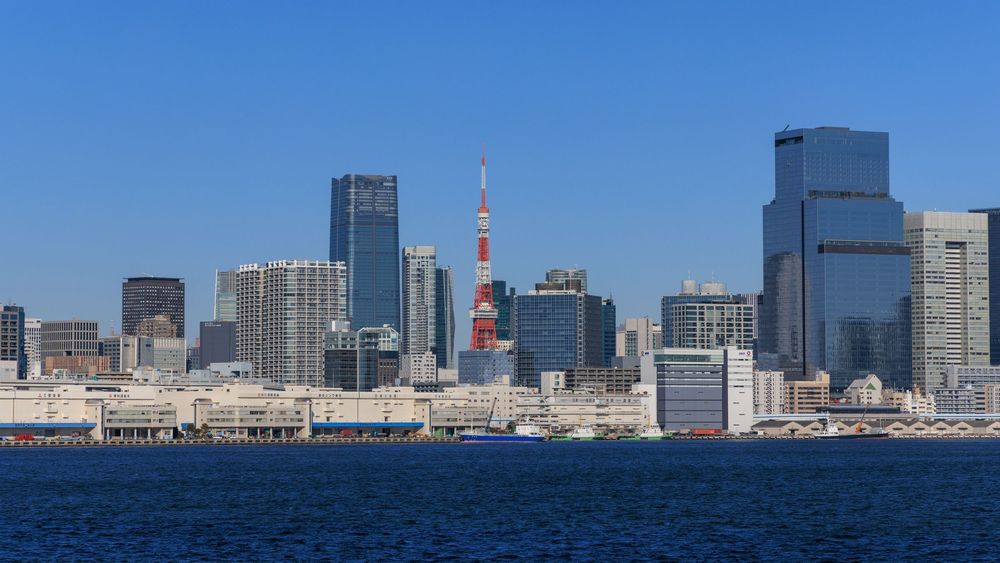
Cover photograph: Tokyo waterfront skyline with Tokyo Tower under a blue sky. Photo by Phil Evenden on Pexels (Pexels).
Frequently Asked Questions
Are three days enough for a first visit to Tokyo?
Three full days are enough for this introduction to the northeast, west and central districts. They will not cover all of Tokyo. Keep arrival and departure time separate, and treat the optional stops as genuine choices.
Must I follow the days in this order?
No. Assign Asakusa and Ueno to a museum opening day, check the Tsukiji businesses you care about and put the outdoor route in suitable weather. Keep each day's geographical grouping intact when rearranging.
What should I do if Tokyo National Museum is closed?
Swap the northeast day with the western day. Check holiday exceptions and temporary or partial closures, not just the weekday. If none of your dates works, keep Asakusa and Ueno as a lighter outdoor day rather than promising another museum will be open.
Can I follow this Tokyo itinerary in rain?
Yes, with cuts. Put more time into the museum, shorten outdoor shopping links and replace Hama-rikyu with additional time in open Ginza shops or restaurants. A wet morning followed by a dry afternoon can justify reversing the Asakusa–Ueno order.
Which optional stop should I remove first?
Remove the Shibuya Sky visit if a skyline view is not a priority, and reduce shopping before rushing the temple or museum. On the central day, omit Hama-rikyu in poor weather and retain Tsukiji plus Ginza.

Keep Exploring
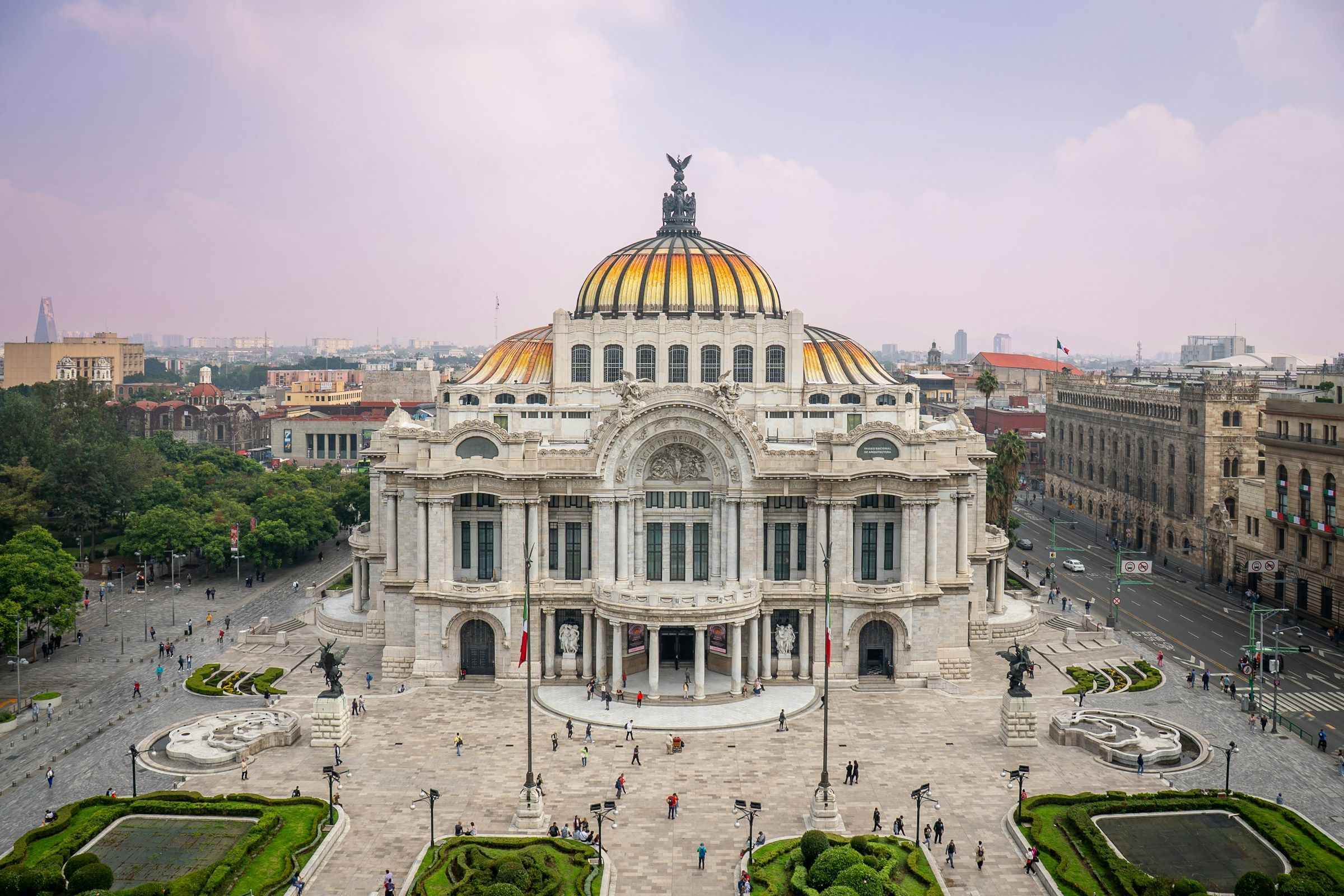
Mexico City in 3 Days: A Neighborhood-Based Itinerary
A practical route through Centro Histórico, Chapultepec, Condesa and Coyoacán, with one main visit each day, flexible meals and clear choices when time runs short.
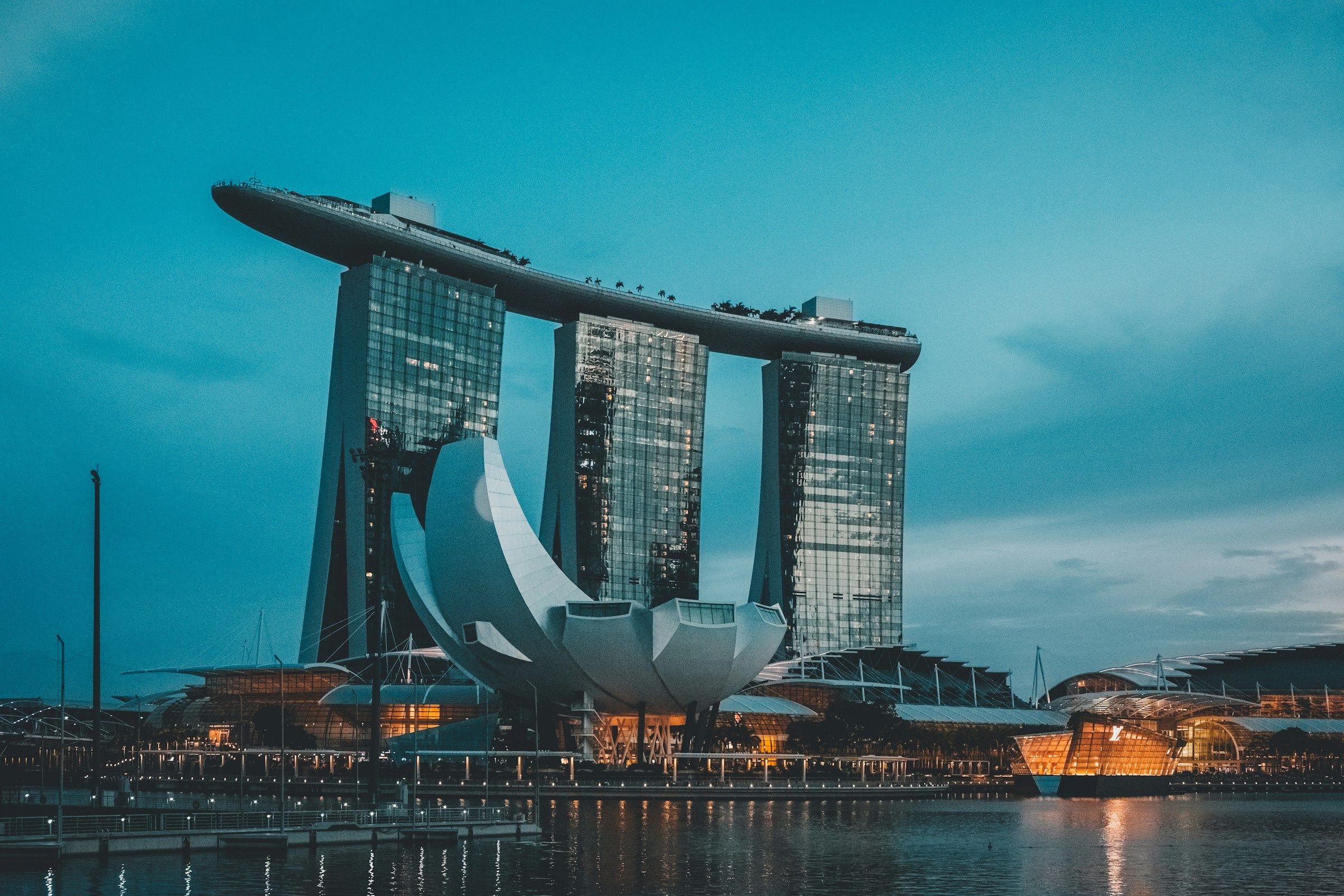
Singapore in 3 Days: A First-Timer’s Itinerary
A three-day Singapore itinerary balancing skyline sights, neighbourhood walks, gardens and food, with room for rain and a slower pace.
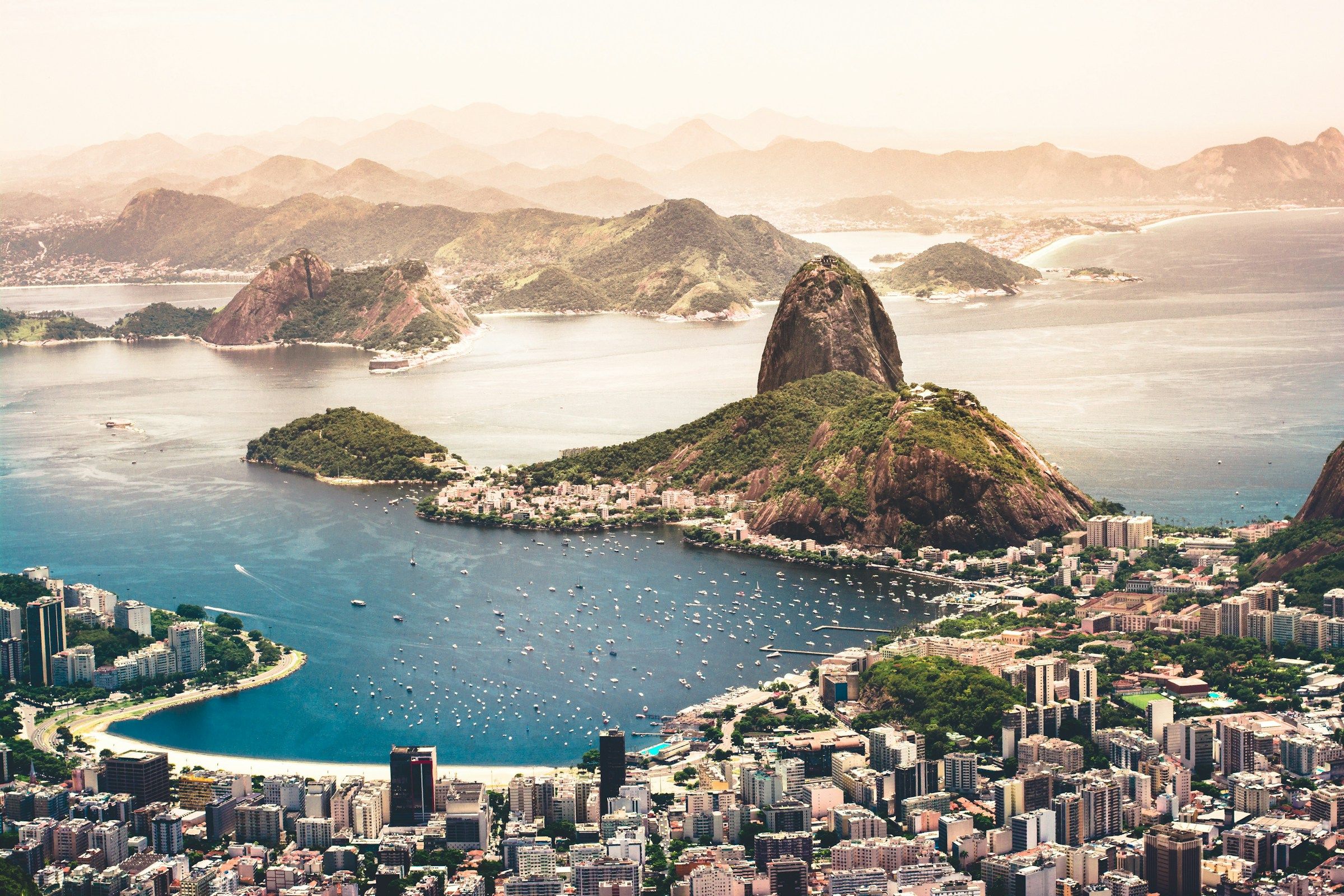
Rio de Janeiro in 3 Days: A Flexible Itinerary
A realistic Rio itinerary with separate summit days, a cultural afternoon and enough flexibility to change plans when clouds, closures or bookings intervene.