
Japan in 14 Days: Cities, Culture and Breathing Room
A realistic first Japan route with four bases, a Nara day trip and protected time for museums, temples, neighbourhoods and everyday pleasures.
A balanced Japan itinerary for 14 days can use 4 nights in Tokyo, 5 in Kyoto, 2 in Hiroshima and 2 in Osaka. That gives you substantial city stays, a Nara excursion without another hotel change, and a full day for Hiroshima's memorial sites. The breathing room comes from leaving parts of days open, not from assuming that moving between cities takes no effort.
This plan counts 14 calendar days and 13 nights in Japan, arriving in Tokyo on day 1 and departing from Kansai on day 14. International flight days outside Japan are additional. The route travels west to Hiroshima, then returns east to Osaka for departure; it is deliberately not a perfectly linear route.
Visitor information checked on 3 October 2026. Suggested visit durations are editorial planning allowances, excluding journeys and queues, rather than official tour lengths.
The route and overnight count
| Days | Sleep here | Nights | Main purpose | Space to protect |
|---|---|---|---|---|
| 1–4 | Tokyo | 4 | Arrival, museum collections, temples and contrasting neighbourhoods | A light arrival and an uncommitted final afternoon |
| 5–9 | Kyoto | 5 | Eastern temples, Fushimi Inari, Nara and a flexible local day | An afternoon for rest, laundry or returning somewhere |
| 10–11 | Hiroshima | 2 | Understand the city's history through its memorial landscape | A full local day without a long excursion |
| 12–13 | Osaka | 2 | Everyday urban culture, shopping streets and meals | Time to pack before departure |
| 14 | Departure from Kansai | 0 | Airport journey and flight | No essential sightseeing |
Choose this version if art, religious sites, history and city life are central to your trip. It does not include a rural overnight, a theme-park day or a promise of Mount Fuji views. If one of those is essential, replace a destination or a full day before booking.
Days 1–4: settle into Tokyo
Day 1: arrive without a sightseeing deadline
Go to your accommodation, eat nearby and take a short local walk if you feel ready. Do not attach an expensive timed attraction to an international arrival. A delayed flight, baggage collection or simple fatigue can consume the afternoon you thought you had.
Keep the same Tokyo room for the whole stay. This is long enough to benefit from learning the nearby streets: find breakfast, a place for an easy dinner and somewhere to buy everyday supplies. Those small routines make the rest of the trip less demanding.
Day 2: Asakusa and a considered museum visit
Give Asakusa the morning, with Senso-ji and its approach as the focus. After lunch, move to Ueno for Tokyo National Museum. Allow 2–3 hours for selected galleries rather than the entire complex; objects and their explanations deserve more than a quick circuit.
The museum's visitor information lists regular Monday closures with holiday exceptions and additional closure notices. Place this day on an opening date, checking gallery restrictions too. If necessary, exchange it with the western Tokyo day. Keep dinner nearby rather than adding another distant district.
Day 3: western Tokyo's contrasts
Begin with Meiji Jingu, then continue through Harajuku and toward Shibuya. The point is the change between a shrine setting, shopping streets and a busy contemporary centre. Make time to look at buildings, browse a shop that interests you and sit down for lunch.
An observation deck is optional. If a particular skyline view matters, book it around the rest of the day; otherwise enjoy Shibuya at street level and spend the evening on a meal. Use our Tokyo in 3 days itinerary for the detailed neighbourhood groupings and attraction conditions.
Day 4: finish something, then stop
Use the morning for a cultural interest left unfinished: another museum section, a neighbourhood you wanted to explore properly or a garden whose opening arrangements you have checked. Keep the afternoon free for shopping, a café and packing.
This is the easiest Tokyo day to overload with a distant excursion. Resist unless that outing matters more than the city time it replaces. You already have a substantial move tomorrow; arriving in Kyoto rested is part of making Kyoto enjoyable.
Days 5–9: give Kyoto time to become more than temples
Day 5: move, settle in and take a local walk
Travel to Kyoto and deal with luggage and check-in before deciding how much sightseeing remains. Use the afternoon or evening around your accommodation and the central river area if convenient. Leave the major temple visit for tomorrow.
With 5 nights, dinner access and a comfortable room matter repeatedly. Choose a base that supports your actual evenings, and confirm laundry facilities. Do not change hotels within Kyoto merely to shorten a single outing. A ryokan stay is worthwhile when you want to spend time at the property and can meet its meal and arrival arrangements.
Day 6: Kiyomizu-dera and the eastern streets
Make Kiyomizu-dera the main visit, then explore a manageable section of the surrounding streets. Its official grounds guide identifies the main hall, its stage and the viewpoint from Okuno-in. Allow 60–90 minutes for the temple itself, plus the approach and breaks.
Look at architecture and shop displays rather than turning the whole day into consecutive admissions. Stop for a seated lunch. Continue toward Gion only while walking still feels enjoyable, and follow signs on private lanes and properties. A working neighbourhood is not an open photography set.
Day 7: Fushimi Inari, then an ordinary afternoon
Visit Fushimi Inari with a deliberate walking limit. The shrine's map distinguishes the main shrine, Senbon Torii and sites higher on the mountain. A shorter visit and a mountain outing are different commitments; reaching the lower gates does not oblige you to continue uphill.
Allow 60–90 minutes for a shorter visit, or give a longer walk its own generous morning. Keep the afternoon for laundry, a slow lunch or returning to a favourite street. This pause is useful even when the weather is perfect. It is not a reserve slot that must be filled with another famous place.
Day 8: Nara for religious art and a change of setting
Visit Nara from Kyoto and return to the same room. Make Todai-ji's Great Buddha Hall the cultural anchor, with park paths and a proper meal around it. Allow 4–5 hours locally, with travel added separately. Decide on further halls only after the main visit.
Todai-ji's official visitor page separates the opening arrangements and admission choices for its halls and museum. Check the spaces you actually want; access to the precinct does not mean every interior is included. The day is stronger when you pay attention to one important building than when you rush between every name on the map.
If you are tired of excursions, stay in Kyoto instead. Losing a place name is preferable to losing attention for the rest of the journey.
Day 9: choose a garden outing or a central day
Choose Arashiyama if western Kyoto's garden and riverside setting are a priority. Give it the main part of the day, rather than combining it with distant temple districts. Our guide to things to do in Kyoto compares Tenryu-ji with other cultural visits and explains the separate admission choices.
For a lighter alternative, browse Nishiki Market, eat lunch and spend the afternoon centrally. The market association's FAQ says that shop opening arrangements vary; check a particular business if it is your reason for going. Eat where the shop permits, rather than while walking. Finish early enough to pack without sacrificing dinner.
Days 10–11: make Hiroshima a stay, not a hurried stop
Day 10: arrive and understand the setting
Move to Hiroshima, settle in and take an unhurried walk around the Peace Memorial Park and the Atomic Bomb Dome if arrival time and energy permit. Leave the museum for the following day. The park and museum are related experiences, but walking through the landscape does not replace reading the exhibits.
Keep the evening simple. This arrival day has enough purpose without adding a castle visit, an island excursion or a tightly timed meal. If travel runs late, move the park walk to tomorrow rather than treating the delay as a sightseeing debt.
Day 11: protect the memorial visit
Give the Peace Memorial Museum and park the main part of the day. Allow 3–4 hours together as a planning starting point, and more if you want to read slowly. The material can be emotionally demanding; leave the following block open rather than booking something cheerful on a strict deadline.
The official Hiroshima tourism listing describes the museum's personal belongings, photographs and historical documents, and notes that some entry periods require advance online reservations. Check the museum's current booking calendar through that page before fixing your visit. Do not assume that every opening hour uses the same admission arrangement.
After lunch, decide whether you want another short walk or simply time to sit. This version deliberately leaves Miyajima out. Adding the island to this full local day would remove the pause that justifies staying overnight.
Days 12–14: end in Osaka with time for everyday life
On day 12, move to Osaka, check in and spend the remaining time around Namba and Dotonbori if they suit your base. Browse before choosing somewhere to eat; a long restaurant queue is a choice, not a necessary part of experiencing the city. Avoid attaching a distant attraction to the transfer.
On day 13, choose the Osaka Museum of Housing and Living for a different cultural focus. Osaka's official tourism page describes its recreated historic townscape and exhibits about changing domestic life. Allow 90 minutes, then explore part of Tenjinbashisuji shopping street and have lunch. Check the museum calendar before assigning this day; if closed, keep the shopping-street outing or move the museum to the arrival afternoon only if time genuinely allows.
Use the rest of the day for purchases, packing and a final meal. Osaka does not need to end with another observation tower merely because there is still space on the schedule.
On day 14, leave for your confirmed Kansai departure airport. Match the hotel checkout, luggage arrangements and airport journey to your actual flight. Any local stroll is a bonus after those needs are met.
Adjust the route before adding destinations
For fewer hotel changes, remove Hiroshima and use 4 nights in Tokyo, 7 in Kyoto and 2 in Osaka. Retain Nara as an excursion and use the additional Kyoto time for a second garden, a booked cultural activity or rest. This is the stronger choice if memorial history is not a reason for your trip.
For a Tokyo return flight, replace the final Osaka night with a Tokyo night: 4 Tokyo, 5 Kyoto, 2 Hiroshima, 1 Osaka and 1 Tokyo. Day 13 becomes the return journey, so remove the full Osaka day. An early departure may justify accommodation nearer the airport after checking the actual connection.
In hot or wet conditions, shorten outdoor circuits and protect indoor visits and breaks. In colder months, place outdoor highlights earlier and check seasonal closing times. Blossom and foliage plans should follow current local conditions; this route does not depend on catching either at its peak.
Book the flight pattern and room nights first, then essential cultural tickets and any meals with fixed times. Compare transport options against the resulting route and dates; no pass is assumed to be the best value. The journey succeeds when the places have enough time, not when the ticket covers the longest possible list.
Plan the next part of your trip
Use these related guides to compare where to stay, what to visit or another destination in the same region. Each guide covers a separate decision; this is not a combined itinerary.
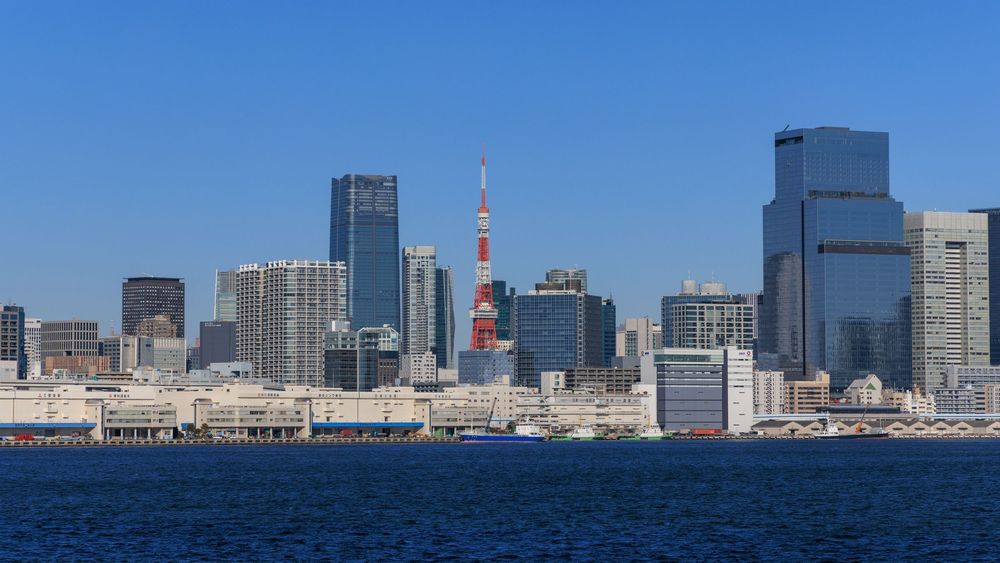
Cover photograph: Tokyo waterfront skyline with Tokyo Tower under a blue sky. Photo by Phil Evenden on Pexels (Pexels).
Frequently Asked Questions
How many nights does this 14-day Japan itinerary need?
It uses 13 nights: 4 in Tokyo, 5 in Kyoto, 2 in Hiroshima and 2 in Osaka. Arrival is on day 1 and departure from Kansai is on day 14.
Are arrival and departure included in the 14 days?
Yes. They are calendar days in Japan, with no essential sightseeing on either. International flight days outside Japan must be added to your holiday allowance separately.
Can I include Nara without changing hotels?
Yes. The route visits Nara from Kyoto and returns to the same room. Keep Todai-ji as the main cultural visit and add travel time around the local sightseeing allowance.
Does the itinerary include Miyajima?
No. The Hiroshima stay protects a full day for the museum, park and reflection. If Miyajima is essential, give it a separate day by removing another full sightseeing day and revising the overnight distribution.
What changes if I fly home from Tokyo?
Replace the final Osaka night with a Tokyo night and use day 13 for the return journey. This removes the full Osaka sightseeing day and puts you in the departure city before your flight.

Keep Exploring
Los Angeles in 3 Days: Coast, Culture and City Views
A practical Los Angeles itinerary with one main area each day, selective Hollywood time, a coastal walking plan and clear alternatives for closures or short flight days.
Oaxaca in 3 Days: A City and Culture Itinerary
A realistic Oaxaca itinerary connecting the historic centre, Monte Albán and living craft traditions, with room for meals and clear alternatives when plans change.
Mexico City in 3 Days: A Neighborhood-Based Itinerary
A practical route through Centro Histórico, Chapultepec, Condesa and Coyoacán, with one main visit each day, flexible meals and clear choices when time runs short.