
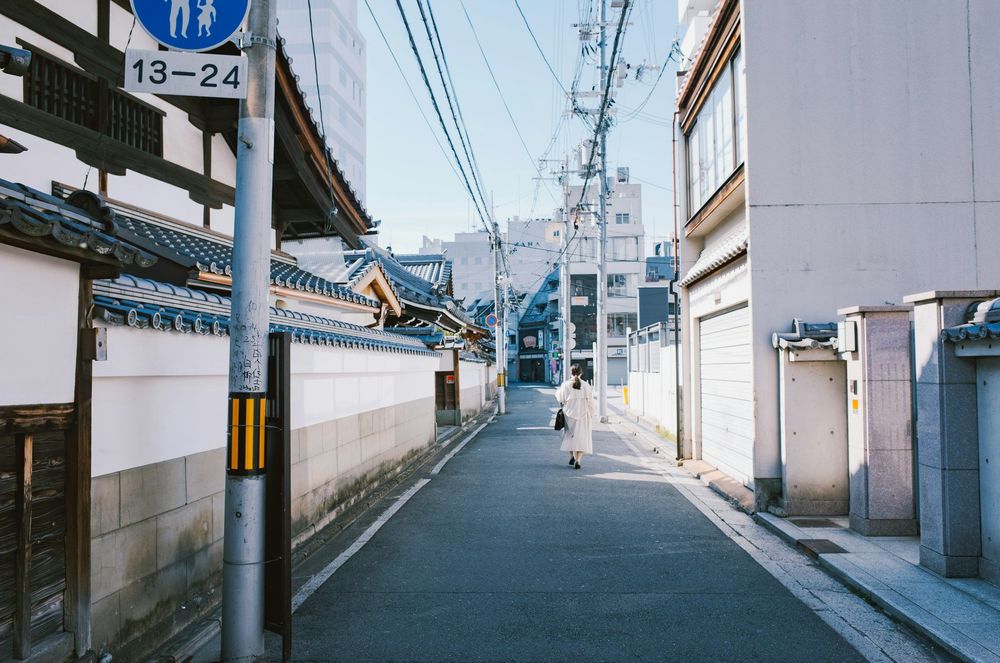
A realistic first Kyoto itinerary with eastern temple streets, a western garden morning and Fushimi Inari, plus clear choices when weather or tiredness changes the plan.
A practical Kyoto itinerary for 3 days gives each major outing its own morning: eastern Higashiyama, western Arashiyama and southern Fushimi Inari. Central shopping, meals and an optional castle visit fill the afternoons. This keeps the famous places in the trip without crossing the city repeatedly to meet an overpacked checklist.
The route assumes three full sightseeing days, with arrival and departure largely outside them. It suits visitors happy to walk, including slopes and steps. If your trip includes only an arrival afternoon and a departure morning, use the shorter-stay adjustment below rather than trying to compress every stop.
| Day | Morning anchor | Afternoon | Where to simplify |
|---|---|---|---|
| 1 | Kiyomizu-dera | Sannenzaka, Ninenzaka, Yasaka area and Gion | Finish after lunch in Higashiyama |
| 2 | Tenryu-ji and Arashiyama | Stay by the river, or return for Nijo-jo | Choose the river or castle, not both |
| 3 | Fushimi Inari | Nishiki Market and central Kyoto | Shorten the shrine walk before adding shopping |
Visitor information was checked on 3 October 2026. All suggested arrival times and time allowances are editorial planning estimates, not transport schedules or guaranteed queue times. Opening information is identified separately.
For help deciding which sights deserve your time, read our Kyoto attractions guide. The itinerary below answers the next question: how to connect a considered selection into days that work.
Before the first morning
Look up each day's first journey from your actual accommodation. Kyoto Station, Shijo subway station and Gion-shijo station are different starting points. A route that works neatly from one may require an extra transfer from another. Our guide to where to stay in Kyoto explains those base choices if you have not booked yet.
Use rail for the longer journeys where it fits, then assess the remaining walk. The city's transport guide links a local route planner and explains the different networks. Check a pass against your chosen operators before buying: the convenience of one ticket does not mean it covers every journey in this itinerary.
Keep luggage at your accommodation or arrange storage before starting. Pack for a walking day and leave room for a proper seated lunch. A booked dinner can be your evening commitment; it does not need to follow another attraction. The gaps in this plan are useful when a temple holds your attention, lunch takes longer or someone needs a rest.
Day 1: Kiyomizu-dera to Gion through Higashiyama
Start with the temple, then descend through the streets
Aim to reach Kiyomizu-dera around 08:00. The temple's access information states a 06:00 opening and seasonal closing times; it puts the walk from Keihan Kiyomizu Gojo at approximately 25 minutes. Include that uphill approach before your planned arrival, rather than treating the station as the entrance.
Choose your approach using the official map, particularly if mobility is a concern. An accessible route into a temple and an accessible route through the surrounding stepped shopping streets are separate questions. If you need to avoid steps, establish both before setting off and substitute a shorter district visit where necessary.
Allow 60–90 minutes for the temple itself. Start with the main hall and take time to understand the buildings in their hillside setting. The grounds guide identifies the main hall and Okuno-in viewpoint. Do not spend the entire allowance waiting for a photograph before looking around the rest of the site.
Afterwards, walk down towards Sannenzaka and Ninenzaka, gradually continuing north towards the Yasaka area. Give this part of the morning roughly 90 minutes, including browsing and a drink. It is a walking sequence with shops and slopes, not a rapid transfer between ticket gates. If you arrive very early, eat breakfast beforehand rather than relying on every shop being open.
Make lunch the decision point
Stop for lunch in Higashiyama. From here, continue towards Yasaka and into Gion if the group still enjoys walking. Keep the afternoon for streets, a café and a deliberately chosen shop or visit. There is no need to add Fushimi Inari: it has its own morning later.
If tiredness has set in, finish the sightseeing after lunch and return for dinner only if convenient. Skipping an afternoon extension preserves energy for tomorrow's western outing. It is a better trade than completing a district walk so late that the next morning starts exhausted.
In Gion, follow signs on lanes and properties and avoid obstructing people. The city's visitor guidance asks visitors not to stop or photograph maiko and geiko without permission. Plan the evening around a meal or an explicitly bookable performance, never an expected encounter in the street.
Day 2: Arashiyama, with an optional castle afternoon
Give the west a complete morning
Travel to Arashiyama after breakfast, aiming for a Tenryu-ji visit around 09:00. The city's Saga and Arashiyama access guide helps you compare the approach from your starting point. Save the arrival station by its full name: JR Saga-Arashiyama and the other Arashiyama stations do not deposit you in the same place.
Build the morning around Tenryu-ji's garden, the bamboo path and the riverside. Allocate 60–90 minutes to the garden and any buildings you choose, followed by 90 minutes for the wider walk and pauses. These allowances leave room to look around; they do not include the train journey from your accommodation.
The official admission page lists 08:30–17:00 opening, with last admission at 16:50. Garden, buildings and Dharma Hall have separate arrangements; buildings may close for ceremonies. Check your intended component before buying rather than assuming every indoor space accompanies the garden ticket.
Keep the bamboo walk proportionate. Walk through, enjoy the setting and continue, rather than waiting indefinitely for the path to empty. Then head towards the river and the Togetsukyo Bridge area for lunch. A garden and a riverside break already make a worthwhile western outing.
Choose a long lunch or Nijo-jo
After lunch, make one of two plans. Stay in Arashiyama for a relaxed riverside afternoon and return later, or leave with enough margin to reach Nijo-jo around 14:00. Do not schedule a lengthy extra western walk and then treat the castle as something that can simply be squeezed in before closing.
For the castle version, allow 45–60 minutes for the transfer as a planning buffer, including station walks and waiting. From Saga-Arashiyama, compare a JR journey towards Nijo and the remaining approach with your other route options. Use the castle's official access page to check the entrance and onward connection. This is not a quoted train running time.
Allow 90–120 minutes at the castle. Its opening calendar distinguishes last castle admission at 16:00 from closing at 17:00. Palace closures vary, and Honmaru-goten requires advance reservations. Check the palace you want before committing this afternoon; arriving within grounds hours does not guarantee palace access.
If the intended palace is closed, keep the Arashiyama afternoon or move the castle to another day. If Honmaru-goten is essential, anchor the day around the available reservation and shorten the western outing accordingly. The default plan does not depend on obtaining that reservation.
Day 3: Fushimi Inari, then a central afternoon
Decide on the walking distance before climbing
Aim for Fushimi Inari around 08:00, allowing more time if you intend a substantial mountain walk. The shrine's access page places it beside JR Inari on the Nara Line; Keihan Fushimi-inari is another arrival option. Check that your chosen train stops at the correct station rather than boarding solely by direction.
A shorter visit can focus on the main precinct, the lower torii paths and a return at a comfortable point. Allow 60–90 minutes. For a longer mountain outing, protect 2–3 hours, adjusted for your pace and route. The official map distinguishes the lower shrine features from the mountain sites; use it to choose a turnaround rather than assuming the summit is necessary.
The lower visit still involves walking and can involve steps. For reduced mobility, assess the exact route rather than applying a general “easy” label to the whole shrine. For everyone, include the descent and a break in the decision to continue. A mountain outing deserves the morning, not the leftover energy from another district.
Return towards Nishiki for lunch and browsing
After the shrine, return towards central Kyoto. Compare Keihan towards Gion-shijo and a walk west with returning through Kyoto Station, according to where you want to eat or rest. Allow 45–60 minutes for this relocation as an editorial buffer, not a fixed journey time.
Visit Nishiki in the late morning or early afternoon, leaving 45–90 minutes for browsing. The market association's FAQ explains that individual businesses set opening hours and closing days. Eat at the shop's designated place rather than walking with food. If a particular seller matters, confirm its hours directly before arranging the day around it.
A seated lunch nearby is useful even if you have already bought snacks: this is the easiest afternoon to slow down. Continue with central shops, tea or a return to a place you particularly liked. Avoid filling the remaining space with a distant attraction simply because it appears absent from the itinerary.
If you chose the longer mountain route, expect a later lunch and shorten the shopping. If you have an evening train, collect luggage with a separate departure buffer instead of treating the final sightseeing allowance as free time right up to departure.
Adjust the route without rebuilding the trip
For persistent rain, prioritise a confirmed palace interior at Nijo-jo and central shopping over a long exposed walk. Neither the castle grounds nor the journey through the city becomes fully indoors. Move the western or mountain morning to the better forecast day, subject to the opening checks above.
For heat or limited stamina, keep the early anchors, lengthen lunch and remove an afternoon extension. At Arashiyama, retain the garden and lunch while dropping the castle. In Higashiyama, stop after the temple streets. At Fushimi Inari, choose the shorter walk. These changes reduce effort without spending the saved time on extra transport.
For a shortened stay, use your arrival afternoon for central Kyoto, the next full day for Higashiyama and the final morning for Fushimi Inari if departure timing permits. Drop Arashiyama unless western landscapes are your priority; in that case, substitute it for Higashiyama. Three calendar dates do not necessarily provide three full visiting days.
For peak visitor periods, protect the same geographical structure but leave more space between commitments. An early start cannot guarantee empty paths. A satisfying first visit depends more on keeping time for the places you chose than on adding every famous temple.
Plan the next part of your trip
Use these related guides to compare where to stay, what to visit or another destination in the same region. Each guide covers a separate decision; this is not a combined itinerary.
Cover photograph: A person walking along a quiet street with tiled walls in Kyoto. Photo by PJH on Unsplash (Unsplash).
Frequently Asked Questions
Are three full days enough for a first visit to Kyoto?
They allow a varied introduction to eastern temple streets, Arashiyama, Fushimi Inari and the centre. They do not cover every district. Keep optional afternoon stops conditional on energy and opening arrangements.
Should I combine Arashiyama and Fushimi Inari in one day?
This itinerary separates them because they lie in different parts of Kyoto and both involve walking. Giving each a morning leaves more time on site and makes weather or pace adjustments easier.
Do I need to reach the summit at Fushimi Inari?
No. A shorter visit to the shrine and lower paths is a valid choice. Pick a turnaround that leaves comfortable time and energy for the descent and the rest of your day.
What should I remove if I only have two full days?
Keep Higashiyama and Fushimi Inari with central Kyoto, and remove Arashiyama. If gardens and the western landscape are your main interest, substitute Arashiyama for the eastern day instead of adding it to an already full schedule.

Keep Exploring
Melbourne in 3 Days: A First-Visit Itinerary
A manageable first Melbourne visit: three urban days, practical neighbourhood sequences, market-day adjustments and clear choices about what to leave out.
Buenos Aires in 3 Days: A First-Visit Itinerary
A manageable first visit: downtown architecture, a southern day around San Telmo, then Recoleta and Palermo, with practical swaps for Tuesdays, Sundays and rain.
New York in 3 Days: A First-Visit Itinerary
A realistic first New York visit: Midtown landmarks, Lower Manhattan and Brooklyn, then the Met and Central Park, with clear swaps for unavailable tickets.