
Compare Tokyo's seasons by the trip you want: comfortable walks, uncertain blossom windows, summer evenings or winter culture. Turn your choice into a workable plan.
The best time to visit Tokyo for a first trip built around walking is usually May after Golden Week, or mid-October through November. Choose late March or early April instead if cherry blossoms are the reason for travelling, while accepting that no flight booking can guarantee their timing. Winter suits a trip weighted toward museums, food and shopping; summer needs a different daily rhythm.
The useful distinction is between choosing pleasant conditions and chasing a seasonal sight. October can be a good walking choice without delivering the autumn leaves you imagined. A blossom-focused visit can be rewarding but less predictable than one built around galleries and neighbourhoods.
Choose your season at a glance
| Travel window | Strongest reason to choose it | Main compromise | Change to your plan |
|---|---|---|---|
| Late March–April | Chance of cherry blossoms and spring walks | Flowering varies; popular viewing places attract crowds | Keep the blossom outing movable |
| May after Golden Week | A balanced choice for outdoor sightseeing | Warm or rainy days remain possible | Compare dates after the holiday period |
| June | Indoor culture with shorter outdoor outings | Rainy-season planning and humidity | Pair each walk with an indoor option nearby |
| July–August | Summer evening events | Heat and humidity make long walks demanding | Protect a substantial indoor midday break |
| September | A trip that can remain flexible | Early autumn can still feel like summer; storms can disrupt plans | Avoid depending on a single outdoor booking |
| Mid-October–November | Walking, gardens and possible autumn colour | Colour timing varies by place; evenings turn cooler | Choose later dates if foliage matters most |
| December–February | Museums, meals and winter city evenings | Cold, shorter outdoor hours and year-end closures | Visit daylight-dependent sights first |
These windows describe a planning preference, not a weather forecast or a guarantee of prices. Once your dates are fixed, the Tokyo neighbourhood itinerary provides the geographical structure; use this guide to decide which parts need flexibility.
Spring: decide whether blossoms are essential
GO TOKYO's spring guide places the usual cherry-blossom window in late March to early April and notes variable spring weather. Treat that as an approximate season, not a reliable appointment with full bloom.
If seeing blossoms is your main objective, keep a garden or riverside outing free to move between days. A fixed restaurant booking is easier to accommodate in the evening than a schedule that assigns every daylight block to a prepaid attraction. Check local flowering updates close to the trip, then choose a site based on what is actually happening.
Chidori-ga-fuchi is a natural candidate for a blossom-focused outing, while Ueno works well when you also want a museum day. The choice is partly about the rest of the day: travelling across Tokyo to inspect another line of trees has a cost in time, even if the visit itself is short. Do not assume every viewing site will peak together, or that arriving before the flowers means a later bloom is guaranteed during your stay.
If blossoms would only be a bonus, there is less reason to build the trip around their brief window. A later spring visit can centre on Asakusa, the Meiji Jingu approach and ordinary neighbourhood exploring. You still need layers and a wet-weather alternative; “spring” does not mean uniformly warm, dry days.
Choose accommodation you would enjoy even if flowering is early or late. A room booked solely to overlook blossoms leaves the value of the stay dependent on a natural event. Likewise, check cancellation conditions before paying extra for a date selected from an early forecast.
May: distinguish Golden Week from the rest of the month
The national tourism organisation's May guidance identifies late April and early May as Golden Week, a busy travel period, and recommends the calmer second half of May. That makes the holiday boundary more useful than a blanket recommendation for “May”.
For a flexible first visit, compare suitable flights and rooms after Golden Week. This is an editorial preference for a balanced trip, not a promise that every hotel or attraction will be quieter. Check the holiday calendar for your travel year, including the surrounding weekends, before choosing dates.
If the holiday is your only opportunity, the practical response is to secure the essentials and reduce unnecessary moves. A Tokyo stay centred on a few neighbourhoods has different booking needs from a trip that also relies on intercity trains and several hotel changes. Reserve the parts that matter, then leave ordinary browsing flexible.
Do not reject a workable holiday trip merely because another week looks better on a seasonal chart. Compare what is genuinely available: the right room, acceptable flight times and the activities you want. An unavailable ideal week is less useful than a realistic plan for the dates you have.
June: organise around rain without surrendering the trip
GO TOKYO's June guide describes the arrival of the rainy season and humid conditions. It does not mean that every day will be continuously wet. Plan for changing conditions rather than treating a monthly label as an hourly forecast.
Ueno is a useful choice for a culture-led day because you can make a museum the main visit and shorten the park walk. In central Tokyo, an outdoor garden and time browsing Ginza need not have equal status: keep the garden optional if prolonged rain would make it unenjoyable.
Check the Tokyo National Museum visitor calendar before relying on it as your backup. Regular Monday closures have holiday exceptions; partial gallery closures and special dates also matter. A closed museum is not a rain plan simply because it appears nearby on the map.
Carry rain protection that leaves your hands and belongings manageable, and choose footwear you are comfortable using on wet pavements. Avoid an itinerary that repeatedly sends you back to the hotel for different equipment. A shorter outdoor visit between indoor activities often works better than keeping a long walking route unchanged.
Summer: protect the middle of the day
Tokyo's official summer guide highlights heat, humidity and summer events, recommending outdoor activity earlier or later in the day. Choose this season when its atmosphere appeals or your holiday dates require it, then adjust the amount of sightseeing you expect to do on foot.
An early shrine visit followed by indoor browsing is more adaptable than a continuous walk from Harajuku through Omotesando to Shibuya. In the east, keep an Asakusa outing compact rather than automatically adding a long riverside walk. Use transport when it saves outdoor exposure, even if the connection looks walkable.
As an editorial planning allowance, reserve 2–3 hours around midday for a museum, a proper meal or rest at your accommodation. That is a scheduling suggestion, not a medically defined safe interval. It should replace part of the walking programme rather than becoming an extra task squeezed into it.
If a festival or fireworks display is essential, verify its current organiser announcement before setting the travel dates. Check the location, access arrangements and cancellation policy for weather. A general seasonal listing cannot establish that a future edition will run on the same day or offer the same viewing arrangements.
For families or anyone who finds heat tiring, proximity to a useful station and an easy hotel return can matter more than adding another landmark. Plan a lighter afternoon before an evening event so that attending it does not depend on everyone still having energy after a full outdoor day.
Autumn: choose walking weather or foliage timing
GO TOKYO's autumn guide distinguishes lingering September heat from milder conditions by mid-October. Its Rikugien foliage guidance points later, to late November and early December. Comfortable walking dates and the most promising colour window are therefore different decisions.
For a general first visit, mid-October is a reasonable editorial choice even if trees remain green. You can prioritise outdoor neighbourhood visits without making leaf colour the measure of the trip. For a foliage-led visit, consider later dates and keep the garden day movable according to current reports.
Compare Rikugien with Koishikawa Korakuen by the rest of your plans, rather than trying to see both because they appear on the same autumn list. An unhurried visit to one garden is more useful than rushing between several whose current colour you have not checked. Meiji Jingu Gaien's ginkgo avenue offers a different setting from an enclosed traditional garden; it is not the same place as Meiji Jingu shrine.
Pack a layer for the evening even when the daytime plan is comfortable. Leave indoor shopping or dinner until after the daylight-dependent visit. If you are travelling in September, retain the summer pacing option until the actual forecast justifies a longer walk.
Winter: use the daylight, then enjoy the city indoors
GO TOKYO's winter guidance describes cold conditions, generally limited rain and occasional snow. Clearer conditions can favour city views, but neither a distant mountain view nor snowfall should be treated as part of a guaranteed itinerary.
Opening hours give the daylight issue a concrete consequence. Meiji Jingu's official schedule lists a 16:00 closing time in December, compared with 18:30 in June; facilities inside may close earlier. Saving the shrine until after a long shopping afternoon can therefore remove the visit altogether.
Put the shrine or garden first, then continue to indoor culture, shops and a meal. Dress for the time spent outside between those stops, including waiting and station approaches. A trip dominated by museums and food can suit winter well without needing the same outdoor endurance as a garden-heavy itinerary.
Around New Year, check each essential venue and restaurant individually. Do not transfer a normal weekday timetable onto the holiday period or assume a whole district follows one closure pattern. Confirm your chosen museum galleries as well as the building's opening status. If the trip revolves around a particular collection, its calendar should help determine your dates.
Turn a seasonal choice into reservations
Compare the total cost of a suitable stay for your shortlisted dates; this guide does not identify a universally cheapest month. Keep room type, occupancy and cancellation terms consistent. An attractive nightly price is less helpful if its location adds difficult returns during rain or summer heat. Use the Tokyo accommodation-area guide to compare that daily tradeoff.
Before departure, replace seasonal expectations with forecasts. The Japan Meteorological Agency's forecasting service explains its forecasts, warnings and advisories. During disruptive weather, check official transport and attraction notices as well; an indoor destination still requires a workable journey to reach it.
Keep one substantial outdoor block movable, and identify the indoor alternative before you need it. Then book the experiences that truly require fixed times. The result should work even if the flowers, leaves or clear skies arrive on a different schedule from yours.
Plan the next part of your trip
Use these related guides to compare where to stay, what to visit or another destination in the same region. Each guide covers a separate decision; this is not a combined itinerary.
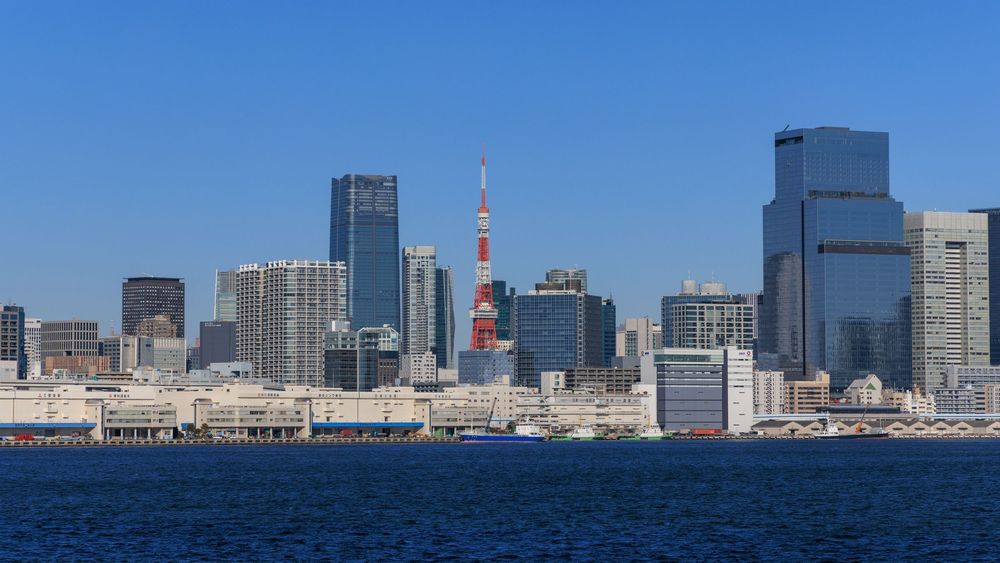
Cover photograph: Tokyo waterfront skyline with Tokyo Tower under a blue sky. Photo by Phil Evenden on Pexels (Pexels).
Frequently Asked Questions
What is the best time to visit Tokyo for a first trip?
May after Golden Week and mid-October through November are strong choices for a trip with plenty of walking. Choose between them using available flights, suitable accommodation and whether spring or autumn scenery matters to you.
Can I guarantee cherry blossoms by booking early April?
No. Flowering changes with the year and location. Keep a viewing outing flexible, check current local reports and include activities you would enjoy even without blossoms.
Is June a bad month to visit Tokyo?
June can work well for museums, food and shopping with shorter outdoor visits. Rain and humidity require flexibility, and indoor backup venues need their own opening-calendar checks.
Should I avoid Tokyo in summer?
Summer is workable if you accept a slower outdoor pace, substantial indoor breaks and fewer long walks. Check current event details if festivals are your main reason to travel.
Is winter suitable for a Tokyo city break?
Yes, especially for indoor culture, meals and shopping. Put shrines and gardens early in the day, prepare for cold conditions and check individual year-end and New Year opening arrangements.

Keep Exploring
When to Visit Sydney: Seasons and Trip Planning
Compare Sydney's seasons for a beach holiday or city break, then check daylight, school holidays and major events before choosing your dates.
Best Time to Visit Kyoto: Seasons and Tradeoffs
Compare Kyoto's seasons by walking comfort, crowds and seasonal scenery. Plan around uncertain blossom dates, summer heat and shorter winter days.

When to Visit Los Angeles: Seasons and Trip Plans
Match Los Angeles to your trip: coastal mornings, inland sightseeing, shorter winter days and event calendars need different seasonal decisions.