
Best Time to Visit Kyoto: Seasons and Tradeoffs
Compare Kyoto's seasons by walking comfort, crowds and seasonal scenery. Plan around uncertain blossom dates, summer heat and shorter winter days.
For a first Kyoto trip built around walking, gardens and neighbourhoods, start by comparing May after Golden Week with October. These are editorial choices for a balanced visit, not promises of empty streets or perfect weather. Choose late March to early April specifically for cherry blossoms, or mid-November to early December for autumn colour, accepting that nature will not follow your booking confirmation.
The best time to visit Kyoto depends on what would disappoint you more: missing the seasonal display, walking in uncomfortable weather, or sharing famous places with many other visitors. Decide that before searching for a particular week.
| Period | Strongest reason to choose it | Main compromise | Useful adjustment |
|---|---|---|---|
| March to early April | A trip centred on spring flowers | Cold spells; uncertain cherry timing and busy viewing spots | Keep a garden or cultural visit that works without blossoms |
| Later April and May | Walking and green gardens | Golden Week interrupts the idea of a quiet spring | Compare dates after the holiday period |
| June to mid-July | Green landscapes with a flexible cultural programme | Rain and humidity | Pair a short outdoor outing with a confirmed indoor exhibition |
| Later July to September | Summer traditions or fixed holiday dates | Heat, humidity and possible heavy showers | Reduce outdoor ambition and protect a long midday break |
| October to early November | Walking before the main foliage window | Red leaves may not yet be the attraction | Choose architecture and gardens for their overall setting |
| Mid-November to early December | Autumn colours | Popular places can be very busy; timing varies | Select a single seasonal outing rather than crossing the city chasing colour |
| Later December to February | A visit focused on culture and a slower pace | Cold, shorter daylight and holiday closures | Put outdoor priorities earlier and confirm indoor openings |
Information checked on 8 October 2026. Seasonal windows describe usual patterns, not a forecast for a particular year. Suggested time allowances below are editorial planning estimates, excluding travel and queues.
May or October: the easiest starting comparison
If blossoms and red maples would be a bonus rather than the purpose of the journey, avoid making the entire trip depend on them. May after the holiday rush and October are sensible starting points for spending substantial time outside while retaining a broad choice of experiences.
The exception in spring is Golden Week. Japan's national tourism organisation identifies late April to early May as a major travel period, with busy transport and accommodation. A room advertised for “May” says little about the difference between a holiday weekend and a later weekday. Compare the exact dates and cancellation conditions.
May suits a visitor happy with green gardens instead of cherry blossom photographs. October suits someone who wants autumn walking conditions without making red foliage the test of success. Neither month removes rain or local event crowds. Look at your intended outdoor activities, then choose the period whose compromise you accept more readily.
For example, a traveller interested in temple architecture can enjoy a visit without a particular leaf colour. A photographer hoping for a specific seasonal scene has a different requirement and should allow more flexibility. Do not pay for a peak-season stay simply because another traveller's priorities made it their favourite time.
Cherry blossoms: choose the season without betting on one day
Kyoto's tourist information centre identifies late March to early April as the usual busy cherry-blossom period. It also identifies mid-November to early December for autumn foliage and mid-July for festival crowds. These are broad visitor patterns, not dates when every tree will look the same.
A cherry-blossom trip needs a plan that remains worthwhile before or after peak bloom. The city's guide to cherry varieties explains that different varieties flower at different times; Hirano Shrine offers a mix of varieties with a broader flowering season. That gives you possibilities to investigate, not a guaranteed rescue if your original viewing spot has finished.
Leave the choice of your main blossom outing flexible within the stay. Check reports dated for your travel year and recent conditions at the actual site. A calendar from a previous spring can show the range of places to consider, but cannot tell you what will be flowering on arrival. Avoid reserving several tightly timed activities on the day you want the freedom to respond to conditions.
If the flowers are early, late or damaged by weather, keep the architectural or garden visit you genuinely wanted and shorten the part devoted only to blossom viewing. A temple plus a proper lunch is a more satisfying fallback than spending the day in transit between unconfirmed reports. Do not damage branches or step into planted areas to manufacture the photograph the season did not provide.
Autumn colour: distinguish October from late autumn
October and the main leaf-viewing season are different choices. An October booking can be attractive for walking without delivering the red-and-gold scene in a November photograph. For foliage as the main purpose, compare the usual later window, then keep checking local conditions as the trip approaches.
Treat each landscape separately. A temple garden, a riverside walk and a mountain setting need not reach their best colour together. Choose the location where the whole visit appeals to you, not only the one attracting the latest photograph. If a garden is still largely green, its design and architecture can remain worth seeing; if colour is your sole motivation, decide whether a confirmed alternative justifies the extra journey.
Night illuminations also require their own decision. Verify the current event dates, admission arrangements and return route before booking dinner around one. An evening event does not automatically extend an ordinary daytime ticket. Nor does it restore daylight for a countryside walk: leave that part of the visit earlier.
For a seasonal garden visit, protect 90–120 minutes on site as an editorial allowance, with extra time for travel and any entrance queue. Keep the next commitment loose. The point is to watch the light and enjoy the setting, not to complete a circuit of widely separated “best” locations.
June and summer: change the shape of the day
The official seasonal overview places the usual rainy season from early June to mid-July and notes that summer heat can persist into September. These are planning patterns, not a prediction that every day will be wet or that September will feel cool.
For June, the useful question is how much flexibility you have. A short garden outing can fit a lighter spell of rain; a long exposed walk with a fixed return deadline is harder to adjust. Bring footwear you can comfortably walk in when paths are wet and a way to protect essentials. If conditions deteriorate, substitute an indoor visit instead of trying to recover every outdoor stop later.
The Kyoto National Museum can be a good cultural alternative, but confirm that its galleries will actually be open. Its hours and admission page distinguishes exhibition periods from garden-only opening, when the galleries are closed. Choose the exhibition first, then allow 90–120 minutes as an editorial estimate. “Museum open” is not sufficient evidence for a rainy-day plan.
In the hottest months, build around a shorter morning outdoors, a seated lunch and a substantial indoor or accommodation break. Do not turn the freed afternoon into additional journeys. If the available time is limited, remove an outing rather than compressing the same walking distance into fewer hours.
July makes sense when summer traditions are a reason to travel, but festival crowds and heat are part of that choice. Check the actual programme for the year and event you want. A festival evening can be the day's main activity; it need not follow a full sightseeing day. Travellers with little tolerance for heat should compare a different season if their dates are flexible.
Winter: plan for daylight, warmth and actual openings
Winter works well when you want cultural visits, meals and a more deliberate pace, and are comfortable shortening time outdoors. The city's weather guidance describes cold winters and uncommon lasting snow. Snow-covered temple photographs are a possibility, not a sound reason to book a particular week.
Put the outdoor visit you most care about before lunch or early in the afternoon. Shorter daylight means a late start leaves less room for a garden, its approach and the return. Check closing and last-entry times separately; sunset does not determine when a temple admits visitors. A winter evening is better planned around a confirmed meal or indoor activity than an unfinished outdoor route.
Allow 60–90 minutes for a focused outdoor visit as an editorial starting point, then include somewhere to warm up. If the group is cold, finish earlier instead of adding another exposed stop. Layers that are easy to remove help when moving between streets, transport and indoor spaces.
Around New Year, confirm each essential business or attraction directly. Do not assume that a generally quieter season means quiet shrines during celebrations or that shops and museums follow their usual calendar. Book winter because this rhythm suits you, not because it supposedly guarantees low prices or solitude.
Find quieter time without chasing a secret Kyoto
Changing the season often helps more than seeking an obscure substitute for a famous place. For a calmer style of visit, compare later May or winter outside holiday and event dates, then reduce the number of peak attractions in the same day. None of these choices guarantees low attendance at a particular entrance.
Ohara is a useful different kind of outing if rural scenery and temples interest you. The official Ohara area guide describes its mountain setting and historic temples. Choose it instead of another cross-city sightseeing day, allowing a generous half-day plus the actual outward and return journeys. It is not an automatic crowd-free alternative during foliage season, and travelling farther is a poor bargain if you wanted only a quick photograph.
Within the city, create quieter intervals by sitting down for lunch, spending longer in a chosen garden or returning to your room between outings. You do not have to find an undiscovered neighbourhood to stop competing for the same photograph. An early visit may help with a popular place, but check that the part you want is open and do not assume nearby cafés will be serving breakfast.
Busy seasons make courtesy more consequential. Follow the city's visitor guidance: keep routes clear, respect photography restrictions and do not stop maiko or geiko for pictures. Private lanes and homes do not become alternative tourist routes when the main street is crowded.
Turn the season into a trip that works
Choose the seasonal compromise first, then check accommodation for your exact dates. Our Kyoto neighbourhood guide helps you choose a base; it answers a different question from when to travel.
Next, select the places you actually want using the Kyoto attractions guide. Once those choices are clear, adapt the Kyoto itinerary for 3 days to heat, rain or shorter daylight. Keep one flexible block for seasonal conditions instead of filling every gap with a reservation.
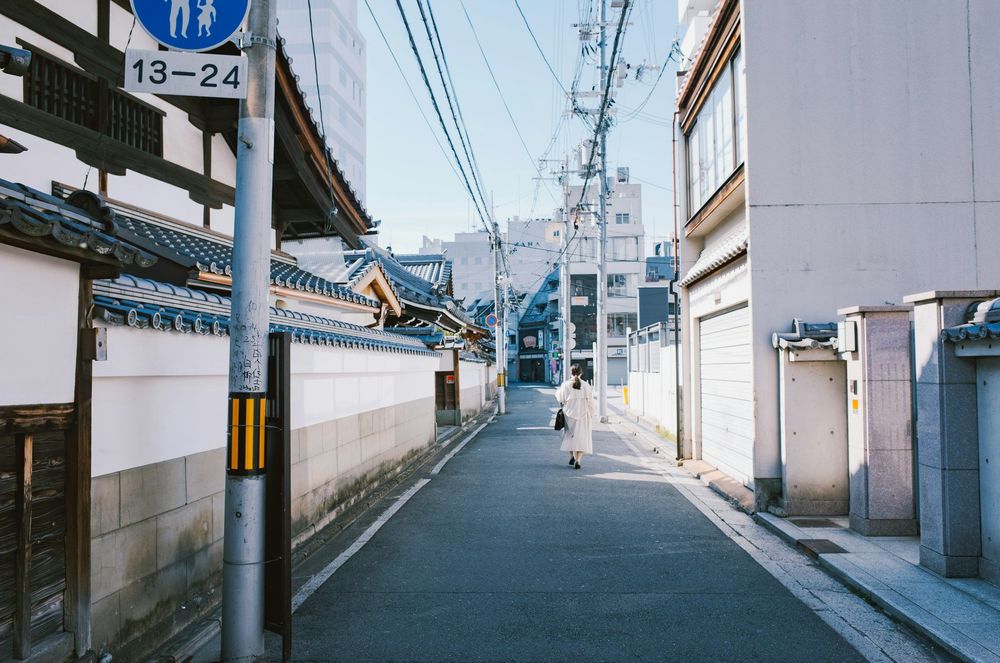
Cover photograph: A person walking along a quiet street with tiled walls in Kyoto. Photo by PJH on Unsplash
Frequently Asked Questions
What is the best month for a first visit to Kyoto?
Compare May after Golden Week with October if walking comfort matters more than a particular blossom or foliage display. Choose the main seasonal viewing windows if those displays are the reason for your trip, accepting crowds and uncertain timing.
Can I guarantee cherry blossoms by booking early April?
No. It falls within a usual popular viewing period, but weather, variety and location affect flowering. Keep the viewing day flexible and retain visits you would enjoy without blossoms.
Is October a reliable month for red autumn leaves?
Do not rely on it for that purpose. The usual busy foliage window is later, from mid-November to early December. Check conditions at individual sites rather than assuming the whole city changes at once.
Is Kyoto worth visiting during rain or winter?
Yes, if you adapt the trip: shorter outdoor visits, confirmed indoor exhibitions and proper breaks. Check museum galleries rather than only grounds opening, and reserve winter daylight for your outdoor priorities.

Keep Exploring
Best Time to Visit Oaxaca: Weather and Festivals
Choose Oaxaca dates around comfortable sightseeing or a specific celebration. Compare the seasons, festival commitments and alternatives for rainy days.

When to Visit Los Angeles: Seasons and Trip Plans
Match Los Angeles to your trip: coastal mornings, inland sightseeing, shorter winter days and event calendars need different seasonal decisions.
When to Visit Buenos Aires: Seasons and City Life
Compare spring, autumn, summer and winter for a Buenos Aires city break, including realistic jacaranda expectations and how to plan around cultural events.