
Where to Stay in Tokyo: Choosing Your Neighborhood
Find your Tokyo base by comparing the evenings you want, the station entrance you will use and the room you actually need, with airport connections as a final check.
Where to stay in Tokyo depends less on finding the city's center than on deciding where you want to end your day. Shinjuku suits a trip built around evening entertainment; Shibuya favors western Tokyo shopping and street life. Ueno makes more sense for museum days, while Ginza and Tokyo Station reward different kinds of central convenience.
Start with your evening plans and essential room requirements, then compare actual hotel addresses. A good neighborhood cannot compensate for the wrong bed arrangement, and a nearby station entrance is useful only if it serves the route you need.
Official destination and operator information checked on 3 October 2026. Recommendations are editorial comparisons, not firsthand hotel reviews. Room prices and availability require a quote for your dates.
Choose your base at a glance
| Base | Strongest reason to stay | Main compromise | Check the address for |
|---|---|---|---|
| Shinjuku | Dining, entertainment and a major western transport hub | A large station and very different surroundings across the district | West, south or east side; nearest useful line |
| Shibuya | Fashion, shopping and evenings in western Tokyo | Busy streets around the crossing; station navigation | Actual route from your platform to reception |
| Ginza | Shopping, restaurants and central subway connections | The district name covers several different station catchments | Ginza, Higashi-Ginza or Yurakucho access |
| Tokyo Station | Onward rail travel and a central base | Station size; not the strongest match for repeated western nights out | Marunouchi or Yaesu side |
| Ueno | Museums, park visits and a useful Narita connection | Less convenient if most evenings are in Shibuya | JR Ueno versus Keisei-Ueno; park versus market side |
| Asakusa | Senso-ji, traditional shopping streets and the Sumida River | Eastern location when your plans favor western districts | Exact station, line and walking route |
These are choices between bases, not a ranking of hotel quality or neighborhood safety. The same district can contain a room beside a busy road and another facing an internal courtyard.
Start with the evenings, then the room
Mark the places where you expect to have dinner or stay out, alongside any fixed commitments. If these repeatedly cluster in Shinjuku or Shibuya, staying in western Tokyo avoids making the return journey the final task of every evening. If your priorities are Ueno's museums and Asakusa's streets, the northeast deserves equal consideration.
For a mixed first visit, shortlist a western base and a central or northeastern alternative. Compare the complete stay price for rooms that meet the same requirements. Do not compare a compact double without breakfast against a larger twin with breakfast and conclude that one district is cheaper.
Room size, bed width and occupancy come before skyline views. For families, check the child's age in the booking conditions, whether a separate bed is included and whether the advertised capacity assumes bed sharing. For friends, confirm separate beds. For a longer stay, decide whether laundry and usable luggage space matter more than being beside a landmark.
Shinjuku: pick the side that matches your nights
Shinjuku is a strong candidate if you want restaurants and evening entertainment close to your accommodation. GO TOKYO's district guide distinguishes the skyscrapers of Nishi-Shinjuku to the west, shopping and entertainment to the east, and the bus terminal and shopping complexes to the south.
Those distinctions matter more than a generic “Shinjuku hotel” label. A west-side address near the office towers gives a different return walk from a room in Kabukicho. A south-side hotel can be useful if your planned departure uses the expressway bus terminal. Choose the actual surroundings you want, then check the walking route to the appropriate station entrance.
The compromise is scale. An accommodation listing may emphasize Shinjuku while another station is more useful for daily journeys. Shinjuku-sanchome, for example, has its own subway connections; it is not simply another name for the JR platforms. Map your usual journey from the hotel's recommended entrance.
For light sleepers, ask about street-facing rooms and sound insulation rather than assuming every west-side room is quiet. For late evenings, proximity to the venues you actually plan to use is more valuable than proximity to a station you will not be using on the way home.
Shibuya: choose it for the western part of your trip
Shibuya works especially well when browsing, shopping and evenings around Shibuya itself are recurring plans. The official area guide identifies the district's fashion and cultural focus, with places such as Shibuya Parco and the Jinnan shopping area. Harajuku, Omotesando and Daikanyama are neighboring areas worth considering when you map your interests.
Staying here lets you return purchases to the room or rest before going out locally. That advantage becomes weaker if you only intend to see the crossing once and spend the rest of the trip in eastern Tokyo. Choose Shibuya for repeated use, not because its most recognizable image appears on every travel page.
Inspect the hotel's access instructions carefully. A room advertised near Shibuya Station may involve a different exit or street approach from the one your airport or subway journey uses. Travelers with heavy luggage should compare that final approach, including lifts and gradients, before choosing between otherwise similar properties.
There is no need to stay directly beside the crossing to enjoy it. Conversely, moving farther away only helps if the room and walk improve enough to justify the distance.
Ginza: a central base with several possible stations
Choose Ginza if department stores, browsing and restaurant evenings form a substantial part of your visit. Its shopping identity does not require a luxury shopping budget: location can be the reason to stay. GO TOKYO's Ginza guide lists Ginza, Ginza-Itchome and Higashi-Ginza stations, as well as access from JR Yurakucho.
Compare properties by those stations, not by the word Ginza alone. A hotel convenient for Higashi-Ginza is a different transport proposition from one beside Yurakucho. Check the routes to your repeated destinations before deciding which address is more central for you.
Ginza is also a reasonable shortlist for a trip combining Tsukiji and central shopping. It is less persuasive if your evening reservations repeatedly take you west. You can visit the shops without sleeping nearby, so ask whether a daytime stop or a daily base actually serves your plans.
Do not infer room size or service level from the district's reputation. Check the precise room category, window description and total price, just as you would in Ueno or Shinjuku.
Tokyo Station: prioritize the next train, not just the map
Tokyo Station is especially useful when your stay connects to onward rail travel. The official Tokyo Station and Marunouchi guide places Marunouchi on the western side toward the Imperial Palace and Yaesu to the east, with shopping and dining inside and around the station.
Choose the side that serves your hotel and departure. Do not assume a station-adjacent address means a short journey to every platform. Before an early departure, identify the correct entrance and route to the train you have booked; arriving at the wrong side with luggage can erase the benefit of staying close.
This base makes sense for travelers who value a straightforward departure more than being near western nightlife. It also suits a central sightseeing mix. It is a weaker choice if the only reason is that “Tokyo” sounds like the natural center of every visit.
Compare an extra night here against the work of changing hotels. For a short continuous Tokyo stay, keeping one suitable base usually avoids packing, luggage storage and another check-in. A different base can be more useful when you return to Tokyo after traveling elsewhere.
Ueno: museums and a practical northeastern base
Ueno deserves consideration when museums are a major interest, not merely a rainy-day backup. The official Ueno guide places the park and its museums beside the transport hub, while Ameyoko follows the railway toward Okachimachi. These give you distinct surroundings to compare within the same wider area.
A park-oriented address suits repeated cultural visits; an address closer to Ameyoko may better match shopping and eating plans. Neither description guarantees a silent room. Check the actual frontage, nearby railway and access route rather than assuming that proximity to a park removes urban noise.
Ueno is also worth shortlisting when arriving at Narita because the Skyliner serves Keisei-Ueno. That advantage depends on your accommodation's location: Keisei-Ueno and JR Ueno are separate stations, so use the right arrival point when checking the final walk.
The main tradeoff is the geography of the rest of your trip. Ueno remains a workable city base, but repeated late evenings in Shibuya weaken the case. Compare it with Asakusa if you want to stay in the northeast: Ueno emphasizes museums and rail access, while Asakusa emphasizes the temple district and riverside setting.
Asakusa: stay for the neighborhood itself
Asakusa suits travelers who want Senso-ji and the surrounding shopping streets to be part of everyday life during the trip. GO TOKYO's Asakusa guide centers the area on the temple, Kaminarimon, Nakamise and the Sumida River. Staying nearby makes a short local walk possible without planning another cross-city outing.
Choose it because that setting appeals, not on the assumption that all accommodation here is traditional or inexpensive. Verify whether a room actually has tatami and futons if that is what you want, and whether sleeping and getting up from floor level suits everyone in your party. Check private bathroom arrangements separately.
Asakusa has subway and Tobu connections, but it is not a JR Yamanote Line station. That does not make it isolated; it means your transport choices differ from Ueno's. Check the exact station and line in the hotel's directions rather than relying on a neighborhood pin.
The compromise is an eastern base for any western plans. If Asakusa is only a single sightseeing stop and your evenings are elsewhere, visiting it may be more useful than sleeping there.
Use airport access as the deciding factor between equals
For Narita, JR East's Narita Express route information shows services to Tokyo, Shinagawa, Shibuya and Shinjuku. Keisei's Skyliner information describes the Narita connection to Nippori and Ueno. These can settle a close choice between bases, but check your specific service and its destination before booking.
For Haneda, use Keikyu's airport access planner with your terminal, travel date and destination. Airport proximity on a city map is less useful than a route that works at your arrival time. Allow for immigration, baggage and reaching the railway; a flight landing time is not a train departure time.
For very late arrivals or early departures, check the first or last usable connection and reception hours before committing to the hotel. An airport-area night may solve a genuine timing problem, but need not dictate the rest of your Tokyo stay.
Make the final booking comparison
Put the shortlisted rooms side by side using the same dates, guest ages, bed arrangement and cancellation conditions. Confirm whether breakfast, taxes and any extra-bed charge are included in the displayed total. A lower nightly headline can conceal a different product.
Then check the daily details: where your suitcases will go, whether laundry is available, when you can leave bags and how late reception handles arrivals. If step-free access matters, verify the station-to-hotel route and the room and bathroom specifications directly; “near a station” does not establish accessibility.
Book the combination of neighborhood, address and room that solves your own repeated needs. For most visitors, the useful question is not which district wins overall, but which compromise will be least noticeable every day.
Plan the next part of your trip
Use these related guides to compare where to stay, what to visit or another destination in the same region. Each guide covers a separate decision; this is not a combined itinerary.
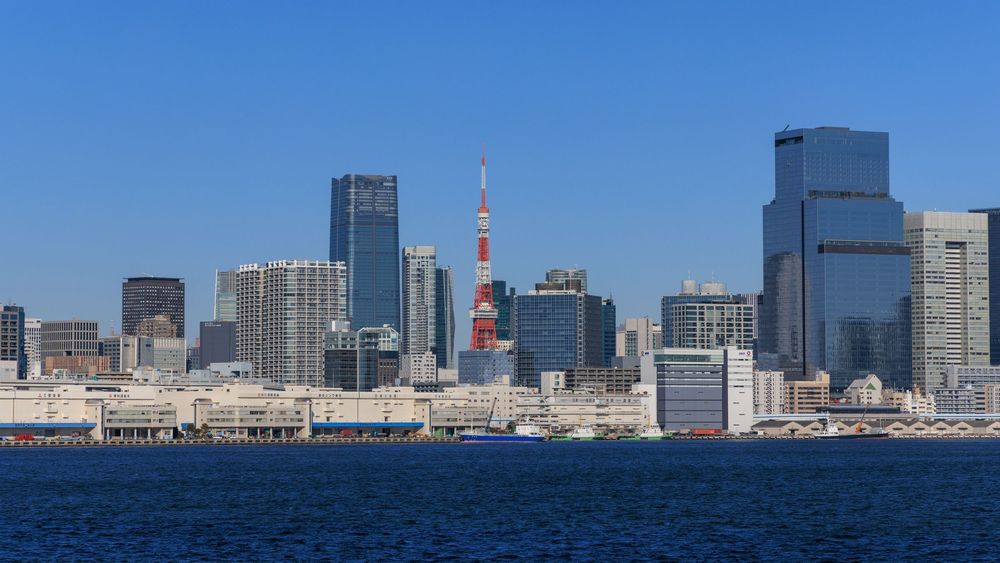
Cover photograph: Tokyo waterfront skyline with Tokyo Tower under a blue sky. Photo by Phil Evenden on Pexels (Pexels).
Frequently Asked Questions
Where should first-time visitors stay in Tokyo?
Start with Shinjuku or Shibuya for repeated western evenings, Ginza or Tokyo Station for central convenience, and Ueno or Asakusa for northeastern interests. Compare actual hotel addresses and suitable rooms before choosing.
Is Shinjuku or Shibuya a better base?
Shinjuku suits an entertainment-focused stay with several distinct station-side options. Shibuya is a strong match for shopping and evenings around Shibuya, Harajuku and Omotesando. The location of your own plans matters more than a universal winner.
Is Asakusa too far from the rest of Tokyo?
No, but its eastern position should match your priorities. It has subway and Tobu connections rather than a Yamanote Line station. Ueno may suit you better if museums and the Narita Skyliner connection are more important than staying near Senso-ji.
Should I change hotels during a short Tokyo stay?
Usually a single suitable base is simpler for a continuous stay. Consider a different area when returning after travel elsewhere, or an airport-area night when a verified flight and transport schedule makes it worthwhile.
Which Tokyo neighborhood is cheapest?
This guide does not establish a cheapest district. Compare live quotes for the same dates, occupancy, room size, beds and cancellation terms. Neighborhood reputation alone cannot tell you which suitable room offers the best value.

Keep Exploring

Where to Stay in Los Angeles: Choosing Your Base
Choose your Los Angeles base by the journeys you will repeat: compare Downtown, Hollywood, West Hollywood, Santa Monica, Venice and airport stays.

Maldives Honeymoon: Choosing Your Type of Stay
Choose a Maldives honeymoon that suits both of you, from the privacy of your terrace to dinner plans, transfer arrangements and time together.
Where to Stay in Rio de Janeiro: Neighborhood Guide
Choose between Copacabana, Ipanema, Leblon, Botafogo, Flamengo, Santa Teresa and Barra by the journeys you will make each day.