
Build a Tokyo family day around a child's interests, a realistic booking and a nearby break, with clear distinctions between museum entry and reserved play sessions.
Tokyo with kids works best when you choose the main experience around what your children actually enjoy doing. Handling toys, exploring natural history and recognising animation characters are different days out. Start with that preference, then check the booking, age rules and journey before adding another stop.
Miraikan is closed for refurbishment from 1 October 2026 through 22 April 2027, according to its official closure notice. The notice covers the entire museum. During that period, use the alternatives below; for later travel, confirm reopening and the activities available before making plans.
Choose a family outing, not a sightseeing quota
Times below are editorial allowances for the main visit, excluding transport, meals and queues. The matches describe interests rather than claiming every child of a particular age will enjoy the same thing.
| Outing | Choose it for | Main-visit allowance | Flexible part |
|---|---|---|---|
| Ueno: National Museum of Nature and Science | Animals, specimens and questions about the natural world | 2–3 hours | Short park break; skip extra museums |
| Yotsuya: Tokyo Toy Museum | Shared play, wooden toys and traditional games | 90–120 minutes | Meal nearby; optional Fire Museum if energy remains |
| Yotsuya: Fire Museum | Fire engines, equipment and how firefighting changed | 60–90 minutes | A shorter standalone outing is enough |
| Mitaka: Ghibli Museum | A real interest in animation and Ghibli's worlds | 2–3 hours | Inokashira Park in suitable weather |
Before promising any attraction, confirm its opening calendar and your actual admission. “There is a children's room” does not mean that room is included with general entry or available without a separate reservation.
Ueno: build a science visit around curiosity
The National Museum of Nature and Science distinguishes the Japan Gallery's focus on the Japanese islands from the Global Gallery's history of life on Earth. Choose a subject before entering: an animal group, changes in environments or the ways people understand nature.
Let the child select something to investigate rather than turning the visit into a race between display cases. Read a small number of labels together, compare shapes or sizes, and stop when interest is still present. The point is to leave with a remembered discovery, not to finish every floor.
The museum's admission page lists general and university admission at JPY 630, with high-school students and younger free for the permanent exhibitions. Special exhibitions have separate conditions. Regular Monday closure has a public-holiday exception with closure the following Tuesday; check the calendar and current partial-gallery closures too.
Keep the rest of the Ueno outing light. A meal and a short park pause can follow the museum without another ticket commitment. If rain makes the park unattractive, shorten the outdoor part and leave time for a seated break instead of replacing it with another complete museum visit.
ComPaSS: a separate booking inside the museum
ComPaSS is the museum's exploration area for children and guardians. The operator says it is primarily for ages 4–6, while welcoming children from age 0 through elementary-school age with guardians aged 18 or older. Children alone and adults alone cannot enter.
Date-specific advance reservations and payment are required for everyone, including infants. Sessions last 45 minutes, and visitors are asked to arrive 5 minutes before the start. A late arrival does not extend the session. Workshops offered in certain sessions are conducted in Japanese.
This makes ComPaSS an intentional part of the day rather than a guaranteed place to drop in when a child becomes tired. Check availability first if it is the reason for choosing Ueno. If it is unavailable, decide whether the collection galleries themselves still match your child's interests.
For siblings with different preferences, agree what each will do within the available session and supervision rules. Do not promise an older child unrestricted museum exploration while assuming an adult can freely swap in and out of a reserved family activity. Ask the venue about the actual arrangement before booking.
Yotsuya: choose play at the Toy Museum
Tokyo Toy Museum's own visitor guide describes a former elementary-school setting with toys visitors can play with, including wooden toys and traditional games. It identifies a dedicated playroom for children aged 2 and under. That is a concrete reason to investigate it for a younger child who needs active participation rather than another display-only visit.
The published online admission is JPY 1100 for adults, including junior-high students and older, and JPY 800 for children from 6 months through elementary-school age. Counter prices are higher, and same-day sales can stop when capacity is reached. Regular closure is Thursday, with additional holiday or maintenance closures shown on the calendar.
Book the museum because shared play appeals to your family. An older child who prefers complex science or a particular film world may choose a different anchor. Families with mixed ages can compare the baby room, games and available activities before deciding that everyone should spend the same amount of time there.
Leave room for lunch nearby and an unhurried departure. Some craft activities have their own same-day arrangements; general entry is not a promise of participation in every workshop. Check what is operating when you arrive and avoid making a specific craft the condition for a successful day.
Fire Museum: a compact option in the same area
The official Tokyo tourism listing for the Fire Museum describes historical firefighting tools, equipment and fire engines, with free admission. Its location at Yotsuya-sanchome makes it a relevant alternative or optional continuation in the same area as the Toy Museum.
This is a different experience from free play. Choose it when vehicles, equipment and their changing design interest the child. Look for a manageable comparison, such as how crews carried water or how protective equipment changed, rather than trying to absorb every historical display.
Check its calendar separately: sharing a neighbourhood does not mean sharing the Toy Museum's closing day. The tourism listing identifies changing and breastfeeding facilities, but verify access if a particular facility is essential to your plan. Do not infer that every historic vehicle can be climbed into or that every hands-on element is operating.
If the Toy Museum has already filled the family's attention, finish with the meal and go back. If the Fire Museum is the main interest, make it the day's anchor and treat the Toy Museum as a separate outing, not an obligation created by proximity.
Mitaka: Ghibli only after the reservation is real
For a family interested in animation, Ghibli Museum can justify a dedicated journey. Its official introduction presents a building and displays designed around the studio's imaginative worlds. Choose it for that subject, rather than assuming the name means a conventional theme park with rides.
The museum's ticket page requires advance reservations and says tickets cannot be bought at the museum. Overseas online sales through the linked Lawson service open at 10:00 Japan time on the 10th of each month for the following month. Entry is tied to the reserved date and time.
Check the live calendar and official purchase instructions, then reserve the rest of the day around the ticket you actually obtain. Do not promise a visit to children on the assumption that you can sort out admission after arriving in Tokyo. If no suitable ticket is available, choose another outing from this guide.
GO TOKYO's Mitaka guide places the museum beside Inokashira Park. The park can provide an outdoor pause before or after the reserved entry when conditions suit. If it rains, reduce that part and plan a meal break; the museum booking does not create an all-day indoor plan for the whole neighbourhood.
Plan facilities and the route with the same care as tickets
At the National Museum of Nature and Science, the official accessibility page lists a nursing station in Japan Gallery B1, changing facilities and a limited stroller loan service that cannot be reserved. Availability is not guaranteed, so do not make the entire outing depend on borrowing one.
For every chosen venue, check the route to its actual entrance, the relevant station exit and current lift information. A short journey shown on a map may still involve a long station passage. A venue's family facilities do not establish that the whole journey is step-free.
If you need to bring a stroller into an exhibition or leave it at an entrance, obtain that venue's current instructions. Avoid treating “family-friendly” as a stroller policy. Carry the supplies your family actually needs and keep essential items accessible if belongings have to be stored.
Choose a meal option near the anchor and check seating or dietary requirements directly when necessary. A famous restaurant across town is rarely worth turning a child-focused museum morning into a tight connection. Plan a real seated pause rather than expecting a snack eaten in transit to replace every break.
Adjust the day before tiredness decides for you
Begin with the main experience and decide in advance which extra to drop. In Ueno, remove another museum; in Yotsuya, remove the second venue; in Mitaka, shorten the park circuit. A shorter day can preserve the pleasure of the attraction you deliberately chose.
For a rainy forecast, the Toy Museum, Fire Museum and science galleries are indoor candidates, subject to opening and availability. ComPaSS and Ghibli are not last-minute fallback promises because they require advance arrangements. During Miraikan's closure, do not travel to Odaiba expecting its usual museum activities to rescue the day.
Keep a lighter day after a major outing if that fits your family's routine. For the first day after arrival, staying near the accommodation can be more useful than protecting a distant reservation. The Tokyo neighbourhood guide helps compare bases, while our Tokyo highlights guide covers broader sightseeing choices.
The successful family day is the one whose main experience suits the children, whose admission is settled and whose optional part can truly be omitted. These outings can be selected independently; they are not a fixed multi-day itinerary.
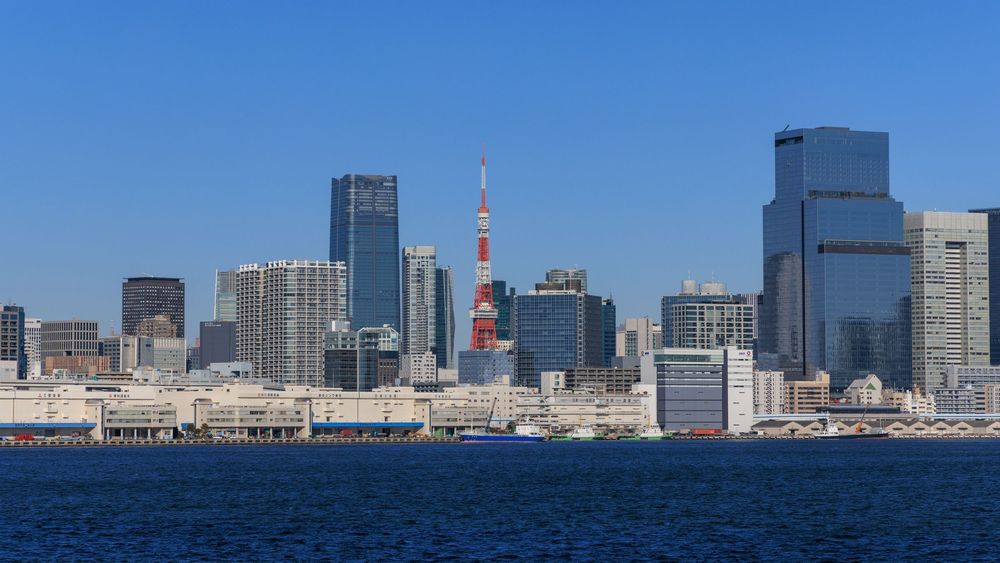
Cover photograph: Tokyo waterfront skyline with Tokyo Tower under a blue sky. Photo by Phil Evenden on Pexels
Frequently Asked Questions
Which Tokyo outing should I choose for a child who wants to play?
Investigate the Tokyo Toy Museum and its age-specific spaces. ComPaSS is another possibility, but it has its own advance reservation, payment and guardian rules. Museum admission alone does not secure a ComPaSS session.
Can we visit Miraikan during the refurbishment?
The official notice closes the entire museum for the stated refurbishment period. Use another outing during that closure and confirm the reopening and available activities for a later trip.
Is Ghibli Museum a walk-in rainy-day option?
No. Advance reservation is required and tickets are not sold at the museum. Keep it as a confirmed booking; choose an open, available alternative if you do not have admission.
Should we visit both museums in Yotsuya on the same day?
Only if both interest your children and energy remains. Choose either the Toy Museum or Fire Museum as the main visit, take a meal break and treat the other as optional after checking its calendar.

Keep Exploring
New York with Kids: Choose Your Family Days Out
Build family outings around one main attraction, a proper break and nearby play, with clear choices for museums, the waterfront and a harbour crossing.
Sydney with Kids: Choose Your Family Days
Choose family days in Sydney around museums, Darling Harbour, Taronga and ferry trips, with simple alternatives for rain and different interests.
Singapore with Kids: Choosing Your Days Out
Build family days around one worthwhile outing: compare children's gardens, Singapore Zoo, indoor art play and Universal Studios, with practical limits.