
A practical choice between Nikko’s historic shrines and temples in one day and an overnight stay with Lake Chuzenji, including transport and seasonal limits.
A Nikko day trip from Tokyo works best when you give the historic shrine and temple area your attention. An overnight stay becomes more worthwhile when Lake Chuzenji, Kegon Falls or a mountain inn matters as much as the religious architecture. The difference is not simply the number of attractions: the lake is in a separate upland area, reached by a mountain road.
Choose the experience before buying a pass. A long list of included transport services does not give you more daylight, and a hotel labelled “Nikko” may be far from the place you want to visit first. This guide helps you choose the right scale of outing, then fit the practical arrangements around it.
Information checked on 20 October 2026. Suggested time blocks are editorial planning allowances, not official tour durations or transport guarantees.
Choose your version
| Plan | Best for | Time to protect | Main compromise |
|---|---|---|---|
| Historic-area day trip | Toshogu and a selective temple or shrine visit | A full day from Tokyo | Leave the lake and waterfalls for another visit |
| Nature-focused day trip | Lake Chuzenji and Kegon Falls as the main objective | A full day with generous road margins | Do not promise a full historic-area visit too |
| One night in central Nikko | Architecture on one day, an upland outing on the other | Two calendar days and one night | The mountain-road journey still needs space |
| One night by Lake Chuzenji | A lakeside evening and an early nature outing | An arrival day plus the following day | Check evening meals and onward transport carefully |
If Tokyo itself is new to you and you have only three full days there, compare this excursion against our Tokyo in 3 days itinerary. Nikko replaces a substantial city day. It is not an extra morning you can add without changing the rest of the visit.
Understand the geography before booking
The Nikko City Tourism Association’s area guide distinguishes central Nikko, with its World Heritage religious sites, from Okunikko, which includes Lake Chuzenji, Kegon Falls and Senjogahara. Kinugawa Onsen is another area again. A booking mentioning Nikko does not necessarily put you beside Toshogu or the lake.
JR Nikko and Tobu-Nikko are railway stations serving the town. Choose your onward connection from the station your actual train uses. Treat the station-to-sights journey as part of your day rather than assuming you step from the carriage into the temple precinct.
For a first visit, draw two separate clusters on your map: the historic area and the lake area. Add your hotel and the return station. If your proposed day repeatedly switches between the clusters, simplify it. The mountain-road link is a transport commitment, not a short stroll between neighbouring attractions.
A day trip with the historic area as its purpose
Build the day around Toshogu, then choose one further religious visit according to your interests and remaining time. UNESCO identifies Toshogu and Futarasan-jinja as Shinto shrines and Rinno-ji as a Buddhist temple. Their wooded setting and relationship to the Tokugawa shoguns are part of the significance; the buildings are more than decorative stops for photographs.
Start with your main paid visit while you still have energy for detail. Allow roughly two hours for Toshogu as an editorial starting point, then adjust for queues, the sections you enter and how slowly you look. An architecture enthusiast may want longer. Do not turn that allowance into a guarantee that you can complete every part of the complex.
Afterward, have a seated lunch before deciding on Rinno-ji, Futarasan or a slower walk through the surrounding area. One additional visit is often a better use of attention than entering several sites in succession because they are close on a map. Check each institution’s admission arrangements and last entry separately; a shared World Heritage designation is not one combined ticket.
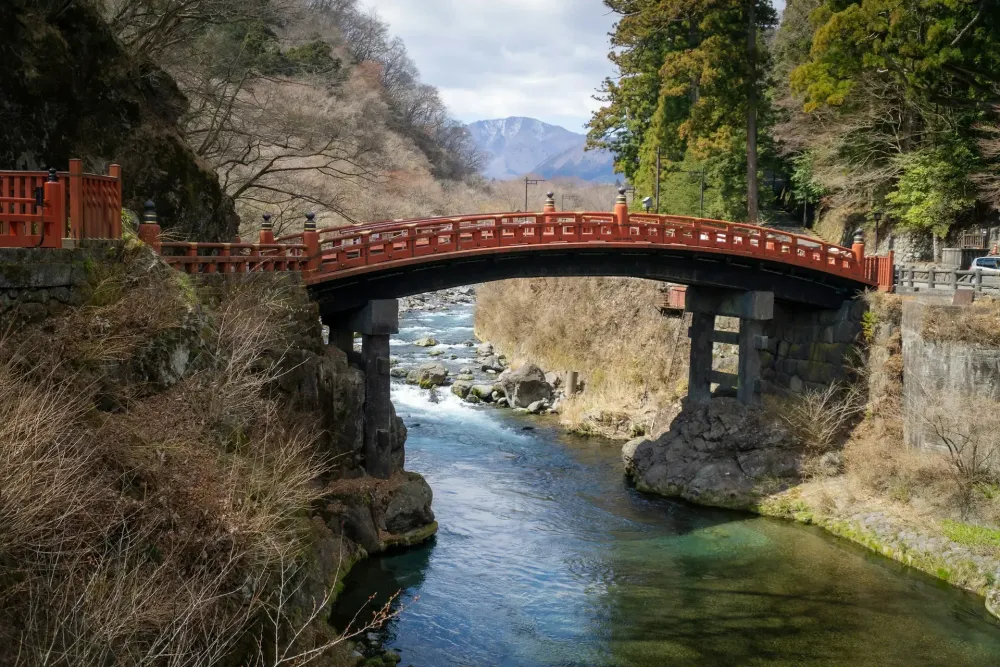
Shinkyo Bridge provides a useful visual introduction to the area. Viewing the bridge and paying to enter any controlled section are separate choices; verify the current arrangements if crossing it matters to you. Avoid planning the whole day around recreating a photograph from the middle of a busy approach.
Keep a final block for returning to the station, finding the correct boarding point and buying something for the journey. Set a time to leave your final attraction before the day begins. If your first visit runs long, drop the optional second stop rather than consuming the return margin.
When the lake deserves the whole day
A nature-focused day trip is reasonable when the lake and waterfall are the reason you are going, and the service pattern and conditions support it. It is weaker when they are simply additions to a complete shrine circuit. Give the upland excursion the central part of the day and make any historic-area stop optional.
Choose a modest combination such as a Kegon Falls visit and time beside Lake Chuzenji, with lunch and the bus journey included. Decide beforehand whether a boat trip, a longer walk or another viewpoint is the real priority. Each takes time from the same day; they are not automatic bonuses because you have reached the lake.
Check what your chosen attraction actually includes. A waterfall viewing point, a paid lift and a lakeside cruise are distinct experiences with their own operating conditions. Weather can affect visibility even when a facility is open. A photograph of the waterfall on a clear day does not describe what you will see through mist.
One particularly relevant current restriction: Tobu’s official pass page lists the Akechidaira Ropeway as suspended from 16 January 2026 to 31 August 2027, with a possible extension. Do not build a 2026 or early-2027 visit around that ride. Recheck the operator’s notice before relying on a future reopening.
What one overnight genuinely adds
One night creates room to separate architecture and scenery. Use the arrival day for central Nikko, sleep locally, and give the next day to the lake if the weather and roads cooperate. Or travel up to Lake Chuzenji on the first day, enjoy the evening there and start your nature outing without first coming from Tokyo.
The hotel location should follow that choice. Central Nikko is the simpler base when the shrines and temples are your priority. Lake Chuzenji suits a trip built around the upland setting. Choosing the least expensive room anywhere within a broad Nikko search area may create journeys that outweigh the saving.
For an inn with dinner, confirm the arrival deadline before booking your outward train. Ask about meal reservations, dietary needs and the consequences of arriving late. If you choose accommodation without meals, establish a realistic dinner option near it rather than assuming every tourist area has late dining.
Keep the overnight bag manageable. If you are returning to the same Tokyo hotel, ask whether it can hold your larger luggage and under what conditions; do not assume this is included. If travelling onward, confirm storage or forwarding separately. A day planned around walking becomes much less attractive when you are carrying everything between checkout and the evening train.
In our 14-day Japan itinerary, Nikko would replace time elsewhere or require a longer holiday. Add the actual night to your accommodation calendar before paying, rather than inserting it between existing reservations and discovering an overlap afterward.
Reserve the journey you intend to take
For Tobu limited express trains, the operator requires a basic fare ticket and a separate limited express reserved-seat ticket. A relevant pass can cover the basic fare component, but does not automatically reserve your seat. Check both the outward and return journeys, including your boarding station and any change.
Compare the World Heritage Area and All Area pass coverage against the route you have already chosen. The All Area product covers a broader region, while shrine and temple admissions are excluded. Buying broader coverage is useful only when you will use it; avoid changing your sightseeing priorities merely to justify a ticket.
Use a dated journey search and the current bus timetable. No departure, fare or connection in this guide is a promise for your travel date. A reserved return train also does not protect you from arriving late because your bus was delayed. Leave a margin between the road journey and the rail departure, with a less ambitious final sightseeing stop if necessary.
Seasons can change the better choice
Autumn colour is a reason to stay overnight, but also a reason to be careful about optimistic journey times. The local tourism association’s autumn advice warns of substantial congestion and recommends staying near the scenery you want to see. Sleeping by the lake can remove a morning ascent; it does not remove the eventual return journey.
Choose a weekday when possible, without assuming it will be quiet. Foliage develops differently at different elevations, so a single “best week” cannot guarantee peak colour throughout Nikko. Use current local reports to decide which area deserves your attention.
In colder weather, check road, walking-surface and attraction conditions before committing to an upland outing. Bring clothing suited to the mountain destination rather than only the temperature outside your Tokyo hotel. Rain or low cloud may make a shorter cultural day the better choice, although religious sites also involve outdoor paths.
For limited mobility, ask about the exact entrances, steps and walking surfaces for the sites and hotel you choose. A bus serving an area does not establish a fully accessible route through it. Families should likewise preserve meal and toilet breaks instead of using every gap for another admission.
Cover photograph: Shinkyo Bridge at the approach to Nikko’s historic shrine and temple area. Photo: Aaron Katz / Unsplash. Source · License.
Frequently Asked Questions
Is Nikko worth visiting as a day trip from Tokyo?
Yes, especially for a focused visit to Toshogu and the historic shrine and temple area. Reserve the full day and keep Lake Chuzenji out of that plan unless you deliberately prioritise the lake instead.
Can I see the temples and Lake Chuzenji in one day?
Some combinations may be possible, but a full visit to both is a fragile plan once travel, queues and road delays are included. Choose one focus, or stay overnight to separate them.
Where should I stay for one night in Nikko?
Choose central Nikko for the religious sites, or Lake Chuzenji for a lakeside evening and an early upland outing. Check the precise address, meals and transport rather than relying on the destination label.
Does the Nikko pass include limited express seats and temples?
No. Tobu requires a separate limited express ticket, and its All Area pass excludes shrine and temple admissions. Verify the precise product and your intended route before buying.
Can I ride the Akechidaira Ropeway during this trip?
The official notice checked on 20 October 2026 lists suspension until 31 August 2027, possibly longer. Check for an updated reopening announcement before planning a visit around it.

Keep Exploring
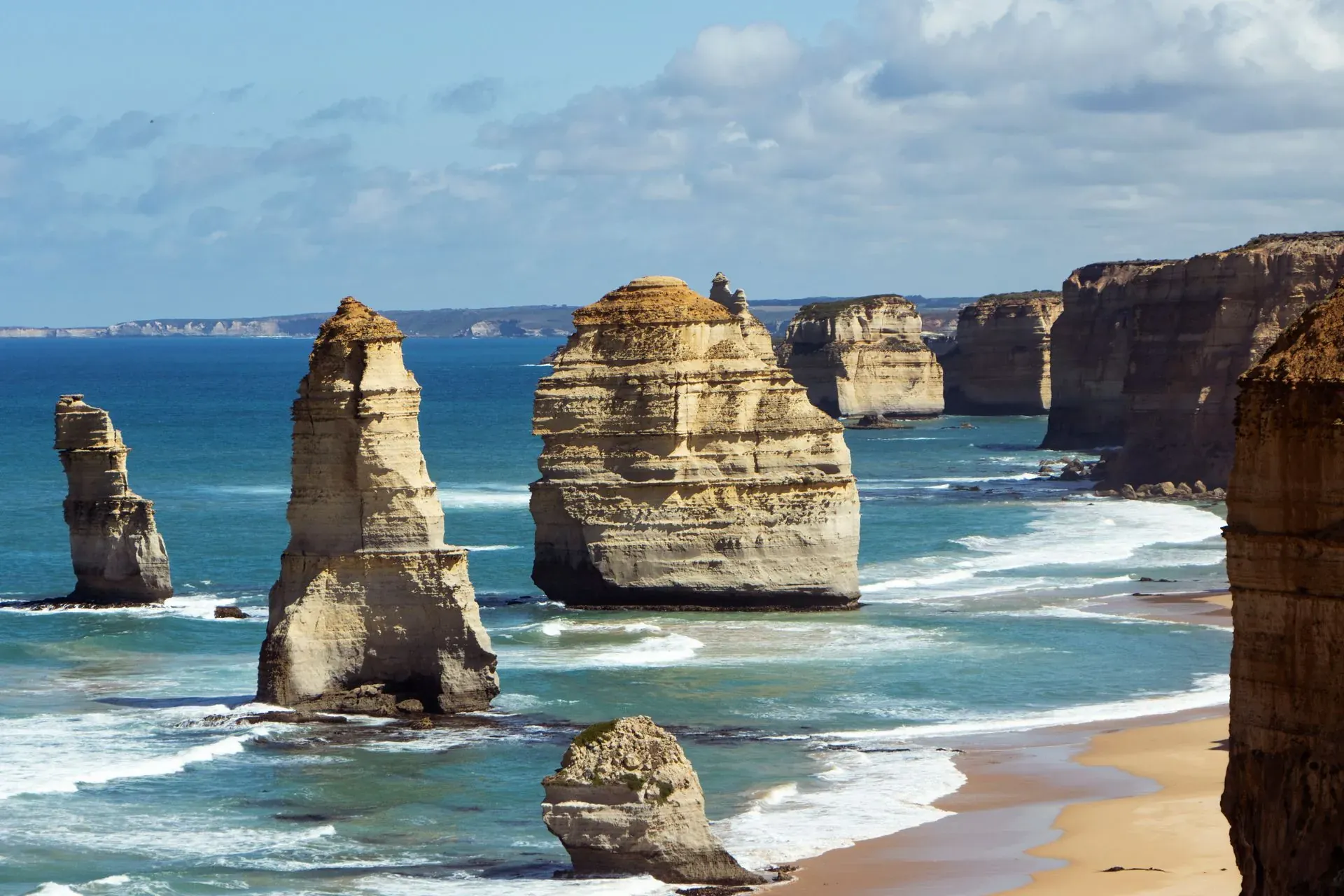
Great Ocean Road: Day Trip or Overnight from Melbourne?
Choose a focused day trip or an overnight Great Ocean Road journey, with practical stop choices and current Twelve Apostles visitor arrangements.
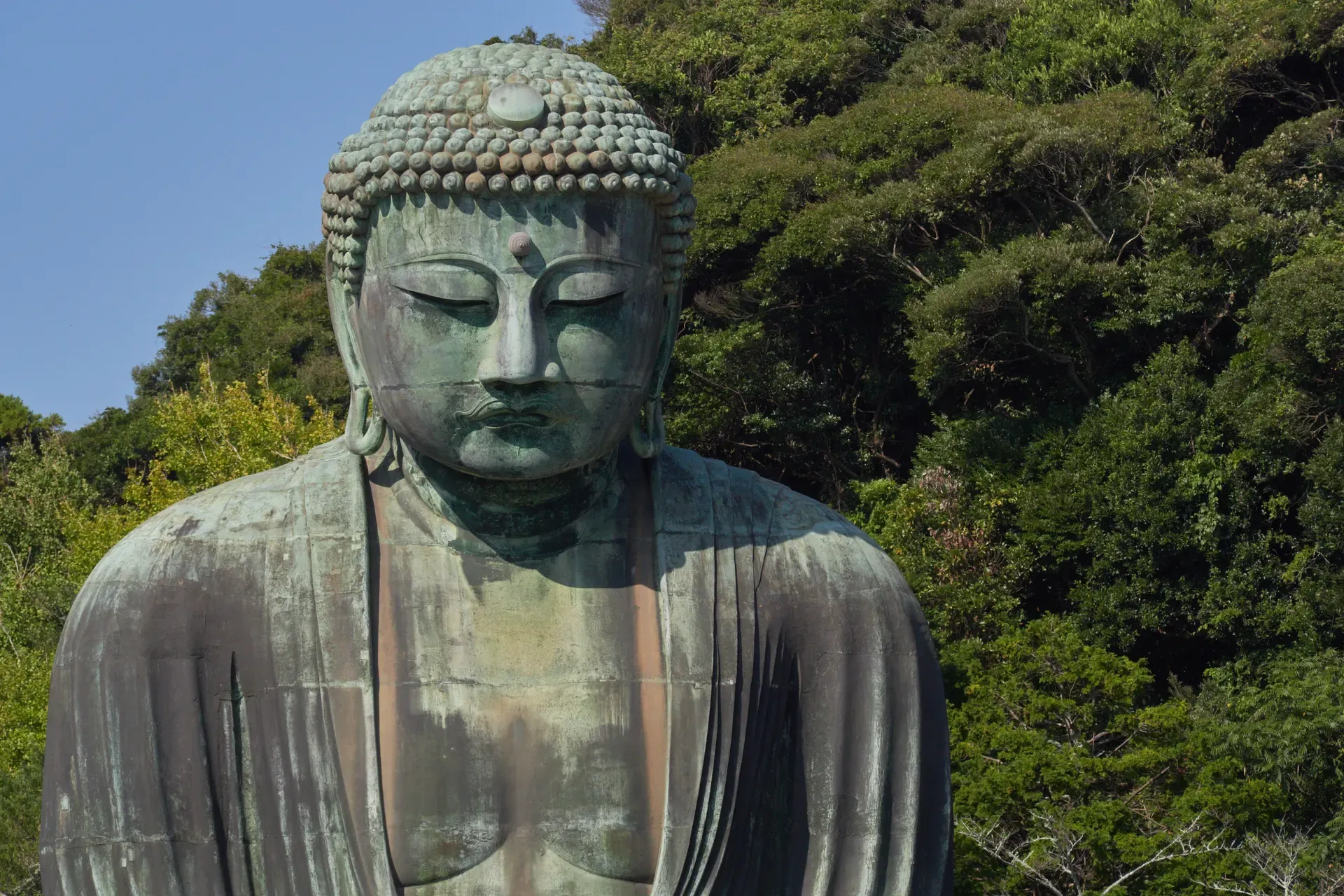
Kamakura from Tokyo: Choose a Day Trip Route
A Kamakura day trip works best with one main area. Compare the eastern shrine and bamboo garden with Hase's Great Buddha, Hasedera and an optional coastal walk.
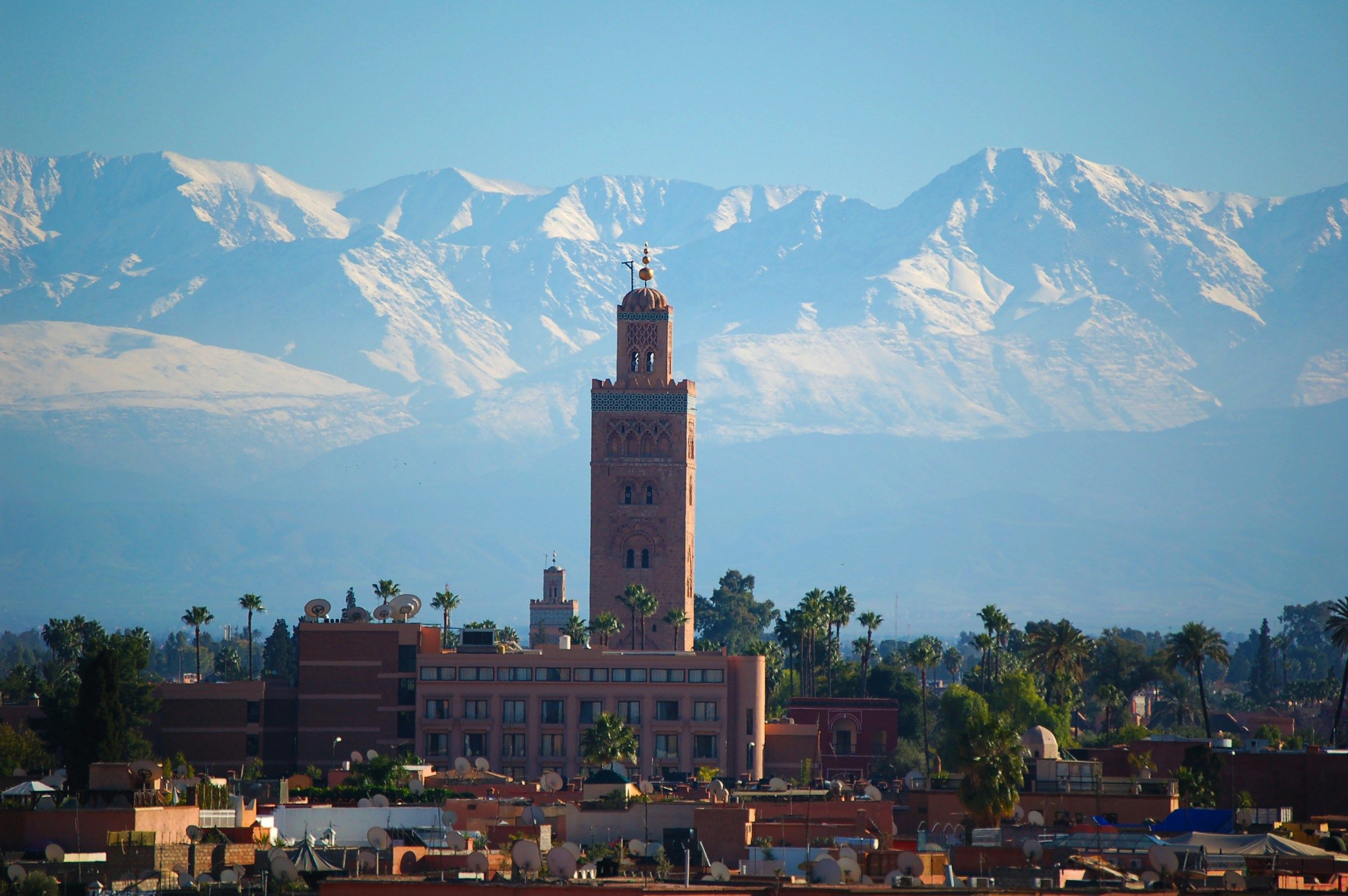
Ait Ben Haddou from Marrakech: Day Trip or Overnight?
A practical choice between a long day from Marrakech and a night near the ksar, with architectural highlights, access limits and realistic time tradeoffs.