
Follow the temple approach, understand the difference between Senso-ji and Asakusa Shrine, then choose shopping or a riverside finish.
Start an Asakusa visit at Kaminarimon, follow Nakamise to Hozomon and Senso-ji's main hall, then decide whether to spend the remaining time in the shopping streets or beside the Sumida River. The sequence is compact enough to follow without turning the whole neighbourhood into a checklist. Its main planning wrinkle is that the temple hall, shops and viewing terrace do not share an opening schedule.
Allow an editorial 2–3 hours for the temple approach, a modest amount of shopping and one short extension. A seated meal needs additional time. With only 90 minutes, keep Kaminarimon, Nakamise and the main precinct, and leave the river for another visit. These are suggested visit allowances, excluding travel from your accommodation and any unusually long queues.
Visitor information was checked on 16 October 2026. Our Tokyo highlights guide helps place Asakusa within a wider trip; this route concentrates on what to notice and how to move within the neighbourhood.
Choose your arrival around the experience you want
| Priority | Build the visit around | Main compromise |
|---|---|---|
| Temple architecture and worship | Main hall during its opening hours | An early arrival may precede shop opening |
| Shopping and snacks | Individual Nakamise businesses | Browsing can consume the time reserved for the precinct |
| An elevated orientation view | Tourist information centre terrace | It opens later than the temple hall |
| River views | A short walk towards Azuma-bashi | Less time for shopping or a seated meal |
The temple's official precinct guide lists the main hall as open 06:00–17:00, with the opening moving to 06:30 from October through March. Those hours describe the hall, not every religious building, souvenir counter or business nearby. Arriving early is useful if the hall and approach matter most; it is less useful if your main aim is buying a particular sweet.
Use the actual station and railway line when planning arrival. The district has several services using the Asakusa name, and the Tsukuba Express station is separate from the riverside station area. Do not assume an exit recommended for one operator applies to another. Choose Kaminarimon or the tourist information centre as your first walking destination rather than a broad neighbourhood pin.
Get your bearings opposite Kaminarimon
The Asakusa Culture Tourist Information Center is a useful starting point for maps and local orientation. Its standard visitor-information hours are 09:00–20:00, with maintenance closures possible. That makes it a practical stop during the ordinary daytime visit, but not something to rely on when arriving at the temple's opening time.
The city's facility information lists the free observation terrace on floor 8 from 09:00–22:00. It provides views over Asakusa and towards Tokyo Skytree. Allow an editorial 15–20 minutes to understand the shape of the area before heading into it, or save the terrace for the end if the temple hall will close soon.
From above, identify the straight approach towards the temple and the direction of the river. This is an orientation stop as much as a photograph. Once back at street level, use the crossing to reach Kaminarimon and move clear of the pedestrian flow before stopping beneath or beside the gate.
Kaminarimon and Nakamise: approach before purchases
At Kaminarimon, look beyond the central lantern to the guardian figures. The temple's English guide identifies Fujin and Raijin, associated with wind and thunder, and explains that Senso-ji is a Buddhist temple devoted to Kannon. The principal sacred image is hidden from view; an ordinary visit should not be planned around seeing it.
Continue north along Nakamise. You can browse on the way in, but if the main hall is the priority, make your first pass a light one and return to shops afterwards. That avoids discovering at the end of a long shopping session that you have left too little time for the place the street leads to.
Look for something you will use: a folding fan, a small gift or a snack you actually want to taste. Check material, size, ingredients and the displayed price rather than treating every item as locally handmade. Ask where food should be eaten and follow each shop's instructions; crowded temple approaches are awkward places to walk with uncovered food.
The Nakamise association's own account describes a community of traders cooperating on seasonal decorations, events and upkeep. That helps explain why the street is more than a row of souvenir stalls. It also points to a useful way to visit: leave shop entrances clear, finish purchases before reorganising bags and avoid stopping a group across the full width of the approach.
Hozomon and the main hall: slow down here
Pass through Hozomon and give the main precinct the time you protected. Notice how the approach opens out, with the pagoda to one side and the main hall ahead. You do not need to enter every subsidiary building to understand the arrangement. A deliberate pause here makes the transition from shopping street to worship space easier to appreciate.
The temple's detailed main-hall guide explains that the present hall was rebuilt in 1958 after wartime destruction. Inside the outer hall, look up when access and worship permit: the ceiling includes a central dragon painting by Kawabata Ryushi and celestial figures by Domoto Insho. These details give a reason to look beyond the offering area without treating the room as a museum gallery.
Follow posted photography restrictions and keep the route to prayer areas clear. If you wish to pray, the temple describes joining the hands in the Buddhist prayer position. Quiet observation is also possible; you do not need to imitate a ritual you do not understand. The hall's religious use takes priority over getting a particular interior photograph.
For visitors who cannot use the main stairs, the official FAQ identifies a lift on the left when facing the main hall. It also identifies accessible toilets to the right of Hozomon and behind the main hall. Those are useful, specific facilities; station exits and individual shops still need their own accessibility check.
If you want a goshuin, the temple directs visitors to Yogodo on the western side of the precinct. Leave time for the actual service and queue rather than treating it as an instant souvenir stop. The main hall's opening time should not be assumed to cover the stamp counter.
Two worthwhile details beyond the main axis
Asakusa Shrine stands beside the temple and deserves to be understood as a separate Shinto site. Its official history and architecture page connects its origins with the people in Senso-ji's founding story. The shrine buildings donated by Tokugawa Iemitsu in 1649 survived later disasters that destroyed much of the neighbouring temple complex.
Look at the connected shrine buildings and their decoration from permitted visitor areas. The shrine's guide identifies auspicious creatures including a phoenix, kirin and a winged fish-like dragon. You need not find every motif: noticing a few makes this a distinct architectural stop. Follow the shrine's own worship guidance rather than assuming the Buddhist practice used next door applies here.
A second useful distinction concerns Denboin. The temple's garden page marks the garden as closed to the public. Do not build a normal visit around entering it because a photograph or map label makes it look accessible. A specifically announced special opening would need separate confirmation; the surrounding streets remain a different outing from the garden itself.
These choices keep the route realistic. Add the shrine if religious history interests you, or use the extra time for the main hall and its surroundings. There is no need to compensate for a closed garden by adding an unrelated attraction farther away.
Finish beside the Sumida or among the shops
For a change of setting, turn towards the river and Azuma-bashi. GO TOKYO's neighbourhood guide identifies the red bridge as a viewpoint towards Tokyo Skytree and describes Asakusa's waterfront character. You can enjoy that view without buying a tower ticket or committing to a crossing and a much longer walk.
Allow an editorial 30–45 minutes for a short riverside extension, pauses included. Choose a clear turnaround point on the Asakusa bank and return towards your useful station. If you cross the bridge, check the onward route before continuing: seeing Skytree across the water and walking all the way to it are different plans.
Boat piers are nearby, but a cruise changes the timing and endpoint of the outing. Check the operator's actual departure, destination and availability before replacing your land-based return with a boat trip. This walking guide does not assume a particular sailing will be operating when you arrive.
If food and browsing appeal more than the river, stay in the neighbourhood. GO TOKYO identifies Rokku Broadway as a restaurant and entertainment street, useful for looking beyond the temple approach for a seated meal. Choose between a proper lunch and several snack stops; doing both can crowd out the time you intended for the buildings.
Make the shorter version work
With limited time, go directly from Kaminarimon through Nakamise to Hozomon and the main hall. Keep the terrace only if it is open and the hall visit is secure. Omit the riverside extension before rushing the central precinct, particularly when arriving late in the afternoon.
In rain, reduce exposed walking and use open shops or a meal break between temple stops. The route is not continuously sheltered. During festivals or busy worship periods, allow the crowd arrangements to change your path and meeting point; a fixed photograph beneath the main lantern should not be the condition for a successful visit.
If you are combining Asakusa with another district, our Tokyo itinerary explains the wider grouping. Decide your departure time from Asakusa before adding the optional river section. That leaves the neighbourhood visit complete even when the rest of your day has a booked commitment.
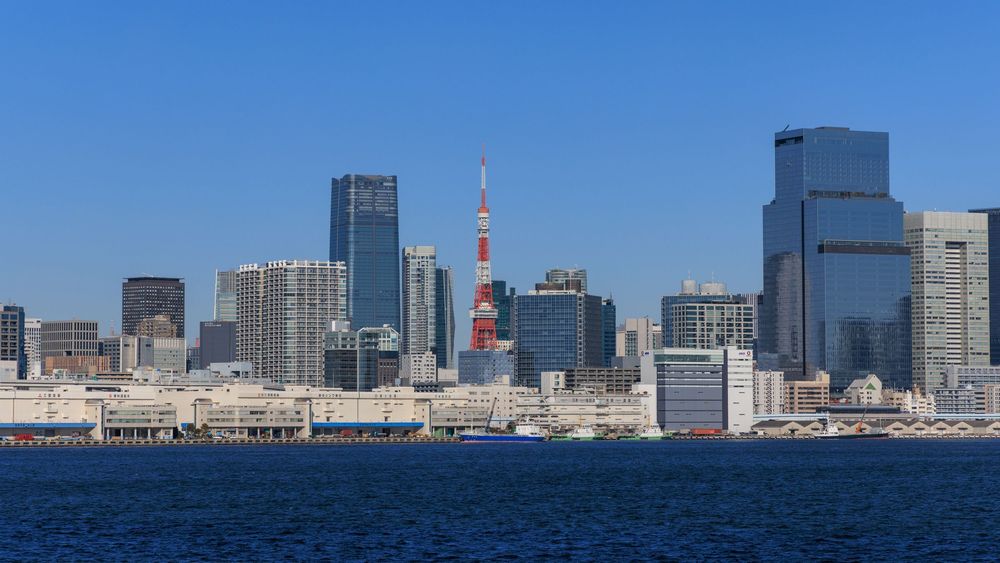
Cover photograph: Destination overview — Tokyo waterfront skyline with Tokyo Tower under a blue sky. Photo by Phil Evenden on Pexels
Frequently Asked Questions
How long should I spend in Asakusa?
Allow an editorial 2–3 hours for the temple approach, some shopping and a short extension, with extra time for a seated meal. In 90 minutes, concentrate on Kaminarimon, Nakamise, Hozomon and the main precinct.
What time does Senso-ji's main hall open?
The official schedule is 06:00–17:00, with opening at 06:30 from October through March. Other halls, counters and shops have separate arrangements. An early temple visit does not guarantee open shops.
Are Senso-ji and Asakusa Shrine the same place?
No. Senso-ji is a Buddhist temple, while neighbouring Asakusa Shrine is a Shinto site with a related founding story. Treat them as separate places of worship and follow each site's guidance.
Can I visit the Denboin garden during this walk?
The temple's official garden page marks it as closed to the public. Do not include interior garden access in a normal route unless a specific special opening has been confirmed for your date.

Keep Exploring
Fushimi Inari: Plan Your Shrine Walk
A focused guide to choosing how far to walk at Fushimi Inari, allowing for the descent and visiting a working shrine respectfully.
Mexico City Anthropology Museum: Plan Your Visit
A focused Anthropology Museum visit: compare Mexica, Maya and regional galleries, make room for living cultures and understand practical admission choices.
Arashiyama: Bamboo, Temples and River Walks
A geographical guide to Arashiyama: combine the bamboo grove, a deliberate garden visit and the river without turning every attraction into an obligation.