
Sumida Hokusai Museum: Choose Your Tokyo Visit
Choose the Sumida Hokusai Museum ticket for your interests: replicas, changing original works, Ryogoku access and practical visit planning.
Visit the Sumida Hokusai Museum for a focused introduction to Hokusai, then choose the ticket according to what you want to see. The Education Room uses high-definition reproductions to explain his life and work. Special exhibitions have their own themes, original works and admission prices. The ¥400 adult Education Room ticket is not a ticket to every exhibition.
That distinction matters more than the museum's compact size. Someone discovering the artist can enjoy the interpretation; someone travelling specifically for original prints should examine the current exhibition and its list of works first. Our Tokyo highlights guide helps decide whether this focused visit fits better than a broader collection or a different cultural stop.
Official information checked on 18 November 2026. The special-exhibition example below is dated and should not be treated as a permanent programme. Suggested visit durations are editorial allowances.
Fast facts
| Detail | Planning information |
|---|---|
| Address | 2-7-2 Kamezawa, Sumida-ku, Tokyo |
| Normal opening | Tuesday–Sunday, 09:30–17:30 |
| Last admission | 17:00 |
| Normal closing day | Monday; public-holiday exceptions and temporary closures apply |
| Year-end closure | 29 December–3 January |
| Education Room adult admission | ¥400 |
| Special exhibitions | Separate prices; check the exhibition for your date |
| Nearby rail access | Ryogoku: Toei Oedo Line A3 or JR Sobu Line East Exit |
| Suggested allowance | Around 1.5–2 hours for exhibition time, interpretation and a look at the building |
The official visit information gives the hours and ticket categories. When Monday is a national or substitute holiday, the usual arrangement is Monday opening followed by Tuesday closure. Always check the dated programme before deciding that a particular holiday follows the ordinary weekly pattern.
Choose between interpretation and original works
The Education Room description is unusually clear: the displayed works are full-size, high-definition replicas. This makes it possible to explain different periods of Hokusai's career without keeping sensitive originals under constant exposure. Treat the room as an introduction to the artist and his working methods.
Its sequence begins with Hokusai and Sumida and continues through phases associated with his artistic names. Audiovisual material, printmaking explanations and a model of his studio give you several ways to engage with the subject. For a first encounter, choose one image, one technique and one biographical detail to follow rather than trying to memorise every date.
If original works are the reason for your visit, start with the temporary exhibition. Read its theme and displayed-work list, including any first-half and second-half rotations. A work reproduced on a promotional page may belong to a different display period from your visit. A museum's ownership of a print also does not mean it is always on the wall.
Do not book solely on the expectation of seeing an original impression of The Great Wave. Confirm that particular work for the date if it is essential to you. The museum's value extends beyond its most recognisable image, but a clearly defined expectation prevents disappointment at the ticket counter.
What the November 2026 programme illustrates
As checked on 18 November 2026, the current exhibition page lists a tenth-anniversary selection of collection highlights, including The Scenery on Both Banks of the Sumida River Picture Scroll, running from 15 September to 23 November 2026. Adult admission is ¥1,500 and includes the Education Room on the same visit date.
That is a dated example, not the museum's permanent admission price. The exhibition has display rotations, and its official page explicitly lists Monday 23 November as an open public holiday. Readers visiting after that date should consult the next programme rather than assuming the same show, price or collection highlights continue.
For a visit during this exhibition, an adult wanting both components should not automatically budget ¥1,500 plus ¥400: the published special ticket includes the Education Room. For a future exhibition, check its own inclusion statement. This small distinction can simplify both the purchase and the sequence of your visit.
Buy the ticket that matches your date
The general museum guidance allows individuals to purchase tickets at the first-floor counter without advance reservations. Some exhibitions, including the November example, also offer official online tickets for specific dates and times, with limited availability. Use the link from the exhibition's own page rather than an unrelated listing with an unclear ticket scope.
If you choose online admission, read the permitted entry time and conditions before paying. If you plan to buy at the counter, leave room for a queue, especially when your day includes another timed reservation. An online purchase can organise your arrival; it does not justify arriving so late that there is little time left in the galleries.
Reduced rates are not identical for every type of exhibition. Bring the required student identification or proof of age where applicable. Groups and school visits have separate reservation procedures, so a group should not apply the ordinary individual walk-in guidance to its own visit.
Reach the correct Ryogoku station exit
The museum's official practical FAQ gives a 5-minute walk from Ryogoku station's A3 exit on the Toei Oedo Line and a 9-minute walk from the East Exit of JR Ryogoku on the Sobu Line. These are station-exit walking estimates, not complete travel times from your hotel.
The shared station name can hide two different arrival points. Check which line your route uses before following directions. From the Oedo Line, A3 is the exit identified by the museum; its guidance describes lift access there. For the JR approach, consult the map rather than assuming the nearest exit is also the best accessible route.
Allow time for finding the exit and crossing streets. The museum stands at 2-7-2 Kamezawa, with its silver exterior making a useful final landmark. If you need a continuous step-free journey, confirm the station route and museum approach together; the presence of a lift at one exit does not settle every part of the trip.
Look at Kazuyo Sejima's building before going inside
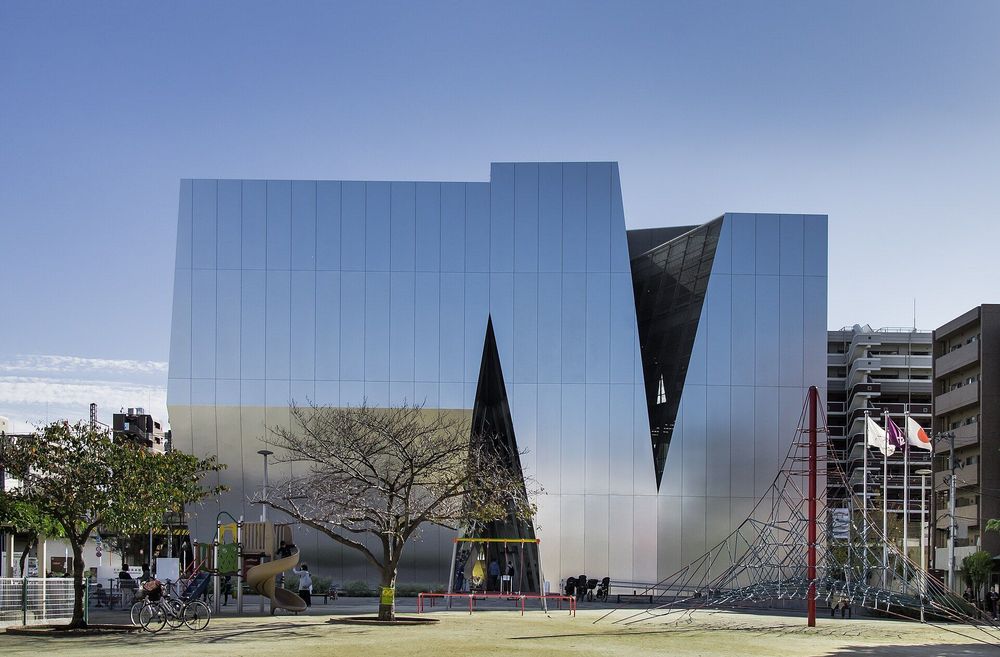
The museum's architecture account identifies Kazuyo Sejima as the architect and explains the gently reflective aluminium panels and cuts through the building. The exterior changes with the light and viewing angle, giving a different visual experience from a conventional decorated museum facade.
Spend a few minutes looking at how the openings divide the overall form and relate it to the surrounding neighbourhood. You can appreciate that without turning the visit into an architectural photography expedition. Keep entrances and pedestrian routes clear while taking pictures, and remember that the adjacent public space serves people who live here.
Inside, let the collection take priority if that is why you came. The building is a useful part of the visit, but it does not substitute for checking which galleries your ticket includes. Nor should an attractive exterior photograph be interpreted as evidence about current exhibition contents.
A satisfying way to spend 1.5–2 hours
Our suggested allowance is around 1.5–2 hours, depending on your reading pace and the show. Start with the exhibition you most want to see while your attention is fresh. Add the Education Room before or afterwards according to the route advised on the day; its explanations can either prepare you for the originals or help you understand them afterwards.
In each section, choose a small number of works to examine closely. Notice composition, the handling of figures and the relationship between image and text. Comparing two works thoughtfully can be more memorable than giving every label a few hurried seconds. Leave enough time to return to something that caught your attention before exiting.
The museum's FAQ says re-entry is not allowed. Eat before entering if you need lunch, or plan the meal afterwards. Do not organise a visit that assumes you can leave halfway through for food and return on the same ticket. A last entry at 17:00 leaves only half an hour before closing, which is shorter than this suggested visit.
Families, access and photography
The official accessibility page permits wheelchairs and pushchairs, lists equipment available to borrow and identifies an accessible toilet near the first-floor entrance. It also notes that pushchair use may be limited when busy. Ask staff about the practical route and any assistance needed before committing to a crowded gallery sequence.
With children, the Education Room's visual explanations and studio model offer concrete things to discuss. Choose a manageable goal, such as spotting how a print is made or comparing a scene with the streets outside. A shorter attentive visit is preferable to forcing the whole group through every display after interest has faded.
Photography is allowed in much of the Education Room with exceptions, according to its official page. Do not extend that permission to special exhibitions. Follow the signs beside the actual works, and ask staff if the rule is unclear. Put the camera away for part of the visit so that photographs do not become a substitute for looking.
Fit it into a Tokyo day
Give the museum one clear place in the day: a focused cultural morning or afternoon followed by food and a neighbourhood walk. Avoid adding several other major collections simply because they are reachable by train. Travel between them, entry queues and mental fatigue all reduce the time available for each.
If your aim is a broader introduction to Japanese art and objects across many periods, compare our Tokyo National Museum visit guide. The useful choice is depth around one artist versus breadth across a large collection. Choose according to what you want to spend time understanding, then leave the rest for another day.
Silver exterior of the Sumida Hokusai Museum beside a public park in Tokyo, photographed in 2018. Photo: Kakidai / Wikimedia Commons. Historical exterior photograph; exhibitions change. Source · CC BY-SA 4.0.
Cover photograph: Silver exterior of the Sumida Hokusai Museum beside a public park in Tokyo, photographed in 2018 — Kakidai, CC BY-SA 4.0.
Frequently Asked Questions
Does the ¥400 ticket include original Hokusai works?
It covers the Education Room, whose displayed works are high-definition replicas. For original works, check the current special exhibition, its admission price and the list for your date.
Is The Great Wave always on display?
Do not assume so. Check the exhibition's work list and display period if seeing an original impression of that specific print is essential to your visit.
How long should you allow at the museum?
Our editorial suggestion is around 1.5–2 hours for an unhurried visit, depending on the exhibition and your reading pace. Last admission is 17:00, before the 17:30 closing time.
Which Ryogoku station exit is closest?
The museum lists a 5-minute walk from Toei Oedo Line exit A3, compared with 9 minutes from the JR Sobu Line East Exit. Choose directions for the line you actually use.


Keep Exploring
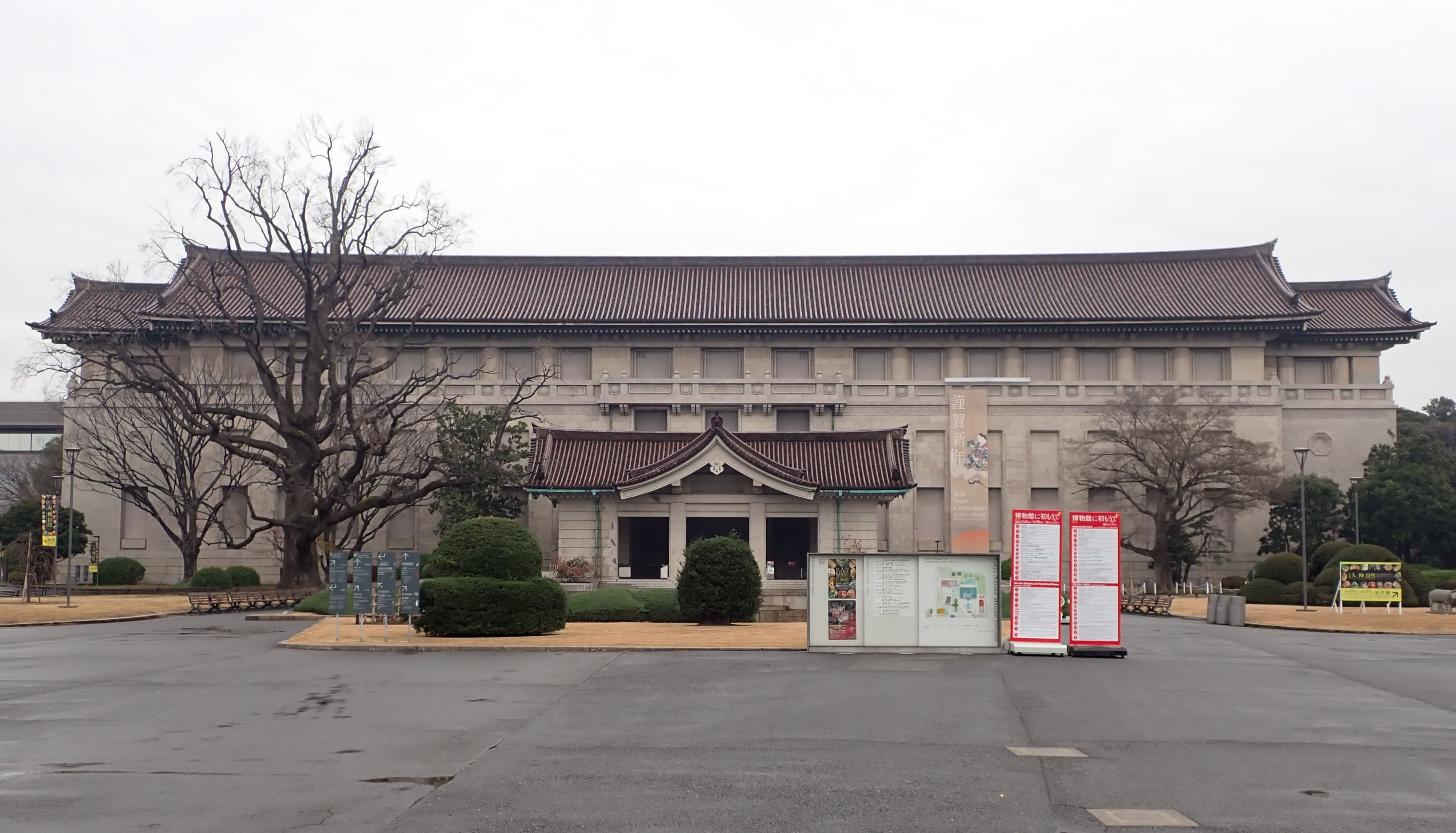
Tokyo National Museum: Choose Your Visit
Choose Tokyo National Museum galleries and tickets, with a focused Honkan route, late-2026 closures, hours and suitcase rules.
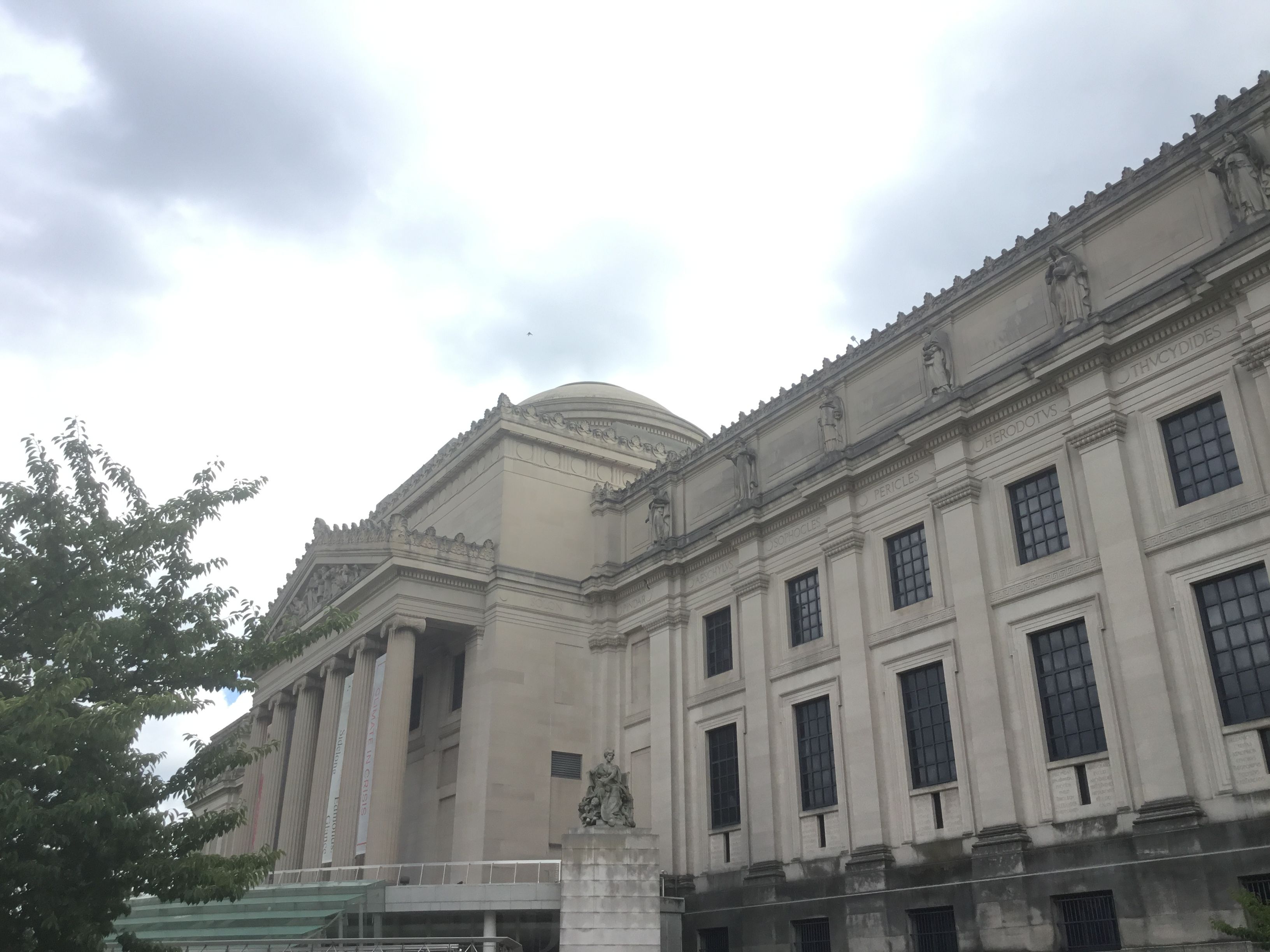
Brooklyn Museum: Choose Your New York Art Visit
Plan the Brooklyn Museum with admission options, exhibition tickets, current hours, accessible routes and realistic Brooklyn combinations.
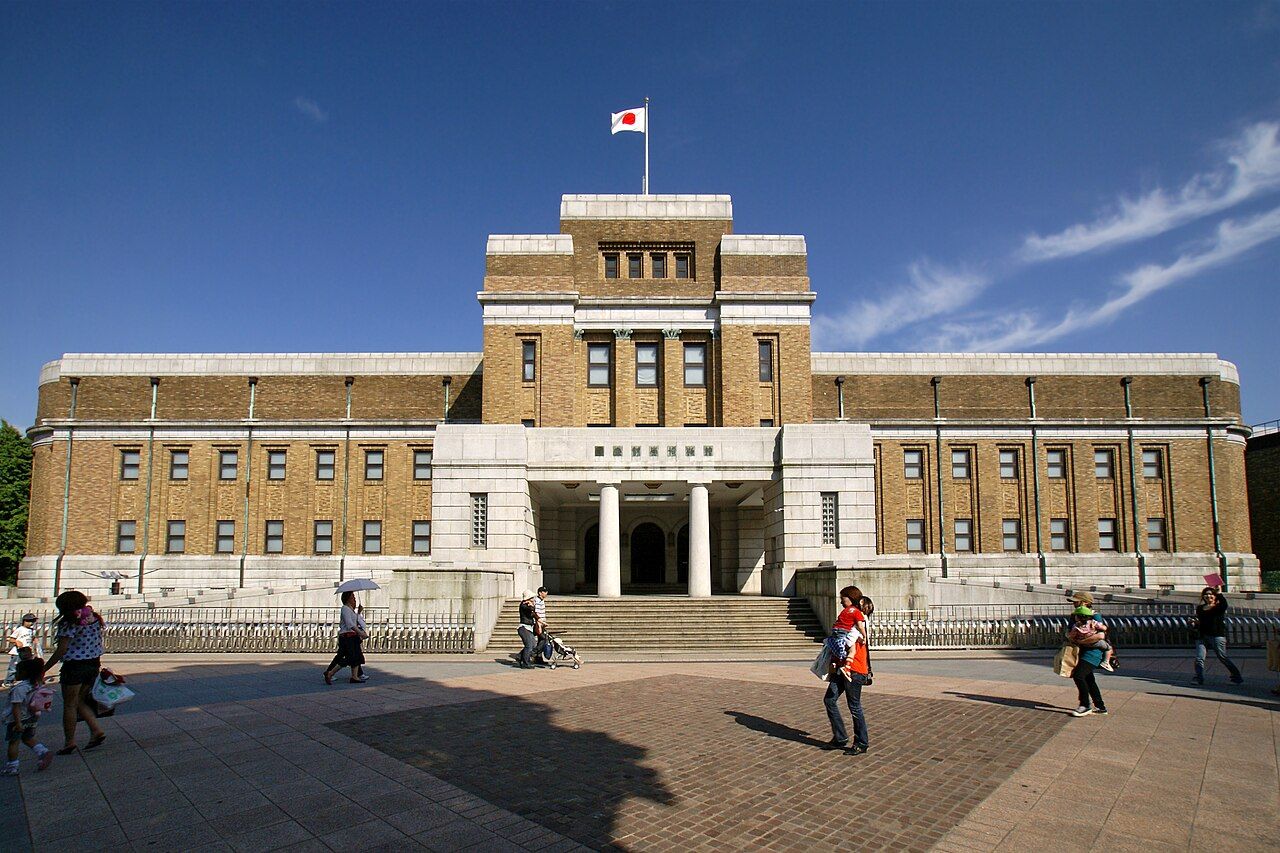
National Museum of Nature and Science Tokyo: Visit Guide
Choose Japan Gallery or Global Gallery, plan a family visit and understand current floor closures, tickets and ComPaSS reservations in Ueno.