
Shinjuku Gyoen: Plan Your Tokyo Garden Visit
Choose your Shinjuku Gyoen gate, garden route and greenhouse stop, with seasonal hours, entry rules and practical accessibility checks.
Visit Shinjuku Gyoen when you want to spend time looking at gardens, rather than simply cross a green space between Tokyo attractions. Its strongest feature is the contrast between Japanese garden scenery, formal planting and open landscape lawns. Choose your entrance and a manageable route, then leave room to stop rather than making every corner compulsory.
The practical decision is whether to give the garden a focused 90-minute visit or a slower half-day including the greenhouse and breaks. Both can work; arriving just before the winter admission deadline and expecting the second is the mistake to avoid. Our Tokyo highlights guide places Shinjuku Gyoen within the wider city. Here the focus is the garden itself, its entrances and the differences between its seasonal opening hours.
Fast facts
| Detail | Planning information |
|---|---|
| Standard adult admission | ¥500; check current concessions and special arrangements |
| October 1–March 14 | 09:00–16:30, last entry 16:00 |
| March 15–September 30 | Usually 09:00–18:00, last entry 17:30 |
| June 11–July 31 exception | 09:00–19:00, last entry 18:30 |
| Usual closure | Mondays, or following weekday after a Monday public holiday |
| Other closures and exceptions | December 29–January 3 closed; daily opening March 25–April 24 and November 1–15 |
| Main entrances | Shinjuku, Okido and Sendagaya |
The Ministry of the Environment's admission page is the source for these arrangements, checked on 3 November 2026. Exceptional closures and seasonal reservation requirements can override the normal pattern. The visit durations in this guide are editorial suggestions, excluding transport and queues.
Choose the gate before choosing the train
“Shinjuku Gyoen” is a large destination with three entrances, not a single point beside Shinjuku Station. Picking a gate first helps avoid a needless walk around the perimeter. Match the entrance to your railway approach and the section of the garden you most want to see.
For Shinjuku Gate, the official access guide gives about 10 minutes on foot from Shinjuku Station's South Exit. Shinjuku-gyoemmae Station Exit 1 and Shinjuku-sanchome Station's relevant exits offer shorter approaches listed at about 5 minutes. Those are walking estimates from the stated exit, not from a distant platform or another side of a large station.
Okido Gate is listed about 5 minutes from Shinjuku-gyoemmae Exit 2. Sendagaya Gate is about 5 minutes from Sendagaya Station or Kokuritsu-kyogijo Exit A5. Use these as route choices, not a competition to find the smallest number: an easier railway connection can matter more than saving several minutes outside.
Save the gate name with your directions and agree on it with companions. If you plan to leave by another entrance, check the next journey before entering. A one-way garden walk can be pleasant, but it should not deliver you to an inconvenient station simply because the exit looked close on a small map.
Decide what you want to look at
The official garden introduction explains the different landscape styles. Think of them as three ways of seeing space: framed pond views and composed planting, formal lines and repetition, and open lawns with broader views. You do not need specialist knowledge to notice the contrast.
In the Japanese garden, slow down enough to see how water, trees and paths change the view as you move. Rather than searching for one perfect photograph, choose two or three stopping points and compare what each reveals. A brief pause often makes the composition clearer than another rapid circuit.
In the formal garden, look along the main lines before stepping closer to individual plants. The overall arrangement is part of the attraction. In the landscape area, give yourself permission to stop walking: the open space provides a different kind of garden visit from the smaller, composed scenes.
If one style interests you much more than the others, prioritise it. The garden is not an examination in which every section must be completed. A satisfying visit can consist of a deliberate route through two contrasting areas, with the third saved for another time.
A focused visit of about 90 minutes
For a shorter visit, select two garden areas and a clear exit before beginning. Spend the first few minutes at the map to understand where they sit in relation to your gate. Walk directly to the first priority, then continue through a contrasting setting rather than repeatedly retracing the same path.
Keep roughly the final 20 minutes available for the exit walk and any pause you discover along the way. This is a planning buffer, not an official route time. Your pace, photography and the chosen entrance can change the calculation considerably. Check the remaining distance before deciding to add another feature.
This version works well when the garden is one substantial stop in a western Tokyo day. It works less well when you are determined to see the greenhouse, inspect every seasonal planting and take a long lunch break. In that case, choose the slower version from the beginning instead of creating a rushed finish.
A slower garden and greenhouse visit
Allow roughly 2.5–3 hours if you want to compare the main landscapes, visit the greenhouse and pause comfortably. Start with whichever feature has the earlier deadline or matters most to you. The greenhouse has its own hours, so leaving it until the very end can remove it from the day even while the garden remains open.
The official facility guide lists the greenhouse in the October–mid-March period as 09:30–16:00, with last entry 15:30. For other seasons, consult its separate timetable rather than applying the garden's closing time to the building. Check temporary notices too.
Treat the greenhouse as a chance to look closely at plants, not just an emergency indoor shelter. It adds a different scale of observation to the lawns and ponds. If plants are your main interest, moving this section earlier in the visit may be more satisfying than treating it as an optional extra after a long walk.
Plan a break around your energy rather than a fixed café promise. Bring drinking water and check the day's food options on arrival if you intend to eat inside. A garden admission does not guarantee that every refreshment counter is open or that a particular table will be available.
Understand the seasonal calendar
The opening-day exceptions matter. November 1–15 has daily opening during the Chrysanthemum Exhibition period, so an ordinary Monday rule is not enough to plan an early-November visit. Conversely, the year-end closure from December 29 to January 3 can catch travellers who assume a garden is an always-open public park.
Spring requires a different check. The admission page warns that busy cherry-blossom days may require advance reservations. Do not assume that buying an ordinary electronic ticket resolves any date-specific reservation requirement. Read the current notice for the day you want, including whether your visitor category needs a timed arrangement.
Flowers and autumn colour are living conditions, not fixed calendar appointments. Use recent official updates to decide what deserves attention, while keeping a route that remains worthwhile if a particular display is earlier or later than hoped. A photograph from another year cannot establish the conditions of your visit.
If you are choosing between garden settings elsewhere in Tokyo, our Hama-rikyu guide describes a different landscape experience. The useful choice is which setting and part of the city fit your day; there is no need to visit both merely because both are well-known gardens.
Check surfaces and practical needs
The official universal-design information includes a map showing slopes, steps and routes that can present difficulties. It specifically notes gravel in the formal and Japanese gardens. An accessible entrance does not mean every path has the same surface or effort level.
For a wheelchair, stroller or limited walking stamina, choose the route using that map and ask staff about any current restrictions. Decide where you can shorten the visit before fatigue appears. A smaller route that leaves time to enjoy a view is preferable to an ambitious circuit that becomes an endurance test.
Keep luggage expectations realistic. The admissions page lists coin lockers at the entrances, but availability and bag fit are separate questions. If you have a suitcase and a fixed train afterwards, storing it elsewhere may make the visit easier. Do not build a tight departure around finding a particular locker empty.
Bring the right kind of picnic and camera plan
The garden rules prohibit alcohol, drones and bicycles inside, and restrict sports and activities that disturb visitors or harm plants. A quiet garden break is different from a party or a ball-game outing. Check the detailed children's-area exceptions rather than assuming the whole garden has identical play arrangements.
Keep paths and viewpoints passable while taking photographs. Never step into protected planting, climb trees or handle wildlife for a better picture. Commercial photography and professional equipment can involve specific permissions or seasonal restrictions; check those before arriving with a production plan.
Before leaving, confirm which gate you are walking towards. The simplest successful visit ends with enough energy for the next part of Tokyo, a few garden scenes you actually noticed and no last-minute run to a closing entrance.
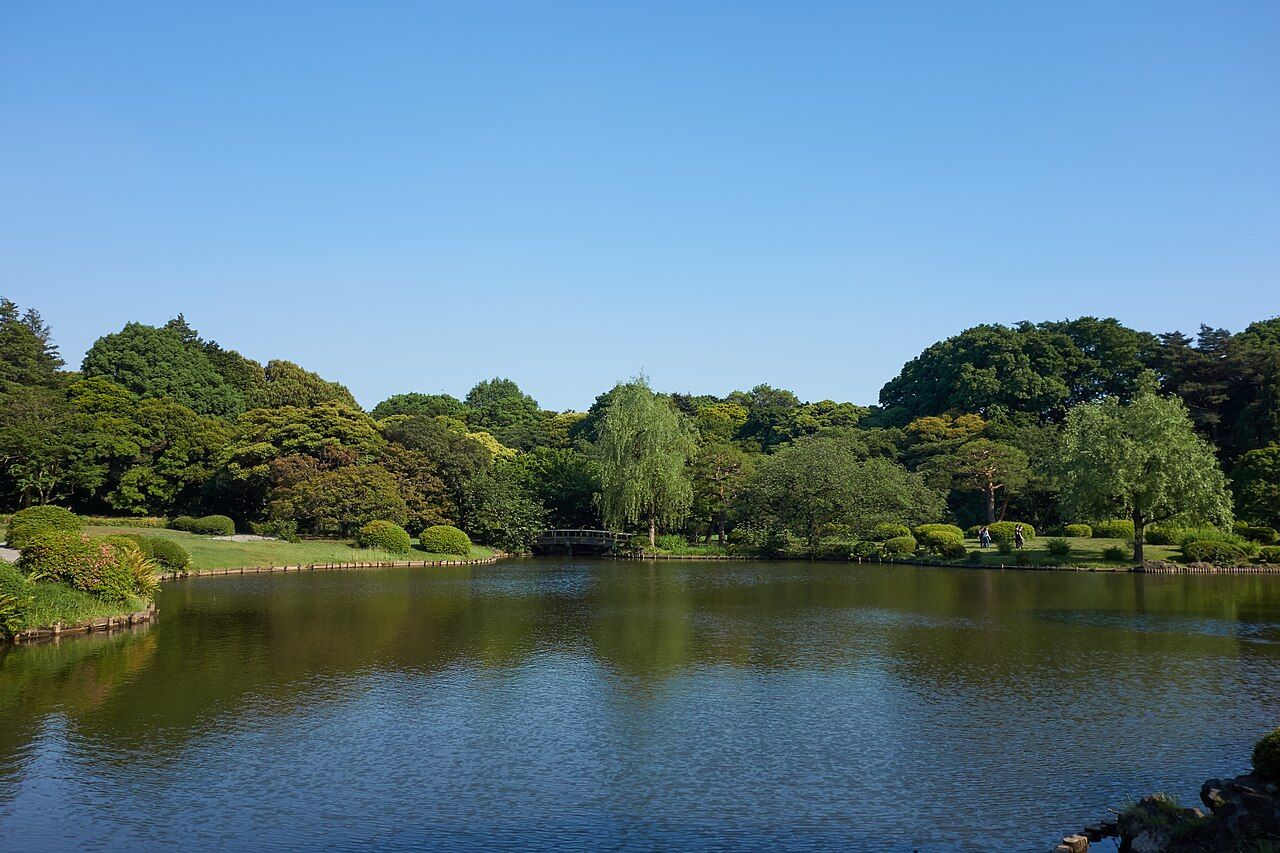
Cover photograph: Trees and landscaped banks reflected in a pond at Shinjuku Gyoen — Archive photograph; no edits to the downloaded file — Celuici, CC BY-SA 3.0.
Frequently Asked Questions
Is Shinjuku Gyoen free?
The standard adult admission listed by the ministry is ¥500. Concessions and free-entry categories have their own conditions; check the current admissions page and bring any required proof.
Is the garden always closed on Mondays?
No. Public-holiday arrangements and the daily-opening periods March 25–April 24 and November 1–15 change the ordinary Monday rule. Check the date-specific calendar.
Which entrance should I use?
Choose among Shinjuku, Okido and Sendagaya according to your railway approach and intended route. Save the exact gate name; the garden name alone can send you to the wrong side.
Does the greenhouse close with the garden?
It has a separate timetable. In October 1–March 14 it closes at 16:00 with last entry 15:30, earlier than the garden. Verify the relevant season before making it your final stop.


Keep Exploring
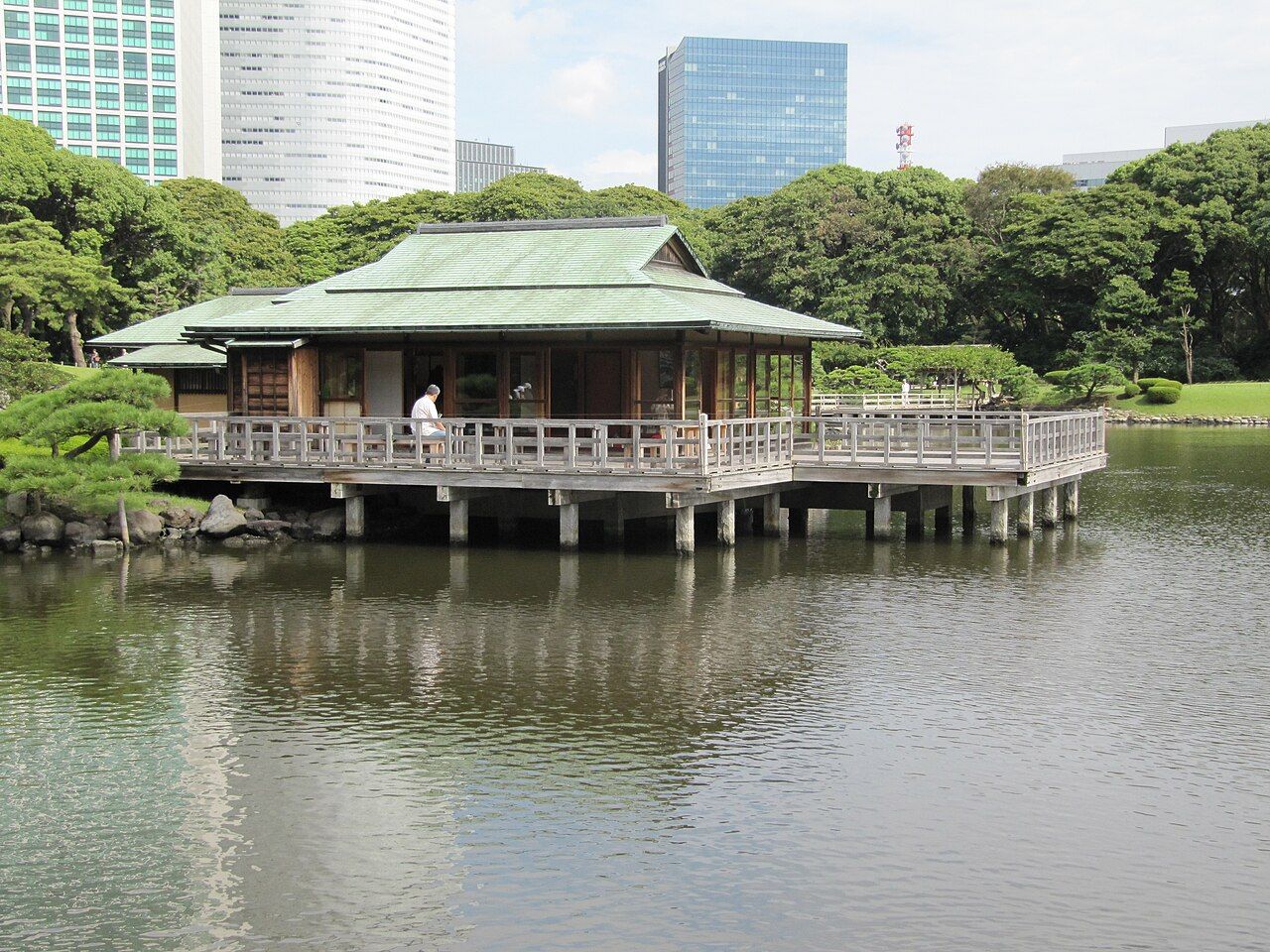
Hama-rikyu Gardens: Plan Your Tokyo Visit
Plan a tidal-pond walk, optional tea stop and the right entrance, with riverboat checks and current garden notices.
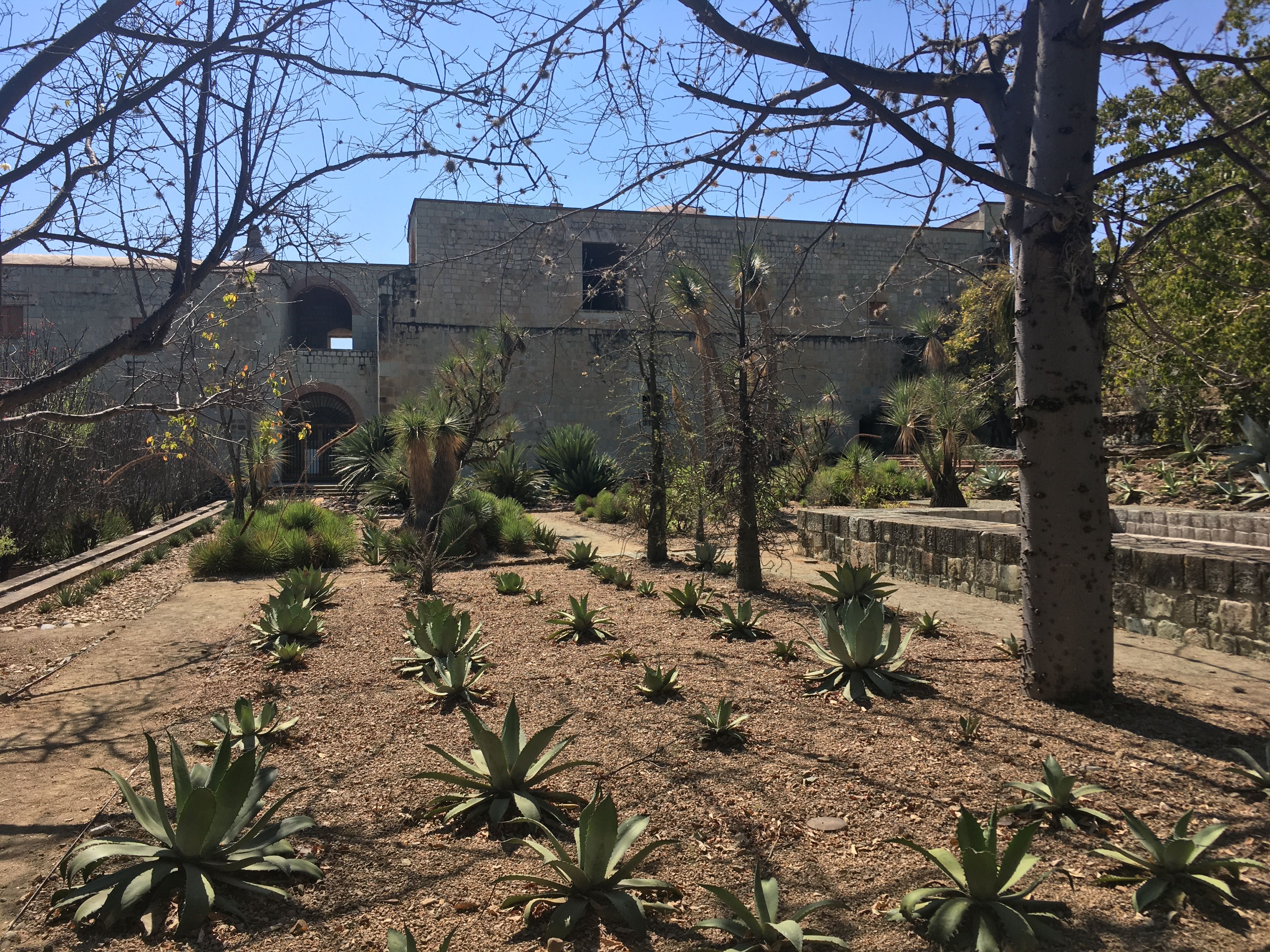
Oaxaca Ethnobotanical Garden: Plan Your Visit
Plan Oaxaca’s garden with clear access uncertainties, tour-language checks, official contacts and ways to connect plants with local culture.
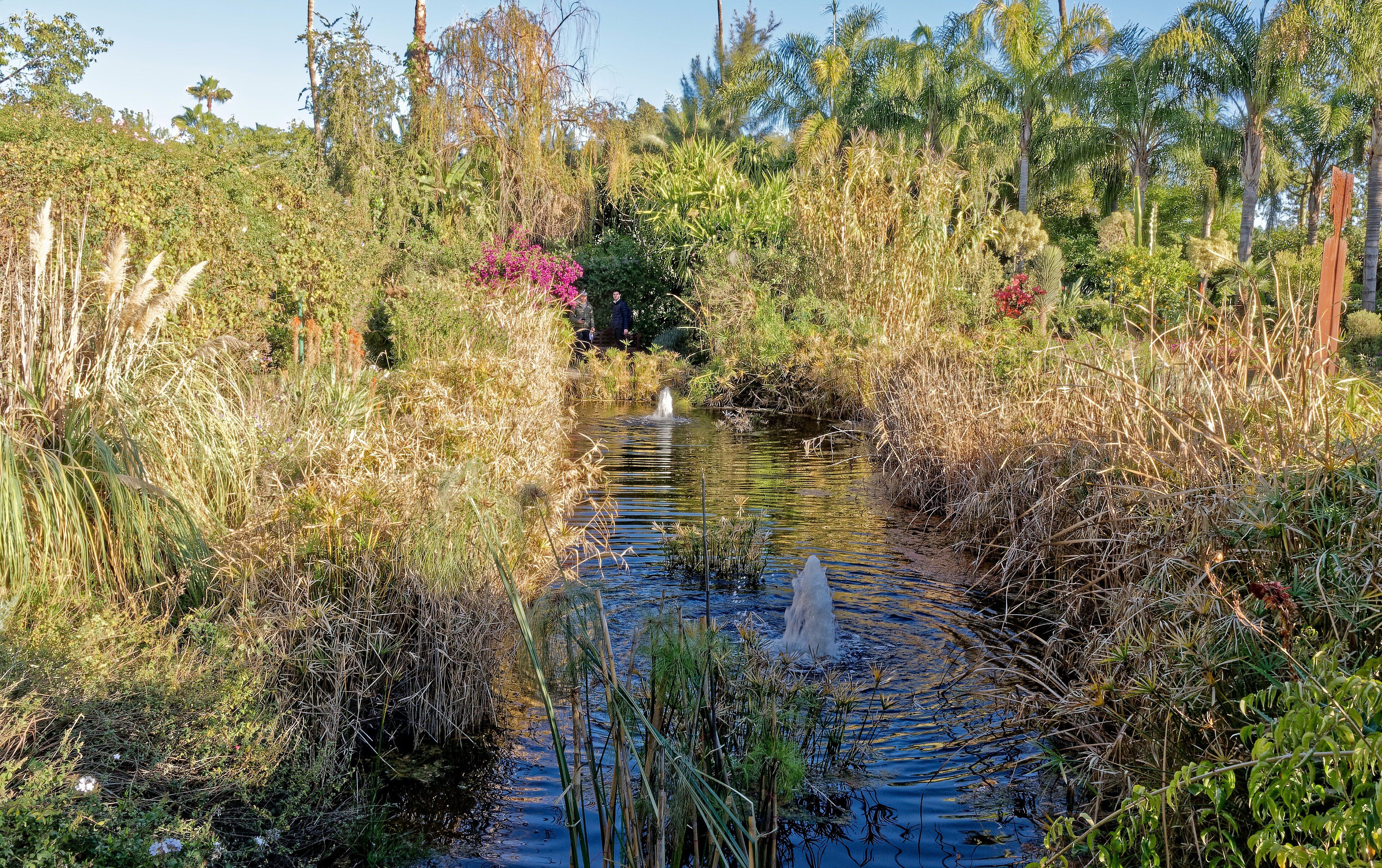
ANIMA Garden from Marrakech: Plan Your Visit
Plan ANIMA as a garden outing from Marrakech, with the official shuttle, ticket categories, café time and clear limits on access and onward travel.