
Nezu Museum Tokyo: Art, Garden and Visit Planning
Plan Nezu Museum in Aoyama: exhibition dates, ticket scope, garden access, Omotesando exits and a realistic visit alongside the galleries.
Nezu Museum works best as a focused Aoyama visit: choose an exhibition you want to see, give it proper attention, then walk through the garden. The collection, architecture and planted grounds belong together. Treating the museum as a free garden stop or a café reached through a convenient shortcut will lead to the wrong plan.
This is Nezu Museum in Minami-Aoyama, near Omotesando Station. It is not Nezu Shrine in the Yanaka–Nezu part of Tokyo. Check the full destination name before travelling: a search for “Nezu” alone can send you to a different part of the city and a different kind of visit.
Allow two to three hours for a selected exhibition, garden walk and optional break. That is an editorial estimate, not a minimum imposed by the museum. Start with the exhibition calendar, because the grounds are not an independently open public park during museum closures.
Official information checked on 9 November 2026. Prices and exhibition dates below reflect that check; confirm the event and ticket conditions for your own visit. Suggested durations are editorial estimates.
Decide whether the current exhibition interests you
The museum preserves pre-modern Japanese and East Asian art collected by Nezu Kaichirō and expanded through subsequent acquisitions and donations. Its official introduction explains the collection's breadth: painting, calligraphy, sculpture, metalwork, ceramics, lacquer and other materials. Tea utensils form an important part of it.
This does not mean all the celebrated objects appear every day. Fragile works rotate, and the exhibition programme determines what you will actually see. Open the current exhibition page before buying a ticket, then look at the concurrent displays as well as the main title. A collection highlight pictured online is not a guarantee of its presence in the galleries on your date.
On the research date, the special exhibition Bugaku Costumes: The Enduring Beauty of Textiles ran 24 October–23 November 2026. Its published calendar closed on Mondays except 23 November, and its adult prices were ¥1,600 online and ¥1,800 at the door. This is a dated example of why the specific exhibition matters; it is not the permanent programme or a promise that tickets remain available.
If you are choosing mainly for a particular painting, check its display dates explicitly. The museum's FAQ explains that rotation protects vulnerable materials from prolonged exposure. Conservation is part of the experience here, so a compact selection can be more meaningful than expecting a comprehensive survey in one afternoon.
Opening hours and the closure between exhibitions
The official facility guide lists 10:00–17:00, with last admission at 16:30. These hours apply to the galleries, garden, museum shop and NEZUCAFÉ. Entering just before the cutoff leaves little room for a combined visit, even if you can still buy a ticket.
The museum normally closes on Mondays, during exhibition installations, and over the New Year holiday period. When a national holiday falls on Monday, it opens that Monday and closes the following Tuesday. Check the calendar for the actual exhibition rather than assuming that any non-Monday date is safe.
The installation closure is particularly important if you are coming for the garden. You cannot use the outdoor grounds to work around an exhibition changeover. Before assigning the museum to your Tokyo schedule, verify that the date falls within an opening period and then choose an entry time that leaves daylight and enough time before closure.
For a morning visit, lunch can follow in Aoyama without a fixed museum departure time. For an afternoon visit, arrive early enough to protect both art and garden; place open-ended shopping afterwards. If your trip has only one possible day, settle the calendar question before building the rest of that day around it.
Tickets: what the price includes
A museum admission ticket is required for the garden, shop and NEZUCAFÉ, even if you do not intend to view the exhibition. There is no assumption of free access just for coffee. Once admitted, you can include the garden during opening hours, subject to any current restrictions.
The standard adult prices shown on the facility page at the research check were:
| Exhibition type | Online timed-entry ticket | Same-day ticket at the door |
|---|---|---|
| Museum Collection Exhibition | ¥1,400 | ¥1,600 |
| Special Exhibition | From ¥1,600 | From ¥1,800 |
Special-exhibition prices can vary. The specific event page and ticket checkout determine the amount for your visit. The dated Bugaku example above uses its own published price rather than treating “from” as a fixed universal tariff.
Check eligibility rules separately for student or other concessions and bring the required documentation. Do not assume a foreign student card qualifies for every concession without reading the museum's conditions. Use the museum's linked ticket service, choose the intended exhibition date and entry time, and review the conditions before purchase. A displayed door-ticket category is not a guarantee of immediate entry at a busy moment.
Getting there from Omotesando
The address is 6-5-1 Minami-Aoyama, Minato-ku, Tokyo. The museum gives an eight-minute walk from Omotesando Exit A5, served by the Ginza, Hanzomon and Chiyoda lines. It also lists a ten-minute walk from Exit B3, the elevator exit. These are the operator's walking estimates from the exits, not total station-to-gallery times.
Select the exit according to your access needs, then navigate to the museum entrance. If you use B3 for the elevator, allow for the different surface route rather than switching back to A5 because it looks shorter. The final approach is part of a neighbourhood walk, so leave some margin for crossings and orientation.
Arriving from another western Tokyo stop can be straightforward in an itinerary, but it still needs a deliberate transfer. Avoid combining a distant morning with a late entry slot simply because the museum looks close to a familiar station name. Your useful arrival time is when you reach reception, not when the train reaches Omotesando.
How to spend your time inside
Give the exhibition the first substantial block
A practical starting allocation is 60–90 minutes for selected galleries. Read the exhibition introduction, then choose objects to study closely. For textiles, compare material, construction and decoration; for ceramics, look at form and use. You do not need specialist knowledge to notice differences before reading the labels.
Allow the temporary display to set the pace. If it is the main reason for coming, shorten the café stop before shortening the galleries. If the theme holds little interest and the garden is your real priority, make that decision before paying rather than expecting a completely different collection to be visible.
Photography is prohibited in the galleries. Put the camera away and use the visit for looking, following staff instructions. Garden photography is a separate question: observe the signs where you are and avoid blocking paths or entering planted areas to create a composition.
Notice the building between the galleries and garden
The present main building, designed by Kengo Kuma, was completed in 2009. The museum's own account describes its bamboo-lined approach and the relationship between glazed interior spaces and the garden. These transitions are worth noticing without turning the visit into an architectural scavenger hunt.
Compare how you experience the garden from indoors with what happens when you walk into it. A framed view can make the planting seem still and compact; the paths then reveal changes in level and direction. Keep this as a way of looking, not a claim that every room or viewpoint is always accessible.
The institution opened in 1941 on the site of the Nezu family residence, according to its history. That context helps connect a private collection, domestic landscape and public museum. The current building is a later chapter, not an original house preserved unchanged around the artworks.
Leave an unhurried block for the garden
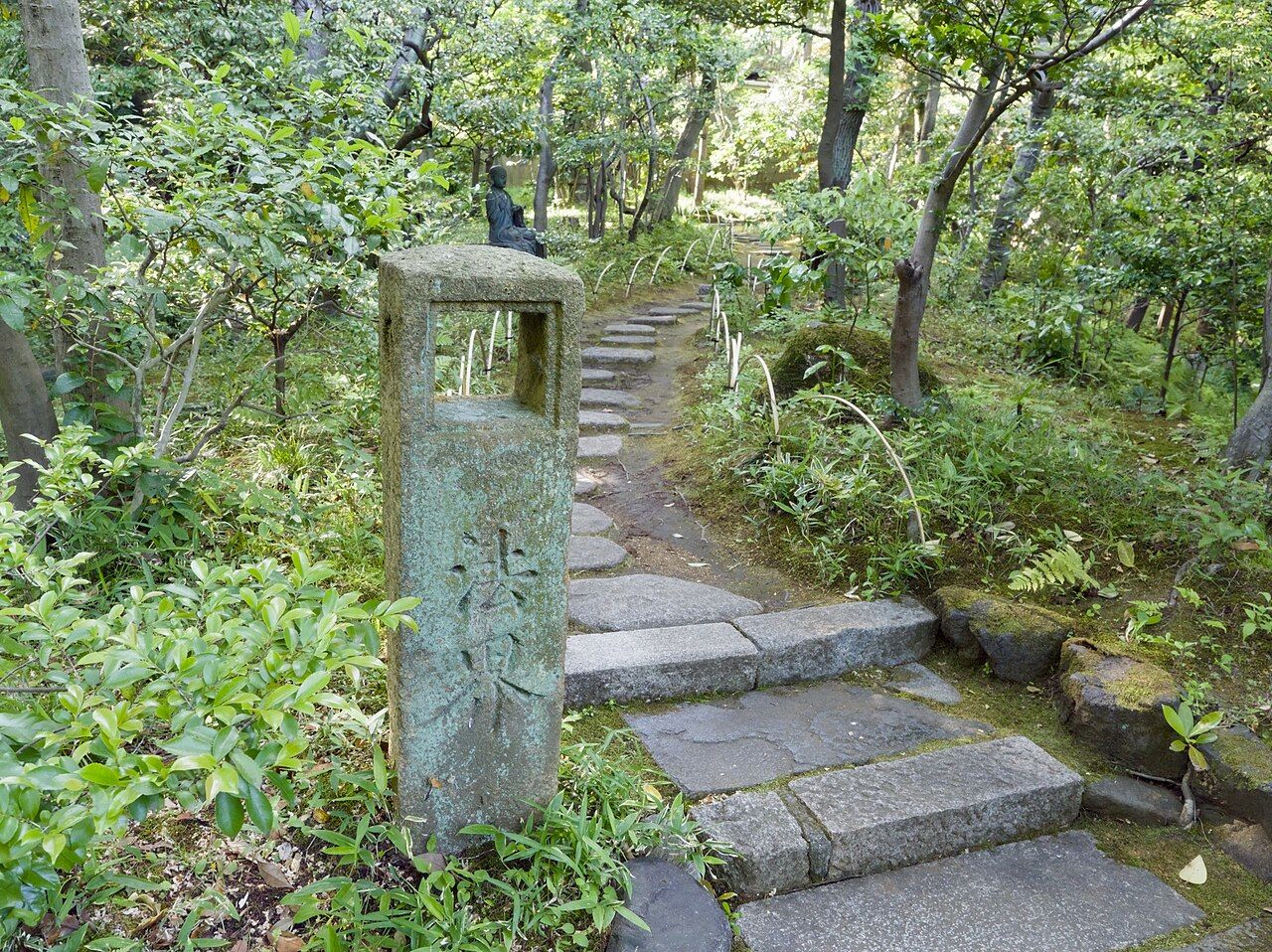
Allow 30–45 minutes for a selected outdoor walk, longer if the grounds are your main interest and time permits. The official garden guide describes stone paths, trees, lanterns and teahouses, with a landscape shaped around hills and hollows. Choose a manageable route rather than trying to reach every object on the map.
The garden is hilly, with steps and a pond. The museum specifically asks wheelchair or walker users to bring an attendant when exploring it and to seek staff guidance. Improvements to paving do not mean every path is step-free. The galleries have elevator access, so their accessibility and that of the outdoor terrain should be considered separately.
After rain, shorten the route if wet surfaces make it uncomfortable. With children, keep close attention near changes in level and water. A photograph of an empty path does not establish how crowded, dry or easy that route will be on your day.
Café, teahouses and a comfortable visit
NEZUCAFÉ is an optional part of an admitted museum visit. Do not make it the only plan for a meal or assume an immediate table; a queue can consume the time you intended for the garden. If art and landscape are the priorities, use the café only when it fits naturally.
The garden's teahouses are not normally open for casual entry. They serve tea ceremonies and specific events or invited participants. Seeing one on the map does not mean a walk-in tea service is included with the admission ticket. Check a separately advertised event if that is what you want.
Keep any food or drink consumption to the café as permitted; the museum's rules prohibit it elsewhere in the museum and garden. Travel with a manageable bag and comfortable footwear. Strollers can be used in the museum, but the FAQ says staff may ask visitors not to take them into crowded galleries; take that possibility into account when planning with a young child.
Fit Nezu into a western Tokyo day
The museum pairs naturally with a restrained Aoyama and Omotesando outing. Make it the cultural anchor, then leave time for a meal or a short architecture and shopping walk. It does not need Meiji Jingu, extensive Harajuku shopping and a timed Shibuya viewpoint added to become a full day.
Our Tokyo highlights guide helps compare different kinds of visit. In our three-day Tokyo itinerary, Nezu can replace a substantial part of the western-day browsing. Protect the museum's opening window and reduce other stops rather than compressing the art into the final half-hour.
In persistent rain, favour the galleries and a shorter garden walk, accepting that you have chosen a different balance. If the museum is closed between exhibitions, reorganize the day around another independently checked open venue or the neighbourhood. The garden cannot rescue a closed-museum plan, and Nezu Shrine is a separate destination rather than a nearby substitute.
Cover photograph: Stone steps and lantern among trees in the Nezu Museum garden in Tokyo — Fukumoto, CC BY-SA 4.0. Resized from the original; no crop or retouch.
Frequently Asked Questions
Is Nezu Museum near Nezu Shrine?
They are different destinations. Nezu Museum is in Minami-Aoyama near Omotesando Station; Nezu Shrine belongs to another part of Tokyo. Use the full museum name and address when navigating.
Can I visit only the garden or café without paying admission?
No. A museum admission ticket is required for the garden, museum shop and NEZUCAFÉ. They do not operate as a free public garden or independent café access route during museum closures.
How much time should I allow at Nezu Museum?
Allow two to three hours for a selected exhibition, garden walk and optional break. This is an editorial estimate. Come well before the 16:30 last-entry cutoff if you want time for both galleries and grounds.
Is Nezu Museum open every day except Monday?
No. It also closes during exhibition installations and the New Year holiday period. A national holiday on Monday normally means Monday opening and Tuesday closure. Check the exhibition calendar for your precise date.


Keep Exploring
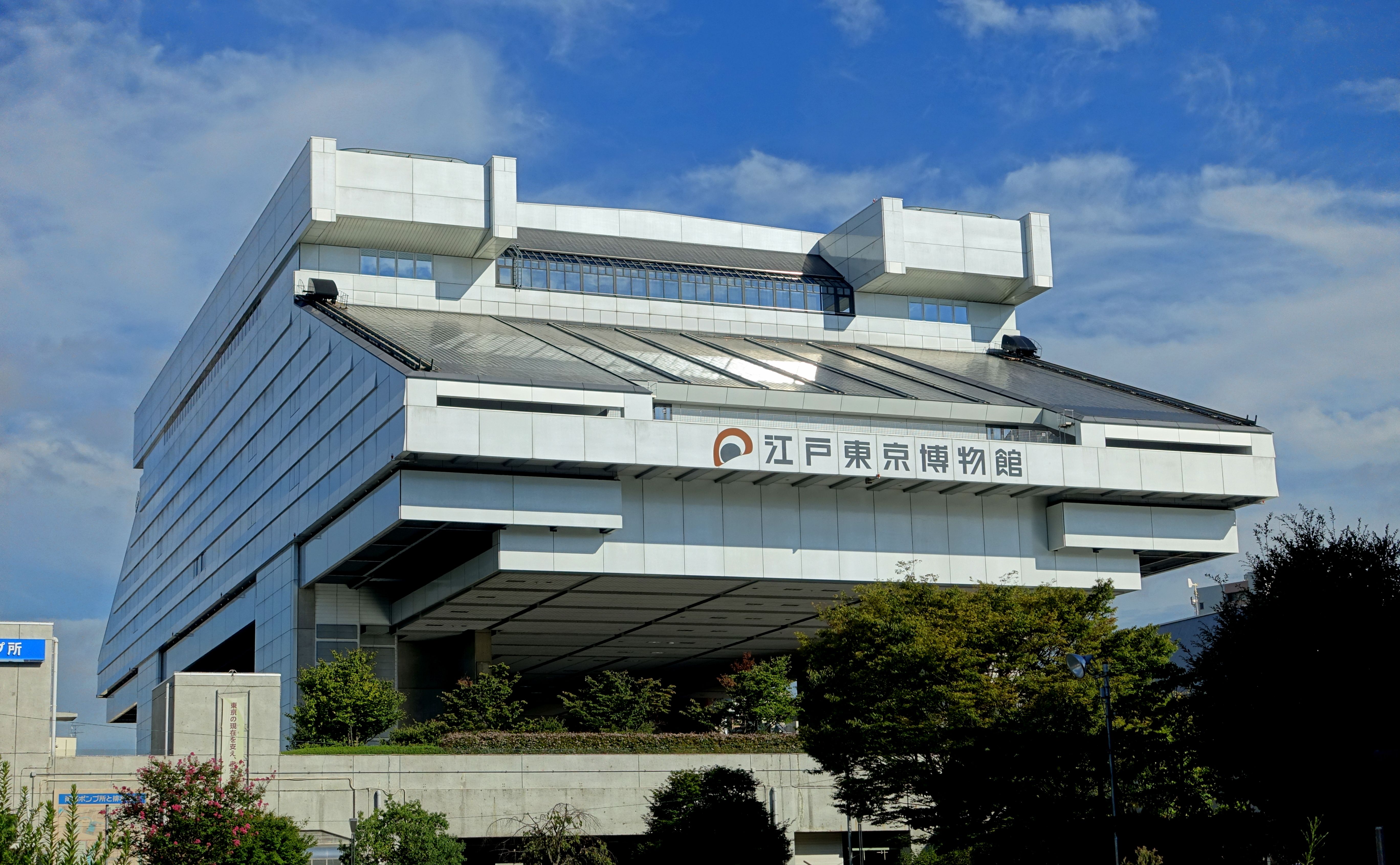
Edo-Tokyo Museum: Plan Your Visit
Visit the reopened Edo-Tokyo Museum in Ryogoku: current tickets, hours, a focused exhibition route and practical access advice.
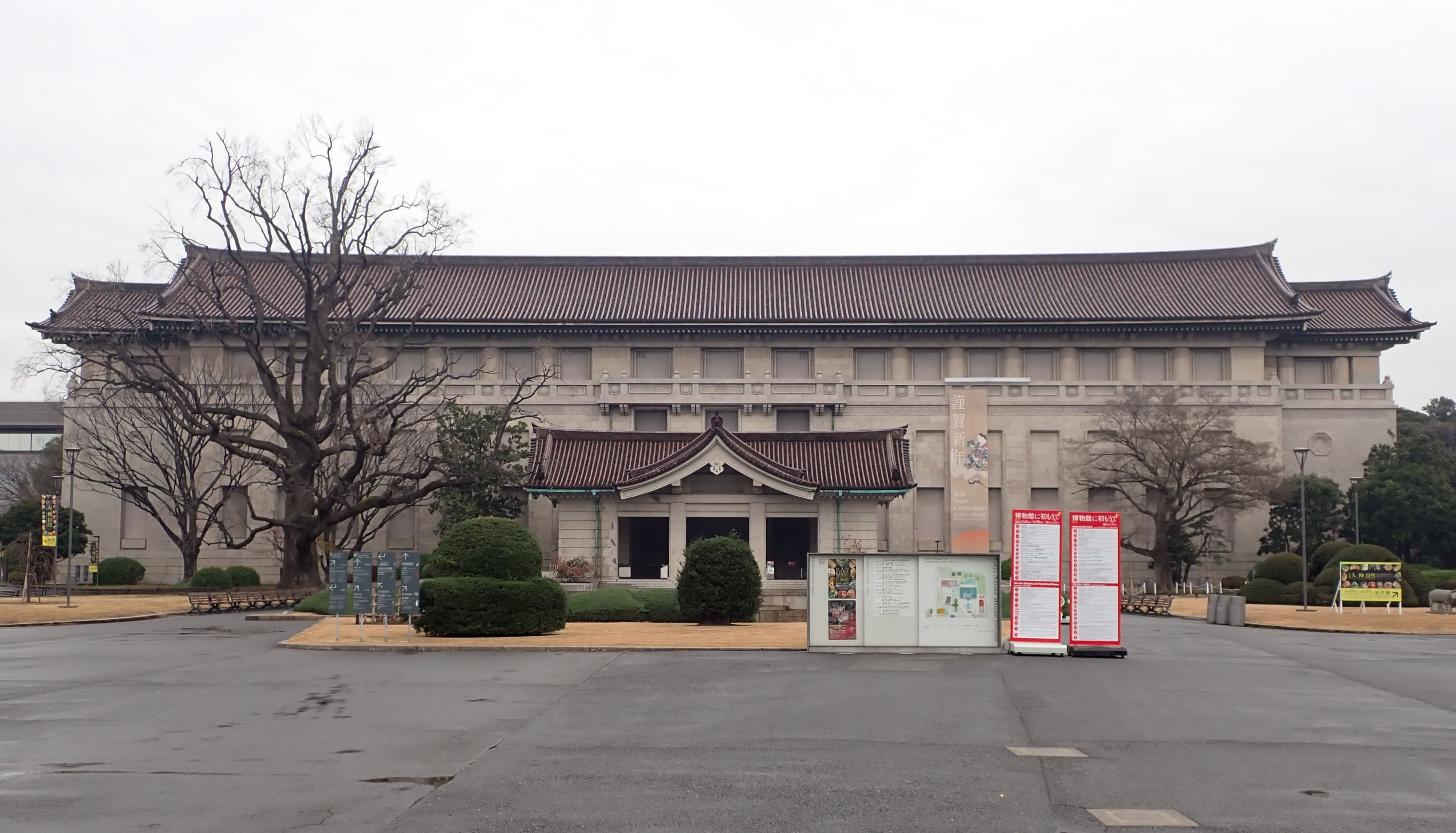
Tokyo National Museum: Choose Your Visit
Choose Tokyo National Museum galleries and tickets, with a focused Honkan route, late-2026 closures, hours and suitcase rules.
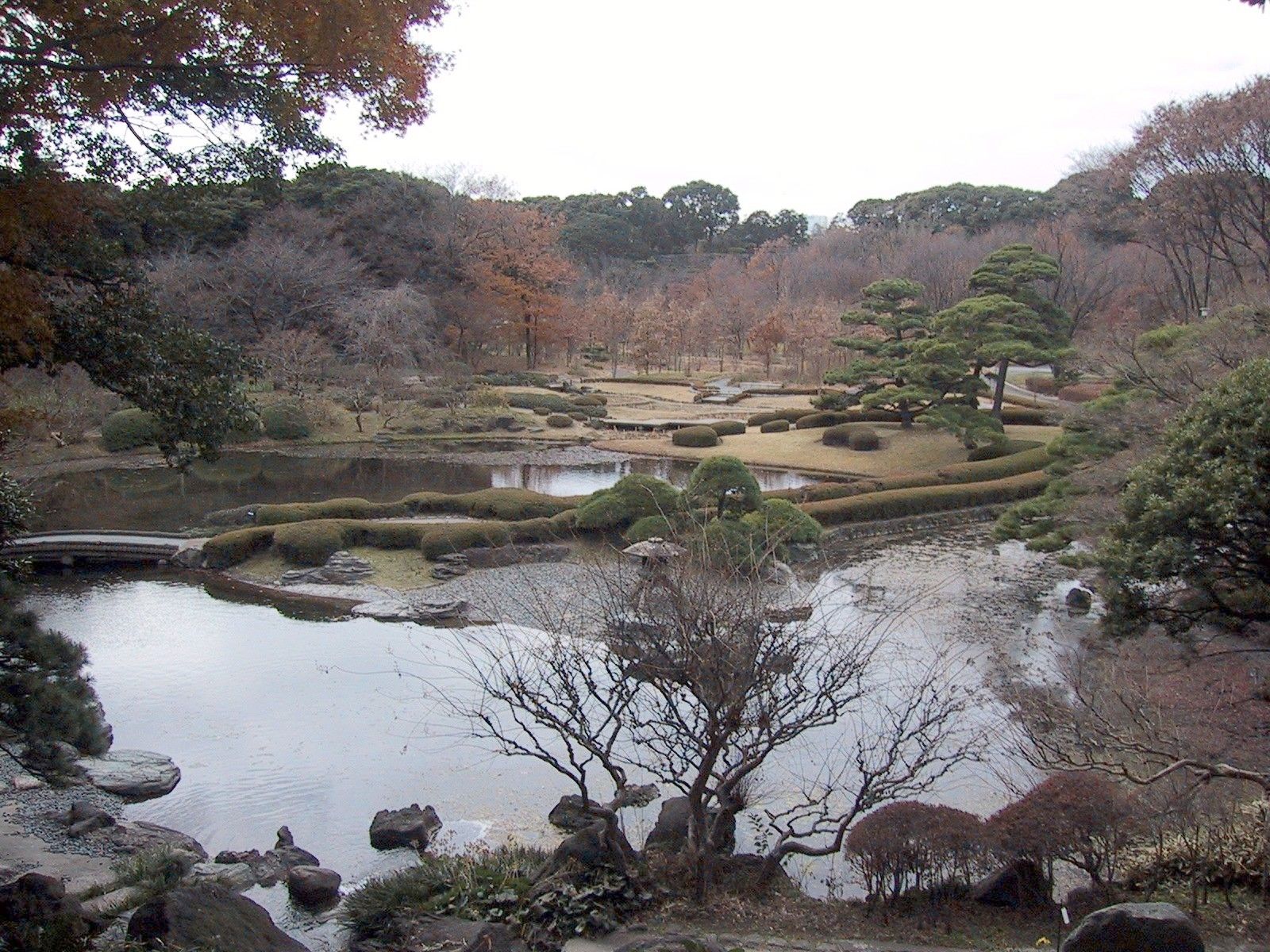
Tokyo Imperial Palace East Gardens: Plan Your Visit
Plan a free walk through Edo Castle remains and Ninomaru, with seasonal hours, gate choices and the difference from a palace tour.