
Need a quick escape? Explore the best long-weekend destinations in Europe—city breaks, coastal escapes and mountain retreats—with itineraries, local tips and transport advice.
Best Long Weekend Destinations in Europe
Europe is uniquely suited to long weekends: dense transport networks, compact historic centres and a huge variety of cultures mean you can immerse yourself in food, museums and scenery in 48–72 hours. Below are tried-and-tested destinations, each with a short sample itinerary, why they work for a long weekend, and local tips to help you make the most of your trip.
How to pick a destination for a long weekend
- Travel time: aim for under 4 hours door-to-door (flight + transit) so you arrive with time to explore.
- Weather & season: consider shoulder seasons (April–June, September–October) for smaller crowds and mild weather.
- Interests: culture? food? nature? Some cities (Prague, Krakow) are concentrated and great for walking; coastal spots (Dubrovnik, Porto) pair city charm with beaches or water views.
Top Picks for a Memorable Long Weekend
Lisbon, Portugal — Hills, Pastéis & Sunset Views
Why it works: Compact tram-lined neighbourhoods, excellent food, and late sunsets in summer.
48-hour plan: Morning tram 28 ride and Alfama walk; afternoon at Belém for Pastéis de Belém and Jerónimos Monastery; evening in Bairro Alto for fado. Day two: Feira da Ladra flea market, LX Factory creative hub and a sunset at Miradouro da Senhora do Monte.
Local tips: Wear comfortable shoes—Lisbon is hilly. Buy a 24-hour Viva Viagem card to save on trams and metro. Try a bifana sandwich from a small tavern for lunch.
Barcelona, Spain — Gaudí, Beaches & Tapas
Why it works: World-class architecture, beaches and compact neighbourhoods make Barcelona ideal for mixing culture and relaxation.
48–72 hour plan: Start at Sagrada Família (book ahead), explore Passeig de Gràcia and Gothic Quarter, afternoon at Barceloneta beach. On day two, visit Park Güell and the Picasso Museum, then tapas crawl at El Born.
Pro tip: Use our day-trip guide for mountains, monasteries and beaches around Barcelona: [/en/weekend-getaways/day-trips-barcelona-mountains-monasteries-beaches]. Avoid dining at the very touristy La Rambla restaurants; walk two blocks in and you’ll find better tapas and prices.
Porto, Portugal — Wine, Azulejos & Riverside Charm
Why it works: Small, walkable centre, dramatic riverfront and a food-and-wine culture that rewards a short stay.
48-hour plan: Ribeira morning stroll, port tasting at Vila Nova de Gaia cellars, tasting francesinha or bacalhau for dinner. Day two: Climb Clerigos Tower, browse Livraria Lello, and take a short Douro River cruise.
Local tip: Porto’s compact size means you can see highlights on foot, but bring layers—riverside wind can be chilly. For more on must-dos, see our Porto itinerary: [/en/itineraries/48-hours-porto-wine-views-azulejos].
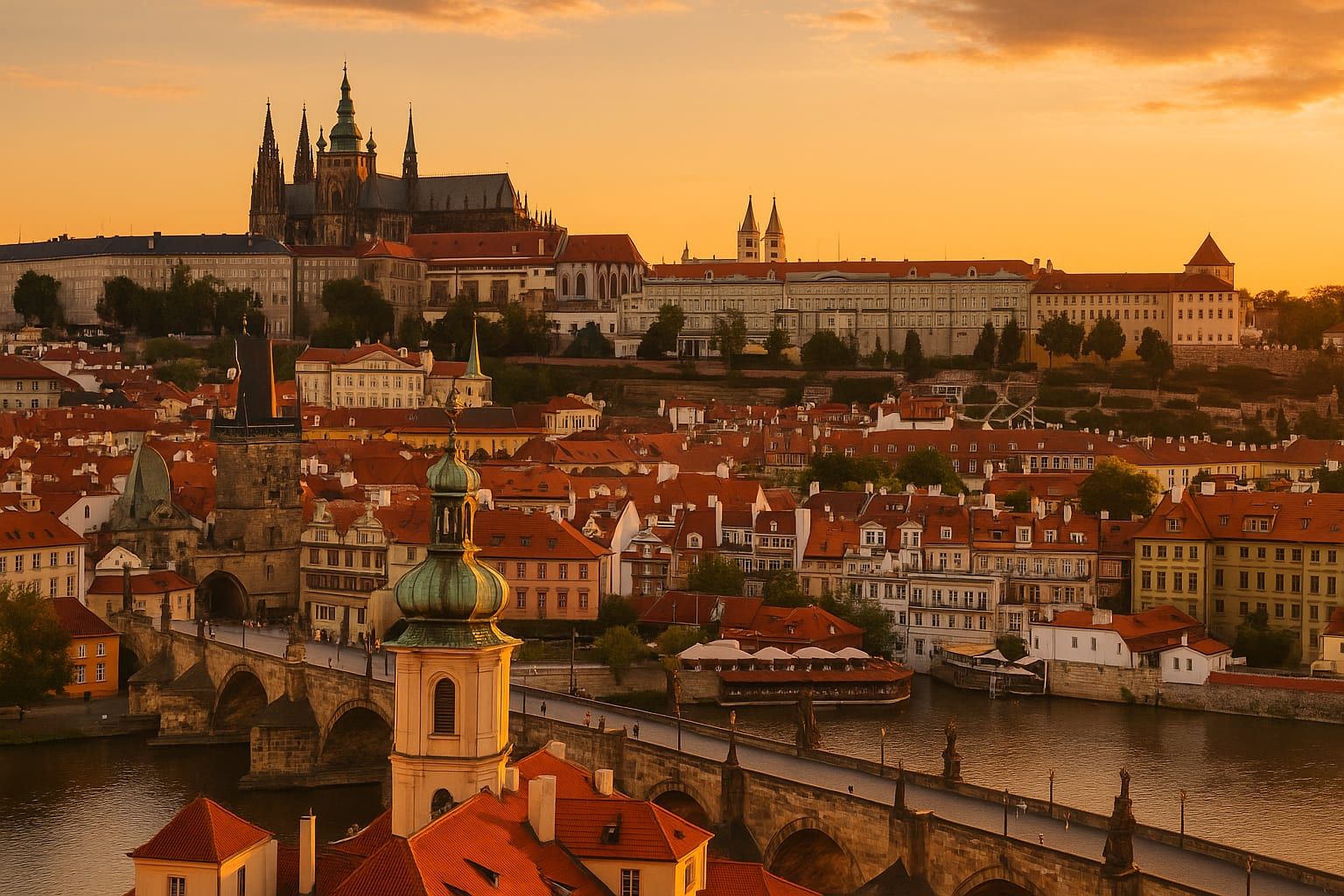
Prague, Czechia — Gothic Streets & Easy Walking
Why it works: The historic centre is compact and atmospheric, ideal for strolling and café stops.
48-hour plan: Old Town Square and Astronomical Clock at dawn to avoid crowds, Charles Bridge in early morning, Prague Castle and Golden Lane. Sample hearty Czech food and local beers in Mala Strana.
Local tip: Buy tickets for the astronomical clock tower and major museums online to skip lines. Winter weekends are beautiful with Christmas markets—see our seasonal guide for timings.
Krakow, Poland — History, Culture & Lively Squares
Why it works: A compact Old Town and rich cultural sites mean you can cover museums, castles and food markets without long transfers.
48–72 hour plan: Start at Main Market Square and Wawel Castle, visit Kazimierz (Jewish quarter) for cafés and street art. Reserve a half-day for Auschwitz-Birkenau if you plan a sobering day trip (book well in advance).
Local tip: Krakow is wallet-friendly—great for travellers on a budget. For a practical 3-day plan, check our Krakow itinerary: [/en/itineraries/3-days-in-krakow-polands-cultural-heart].
Budapest, Hungary — Thermal Baths & Ruin Bars
Why it works: Two cities in one (Buda and Pest) packed with baths, grand boulevards and vibrant nightlife—easy to explore in two nights.
48–72 hour plan: Start at Buda Castle and Fisherman’s Bastion, cross to Pest for St. Stephen’s Basilica, then unwind in Széchenyi or Gellért Baths. At night, experience a ruin bar in the Jewish Quarter.
Local tip: Book a morning or late-evening bath slot to avoid peak times. For a focused three-day plan with food and nightlife suggestions, see: [/en/itineraries/3-days-budapest-baths-ruin-bars-beyond].
Amsterdam, Netherlands — Canals, Museums & Bicycles
Why it works: Walkable centre, world-class museums packed close together, and distinct neighbourhoods to explore by bike.
48-hour plan: Van Gogh Museum and Rijksmuseum in the morning (book ahead), stroll Vondelpark, explore Jordaan’s cafés and boutiques. Cruise the canals at sunset.
Local tip: Rent a bike only if you’re comfortable with city cycling—Amsterdam traffic is busy. Trams and ferries make sightseeing easy without a bike.
Copenhagen, Denmark — Design, Hygge & Harbour Baths
Why it works: A tidy, compact capital with a calm vibe, great food scene and easy-to-navigate transport.
48-hour plan: Nyhavn and harbourfront, Christiansborg Palace, Tivoli Gardens in the evening. Day two: cycle to Frederiksberg or take a food tour in Nørrebro.
Local tip: Restaurants can be pricey—try smørrebrød (open-faced sandwiches) at local cafés for a more affordable taste of Danish cuisine.
Seville, Spain — Flamenco, Patios & Sunlit Squares
Why it works: Warm weather for much of the year, compact historic core and lively plazas make Seville ideal for a cultural weekend.
48-hour plan: Alcázar and Seville Cathedral (tomb of Columbus), meander through Santa Cruz, watch a flamenco show at a small tablao in the evening.
Local tip: Siesta culture means shops close midday—plan sightseeing for mornings and evenings. Book Alcázar tickets online for popular dates.
Dubrovnik, Croatia — Walls, Adriatic Views & Walkable Old Town
Why it works: The fortified Old Town is compact and visually stunning, perfect for an immersive short stay.
48-hour plan: Walk the city walls early morning, take the cable car for panoramic views, and enjoy seafood on Stradun. If weather allows, add a short boat trip to Lokrum.
Local tip: Summer gets extremely crowded—visit in spring or autumn for fewer cruise-ship crowds and milder temperatures.
Lucerne & the Swiss Lakes — Mountain Air in a Short Break
Why it works: Switzerland’s rail network makes alpine scenery achievable on a long weekend—great if you want nature over nightlife.
48–72 hour plan: Take the GoldenPass or Luzern–Interlaken line for lake and mountain views, explore Lucerne’s Old Town, and ride a cable car up Pilatus or Rigi for panoramic hikes.
Local tip: Swiss travel passes can save money on trains, boats and cable cars—compare point-to-point tickets versus a Swiss Travel Pass depending on your itinerary.
Planning & Practical Tips for Long Weekends
Travel logistics
- Fly in on Friday evening and return Sunday night (or Monday morning) to maximize time—overnight flights cost less time but remember jet lag if crossing time zones.
- Trains are often the best choice for city-centre arrivals (Amsterdam, Paris, Zurich). Book high-speed trains in advance for discounts.
Accommodation
- Choose a central neighbourhood to cut transit time—historic centres, near major tram/metro lines, or near the main train station.
- Consider aparthotels or local guesthouses for longer stays: they often provide kitchenettes which are handy for breakfast and late arrivals.
Money & safety
- Most of Europe uses the euro; check local currency for UK, Czechia, Poland, Switzerland, etc.
- Keep one main card and a small amount of cash; use RFID-blocking wallets if you’re concerned about pickpockets in touristy areas.
Eating smart
- Book popular restaurants in advance for Friday and Saturday nights.
- Eat like a local—street markets and neighbourhood cafés offer authentic food at lower prices than tourist hotspots.
Seasonal picks
- Winter: Christmas markets in Strasbourg, Prague, Nuremberg and Vienna offer magical weekends—pack warm layers. See our seasonal resources for market timings.
- Spring & autumn: Best for lower crowds and pleasant walking weather.
- Summer: Coastal towns and islands shine but prepare for higher prices and crowds.
Local-insider tips (small touches that make a trip better)
- Arrive early at main sights to enjoy them before tour groups. Sunrise at Charles Bridge or Sagrada Família’s surroundings is magical.
- Small-group walking or food tours give concentrated insights into each city—perfect when time is limited.
- If you only have one restaurant night, pick a place with local specialties rather than the obvious tourist dish—ask your hotel host or a local for a recommendation.
- Use transit apps (Citymapper, Google Maps offline maps) to avoid getting stuck without data.
Sample long-weekend packing list
- Comfortable walking shoes, light rain jacket, a plug adapter and a small daypack.
- Reusable water bottle (many European cities have drinkable tap water) and portable phone charger.
Final advice: plan, but leave room to wander
With sharply limited time, a little planning goes a long way—book your top museum or landmark in advance and leave the afternoons for wandering neighbourhoods, cafés and markets. Long weekends are about concentrated experiences: a perfect pastry at dawn, the sunset from a hilltop, a late-night plate of local food. Pick one or two “musts” and let the rest unfold.
Enjoy your escape—whether you choose a beachside city like Porto, a historic capital like Prague or a spa-and-nightlife combo in Budapest, Europe rewards fast trips with deep memories.
Related
- 48 Hours in Dublin: Pubs, Literature & Georgian Beauty
- 48 Hours in Brussels: Chocolate, Beer & Art Nouveau
- 3 Days in Edinburgh: Castle, Closes & Whisky
- 3 Days in Munich: Beer, Culture & Bavaria
- 3 Days in Berlin: History, Art & Nightlife
- 3 Days in Copenhagen: Hygge, Design & New Nordic
- 3 Days in Valencia Done Right
- Best Time to Visit Europe: Month by Month
- Greek Islands: Which One Is Right for You?
- Summer in Scandinavia: Midnight Sun Magic
- Cherry Blossoms in Europe: Best Spots
- Last-Minute Weekend Getaways: Europe Guide
Keep Exploring
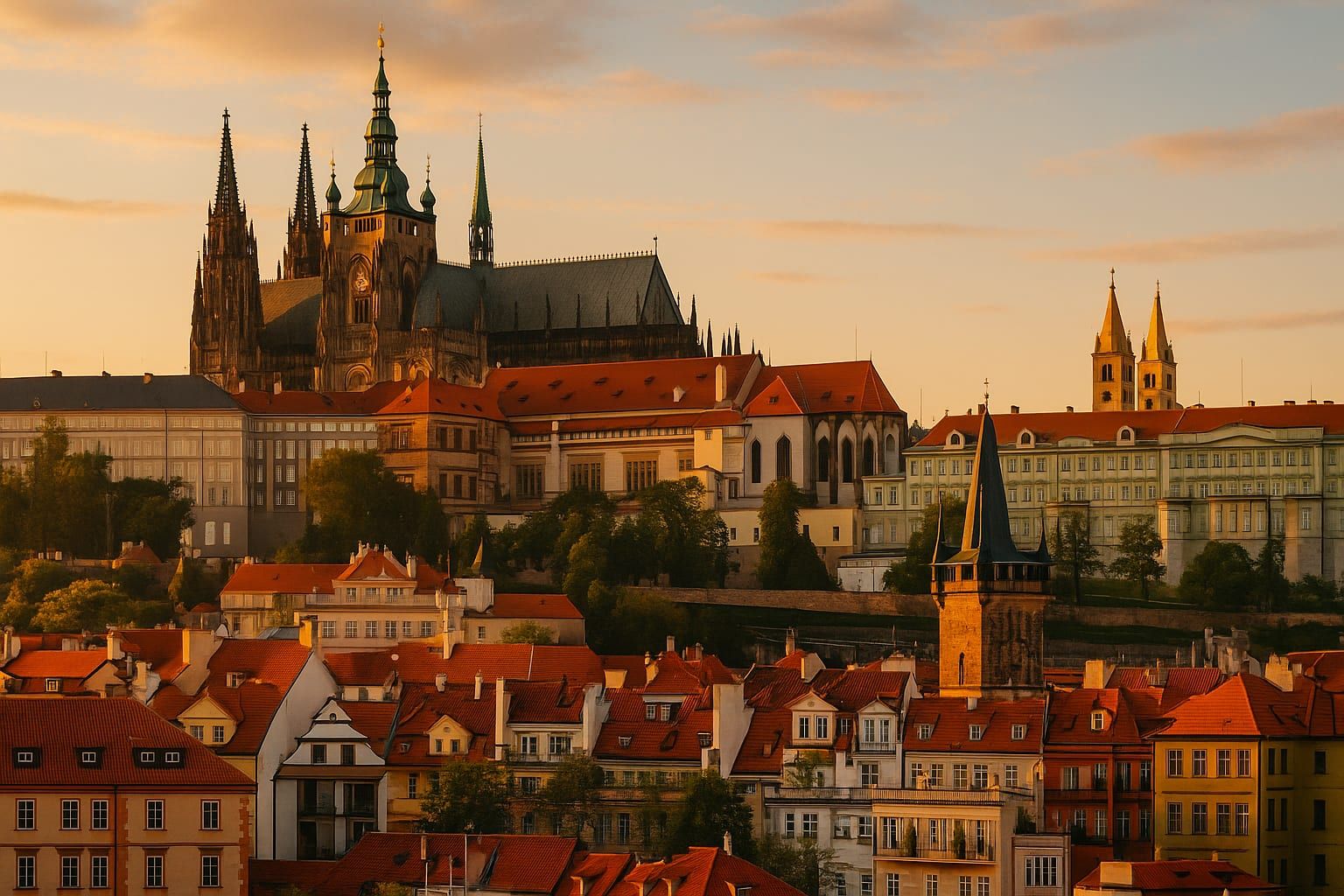
Last-Minute Weekend Getaways: Europe Guide
Need a quick escape? This practical Europe guide gives destination picks, 48-hour itineraries, booking hacks, packing lists and seasonal tips for last-minute weekend trips.
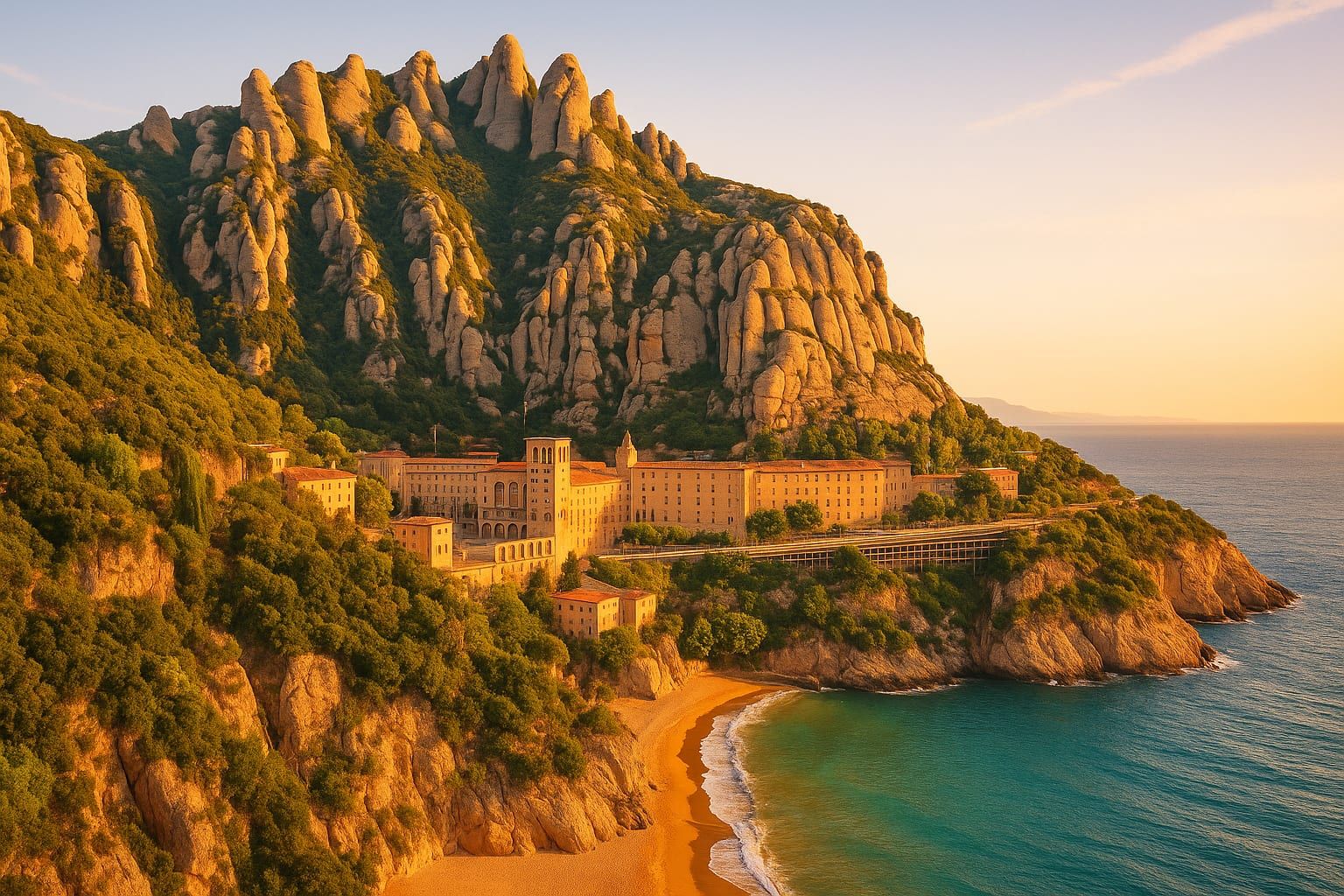
Day Trips from Barcelona: Mountains, Monasteries & Beaches
Discover the best day trips from Barcelona—mountain hikes, ancient monasteries, and Mediterranean beaches—with practical tips, sample itineraries and local insights.
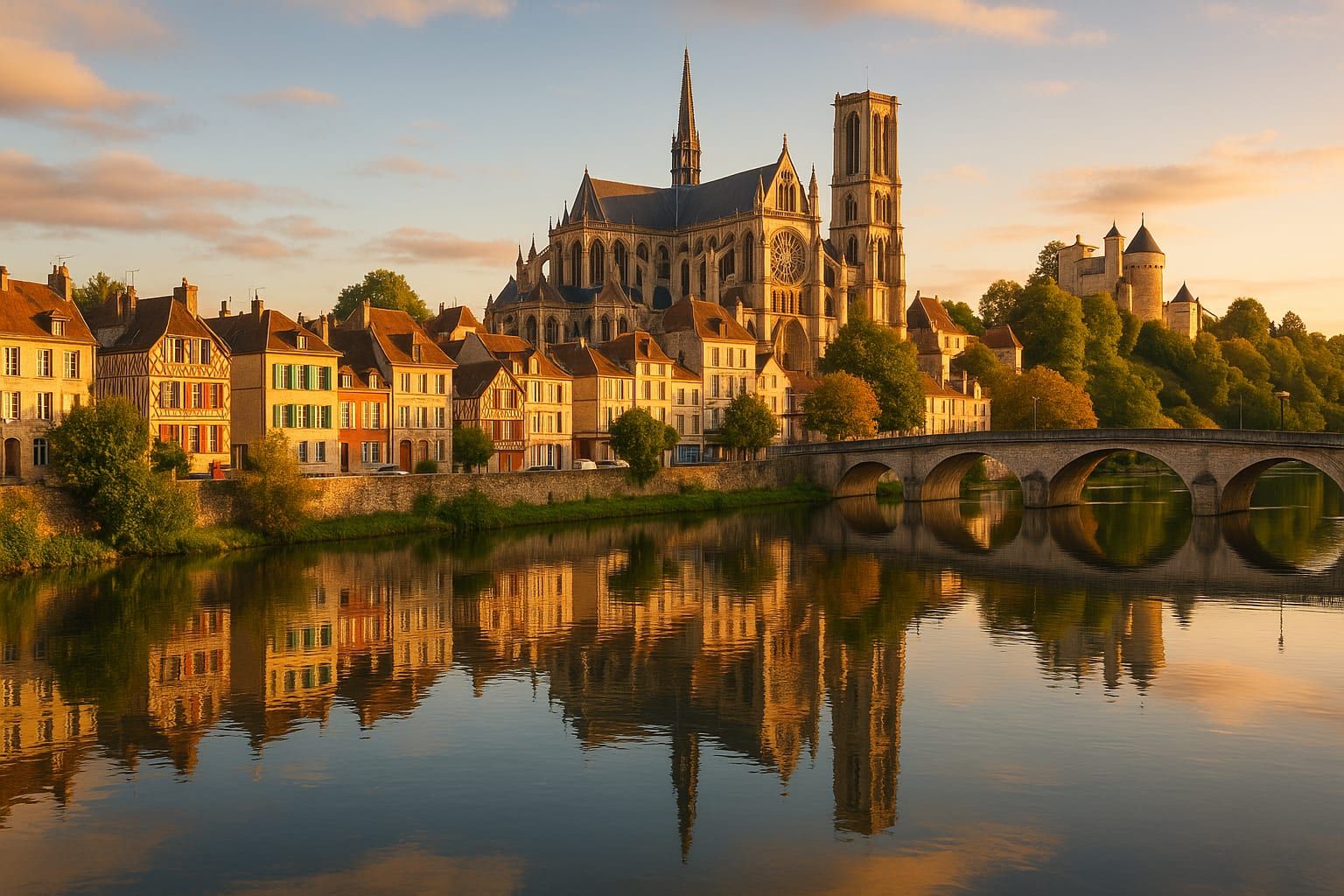
Day Trips from Paris: Beyond Versailles
Skip Versailles and discover Giverny, Reims, Fontainebleau, Chantilly, Provins and other perfect day trips from Paris. Tips, travel times, sample itineraries and local insights.