
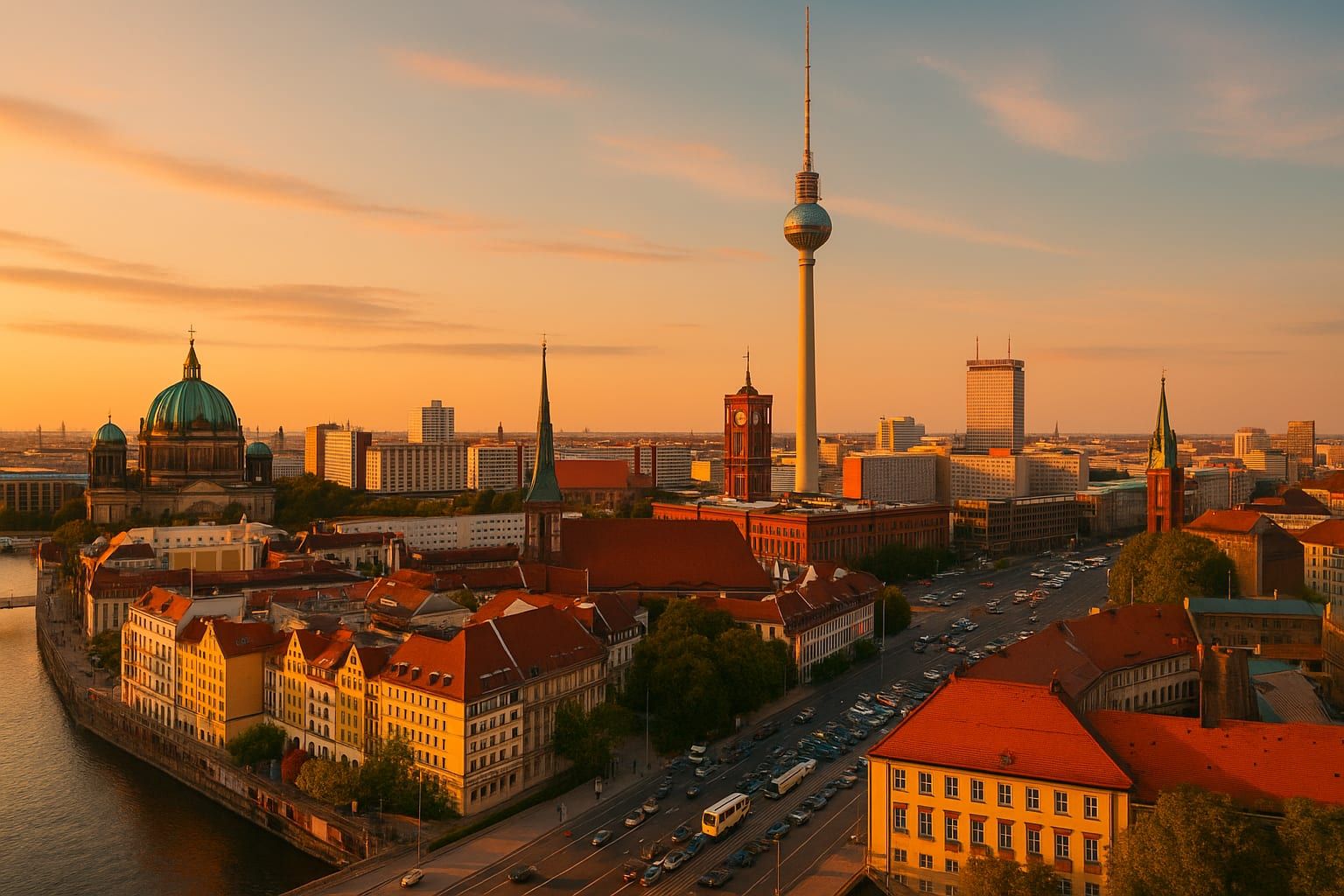
Three days in Berlin that balance heavy history with cutting‑edge art and electric nightlife — an itinerary with practical tips, local eats and insider tricks.
3 Days in Berlin: History, Art & Nightlife
Berlin is a city of contrasts: imperial façades sit beside Cold War scars; world‑class museums neighbour spray‑painted walls and techno temples. In three days you can touch the city’s major historical sites, sample its art scenes, and experience the nightlife that made Berlin legendary — without feeling rushed.
Below is a practical, walkable 3‑day itinerary plus local tips, transport advice and alternatives so you can tailor the trip to your taste.
Before you go: practical essentials
- Transport: Buy a day pass (AB zones cover most tourist areas) or the Berlin WelcomeCard for combined transport and museum discounts. Use the BVG app for tickets and timetables.
- Tickets: Book timed entries in advance for the Reichstag dome and popular museum exhibitions (Pergamon Museum often requires reservations). Many top restaurants and clubs also have queues — reserve where possible.
- Cash vs card: Most cafés and markets accept cards, but small cafés, street food stalls and some club cloakrooms still prefer cash. Carry €20–40 on you.
- Language: German is the official language, but English is widely spoken in tourist and nightlife areas.
- Safety: Berlin is generally safe; watch for pickpockets in crowded spots and be mindful of bike lanes.
Day 1 — History & the core sights
Morning: Brandenburg Gate, Reichstag & Holocaust Memorial
Start at Pariser Platz to see the iconic Brandenburg Gate. From there it’s a short walk to the Reichstag (the glass dome designed by Norman Foster) — register online for free timed entry to enjoy panoramic views and learn about Germany’s parliamentary system.
A few minutes further is the Memorial to the Murdered Jews of Europe (Holocaust Memorial). Walk the undulating concrete stelae quietly; the visitor centre below provides historical context.
Why this order? These three sites are geographically clustered and form the backbone of modern Berlin’s narrative: imperial grandeur, democratic reinvention and solemn remembrance.
Lunch near Unter den Linden
Grab lunch on Unter den Linden — bakeries, cafés and small restaurants line the boulevard. For a quick, local bite try currywurst from a nearby stand, or sit down for modern German fares like schnitzel or seasonal dishes.
Afternoon: Museum Island and Berlin Cathedral
Dedicate your afternoon to Museum Island (Museumsinsel), a UNESCO site. Even if you don’t have time for every museum, prioritize: the Pergamon Museum (Ancient Near East, Pergamon Altar) or the Neues Museum (Egyptian Antiquities and the iconic bust of Nefertiti). Note: popular exhibitions require timed tickets.
Finish with the imposing Berlin Cathedral (Berliner Dom) — climb the dome terrace for bone‑deep city views.
Evening: Dinner and a relaxed bar
Head to Hackescher Markt for dinner — the courtyards (Hackesche Höfe) are full of eateries. For a relaxed first night, sample a craft cocktail or local beer in Mitte. If you’re curious about late nights, get a feel for door policies early: many clubs prioritize local vibe over tourist spectacle.
Day 2 — East Side Gallery, Street Art & Alternative Culture
Morning: East Side Gallery & the Spree
Begin at the East Side Gallery, the longest remaining stretch of the Berlin Wall, now covered in murals by international artists. Walk west along the river to feel the scale and read the political messages painted after 1989.
Midday: Friedrichshain & Boxhagener Platz
Explore Friedrichshain’s cafés and the Boxhagener Platz market (Sundays have a lively food and flea market). For lunch try a legendary döner — many locals argue Berlin serves the best döner in Europe. Mustafa's Gemüse Kebap in Kreuzberg is famous, but there are fantastic alternatives across the city.
Afternoon: Kreuzberg street art & Markthalle Neun
Cross into Kreuzberg to discover street art, independent galleries and a buzzing food scene. Visit Markthalle Neun (check event schedules) for artisanal foods and local producers.
If you want an offbeat excursion, consider the Teufelsberg (abandoned Cold War listening station built atop war rubble) for panoramic views and raw graffiti — it’s a longer trip but rewarding for urban explorers.
Evening: Neukölln bars and Späti culture
Neukölln is the neighbourhood to experience Berlin’s intimate bars and late‑night general stores (Spätis) that double as social hubs. For something different, join a bar crawl or pick a small local bar to sample German wines and natural wine bars that have proliferated in recent years.
Nightlife option: a relaxed canal‑side beer at a Kreuzberg Spree bar, or if you’re preparing for a full Berlin club night, rest up — clubs often peak after 1–2am.
Day 3 — Art, markets & nightlife immersion
Morning: Contemporary art in Mitte
Spend the morning exploring contemporary art in Mitte. Galleries cluster around Auguststrasse and Rosenthaler Platz. The Hamburger Bahnhof (Museum für Gegenwart) is the main museum of contemporary art and well worth a visit for modern collections.
Lunch & afternoon: Flea markets and Tiergarten
If your trip includes a Sunday, Mauerpark is unmissable — it’s equal parts flea market, food stalls and a public karaoke spectacle that’s pure Berlin. Otherwise, wander the Tiergarten for a peaceful respite; stop at Café am Neuen See for a lakeside beer in summer.
Late afternoon: Alternative galleries & independent cinemas
Circle back to independent spaces or see a film at an arthouse cinema. Berlin’s film culture is strong; many venues screen movies in original language with German subtitles.
Evening: The nightlife — choosing your night
Berlin nightlife is diverse. Decide what you want:
- Techno & clubs: Berghain is world famous for its sound system and marathon sets — expect strict door policies, long queues and a no‑photos rule. Alternative techno clubs include Sisyphos (more festival vibe), ://about blank and Watergate (riverside views in Friedrichshain).
- Live music & intimate venues: Check out SO36 in Kreuzberg or smaller venues around Neukölln and Mitte for indie and punk shows.
- Bars & late‑night food: After the club night, many people hit a Späti for snacks or a döner. Local tradition: excellent late‑night currywurst and döner stalls keep the city fueled.
Tip: Clubs often prefer cash for beers and cloakrooms. Respect dress codes (avoid huge tourist groups and flash cameras). If denied entry, don’t argue — just try another place; Berlin has a huge alternative scene.
Local insights & lesser‑known tips
- Bike culture: Berliners bike everywhere. Use bike lanes and watch for fast cyclists when stepping into the road.
- Toilets: Public restrooms are scarce; cafés and department stores are reliable. Bring small change for paid toilets.
- Spätis: These late night shops are community hubs — buy drinks, snacks and sometimes art supplies or cigarettes. They’re great for cheap, late supplies.
- Tipping: Rounding up or leaving ~5–10% is normal in restaurants. It’s common to tell the server the total you want to pay rather than leaving coins on the table.
- Museums and Mondays: Many museums are closed Monday — plan accordingly.
- Free walking tours: Join a morning free walking tour to ground your historical understanding (tip the guide if you enjoyed it).
Food highlights to try
- Currywurst: A Berlin staple — try Curry 36 or Konnopke’s Imbiss.
- Döner kebab: Mustafa's Gemüse Kebap and many local döner shops are legendary.
- Turkish & Middle Eastern cuisine: Kreuzberg and Neukölln host fantastic Turkish eateries and bakeries.
- Markthalle Neun: Street food and weekly events (Street Food Thursday is popular).
- Coffee culture: Specialty cafés abound — expect long lines at popular places but excellent coffee.
Day trips and alternatives
If you have extra time or want a quieter day, consider a half‑day trip to Potsdam (Sanssouci Palace and parks) or a train ride to the lakes north of the city in summer. If you’re planning other European city breaks, Berlin pairs well with itineraries like 3 Days in Copenhagen or city‑to‑city comparisons in our Best Long Weekend Destinations in Europe. For history lovers also considering other Central European capitals, see 3 Days in Prague.
Final tips for a smooth visit
- Pack layers: Berlin weather can change quickly, particularly in spring and autumn.
- Respect local culture: Berliners value authenticity and low‑key behaviour in clubs — avoid loud, entitled tourist behaviour.
- Plan one booking per day: Museums, major monuments and club nights are easier if you reserve one highlight in advance.
- Recharge time: Build in coffee breaks or park downtime; Berlin rewards slow exploration.
Ready to explore?
Three days gives you a concentrated taste of Berlin — the city’s history, creative present and nightlife pulse. Whether you’re moving fast through monuments and museums or lingering in galleries and cafés, Berlin is a place where history and alternative culture meet on every corner. Keep an open schedule, ask locals for recommendations, and embrace the unexpected.
Enjoy your trip — and come back: Berlin changes fast, and there will always be a new gallery, club or currywurst stand waiting on your next visit.
Related
Keep Exploring
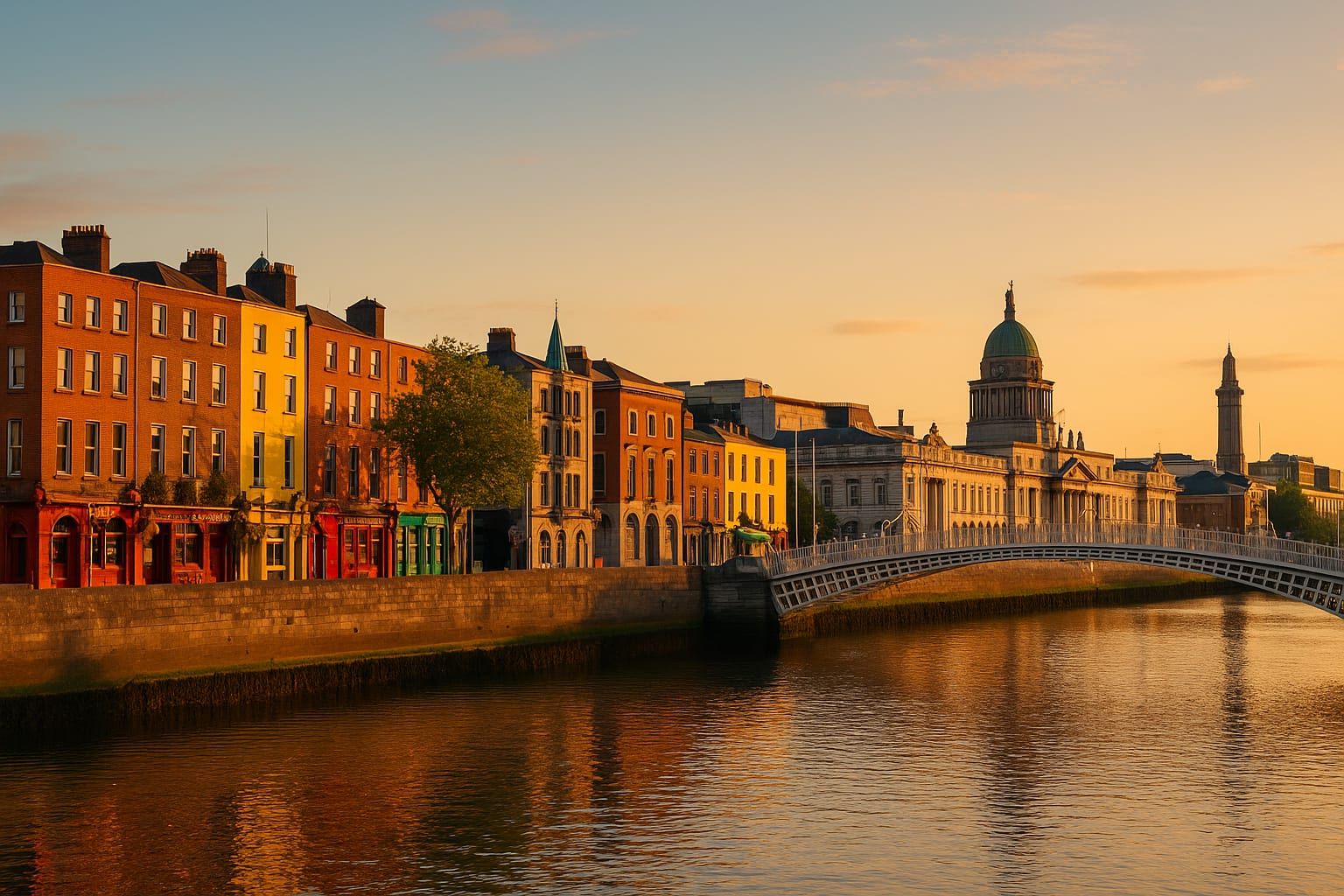
48 Hours in Dublin: Pubs, Literature & Georgian Beauty
Two days in Dublin: explore literary landmarks, lively pubs, and elegant Georgian squares. A relaxed, walkable 48-hour plan with local tips, transport notes and where to eat.
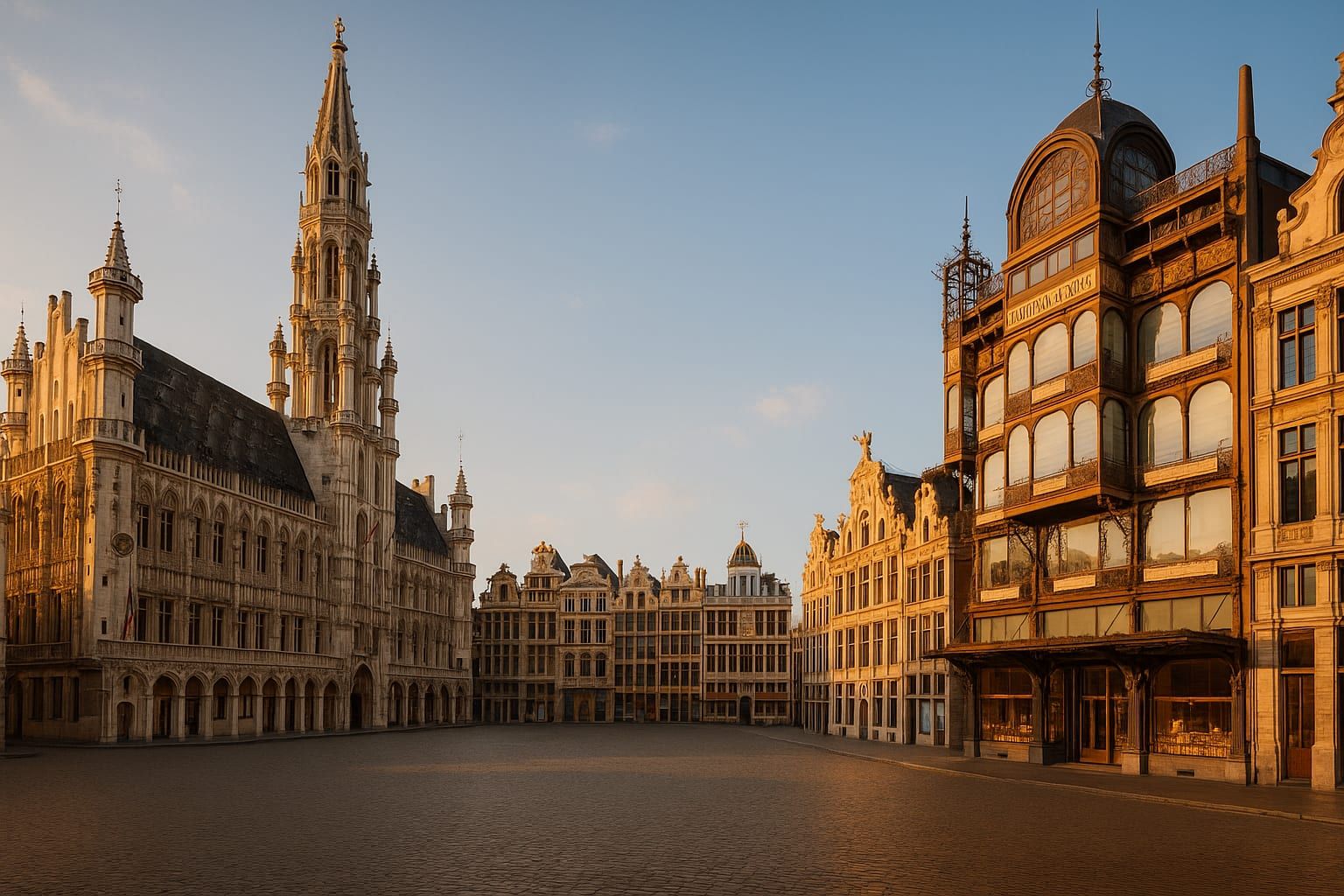
48 Hours in Brussels: Chocolate, Beer & Art Nouveau
Two days in Brussels: sample world-class chocolate, sip iconic Belgian beers and follow an Art Nouveau trail through elegant neighborhoods. A practical, walkable 48-hour plan.
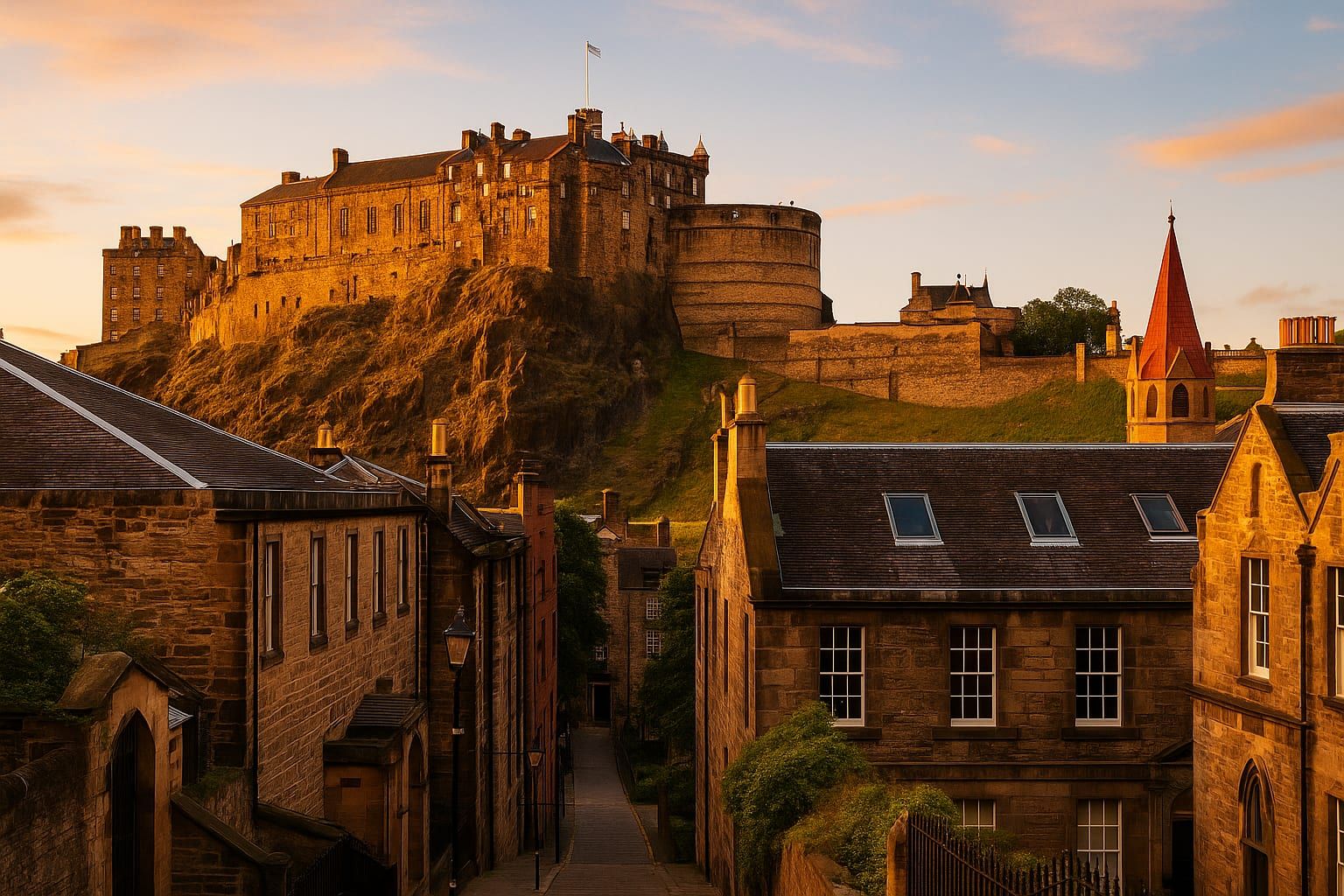
3 Days in Edinburgh: Castle, Closes & Whisky
A practical, three-day Edinburgh itinerary that balances the castle and Royal Mile with hidden closes, whisky tastings and local tips for an unforgettable city break.