
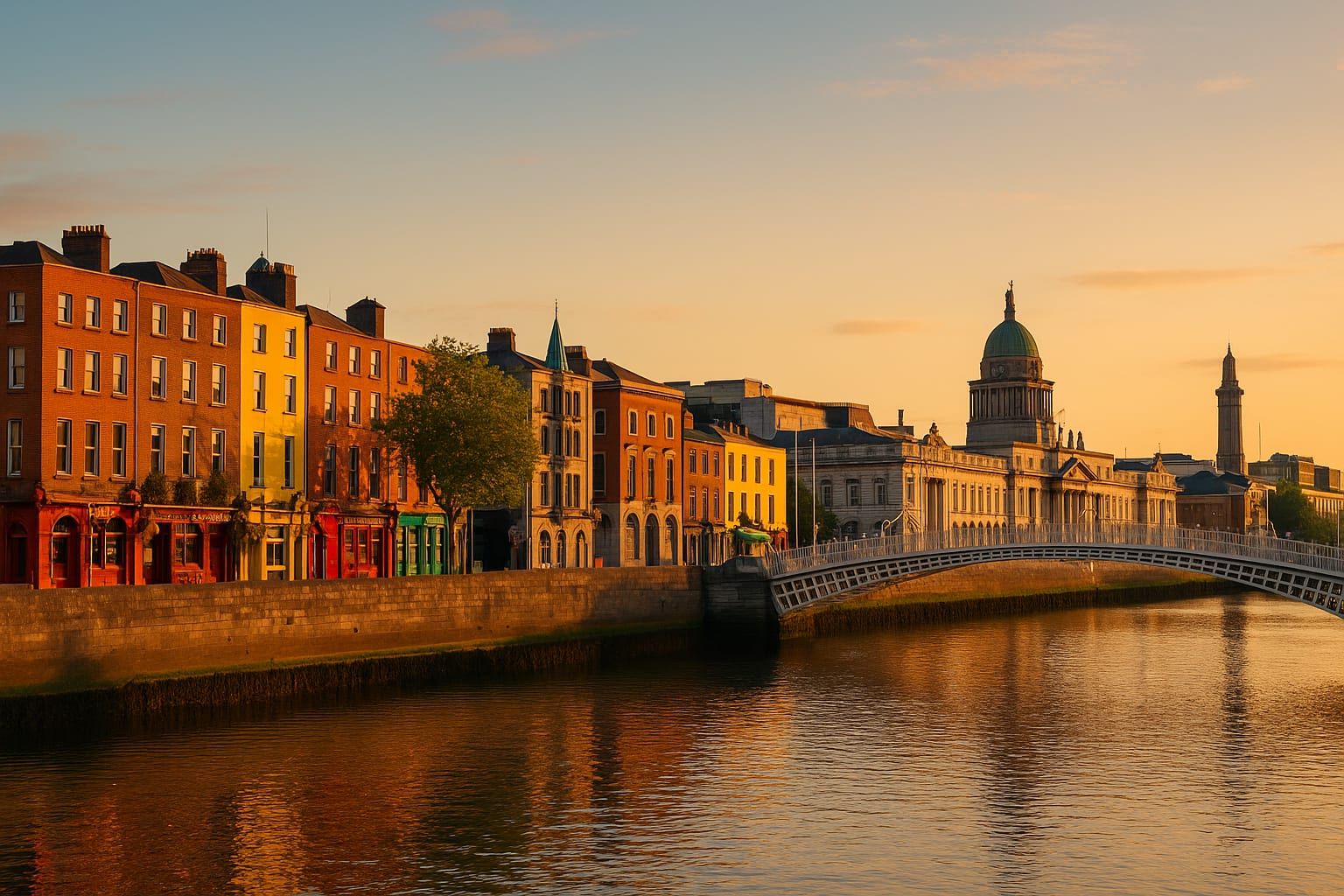
Two days in Dublin: explore literary landmarks, lively pubs, and elegant Georgian squares. A relaxed, walkable 48-hour plan with local tips, transport notes and where to eat.
48 Hours in Dublin: Pubs, Literature & Georgian Beauty
Dublin is a compact city that wears its history and character on its sleeve: Georgian terraces and bright-painted doors, world-class books and authors at every turn, and pubs that feel like living rooms where stories are traded as freely as pints. This 48-hour guide balances must-see sights with local neighborhoods, pubs with pedigree, and the calm of Georgian squares — all paced for a memorable long weekend.
Quick essentials
- Best time to visit: late spring to early autumn for milder weather and longer evenings. See more on timing in our guide to the best seasons for European travel: [/en/practical-guides/best-time-to-visit-europe-month-by-month].
- Currency: Euro (EUR).
- Getting around: Dublin is very walkable. Use the Luas tram, DART trains for coastal trips (Howth), and Dublin Bus. Buy a Leap Visitor Card for convenience if you plan multiple rides.
- Language: English (with delicious Irish lilt).
- Time zone: GMT (winter), GMT+1 (summer).
Why a weekend works
Dublin’s city centre is concentrated: many of the big draws — Trinity College, St. Stephen’s Green, Temple Bar and the Georgian squares — are within a 20–30 minute walk of each other. Two days allows for a literary deep-dive, a pub crawl with purpose, and a stroll through Dublin’s finest Georgian corners.
Day 1 — Trinity, Writers & Temple Bar (Morning to Night)
Morning: Trinity College and literary Dublin
Start at Trinity College Dublin. Arrive early to avoid queues and to visit the Old Library and the Book of Kells (prebook tickets). Even if illuminated manuscripts aren’t your thing, the Long Room — with its soaring barrel-vaulted ceiling and rows of leather-bound books — is unforgettable.
From Trinity, take a literary walking route west toward Merrion Square. Stops to consider:
- Dublin Writers Museum (for an accessible overview of Irish literary history).
- The James Joyce Centre and Sweny’s Pharmacy (a small, atmospheric spot associated with Joyce; they sometimes host readings).
- Oscar Wilde’s statue near Merrion Square — a great photo stop and reminder of Dublin’s humor.
Insider tip: Many writers’ haunts are small and not open every day; check opening times before you go. If you're a Joyce fan, a guided Bloomsday walk (June 16) is a special way to experience the city.
Lunch: Georgian cafés and markets
Head to the leafy area around St Stephen’s Green or Grafton Street. For a proper Irish lunch try a hearty seafood chowder or a modern Irish bistro. For something quick and local, look for cafés around the Iveagh Gardens or near Hatch & Sons for classic Irish fare.
Afternoon: Museums or a literary pub stop
Choose between:
- National Gallery of Ireland — compact and well-curated with Irish and European art.
- Dublinia and the medieval quarter — if you prefer history and archaeology.
After your museum time, make a short detour to one of Dublin’s literary pubs. Two favorites:
- McDaid’s — small, intimate and historically popular with writers.
- The Brazen Head — claims to be Ireland’s oldest pub (1398) and is tourist-friendly while still atmospheric.
Local insight: Literary pubs are best enjoyed slowly. Pull up a stool at the bar, chat with the bartender about locally brewed beers or an Irish coffee, and ask for live-music times if you want a session or trad set in the evening.
Evening: Temple Bar & live music (with caution)
Temple Bar is a lively area for an evening out — neon, music and crowds. While it’s touristy, it’s a good place to taste the modern Dublin nightlife and catch live music. For a more authentic experience, head slightly off Temple Bar’s busiest streets to pubs like The Stag’s Head or O’Donoghue’s (famous for traditional music).
Dining options: Book ahead for popular restaurants. Try a modern Irish tasting menu or a gastropub that does local produce well.
Pro tip: If you want a quieter nightcap, walk north toward the canals where you'll find snug pubs frequented by locals.
Day 2 — Georgian Dublin, Markets & a Coastal Escape
Morning: Georgian doors and squares
Begin your day with a walking route focused on Georgian elegance. Key highlights:
- Merrion Square (statues, Georgian terraces and the quiet of early morning).
- Fitzwilliam Square and Mountjoy Square — each offers a different aspect of Georgian planning.
- Georgian doors: the city’s colorful front doors are iconic photo material. Take your camera and a slow stroll down Grafton Street side-streets.
Local tip: Dublin’s Georgian architecture shines in the soft morning light; take time to pause on a square bench with a coffee and people-watch.
Late morning: Markets and hearty bites
If you’re here on a weekend, the Temple Bar Food Market (Sundays) or smaller farmers’ markets elsewhere are perfect for sampling local cheeses, smoked salmon, and baked goods. For a classic Dublin snack try a slice of soda bread with butter and jam — the simple local flavors are memorable.
Afternoon option A: Howth — cliffs, harbor and seafood
Take the DART from Dublin city centre to Howth (about 30–40 minutes). It’s an antidote to city bustle: cliff walks, seabirds, and some of the freshest seafood you can find. Highlights:
- Howth Cliff Walk (choose a loop matching your energy level).
- Howth Harbour — ideal for oysters, crab and fish-and-chips.
- Stroll along the piers and watch angling boats come in.
Travel note: Do the cliff walk in sensible shoes — wind and uneven paths are common.
Afternoon option B: Glasnevin & local Dublin
If you prefer something closer, head to Glasnevin to visit the National Botanic Gardens and the famous John Kavanagh “The Gravediggers” pub nearby (a real local institution with great pints and conversation).
Evening: Craft beer, gastropubs & a final literary stop
Back in the city, dedicate your last night to a memorable meal and a well-chosen pub. Try one of Dublin’s excellent breweries or a gastropub that highlights Irish ingredients. If you’re hungry for more literary history, catch an evening reading or a bookshop event — Dublin’s small independent bookshops and cultural centres often host authors.
Insider tip: Ask bartenders for a local draught recommendation — Irish pubs pride themselves on pouring a perfect pint.
Pubs to prioritize (not exhaustive)
- The Brazen Head — historic, lively and tourist-accessible.
- Mulligan’s — for the classic Dublin pint and old-school atmosphere.
- McDaid’s — literary history, cosy interiors.
- The Long Hall — Victorian charm and solid pints.
- John Kavanagh (The Gravediggers) — a trip to Glasnevin for authenticity.
Pub etiquette: Order at the bar (many places do not table-serve). Tipping isn’t obligatory for drinks; rounding up or leaving small change is appreciated.
Practical travel tips
Transport & passes
- From Dublin Airport: Airlink bus 747/757 or taxis (20–30 minutes to city centre depending on traffic).
- Leap Visitor Card: unlimited travel options across bus, Luas and DART for set days — worth it if you plan multiple trips.
- Walking: Dublin’s core is compact — comfortable shoes are essential.
Booking & tickets
- Prebook major attractions (Guinness Storehouse, Book of Kells / Trinity tours) to avoid disappointment, especially at weekends and in summer.
- For pub music sessions or special literary events check social media or venue sites — times vary.
Weather & packing
- Expect changeable weather. Pack a lightweight waterproof, layers and a scarf. Even summer evenings can be cool.
Safety
- Dublin is safe for tourists. Standard precautions apply (watch your belongings in busy tourist spots). Nighttime areas around pubs can be lively; stay in groups and use licensed taxis or rideshares for late journeys.
Budgeting
- Pints: €5–7; meals: modest pub meals €12–20, nicer restaurants €30+ per person. Museums often have free entry or modest fees.
Where to eat — local suggestions
- For seafood: Howth harbour stalls or city seafood restaurants.
- For a contemporary Irish meal: seek out menus featuring local lamb, Atlantic fish, and seasonal vegetables.
- For casual bites: try a traditional Irish breakfast one morning and a daytime café for soda bread and artisan coffee.
If you love food-focused city breaks, consider our similar short-city inspiration like [/en/itineraries/48-hours-porto-wine-views-azulejos].
A few lesser-known local insights
- Doorbells and front doors: the brightly painted Georgian doors have stories — many were repainted as a small act of rebellion in the 20th century. They make great photos at dawn when the streets are quiet.
- Bookshop culture: Dublin’s independent bookshops are vibrant. Ask shopkeepers for staff picks; you’ll often discover modern Irish writers that don’t appear in generic guidebooks.
- Trad music timing: Traditional music sessions are not all-night affairs; they often start after dinner and peak between 9–11pm in many pubs.
- Rounds culture: While not obligatory, buying a round for your group is a common custom in Irish pubs; if you’re unsure, follow your companion’s lead.
Suggested packing checklist
- Comfortable walking shoes
- Small umbrella or waterproof jacket
- Travel adaptor (Type G) if you need it
- Refillable water bottle
- Lightweight daypack for cameras and layers
- Copies of prebooked tickets on your phone
Final notes: Slow down and listen
Dublin rewards slow travel. Take time to sit in a square, listen to a live session in a pub, and browse a bookshop. The city’s literary and pub cultures are less about ticking boxes and more about conversations — the kind you only find once you settle into a chair and let the city speak.
If you’re planning more European weekends, you might also enjoy our month-by-month guide to timing travel across Europe: [/en/practical-guides/best-time-to-visit-europe-month-by-month].
Happy travels — and may your pint be true and your bookmark never lost.
Keep Exploring
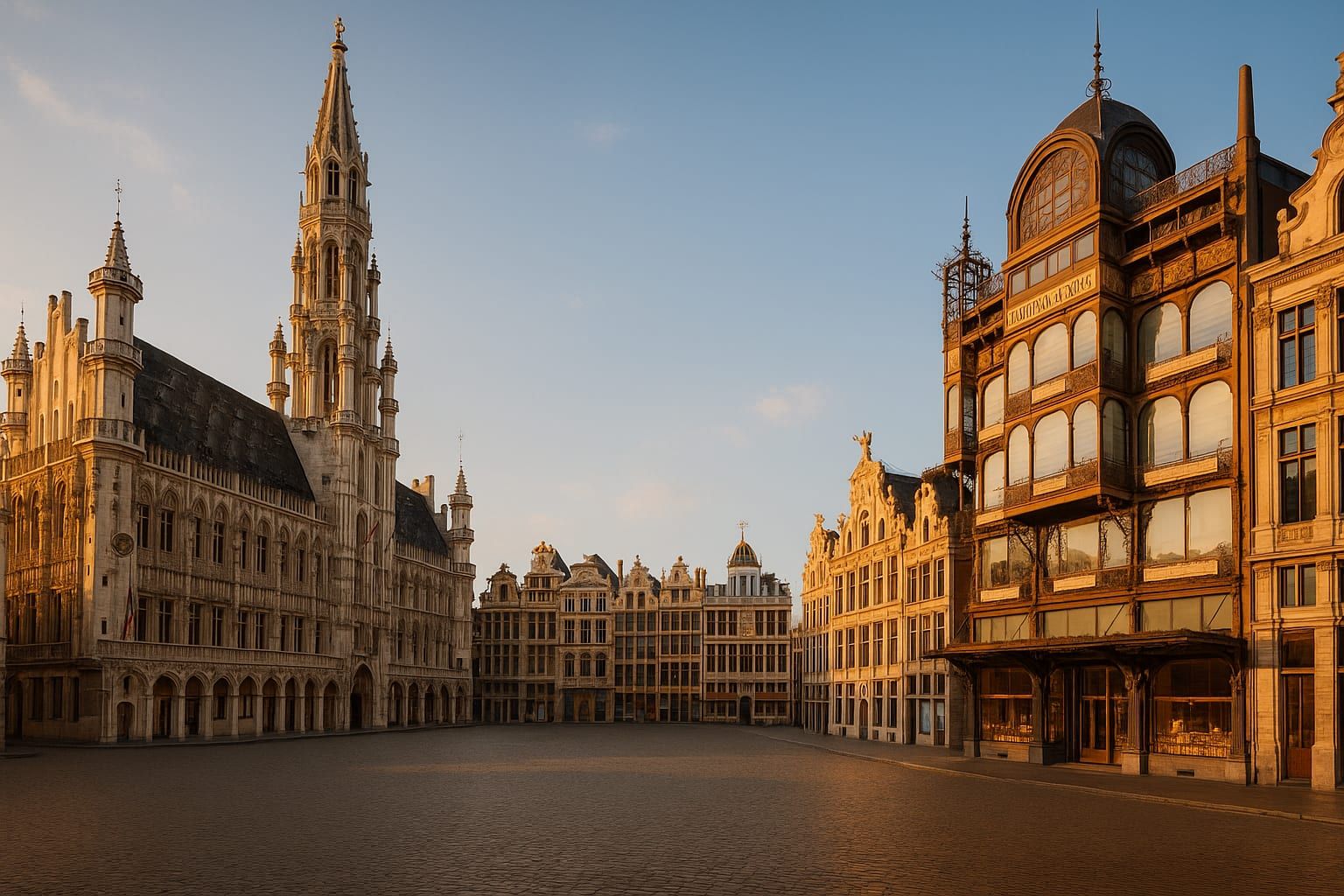
48 Hours in Brussels: Chocolate, Beer & Art Nouveau
Two days in Brussels: sample world-class chocolate, sip iconic Belgian beers and follow an Art Nouveau trail through elegant neighborhoods. A practical, walkable 48-hour plan.
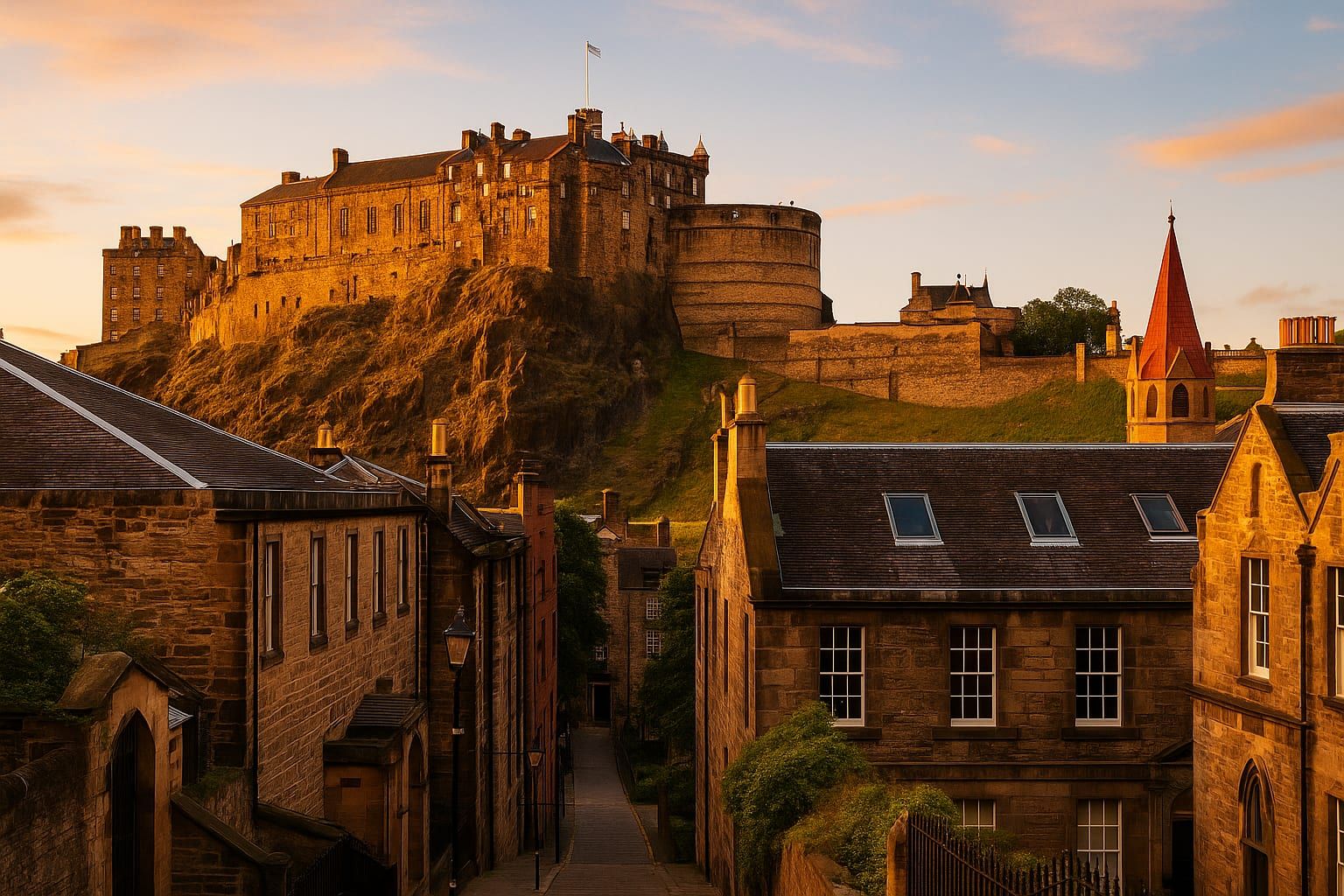
3 Days in Edinburgh: Castle, Closes & Whisky
A practical, three-day Edinburgh itinerary that balances the castle and Royal Mile with hidden closes, whisky tastings and local tips for an unforgettable city break.
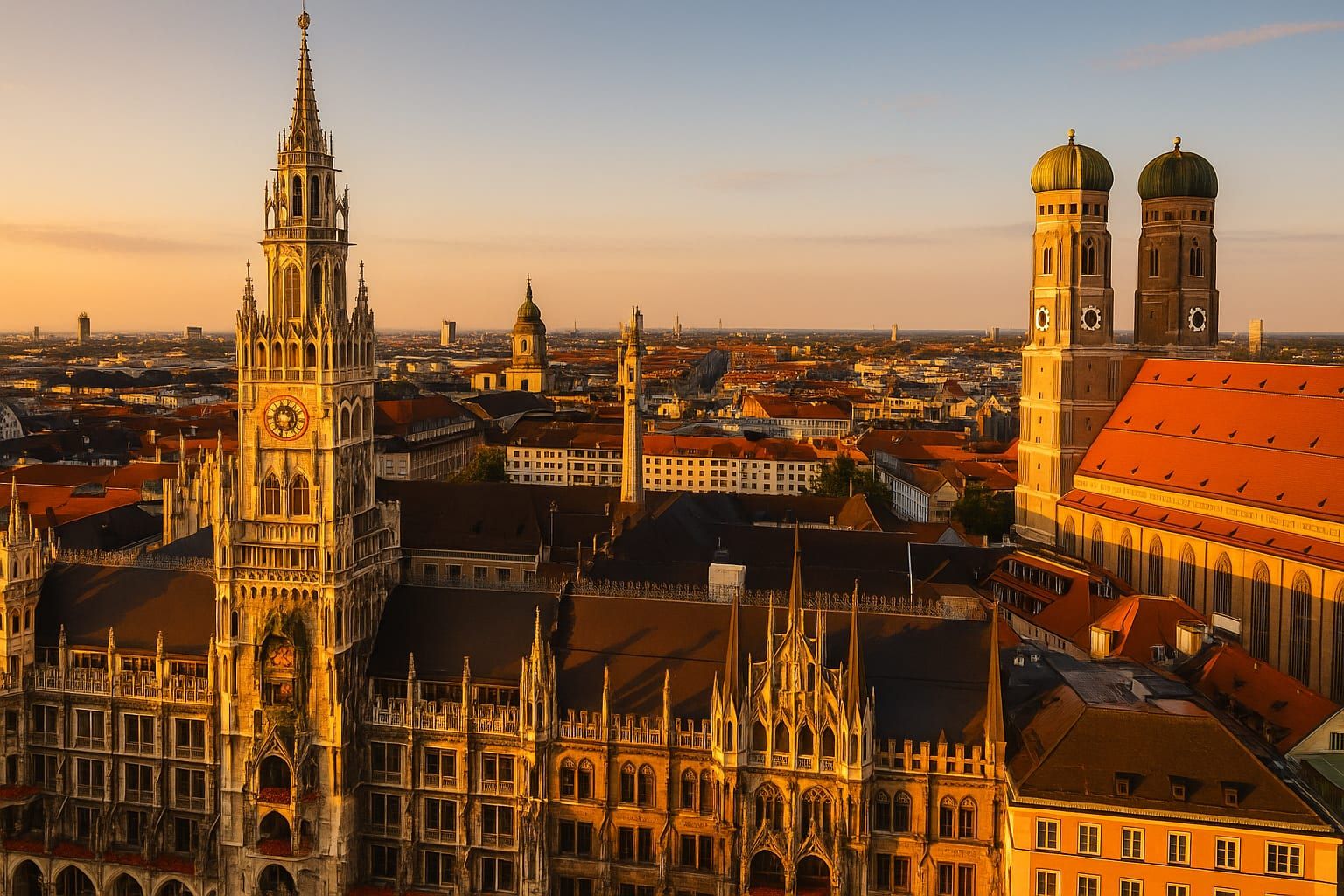
3 Days in Munich: Beer, Culture & Bavaria
Explore Munich in 3 days: Marienplatz, beer gardens, museums, Nymphenburg Palace and a Bavarian day trip. Practical tips, transport advice, and local food & beer insights for first-timers.