
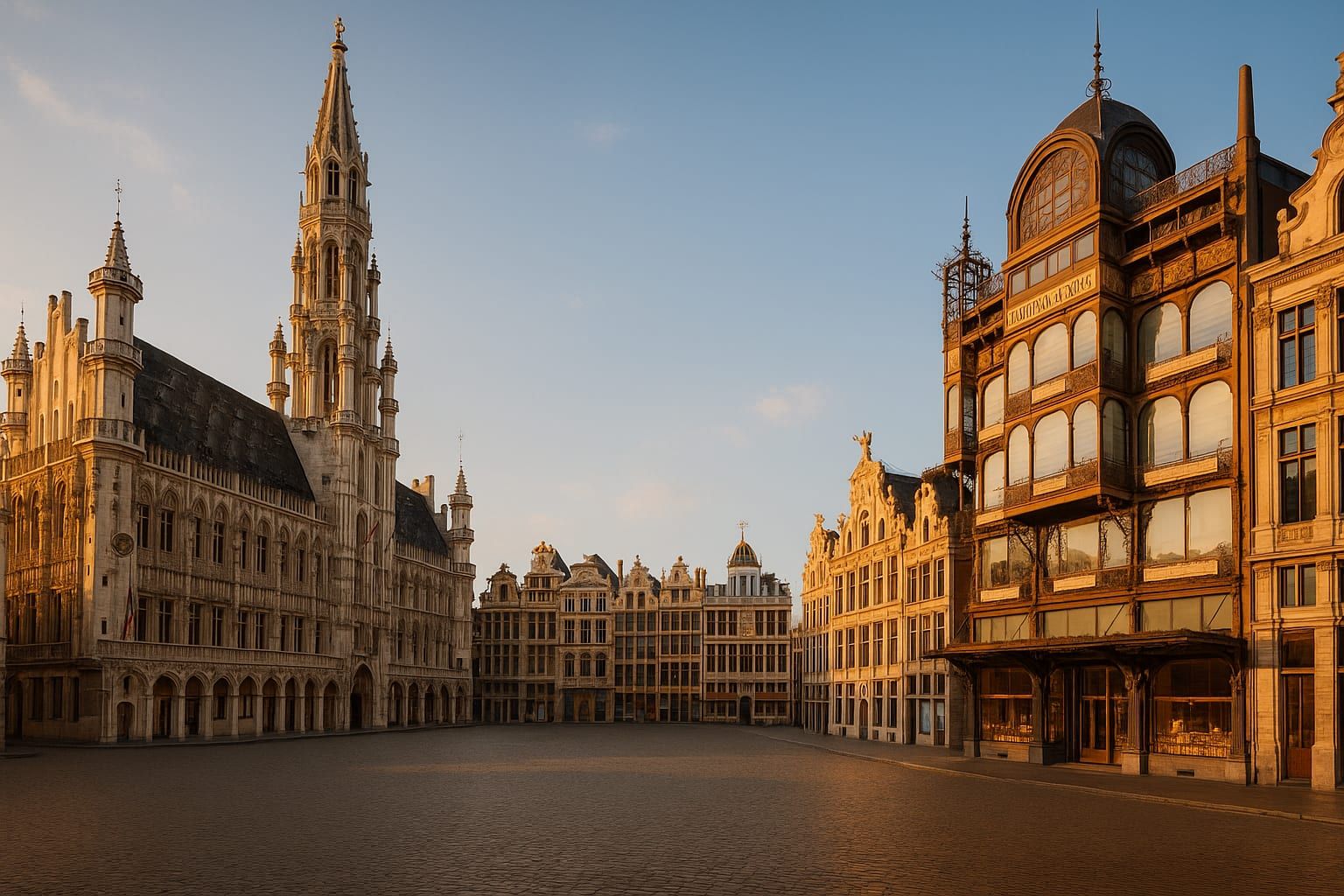
Two days in Brussels: sample world-class chocolate, sip iconic Belgian beers and follow an Art Nouveau trail through elegant neighborhoods. A practical, walkable 48-hour plan.
48 Hours in Brussels: Chocolate, Beer & Art Nouveau
Brussels wears many hats: a political capital, a comic-book haven, and — importantly for visitors — a gourmand’s playground. In 48 hours you can taste the city’s famed chocolate, dive into Belgium’s complex beer culture, and follow an intoxicating Art Nouveau trail through neighborhoods that inspired architects like Victor Horta.
This guide is a practical, walkable itinerary with local insights, where to eat and drink, and tips to make the most of a short stay.
Day 1 — Chocolate, Grand Place and an evening of beer
Morning: Grand Place and Galeries Royales
Start at the Grand Place (Grote Markt), Brussels’ showpiece square. Arrive early to admire the confectionary-like guild houses in peaceful light before crowds appear. Nearby highlights:
- Visit the Museum of the City of Brussels (Maison du Roi) to get context on the square’s history.
- Walk through the elegant Galeries Royales Saint-Hubert (a covered shopping arcade) for your first chocolate fix — artisan shops and luxury chocolatiers line the arcade.
Coffee and a pastry here set you up for the day. If you love bookstores, the galleries have several charming ones tucked away.
Midday: Sablon, chocolate shopping and lunch
Wander towards the Sablon (Le Sablon), the city’s antique and chocolate quarter. This is where many of Brussels’ best chocolatiers concentrate their shops and ateliers:
- Pierre Marcolini — modern, design-led chocolates.
- Neuhaus — credited with inventing the praline.
- Mary and Wittamer — classic, elegant boutiques.
For lunch, try a local brasserie in Sablon for moules-frites (mussels and fries) or a hearty carbonnade flamande (Belgian beef stew). If you’d rather graze, the Sablon is great for chocolatiers and patisseries.
Practical chocolate-buying tip: ask the shop to pack your chocolates for travel (vacuum or insulated packaging is available in many high-end shops, especially if you’re flying). Avoid keeping delicate chocolates in a hot bag for long.
Afternoon: Chocolate museum or workshop
If you’re into chocolate history and production, visit Choco-Story (the chocolate museum) for a fun, interactive overview. For a hands-on experience, many chocolatiers run short workshops where you can make a few pralines — book ahead in high season.
Late afternoon: A quick cultural detour
From Sablon, walk to the nearby Mont des Arts for postcard views of Brussels and a cluster of museums. If time allows, pick one: the Royal Museums of Fine Arts (old masters and modern art) or the Musical Instruments Museum (MIM) in the Old England building, an Art Nouveau gem.
Evening: Belgian beers and a lively night out
Brussels’ beer scene is serious and joyful. For an easy first night:
- Head to Delirium Café (near Îlot Sacré) with thousands of beers on the menu — lively and tourist-friendly.
- For a more local vibe, try Moeder Lambic (several locations) or A La Mort Subite for classic Belgian atmosphere.
If you prefer a brewery visit, book a tour at Brasserie Cantillon, a living museum of lambic and gueuze (important: they often require advance reservations and have limited openings).
Beer tips: ask for tasting portions (a “tas”) if you want to try several. When toasts happen, say “Santé” or “Proost.” Don’t be afraid to ask the bartender for recommendations based on your taste.
Day 2 — Art Nouveau and local neighborhoods
Morning: Horta treasures
Dedicate the morning to Brussels’ Art Nouveau. Start at the Horta Museum (Maison & Atelier Victor Horta) in Saint-Gilles — the restored house and studio of Victor Horta showcase exquisite interiors and original details. Nearby Art Nouveau highlights include:
- Hôtel Tassel and Hôtel Solvay (private buildings often open for guided tours or included in periodic open-house events).
- The Old England building (home to the Musical Instruments Museum) — a striking façade in the heart of the city.
If you want to continue exploring Art Nouveau beyond the Horta Museum, follow a mapped route or consult the guide in the museum. For a broader Art Nouveau itinerary across Europe, see our curated trail: The Art Nouveau Trail: Europe's Most Beautiful Buildings.
Midday: St. Gilles and lunch
Continue exploring Saint-Gilles (a creative, bohemian neighborhood) and stop at a local café for lunch — the area is full of good bistros and multicultural restaurants. Try a plate of Flemish-inspired seasonal fare.
Afternoon: Marolles, flea market and comic murals
Head to the Marolles district, historically working-class and now a lively mix of secondhand shops, street art, and the famous Place du Jeu de Balle flea market (open every day). The Marolles has a distinctly local feel — perfect for treasure-hunting.
From there, take a short walk to admire Brussels’ comic strip murals (including Tintin and The Smurfs) scattered around the city. These large-scale artworks celebrate Belgium’s comic heritage and make for great photos.
Late afternoon: Palace of Justice and view points
Walk up to the Palace of Justice (Palais de Justice) for a sweeping view across the city’s rooftops. It’s an imposing building that offers some of Brussels’ best panoramas. Nearby, the Mont des Arts and the Royal Park are pleasant places to unwind before dinner.
Evening: Sablon or Sainte-Catherine dining and a final beer
For your last night, choose:
- A refined dinner in Sablon (think Belgian-French bistro) with dessert involving — naturally — chocolate.
- Or head toward Sainte-Catherine for seafood restaurants and a livelier scene.
Finish with a visit to a beer bar you didn’t make it to on night one. If you’re a hops and sour fan, seek out bars with local brews or bottle selections.
Where to stay — best neighborhoods for a short stay
- Grand Place / Ilot Sacré — central, walkable, near most tourist sites (higher prices).
- Sablon — stylish, near chocolatiers and museums, quieter at night.
- Sainte-Catherine / Dansaert — lively dining scene, good for seafood and trendy bars.
- Saint-Gilles — affordable and atmospheric, closer to Art Nouveau sites.
Book ahead during summer and holiday weekends. Many hotels and apartments are clustered around the city center, making walking the most rewarding way to see Brussels.
Practical tips & local insights
Getting there and around
- Brussels Airport (BRU) is ~20 minutes from the city center by direct train (Brussels-North/Midi/Central). Taxis and buses are available; budget time for morning or evening queues.
- The city’s public transport network (STIB/MIVB) includes metro, trams and buses. A single ticket covers transfers for an hour; consider a 24- or 48-hour pass if you’ll use public transport frequently.
- Brussels is very walkable in the central districts. Bring comfortable shoes — cobbles are common.
Money, language and etiquette
- Currency: euro (€). Card payments are widely accepted but carry some cash for market stalls and small cafes.
- Languages: French and Dutch (Flemish) are official. English is widely spoken in tourist areas. A polite “Bonjour” (or “Goede dag”) and “Merci” go a long way.
- Tipping: service is usually included, but rounding up or leaving a small tip for excellent service is appreciated.
When to visit
Brussels is a year-round city. Spring and early autumn are ideal for milder weather and fewer crowds. Winters are chilly and wet but atmospheric, especially around Christmas markets; consult our seasonal guide for winter-specific tips: Brussels Winter Wonders: Complete Guide.
Safety and scams
Brussels is generally safe, but watch out for pickpockets in crowded areas (Grand Place, public transport). Beware of overly persistent street vendors or strangers offering to help with tickets — politely decline.
Food and drink must-trys
- Chocolate: pralines, ganaches and single-origin bars.
- Beer: try a gueuze or lambic for something uniquely Belgian; Tripel and Dubbel styles are also classic.
- Savoury snacks: frites (try Maison Antoine), stoofvlees (carbonnade), and croquettes.
- Sweet treats: Brussels waffles differ from Liège waffles but both are widely available.
Practical chocolate & beer buying tips
- If taking chocolate home, ask for insulated or vacuum packaging if flying. Avoid leaving chocolate in hot cars.
- For bottles of special beers, shops often wrap them well for travel. If you have checked luggage, bottles are usually allowed but pack carefully.
Alternatives & day trips
If you have a little more time or want alternatives to the main itinerary:
- Ghent and Bruges are classic Belgian day trips by train (30–60 minutes to Ghent, ~1 hour to Bruges).
- For design and Nordic vibes, consider a longer stay in cities featured in our long-weekend guides: Best Long Weekend Destinations in Europe.
Final notes — savor, don’t rush
Two days in Brussels is a delicious sampler: the city rewards slow exploration — lingering over coffee, dipping into chocolatiers, and popping into arcades and small museums. Mix the must-sees with a few spontaneous finds (a friendly café, a hidden mural, or a market stall). Bring an appetite, an interest in architecture, and an open mind — and you’ll leave with a suitcase full of chocolate and memories of some of Europe’s finest beers and most beautiful buildings.
Bon voyage — or as the locals say, bonne route and santé!
Keep Exploring
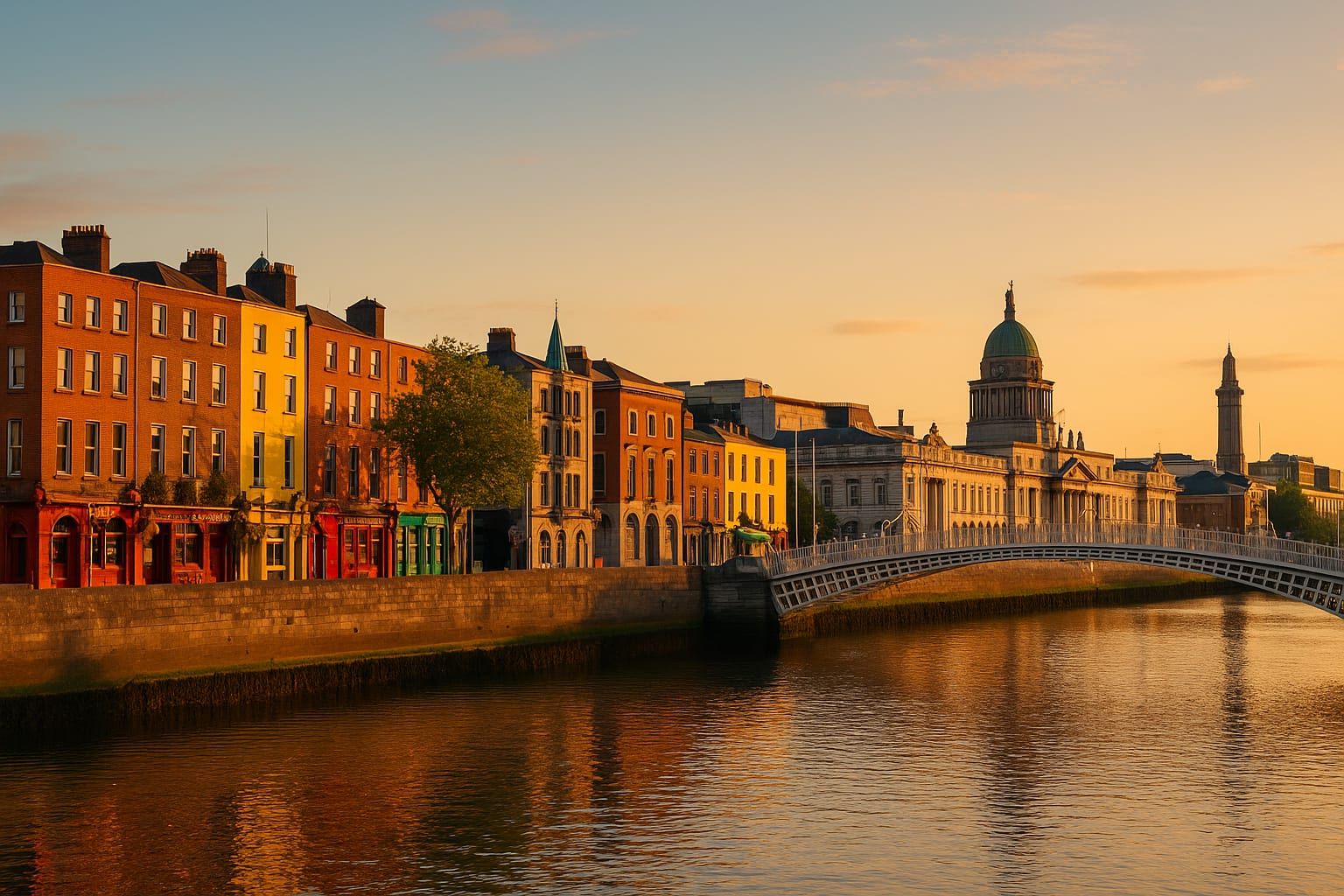
48 Hours in Dublin: Pubs, Literature & Georgian Beauty
Two days in Dublin: explore literary landmarks, lively pubs, and elegant Georgian squares. A relaxed, walkable 48-hour plan with local tips, transport notes and where to eat.
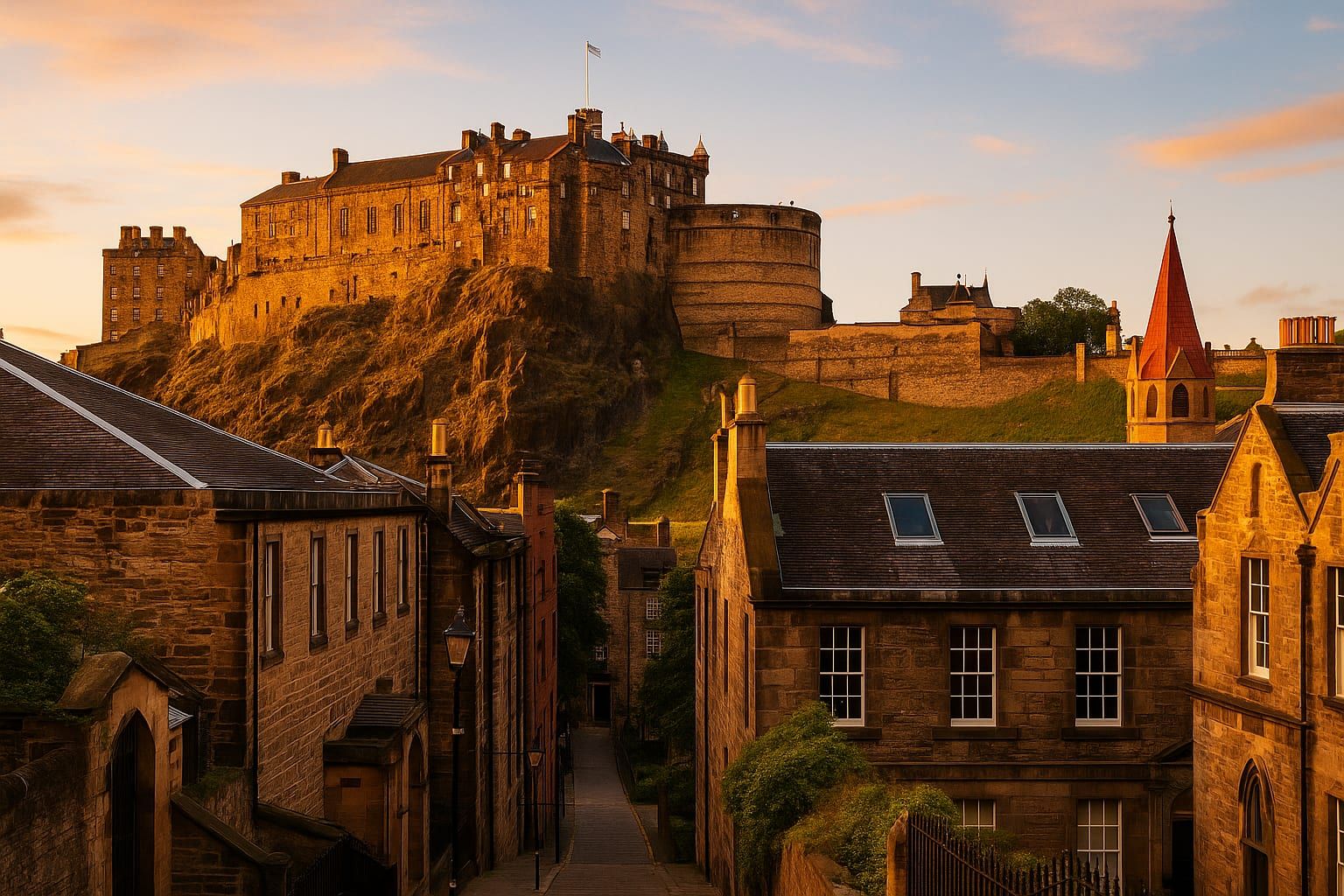
3 Days in Edinburgh: Castle, Closes & Whisky
A practical, three-day Edinburgh itinerary that balances the castle and Royal Mile with hidden closes, whisky tastings and local tips for an unforgettable city break.
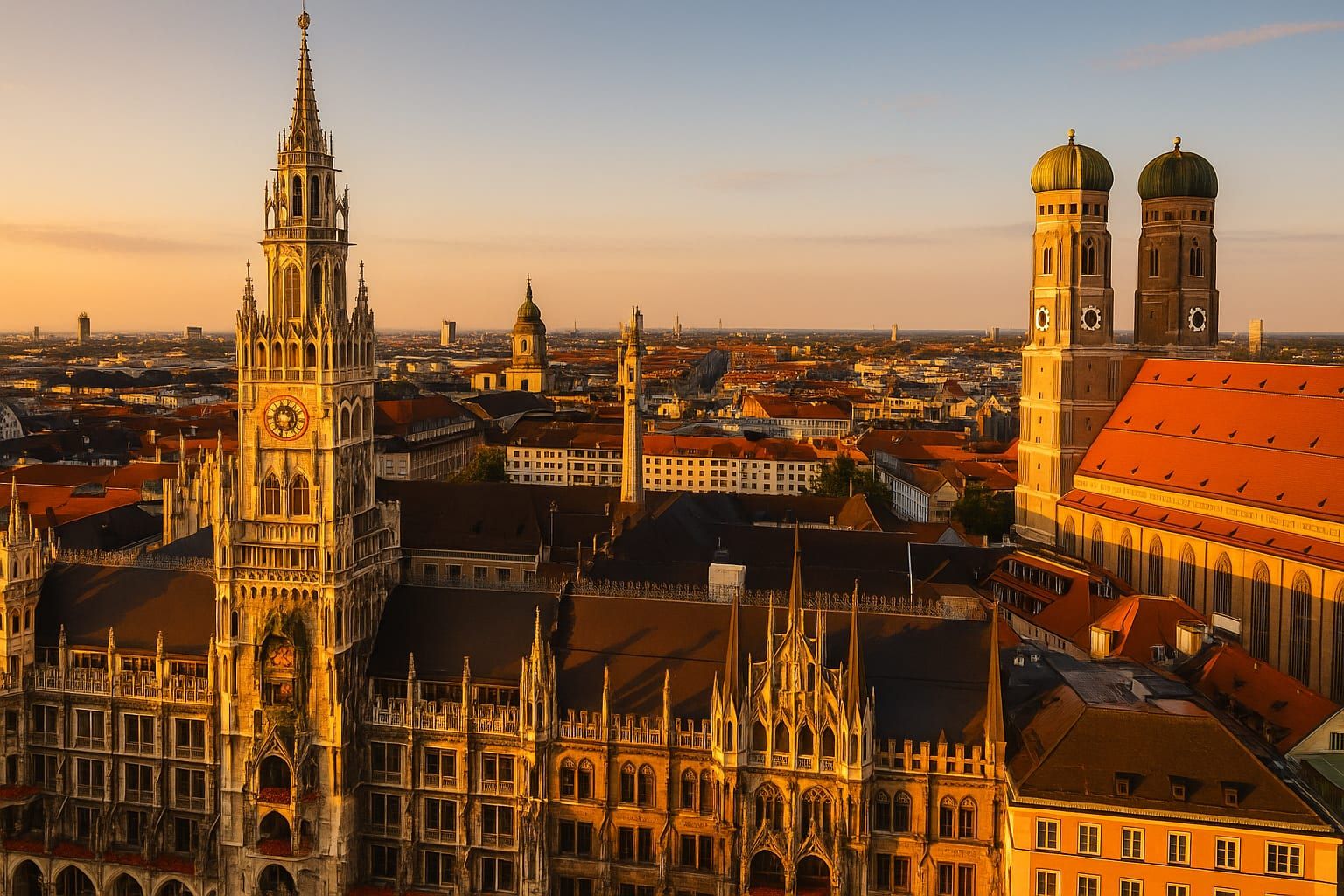
3 Days in Munich: Beer, Culture & Bavaria
Explore Munich in 3 days: Marienplatz, beer gardens, museums, Nymphenburg Palace and a Bavarian day trip. Practical tips, transport advice, and local food & beer insights for first-timers.