
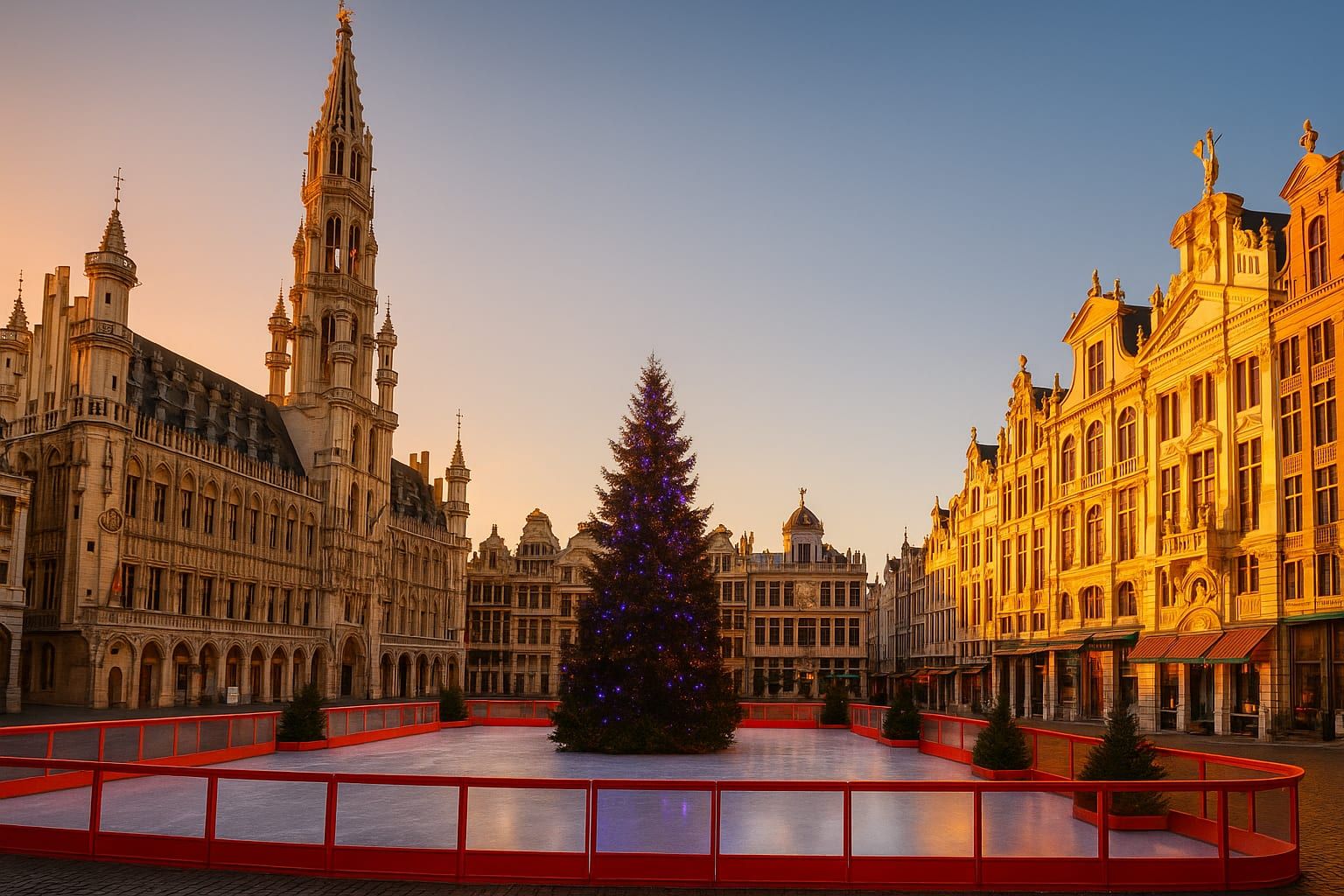
Discover Brussels’ Winter Wonders: when to go, top attractions, food and drink, local tips, sample itineraries and practical advice to make the most of Brussels at Christmas.
Brussels Winter Wonders: Complete Guide
Brussels transforms into a glittering winter playground each year when Winter Wonders (Plaisirs d'Hiver) fills the city centre with lights, smells, and seasonal cheer. Whether you're chasing the famous Grand-Place light show, hunting for artisan gifts among hundreds of chalets, or warming up with hot chocolate and Belgian beer, this guide will help you plan a memorable winter visit.
What is Winter Wonders?
Winter Wonders — locally known as Plaisirs d'Hiver — is Brussels’ annual holiday festival that spreads through the heart of the city with a Christmas market, sound & light shows, a Ferris wheel, ice rinks and cultural programming. The event celebrates local artisans, gastronomy and festive entertainment, drawing locals and visitors alike to the Grand-Place and surrounding squares.
Official dates change slightly each year; for 2025 the programme opens on 28 November and runs into early January, with some attractions and sites extending beyond New Year. Always check the official Winter Wonders website (pla isirsdhiver.be) or the City of Brussels event page before you travel for the precise schedule and special events.
Where it takes place
The core of Winter Wonders is the historic Grand-Place, with markets and attractions spilling onto adjacent squares and streets: Place Sainte-Catherine, Place de la Bourse, Place De Brouckère and (new for recent editions) Place Poelaert near the Palais de Justice. Brussels-Central train station is conveniently close to the action, making the festival very accessible by public transport.
Highlights you shouldn’t miss
Grand-Place sound and light show
At the centre of it all, the UNESCO-listed Grand-Place hosts a spectacular audio-visual show when the illuminated guildhalls and the Christmas tree are set to music. The shows run frequently in the evenings and are free — arrive early for a good vantage point.
The Christmas Market (200+ chalets)
Expect more than 200 wooden chalets selling crafts, winter eats, mulled wine and gifts. It’s a fantastic place to sample Belgian favourites and pick up unique presents from local artisans.
Ferris wheel and city views
The giant wheel near Place Poelaert (or the main plaza depending on the year) offers panoramic views over Brussels — magical at twilight when the city lights come on.
Ice rinks & winter activities
Public ice rinks and sometimes curling lanes are set up (often at Place De Brouckère), perfect for families or playful adults. Rentals are available, but check opening hours and book ahead for busy weekend slots.
Gastronomy & street food
Winter Wonders doubles as a gourmet experience: look for stalls serving waffles, freshly-made frites, stoofvlees (Flemish beef stew), roasted chestnuts, hot chocolate and mulled wine. For a sit-down classic, try a Brussels brasserie for mussels and Belgian beer.
Food & drink: what to try
- Chocolate: Belgium is famously decadent. Visit maisons like Neuhaus or Pierre Marcolini for gifts, or stop by family-run chocolatiers for single-origin tastings.
- Waffles & speculoos: crisp Liège or Brussels waffles with warm toppings; Maison Dandoy is a trusted name for speculoos biscuits and waffles.
- Frites: find a frituur for double-fried Belgian fries with a variety of sauces.
- Beer: warm up in cosy bars with Trappist ales, saisons and rich dark beers. Delirium Café is a popular spot with an enormous beer list.
- Seafood stalls: look for Noordzee-style fish stands for quick, fresh bites.
Local insight: vendors often sell specialty items limited to the season; buy something you love there and then (especially small-batch chocolates or handmade ornaments), because they may not be available later.
Practical information & tips
Timing & crowd strategy
- Go on weekdays if you can; weekends and evenings are busiest.
- Early evenings (right after sunset) are magical for lights but busiest; late-night visits (after 9pm) can be quieter.
- Arrive 30–60 minutes before a Grand-Place light show to secure a good spot.
Getting there
- Brussels-Central is the nearest major train station and places you within easy walking distance. The city’s STIB public transport network (metro, trams and buses) is efficient — buy a day ticket if you plan multiple trips.
- Taxis and ride apps are available but can be slower in heavy traffic; for late returns, check metro hours (they run late but not 24/7).
Tickets & reservations
- Most market access and light shows are free. Specialty attractions (wheel, skating, certain concerts or guided tours) may require tickets or pre-booking — especially during busy weekends.
- Check official ticketing channels (Ticketing.Brussels or event site) and book experiences you don’t want to miss in advance.
Weather & packing
- Brussels winter is damp and chilly; expect temperatures between 0–8°C (32–46°F) with possible rain. Snow is possible but not guaranteed.
- Bring waterproof outer layers, warm hat and gloves, a scarf and a sturdy pair of comfortable shoes with good grip for cobblestones.
- A small foldable umbrella and a reusable mug for hot drinks will be handy.
Money & communication
- Cards are widely accepted but smaller stalls and some traditional shops may prefer cash — carry some euros just in case.
- Free Wi‑Fi is available in many cafés and public squares, but consider a roaming plan or local eSIM if you rely on mobile navigation.
Safety & pickpockets
- Winter Wonders is family-friendly and generally safe, but crowded areas are prime for pickpockets. Use a crossbody bag, keep valuables secure and stay aware in tight crowds.
Where to stay (neighbourhood guide)
- Grand-Place / City Centre: Best for first-time visitors — you’ll be steps from the action, but expect higher prices and more noise.
- Sablon: Charming, quieter, close to antique shops and high-end chocolatiers, ideal for couples.
- Louise / Ixelles: Upscale neighbourhoods with good restaurants and tram links; a little further but calmer.
- Saint-Gilles / Dansaert: Trendy areas with creative bars and boutique hotels for those looking for local nightlife.
Local tip: book early if you want a hotel within walking distance of the market — rooms fill up fast for the holiday period.
Accessibility & family-friendly advice
Winter Wonders offers many family-friendly activities (ice rink, merry-go-rounds, light shows). Much of the central area is walkable but be prepared for cobbles and occasional steps. Some attractions provide wheelchair access; check the festival’s accessibility info for ramps and adapted services.
Suggested itineraries
One-day winter highlights
- Morning: Start at Grand-Place; enjoy the architecture and a hot coffee in a nearby café. Browse the chalets as they open.
- Midday: Walk to the Galeries Royales Saint-Hubert for window shopping and warmth; pick up chocolate and biscuits.
- Afternoon: Explore the Sablon antiques area or visit the Magritte Museum if you prefer indoor time.
- Evening: Return to Winter Wonders for skating, a ride on the Ferris wheel and the Grand-Place light show. Finish with mussels or a hearty Flemish stew and a local beer.
Two- to three-day plan (relaxed)
Day 1: As above — market, galleries, light show. Day 2: Museums (Royal Museums of Fine Arts, Magritte Museum), lunch in Sainte-Catherine, evening market stroll and live music. Day 3: Day-trip option — Bruges or Ghent by train, or explore neighbourhoods like Ixelles and Saint-Gilles for independent shops and cafés.
Budgeting your visit
- Free: Market browsing, light shows, window-shopping galleries.
- Moderate: Ferris wheel, ice-skating (expect €5–€12 for rental + session fee), museum entry (€6–€16 typical range), mid-range restaurants (€20–€40 per person).
- Splurge: Fine dining, premium chocolates and boutique shopping.
Local tip: Mulled wine and street snacks are affordable ways to sample local flavours without a full restaurant bill.
Day trips and nearby Christmas experiences
If you have extra time, Belgium and neighbouring France have superb winter offerings. Day trips by train to Bruges or Ghent make a romantic addition to your Brussels stay. For a broader Christmas-market tour across Europe, consult a complete markets guide to plan multi-city routes — and don’t miss Strasbourg if you love big, historic markets and festive atmosphere: /en/seasonal-travel/strasbourg-capital-of-christmas. For context on Europe’s best markets, our roundup can help you map a route: /en/seasonal-travel/best-christmas-markets-europe-complete-guide.
Local customs & etiquette
- Tipping: Service is commonly included on restaurant bills; leaving small change (5–10%) for good service is appreciated but not mandatory.
- Greetings: A simple “Bonjour” or “Bonsoir” in French goes a long way in Brussels; locals appreciate polite greetings in shops and markets.
Final local insights
- The charm of Winter Wonders is as much in the small discoveries — a tiny artisan stand, a cosy bar with a roaring fireplace, an unexpected concert — as in headline attractions. Allow time to wander side streets (like the Galeries and the Sablon lanes) and to step away from the busiest clusters.
- If you’re photographing the Grand-Place show, bring a small tripod or use a steady surface — long exposures capture the full effect. Nighttime photos look fantastic but be mindful of other viewers.
- Talk to stallholders — many are local producers who love to explain their craft, and you’ll often get better souvenirs and stories by engaging.
Quick checklist before you go
- Check official Winter Wonders dates and event bookings.
- Reserve any tickets for skating, the Ferris wheel or special concerts.
- Pack layered, waterproof clothes and good footwear.
- Carry some euros and a phone with local maps or train apps.
- Book accommodation early for the Grand-Place area.
Brussels at wintertime is a mix of historic architecture, seasonal sparkle and comforting food culture. Whether you’re a markets fanatic, a food lover or simply chasing festive lights, Winter Wonders delivers a compact, magical experience that’s easy to pair with Belgium’s other winter gems. Happy travels — and enjoy the lights!
Related

Keep Exploring
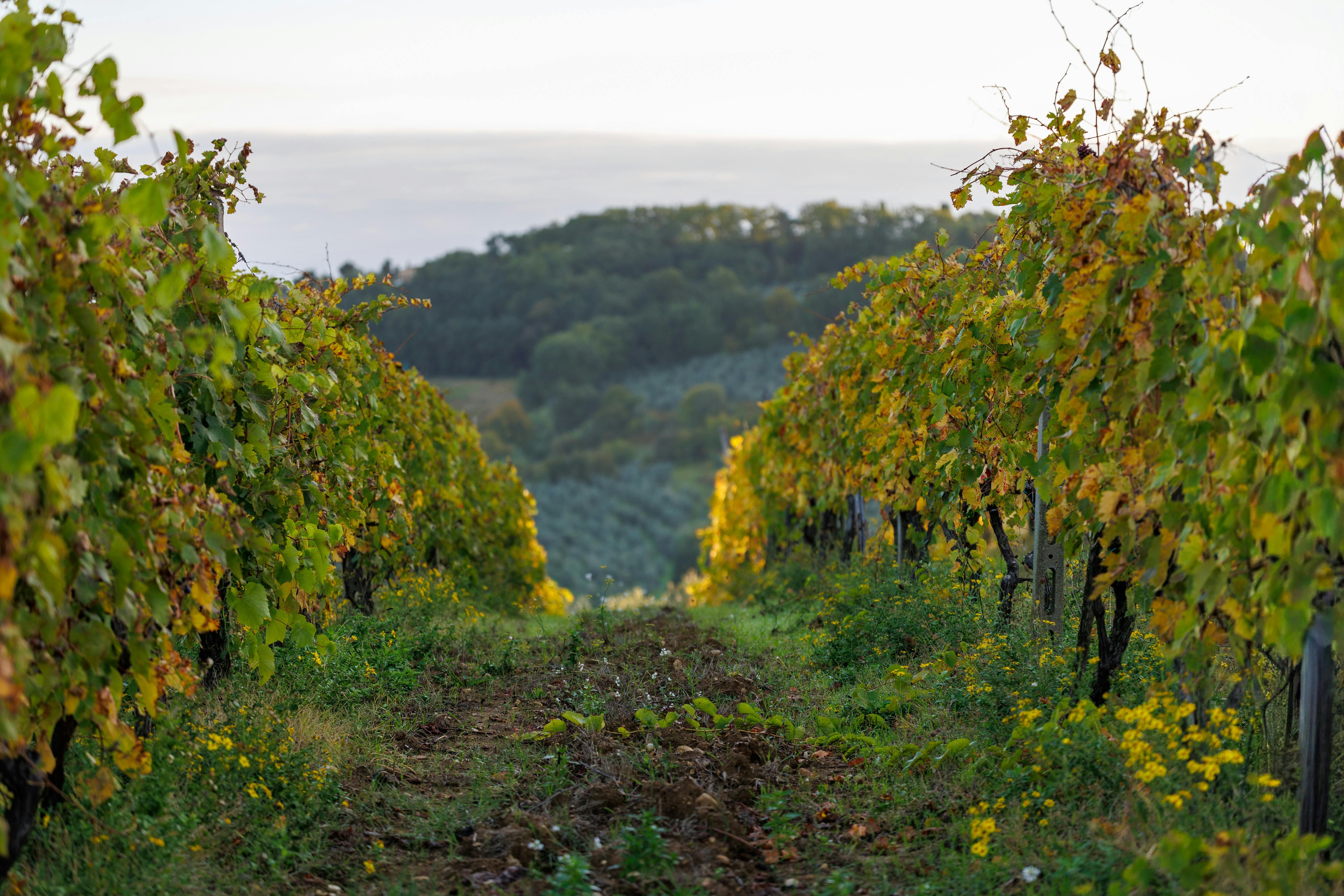
Autumn in Europe: Harvest, Foliage, Truffles
Plan European autumn around three peaks: vindima mid-September to mid-October, foliage mid-October to mid-November, and white-truffle markets in Alba. EUR prices, named regions, exact weeks.
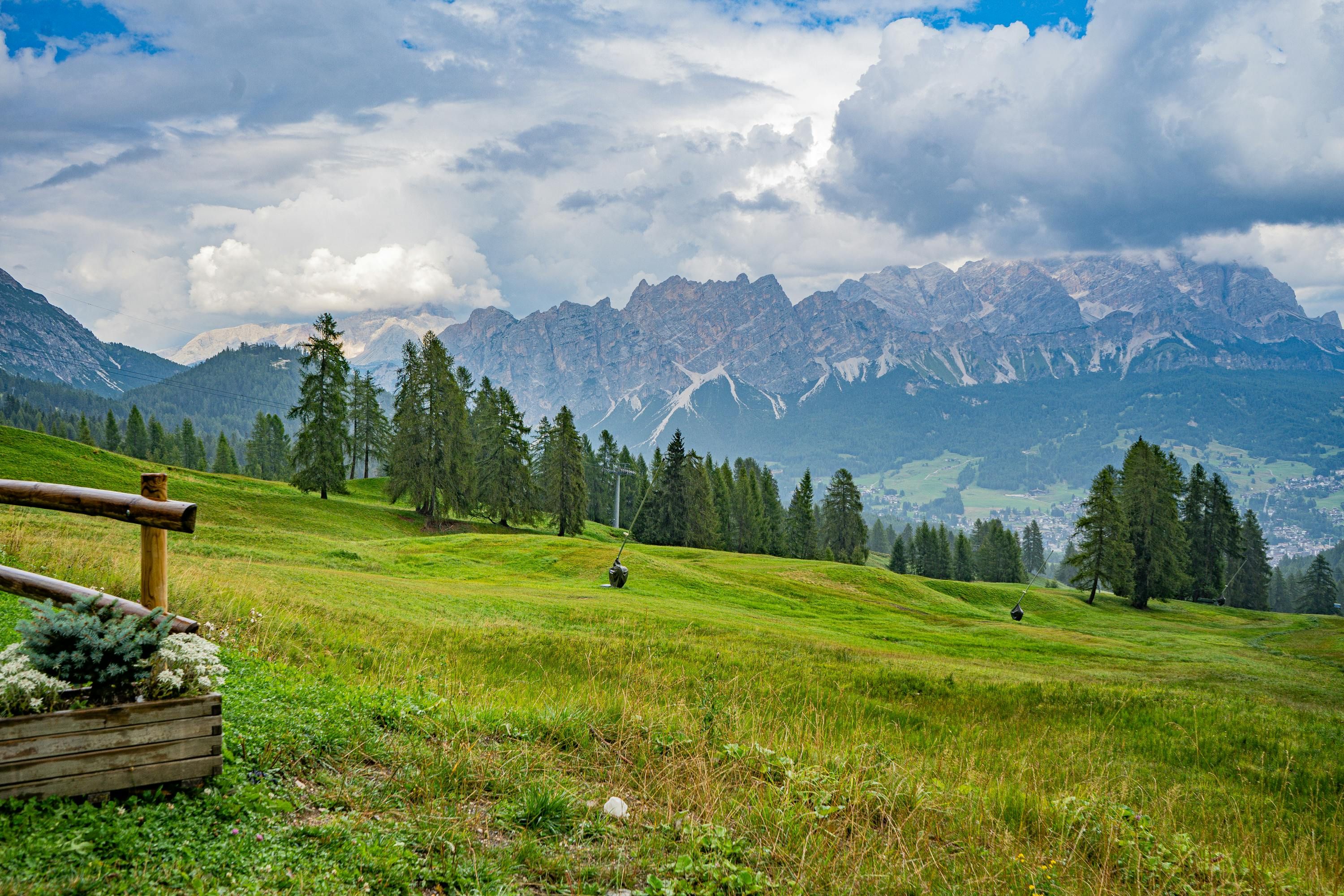
Summer in Europe: Where to Go to Beat the Crowds
Skip the Mediterranean meltdown. Twelve Northern, Atlantic, Alpine and Eastern European summer alternatives with fares, EUR budgets and named operators.
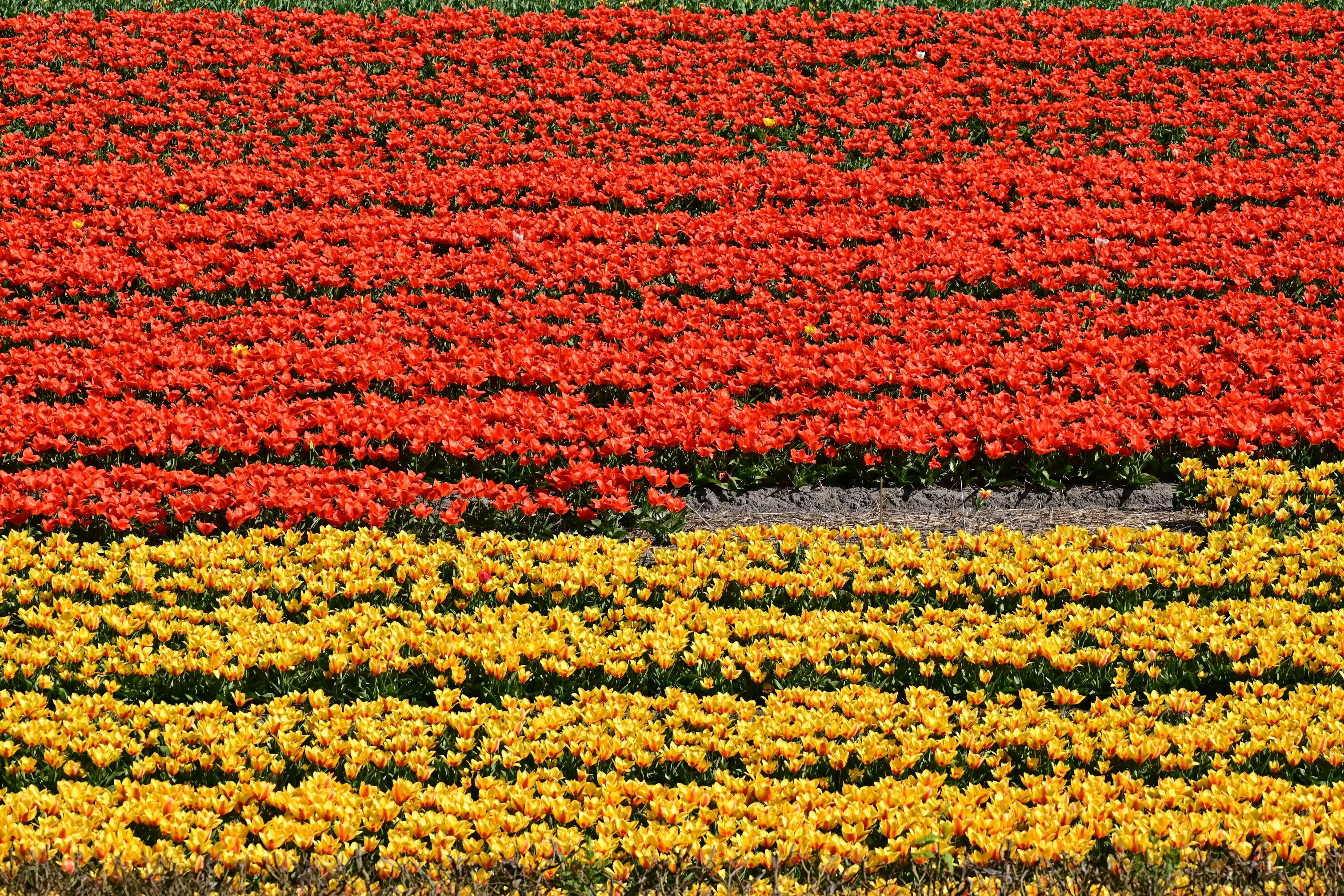
Best European Cities to Visit in Spring
Twelve European cities at their seasonal peak between March and May 2027: Keukenhof tulips, Seville's Feria, Paris cherry blossoms, Roman wisteria and more, with EUR budgets and bloom calendars.