
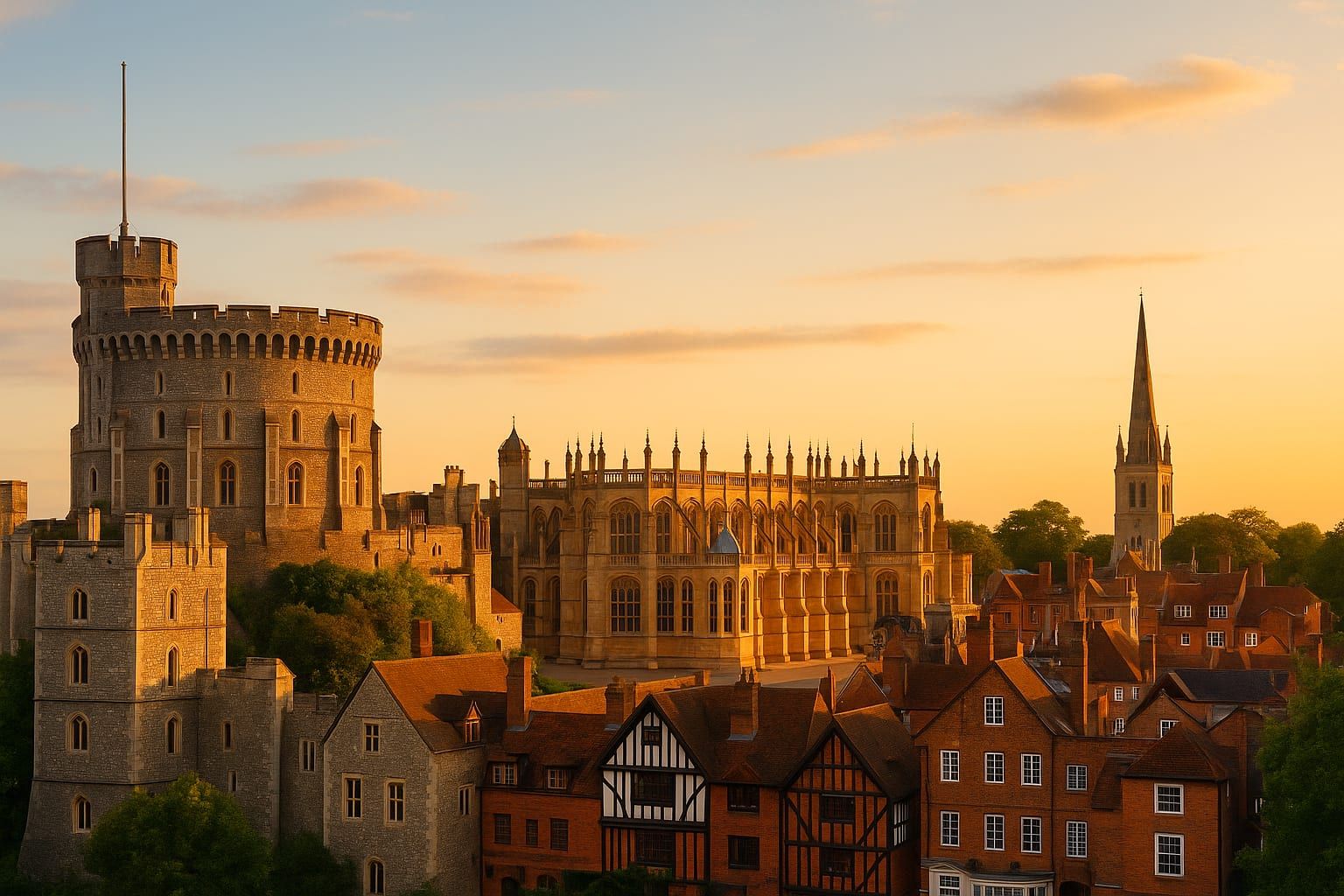
From royal Windsor to seaside Margate, discover 15 top day trips from London with travel times, highlights, local tips and sample itineraries for a perfect escape.
Day Trips from London: 15 Best Escapes
London sits at the heart of England’s excellent rail and road network, which means incredible day-trip options are never far away. Whether you crave royal palaces, university spires, sandy beaches, or honey‑coloured villages, this guide covers 15 of the best escapes from the capital with travel times, what to see and practical local tips to help you make the most of one-day adventures.
How to use this guide
Each destination below includes approximate travel time from central London, key highlights and a few local tips. Trains are often the quickest and most relaxing option; book advance tickets where possible. If you prefer a guided or themed outing (wine, castles, coast), check organized day tours or specialist providers—especially in high season.
1. Windsor (30–45 minutes)
Why go: Home to Windsor Castle—one of the Queen’s official residences—and a charming riverside town.
Highlights:
- Windsor Castle and the State Apartments
- St. George’s Chapel (royal weddings and historic tombs)
- Long Walk and Windsor Great Park
- Eton College just across the river
Local tips:
- Arrive early to beat coach crowds and catch the Changing of the Guard.
- Buy Windsor Castle tickets online to skip queues. Combine with a riverside lunch or a stroll into Eton.
2. Oxford (55–75 minutes)
Why go: The ‘City of Dreaming Spires’—for architecture, colleges and bookish charm.
Highlights:
- Walking the University colleges (Christ Church is iconic)
- Bodleian Library and Radcliffe Camera
- Punting on the Cherwell or Thames
- Covered Market for local eats and crafts
Local tips:
- Many colleges have fee-paying entry; prioritize a couple rather than trying to see them all.
- Consider a college-based guided walking tour to learn the legends and film locations.
3. Cambridge (50–70 minutes)
Why go: Another classic university city with scenic riverside punting and atmospheric streets.
Highlights:
- King’s College Chapel and the Backs
- Punting along the River Cam
- Fitzwilliam Museum
Local tips:
- Punting can be self-driven or chauffeured—choose the guide option for local stories.
- The market on Market Hill is great for local food and gifts.
4. Bath (1h 30m–2 hours)
Why go: Roman baths, Georgian crescents and elegant museums make Bath a perfect cultured day out.
Highlights:
- Roman Baths and Bath Abbey
- The Royal Crescent and The Circus
- Thermae Bath Spa (if you want to add a warm rooftop bath)
Local tips:
- Book Roman Baths and spa sessions in advance during weekends and school holidays.
- Allow time to climb to Alexandra Park for panoramic views of the city.
5. Canterbury (1h 30m)
Why go: Historic cathedral city with medieval streets and a long ecclesiastical history.
Highlights:
- Canterbury Cathedral (UNESCO World Heritage Site)
- St. Augustine’s Abbey and Canterbury Roman Museum
- River Stour boat trips
Local tips:
- Take a guided tour inside the cathedral to understand its layered history.
- Combine with nearby coastal towns (e.g., Whitstable) if you have an early start.
6. Brighton (1 hour)
Why go: Vibrant seaside city—great for people-watching, indie shops and classic pier fun.
Highlights:
- Brighton Pier and seafront
- The Lanes for vintage shops and cafes
- Royal Pavilion (exotic, Regency palace)
Local tips:
- Weekdays are calmer; summer weekends can get busy. Bring layers—sea breezes are constant.
- Try seafood cafes on the seafront or head to North Laine for craft beer and street food.
7. Stonehenge & Salisbury (1h 30m–2 hours)
Why go: Prehistoric monument followed by a charming cathedral city.
Highlights:
- Stonehenge visitor centre and audio tour
- Salisbury Cathedral with Magna Carta display
Local tips:
- Stonehenge can be windy and exposed—check weather and book timed tickets.
- If you’re short on time, combine the two by arriving at Stonehenge in the morning and finishing in Salisbury’s lanes.
8. The Cotswolds — Bourton-on-the-Water (1h 45m–2 hours)
Why go: Quintessential English villages with honey‑coloured stone cottages and rural charm.
Highlights:
- Picturesque villages: Bourton-on-the-Water, Stow-on-the-Wold, Broadway
- Country walks and cosy tearooms
Local tips:
- Driving or a guided tour works best to hop between villages. Many villages have limited parking—arrive mid-morning.
- Try a cream tea in a local tea room for a truly Cotswold moment.
9. Stratford-upon-Avon (2 hours)
Why go: Birthplace of Shakespeare—perfect for theatre lovers and history buffs.
Highlights:
- Shakespeare’s Birthplace and Anne Hathaway’s Cottage
- Royal Shakespeare Company performances (if you stay longer)
- Riverside walks and traditional pubs
Local tips:
- Pre-book house entries and check RSC matinee schedules if you want a show.
10. Blenheim Palace, Woodstock (1h 30m)
Why go: Grand stately home and UNESCO site—home of Winston Churchill and sweeping parkland.
Highlights:
- State rooms and formal gardens
- Parkland walks, lakes and sculpture trails
Local tips:
- Combine Blenheim with a short stop in Oxford for lunch or a punt on the river.
- Buy combined entry and garden-only ticket options depending on your interest.
11. Margate (1h 30m)
Why go: A resurgent seaside town with beaches, retro arcades and a growing arts scene.
Highlights:
- Dreamland (retro amusement park) and Margate Old Town galleries
- Turner Contemporary gallery
- Long sandy beach and rock pools
Local tips:
- Margate’s art scene blooms out of season—check gallery openings and pop-ups. Fish and chips on the promenade are a must.
12. Whitstable (1h 40m)
Why go: Famous for oysters and relaxed seaside charm—excellent for foodies.
Highlights:
- Fresh seafood (oysters!) on Harbour Street
- Beach huts, shingle beach and quaint shops
- Whitstable Castle & Gardens
Local tips:
- If visiting in summer, arrive early for a harbour-front table. The Oyster Festival in June is a lively local highlight.
13. Rye & Winchelsea (1h 30m–2 hours)
Why go: Medieval lanes, historic inns and atmospheric marshland near the coast.
Highlights:
- Mermaid Street and Rye’s antique shops
- Camber Sands (broad sandy beach nearby)
Local tips:
- Rye is compact and walkable—perfect for a relaxed wander with plenty of photogenic corners.
14. Lewes & The South Downs (1h)
Why go: Historic market town with castle ruins and access to the South Downs National Park.
Highlights:
- Lewes Castle and independent bookshops
- South Downs walks and Devil’s Dyke views
- Local breweries and seasonal food
Local tips:
- Combine the town visit with a short hike in the South Downs for panoramic views—pack sturdy shoes.
15. Hever Castle & Kent Villages (1h–1h 30m)
Why go: Tudor history (Anne Boleyn’s childhood home), lakeside gardens and quintessential Kent countryside.
Highlights:
- Hever Castle gardens and Tudor interiors
- Nearby villages: Edenbridge, Penshurst Place, and picturesque Kentish lanes
Local tips:
- Gardens are especially lovely in spring and summer. If you love English gardens, consider pairing this with a vineyard visit—see tips on wine tours below.
Practical tips for planning London day trips
- Book trains in advance: for many regional routes, advance fares are much cheaper. Use apps and rail websites to compare.
- Start early: leaving London shortly after breakfast maximizes time abroad and reduces peak‑hour stress.
- Pack light: day packs and comfortable walking shoes are ideal. Many historic towns have cobbled streets.
- Tickets and timings: book must-see attractions (Blenheim, Roman Baths, Windsor Castle, Stonehenge) in advance where possible, especially at weekends and during school holidays.
- Payment cards: contactless and chip-and-pin are widely accepted, but have a small amount of cash for market stalls or parking.
- Travel cards and discounts: check railcards (e.g., Two Together, Senior, 16–25) if you qualify—savings mount up.
- Accessibility: check attraction websites for step-free access if needed—many historic buildings have limited accessibility but provide alternatives.
Best seasons and local insights
- Spring (March–May): Gardens are at their best in Bath, Hever and the Cotswolds; milder crowds make walking towns pleasant.
- Summer (June–August): Ideal for seaside escapes like Brighton, Margate and Whitstable, but expect more crowds and higher prices.
- Autumn (September–October): Great light for photography in Oxford, Cambridge and the South Downs, and harvest festivals in Kent.
- Winter (November–February): Towns are quieter and you can enjoy cosy pubs. Check opening times—some attractions reduce hours off-season.
Local insight: combine nearby spots. For example, pair Oxford with Blenheim Palace, or Whitstable with Canterbury for a coast-and-cathedral day. If driving, allow extra time for single-track country lanes and seasonal traffic near tourist attractions.
Food and drink tips
- Seafood lovers: Whitstable and Margate offer superb local catches—ask where the fishermen sell daily for the freshest options.
- Pubs: Many villages have historic pubs serving local ales—look for “real ale” and seasonal menus.
- Tearoom culture: In the Cotswolds and Bath, a cream tea is a leisurely highlight—order locally (jam then cream? The Cornish vs. Devon debate is real but both are delicious).
- Wine & countryside: If you want to add a vineyard visit or wine tasting, consider organized tours. For broader European wine trip planning inspiration, see our guide to the best wine tours in Europe (/en/wine-vineyards/best-wine-tours-europe-where-to-book).
Sample 1-day itinerary — Coastal & Cathedral
- 07:45: Train from London to Whitstable
- 09:20: Walk the harbour, try oysters and coffee
- 11:00: Short train to Canterbury (via local line)
- 12:00: Lunch in Canterbury, visit the cathedral
- 15:00: Boat trip on the Stour or stroll the medieval lanes
- 17:00: Train back to London
This blends seaside freshness with a dose of history—ideal for foodies and photographers.
When to pick a guided day tour
If you prefer not to navigate trains or driving rules, guided day tours can be efficient. They’re particularly useful for multi-site days (Stonehenge + Bath, or Windsor + Oxford + Blenheim). For active travelers who prefer walking and hiking, independent trips to the South Downs or the Cotswolds let you set the pace.
More reading and related inspiration
If you’re planning to extend beyond a day trip or want ideas for longer breaks, check our roundups of European hidden gems and wine experiences—perfect for building a multi-day itinerary after you’ve sampled England’s best day escapes (/en/hidden-gems/5-underrated-european-cities-visit-before-mainstream, /en/wine-vineyards/best-wine-tours-europe-where-to-book).
Final thoughts
From quick royal outings to full‑day explorations of medieval lanes, the variety of day trips from London is one of the city’s great travel privileges. Choose based on your mood—culture, coast, countryside or castles—and go prepared: early starts, pre-booked tickets and comfortable shoes will turn a short escape into a delightful memory. Whether it’s a breezy day on the coast or a meandering walk through a Cotswold village, there's always a new corner of England waiting just a train ride away.
Happy exploring!
Related
Keep Exploring

Last-Minute Weekend Getaways: Europe Guide
Need a quick escape? This practical Europe guide gives destination picks, 48-hour itineraries, booking hacks, packing lists and seasonal tips for last-minute weekend trips.

Best Long Weekend Destinations in Europe
Need a quick escape? Explore the best long-weekend destinations in Europe—city breaks, coastal escapes and mountain retreats—with itineraries, local tips and transport advice.

Day Trips from Barcelona: Mountains, Monasteries & Beaches
Discover the best day trips from Barcelona—mountain hikes, ancient monasteries, and Mediterranean beaches—with practical tips, sample itineraries and local insights.