
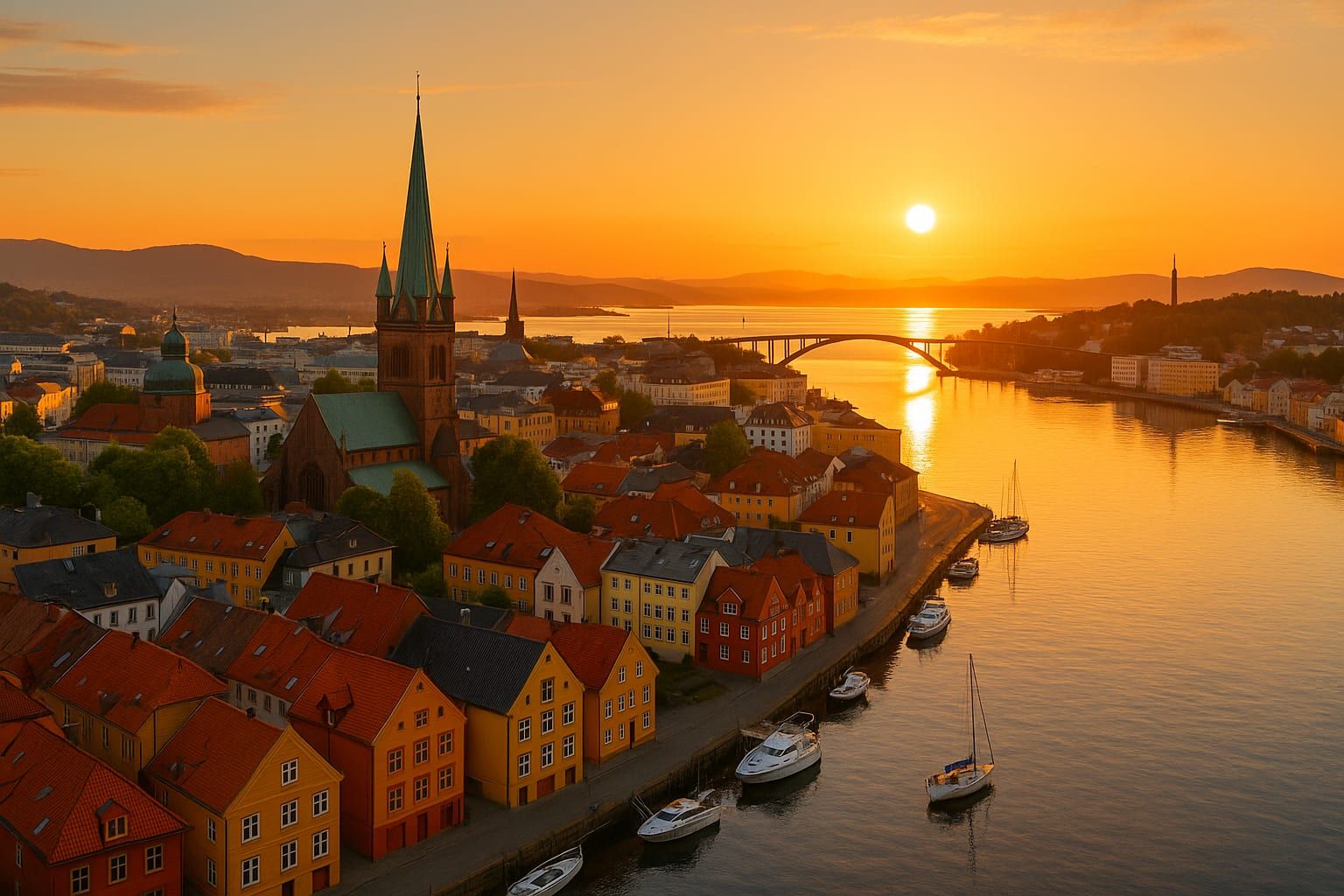
Experience Scandinavia’s Midnight Sun: where and when to go, best activities from hiking to whale-watching, local festivals, photography tips, packing advice and safety notes.
Summer in Scandinavia: The Midnight Sun Explained
Scandinavia’s Midnight Sun is one of those travel experiences that feels almost unreal: for weeks each summer the sun barely dips below the horizon, bathing fjords, mountains and tundra in a soft, prolonged light. Above the Arctic Circle—through parts of northern Norway, Sweden, Finland and Svalbard—24-hour daylight is the norm around the summer solstice (about June 21). Further south, long twilight stretches make evenings feel endless.
This guide explains where to see the phenomenon, what to do while the sun refuses to set, practical tips for sleeping and packing, cultural insights, and sample itineraries so you can plan an unforgettable Scandinavian summer.
Where and When to See the Midnight Sun
H2: Best regions to experience continuous daylight
- Northern Norway: Tromsø, the Lofoten Islands, Vesterålen and the North Cape (Nordkapp). In places like Tromsø the Midnight Sun lasts from late May through mid-July; Lofoten’s local windows can vary (roughly late May to mid-July).
- Swedish Lapland: Abisko, Kiruna and the far north of Sweden enjoy continuous daylight from late May to mid-July. Abisko is famed for clear skies and accessible trails.
- Finnish Lapland: Rovaniemi, Inari and areas above the Arctic Circle. The Midnight Sun here is paired with classic Finnish summer rituals.
- Svalbard: The high Arctic archipelago experiences a continuous sun from late April until late August—arguably the longest stretch in Norwegian territories.
- Iceland: While not fully in the Arctic Circle, northern Iceland enjoys very long summer days and near-midnight sun around the solstice.
H3: Timing notes
The further north you go, the longer the Midnight Sun lasts. Peak strength is near the summer solstice, around June 21. If you want the purest 24-hour daylight, aim for towns above the Arctic Circle (66°33′N). For a balance of long days and milder weather, late June to early July is ideal.
What to Do Under the Midnight Sun
H2: Outdoor adventures
- Hiking: Trails never feel rushed because the light lasts. Popular hikes include Reinebringen in Lofoten, the trails around Abisko National Park, and coastal treks near Tromsø.
- Kayaking & fjord cruises: Midnight cruises and kayaks let you glide past glowing cliffs and quiet fishing villages with the sun as your constant companion.
- Wildlife watching: Summer brings puffins, whales, seals and migratory birds. Whale-watching tours around Tromsø and Vesterålen are excellent in June and July.
- Fishing and foraging: Try hand-line fishing for cod or trout, or join a guide for berry foraging—cloudberries are a northern delicacy.
- Midnight golf and cycling: Many courses and guided cycling trips operate through the night, turning late-evening activity into a novelty.
H3: Cultural and seasonal events
- Midsummer celebrations (Sweden’s Midsommar, Finland’s Juhannus, Norway’s Sankthans): Expect maypoles, bonfires, traditional foods, and local festivals—these midsummer days are as important culturally as Christmas.
- Local festivals: Small towns host outdoor concerts, market days and seafood festivals—check municipal calendars when planning.
H2: Photography and the light
The prolonged golden hour is a photographer’s dream. With the sun low on the horizon for much of the night, you get long, soft shadows and saturated colors. Tips:
- Shoot in RAW to preserve dynamic range.
- Use neutral-density filters for long exposures of water in bright light.
- Embrace silhouettes and reflections in fjords for dramatic compositions.
Sample Itineraries
H2: 5-day Lofoten & Vesterålen sampler
Day 1: Arrive in Svolvær or Leknes, settle into a rorbuer (traditional fisherman's cabin).
Day 2: Explore Reine, hike Reinebringen at midnight light.
Day 3: Sea trip for birdlife and fishing; sample fresh cod.
Day 4: Scenic drive to Nusfjord and Å; short hikes and beach time.
Day 5: Ferry back via Bodø or fly out; stop at beaches for a final sunset—if there is one.
H2: 7-day Lapland & Tromsø mix
Days 1–3: Start in Kiruna/Abisko — hike, visit Sámi cultural sites, try for a midnight walk on a glacier.
Days 4–7: Transfer to Tromsø for whale-watching, cable-car views and a midnight fjord cruise.
Practical travel logistics: flights connect Tromsø and Bodø with major Norwegian hubs; trains and longer drives are scenic but take more time. Ferries and coastal boats are an atmospheric way to travel between islands.
Practical Tips and Local Insights
H2: Sleep and circadian rhythm
- Bring blackout curtains or a sleep mask: Even hotel rooms in the north sometimes lack heavy blackout shades—pack an eye mask and earplugs.
- Keep a routine: If you plan active nights, carve out a consistent daytime or evening routine for meals and sleep to avoid exhaustion.
H2: Packing checklist
- Layers: Nights can be cool even in July—bring a lightweight down jacket, windproof shell and merino base layers.
- Insect repellent: Mosquitoes and midges can be intense near lakes and wetlands in summer—bring DEET or Icaridin formulations and consider head nets for remote hikes.
- Sun protection: With constant sun, UV exposure adds up—sunscreen, sunglasses and a brimmed hat are essential.
- Footwear: Waterproof hiking boots and a comfortable pair of trainers for village exploring.
- Power & camera gear: Portable chargers and spare batteries—long summer days invite extra photos and GPS use.
H2: Money, food and timing
- Costs: Northern Scandinavia can be expensive. Book key transport and accommodations early (especially around Midsummer) to avoid price spikes.
- Dining: Seafood is exceptional—try arctic char, king crab, cod and locally foraged treats like cloudberries. Many small towns have seasonal pop-up eateries and fish smokehouses.
- Grocery tips: Self-catering or picnic-style meals can save money; look for local bakeries and fish markets for fresh, affordable options.
H2: Transportation and driving at midnight
- Rental cars: Driving is a flexible way to explore islands and fjords. Roads are well-maintained, but watch for narrow coastal stretches and local ferry timetables.
- Driving at night: Midnight daylight can be disorienting—rest well before long drives and use GPS. Wildlife, especially reindeer or elk, may wander onto roads at any hour.
H2: Respecting local culture and nature
- Sámi culture: Northern Scandinavia is home to indigenous Sámi communities. Respect reindeer grazing areas, ask before photographing people or private lands, and consider hiring Sámi-guided cultural experiences.
- Leave no trace: Fragile tundra and coastal ecosystems recover slowly—stick to trails, pack out waste, and avoid disturbing bird colonies.
H2: Safety in the wild
- Guided trips for glaciers and sea safaris: Book certified guides for technical activities. Weather and sea conditions can change quickly even in summer.
- Medical access: Remote regions have limited medical facilities—carry a basic first-aid kit and travel insurance that covers evacuation if you plan remote adventures.
Local Experiences Worth Seeking Out
H3: Midnight sauna and a dip
Combining a hot sauna with a cold dip is a Nordic rite—many summer accommodations and campsites offer saunas. A late-evening plunge in a lake under the Midnight Sun is both refreshing and memorably local.
H3: Midsummer with the locals
If your trip aligns with June’s Midsummer traditions, join a local celebration: dancing around maypoles in Sweden, lighting bonfires along Norwegian coasts, or enjoying lakeside Juhannus parties in Finland. These are social, family-oriented events—participate respectfully and savor home-cooked seasonal fare.
H3: Night markets and small-town pubs
Many coastal villages stay lively late into the glowing night. Look for outdoor food stalls or small pubs where locals discuss fishing, reindeer herding and summer plans—great for authentic conversation and local recommendations.
Photography & Storytelling Tips
- Capture the contrast: Use reflections in still fjords or lakes to double the sky’s color.
- Time-lapse: The slow sweep of light across the landscape is perfect for time-lapse sequences.
- Human stories: Photograph locals at work—fishermen mending nets, Sámi artisans, or kids playing under the sun—to tell a more complete travel story.
Budgeting & Booking Strategies
- Travel off-peak within summer: Early June or late July can be slightly cheaper while still offering long days. Avoid the exact week of Midsummer if you’re on a tight budget.
- Consider multi-stop passes: In Norway, coastal boat routes and regional flights have combined passes or early-bird fares—book as soon as your dates are fixed.
- Camping and cabins: Renting a rorbuer in Lofoten or staying in simple cabins can be a cost-effective way to extend your stay without sacrificing comfort.
For broader European planning, see our guide to Best Long Weekend Destinations in Europe for ideas on customizing short trips, and if you’re hoping to cool off in freshwater during your northern trek, check Best Lakes for Swimming in Europe for inspiration and safety pointers.
Final Thoughts: Why Summer in Scandinavia Matters
The Midnight Sun is more than a natural curiosity: it shapes local life and seasonality. Long daylight encourages festivals, outdoor living and a cultural rhythm unlike any other. Whether you’re photographing silent fjords, joining a midsummer feast, or simply taking a midnight hike, the experience rewires how you understand time and light.
Plan thoughtfully—book key logistics early, pack for variable weather and insects, and bring curiosity and respect for local culture. The reward is a summer where the day feels endless and the landscapes glow with a quiet, near-mythic beauty.
Safe travels—and enjoy the endless evening.
Keep Exploring
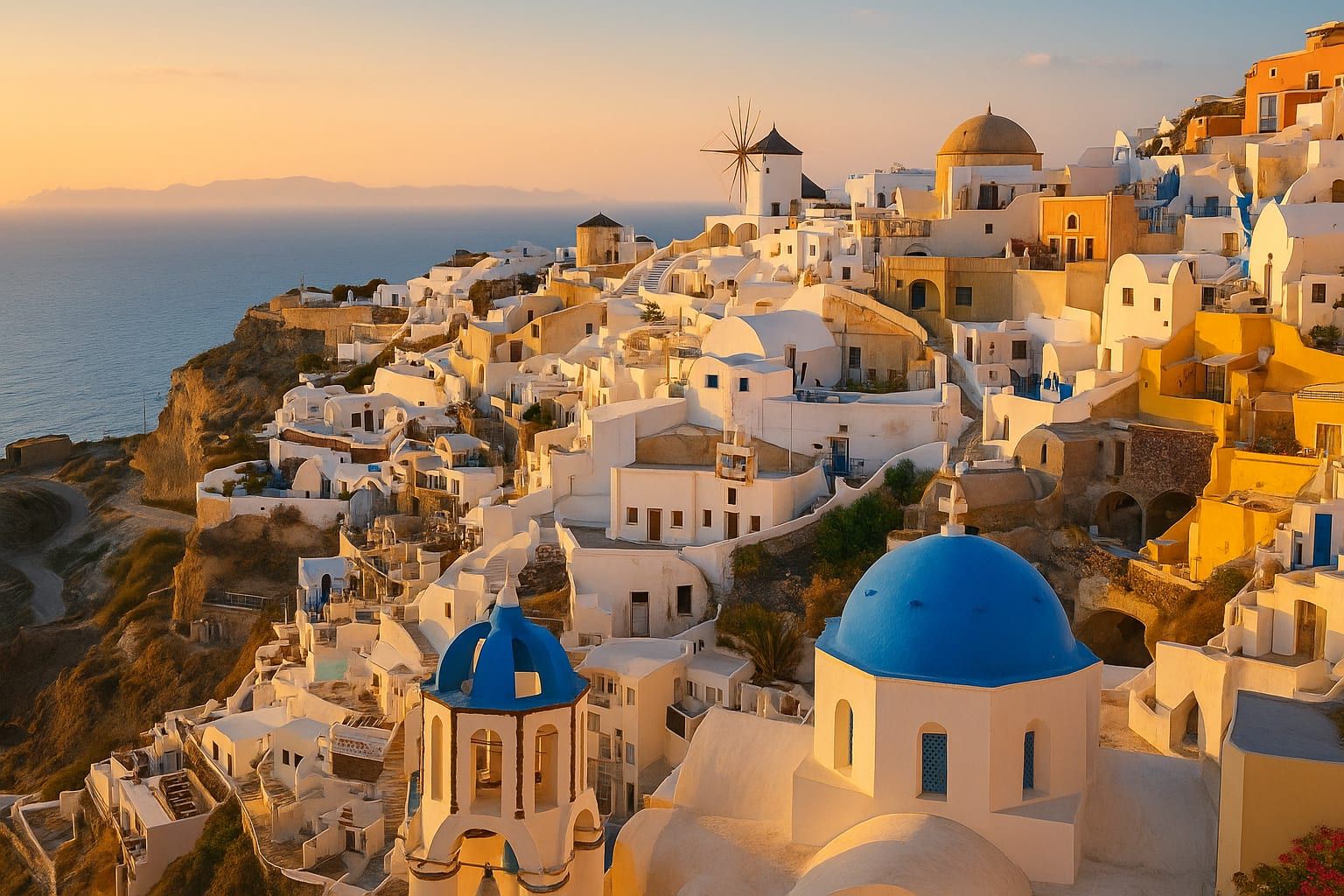
Greek Islands: Which One Is Right for You?
From party islands and luxury escapes to quiet villages and family-friendly beaches, this guide helps you match your travel style to the perfect Greek island — with practical tips and sample itiner...
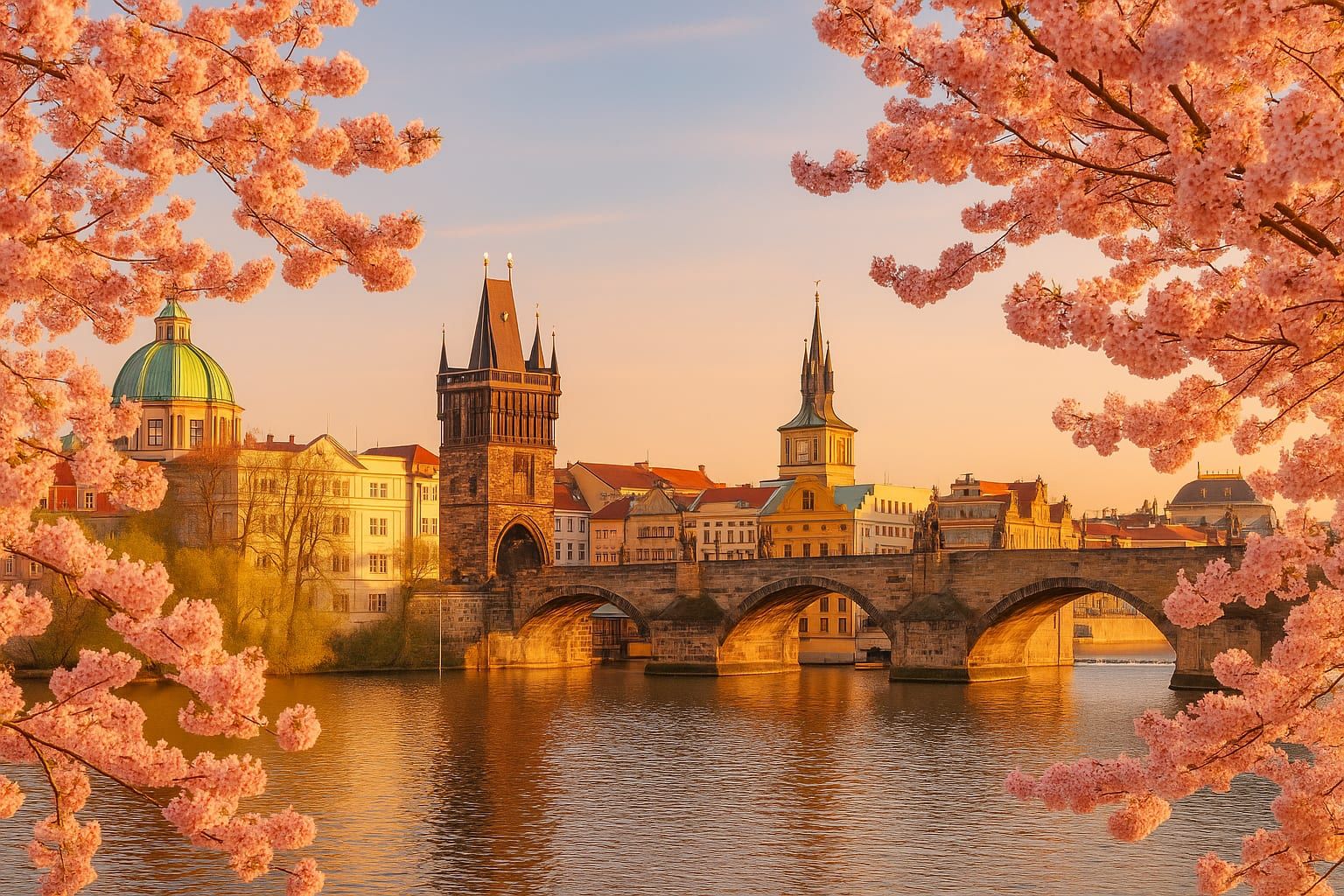
Cherry Blossoms in Europe: Best Spots
A practical guide to Europe's top cherry blossom spots — when to go, where to find the best tunnels and parks, local tips, and photo-perfect viewpoints from Bonn to Stockholm.
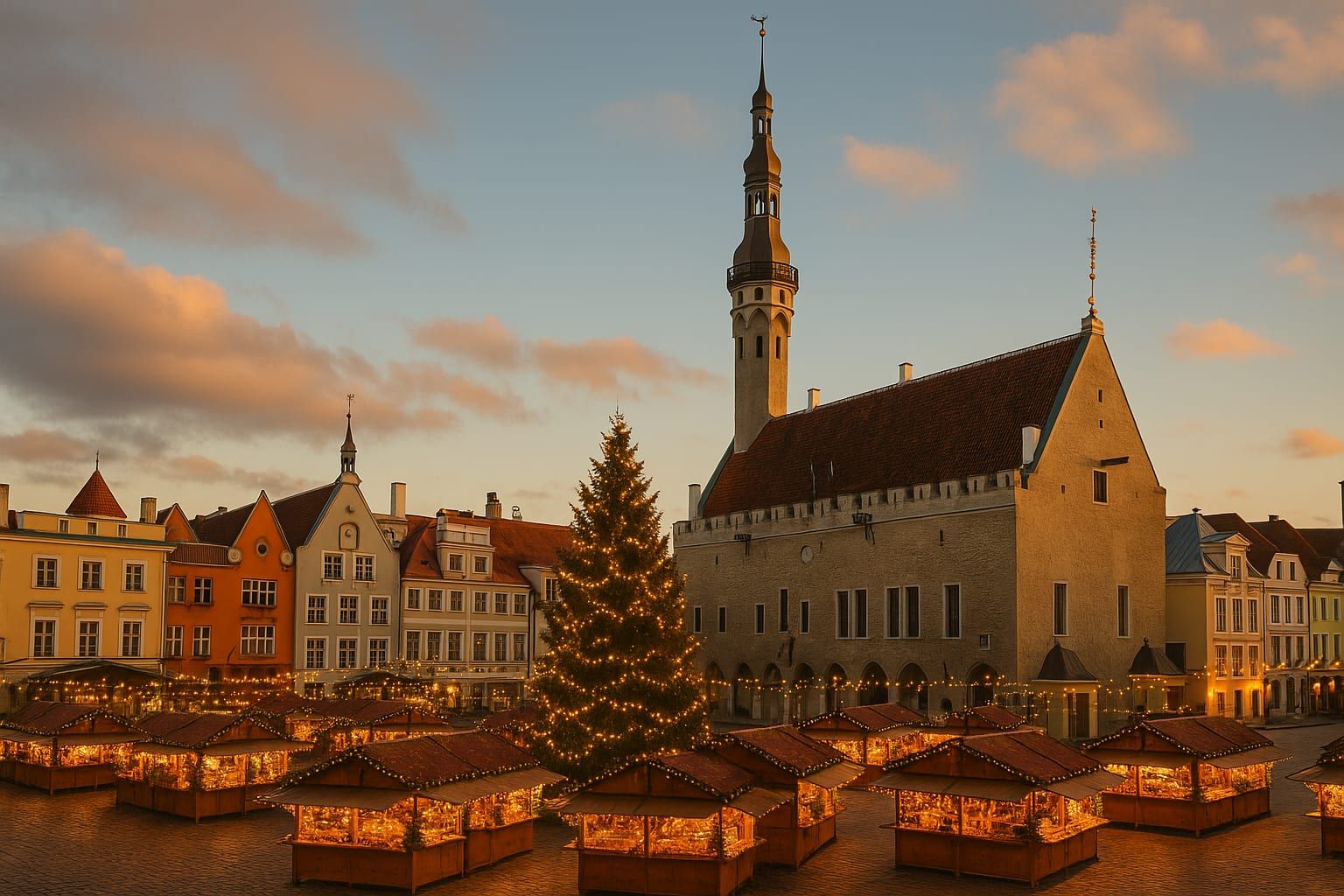
Tallinn Christmas Market: Medieval Magic
Step into a snow‑dusted fairy tale — Tallinn’s Christmas Market transforms the UNESCO-listed Old Town into a medieval wonderland of wooden stalls, mulled wine and Estonian crafts.