
A practical guide to Europe's best lakes for swimming — top spots, seasons, access tips, safety advice and nearby attractions to plan your perfect freshwater dip.
Best Lakes for Swimming in Europe
Europe is blessed with thousands of lakes — from warm, shallow basins perfect for families to crystalline Alpine bowls framed by dramatic peaks. Whether you want to float in calm turquoise water, jump from a cliff, or swim between tiny islands, this guide covers the best lakes across Europe, when to visit, how to get there, and local tips to make the most of every dip.
How we picked these lakes
We selected lakes based on water quality, accessibility, on-shore facilities, scenery, and variety of experiences — warm summer swimming, Alpine refreshers, lake towns, and quieter, wild swims. We also flag important local rules (for example, lakes where swimming is not allowed) and seasonal considerations.
Top lakes to swim in (by region)
Lake Bled, Slovenia — postcard perfection with easy access
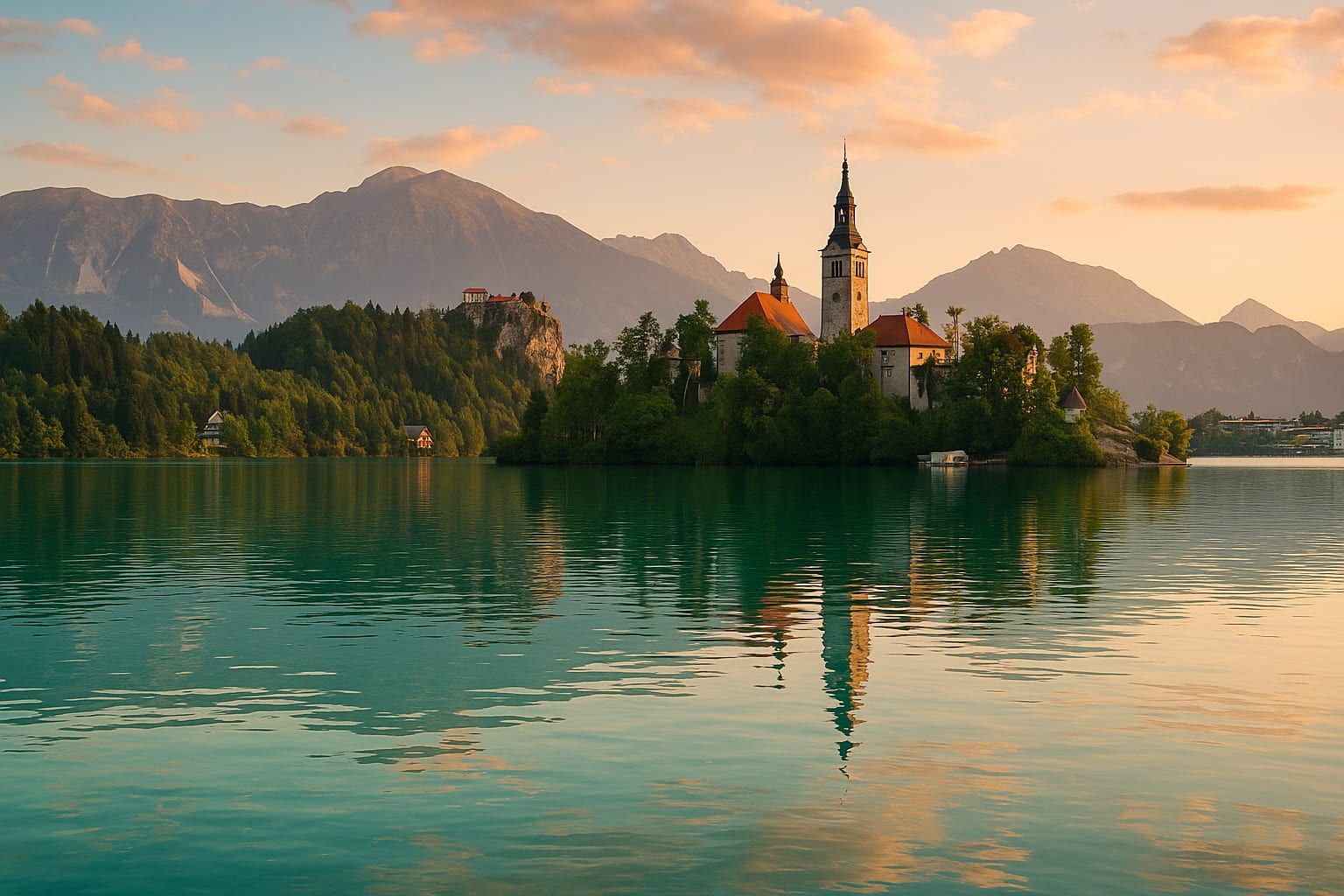
Why go: Lake Bled is the image of a fairy-tale Alpine lake: an island church, a medieval castle on a cliff, and calm, chilly water that feels heavenly after a hike.
Best time: June–September (water warms enough to be pleasant; busy in July–Aug).
Access & where to swim: The town of Bled has several public lidos and grassy beaches on the lake shore. For a classic experience, swim near the island side of the lake (the waters are typically clean and well monitored). If you’re planning more than a dip, rent a small rowboat or join a traditional pletna boat to visit the island.
Local tip: Combine your swim with a walk up to Bled Castle for panoramic views, then try the legendary kremšnita (cream cake). For a broader Slovenia itinerary that includes Bled, see our One Week in Slovenia guide: /en/itineraries/one-week-in-slovenia-mountains-caves-coast
Lake Garda, Italy — warm, breezy and activity-friendly
Why go: Italy’s largest lake blends Mediterranean warmth with Alpine scenery. Shallow bays warm quickly in summer, and steady winds make it a windsurfing and sailing hotspot.
Best time: Late May–September (warmest July–Aug).
Access & where to swim: Popular beaches around Sirmione, Riva del Garda, and Malcesine have facilities, cafés and boat hire. For quieter water, head to smaller coves on the southern shores.
Local tip: Expect crowds at the top spots — early morning swims are blissful. Bring water shoes for pebbly beaches and consider island-hopping by ferry.
Lake Como, Italy — glamorous swims and cliff jumps
Why go: Dramatic villas, steep mountainsides, and deep, clear water make Lake Como stylish and scenic. The water is deep and refreshingly cool, ideal for open-water swimmers.
Best time: June–September.
Access & where to swim: Public beaches include Lido di Bellagio and Lido di Menaggio. For a quieter swim, move away from the main towns toward hidden bays.
Local tip: Combine swimming with a lakeside aperitivo in Bellagio. If you're into open-water training, Como and surrounding towns host regular swimming groups.
Lake Annecy, France — one of Europe’s cleanest lakes
Why go: Often described as Europe’s cleanest lake, Annecy combines turquoise water, mountain scenery, and long graded beaches — ideal for family swimming and water sports.
Best time: June–September.
Access & where to swim: The town of Annecy has several lidos and public swimming areas (such as Plage d’Albigny and Plage des Marquisats). Bike the lakeside promenade and stop to cool off.
Local tip: The lake's water quality is excellent thanks to strict protections — expect lifeguards and maintained facilities at main beaches. Rent a paddleboard to explore the far shore.
Lake Zurich, Switzerland — urban swimming with Alpine backdrop
Why go: Lake Zurich offers city convenience — ferries, promenades, and supervised lidos — with clear water and views of nearby Alps.
Best time: June–September. Switzerland’s lakes remain cooler than Mediterranean spots but are wonderfully clean.
Access & where to swim: Public baths (Seebad Utoquai, Seebad Enge) provide easy, safe access and towels/lockers. Take a ferry across the lake for quieter swimming spots.
Local tip: Swim early or late to beat local crowds, then warm up with coffee in Zurich's Old Town.
Balaton, Hungary — the “Hungarian Sea” for warm, family-friendly swims
Why go: Lake Balaton is shallow and warm — excellent for families and long summer swims. It has sandy shores, thermal springs nearby, and lively resort towns.
Best time: June–September (warmest and shallowest of European lakes — water heats quickly).
Access & where to swim: Siófok and Balatonfüred are popular for facilities and nightlife; for quieter options, explore the northern shore’s vineyards.
Local tip: Many beaches grant free entry; others are paid with amenities. Try locally produced wines on the northern hills after your swim.
Plitvice Lakes, Croatia — extraordinary, but no swimming
Why go: The Plitvice Lakes National Park is a UNESCO wonder with cascading waterfalls and intensely blue pools — but swimming is strictly prohibited to protect the fragile ecosystem.
What to do instead: Walk the wooden boardwalks and take in photo-perfect pools and falls. For swimming in Croatia, consider nearby Krka National Park (where limited bathing is allowed) or the Adriatic coast.
Local tip: Read our complete guide to plan your visit: /en/nature-outdoors/plitvice-lakes-croatia-complete-visitor-guide
Lake Ohrid, North Macedonia/Albania — ancient, serene and refreshing
Why go: One of Europe’s oldest and deepest lakes, Ohrid has clear water, historical towns, and pebble beaches.
Best time: June–September.
Access & where to swim: Beaches around Ohrid town are easy to reach, with cafés and sunbeds. For quieter swimming, head south along the Albanian shore.
Local tip: Combine swimming with cultural exploration — Ohrid’s seaside promenade has Byzantine churches and lakeside tavernas.
Lake Saimaa, Finland — for a cool Nordic dip and sauna
Why go: Saimaa is dotted with islands and scenic cottages; swimmers combine dips with traditional sauna sessions for an authentic Finnish experience.
Best time: June–August (water can be chilly but refreshing; saunas make it sociable).
Access & where to swim: Many lakeside cottages and public beaches; ferry services connect islands in peak season.
Local tip: Try a post-sauna plunge — locals say it’s the ultimate way to enjoy Finnish lakes.
Skadar Lake, Montenegro/Albania — wild wetlands and warm coves
Why go: Skadar is a birdwatcher’s haven with tranquil coves for swimming. The shallow southern bays warm in summer and are ideal for secluded dips.
Best time: June–September.
Access & where to swim: Boat safaris often stop at swimming spots. Head to Virpazar (Montenegro) for a lakeside base.
Local tip: Combine a swim with sampling freshwater fish in lakeside villages. For dramatic mountain-lake combos in Montenegro, check Durmitor: /en/nature-outdoors/durmitor-montenegro-mountains-canyons
Practical tips for lake swimming in Europe
Timing and water temperature
- Alpine lakes (Bled, Como high-altitude arms) remain cool even in summer; expect 15–22°C in July/August.
- Shallow lakes (Balaton, southern Garda coves) warm quickly and can reach 25°C+.
- Northern lakes (Saimaa, Finnish Lakelands) can be chilly — embrace the sauna culture.
Plan swims for late morning or afternoon when the air’s warmer, but early mornings offer glassy, calm water and fewer people.
Safety essentials
- Check local signage for hazards (boat traffic, water quality warnings, no-swim zones).
- Watch for sudden weather changes in mountain valleys; storms can arise quickly.
- Many lakes lack lifeguards. If you’re not a strong swimmer, stay near shore or use a buoy.
- Beware of cold-water shock in deep or glacial lakes; ease into cold water and limit time until you acclimatize.
Gear to bring
- Water shoes for rocky or pebbly shores.
- A swim buoy for visibility in open water swimming.
- Snorkel and mask for exploring rocky shallows.
- Microfibre towel and a windbreaker for chilly post-swim breezes.
- Sunscreen (reflections off water increase UV exposure).
Respect the environment and local rules
- Pack out everything you bring in and avoid soaps/shampoos in the water.
- Follow protected-area rules — some lakes and shorelines are sensitive habitats.
- If there’s a small fee for a lido or beach, pay it — it helps maintain facilities and water cleanliness.
Where to stay and combine activities
- Lake towns: Many lakes have charming towns — Bled, Annecy, Como, Ohrid — perfect for combining culture, dining and swims.
- Hiking & swimming: Alpine and Balkan lakes pair well with day hikes; plan swims as a refreshing reward after a trek.
- Water sports: If you want more than swimming, look for lakes with kayaking, paddleboarding, windsurfing or diving schools.
Food and local experiences to pair with your swim
- Slovenia: Try local cream cake at Bled after a morning dip and castle climb.
- Italy: Lakeside aperitivi and fresh fish are a classic post-swim ritual around Garda and Como.
- Croatia: After admiring Plitvice’s waters, head to a nearby swimming spot or the coast to cool off.
Seasonal planning & avoiding crowds
- Peak season (July–August) brings crowds — travel in June or September for warm water and thinner crowds.
- Early mornings and weekdays are best for quieter swims.
Final tips and safety reminders
- Familiarize yourself with local rules: some lakes forbid swimming to protect wildlife or for safety.
- If you plan open-water swims, consider joining a local swimming group — they know the safest routes and conditions.
- Always check local water-quality updates in summer; algal blooms can occasionally affect shallow, warm lakes.
Europe’s lakes offer a stunning palette of swimming experiences: high-Alpine chillers, warm family-friendly basins, secluded wetland coves, and iconic lakeside towns. With a little planning — timing your trip for the right season, packing basic safety gear, and respecting local rules — you can enjoy some of Europe’s most memorable freshwater swims.
For more planning inspiration, tips on nearby hikes and day trips, and detailed guides to regional highlights, explore our related articles: plan a Slovenian loop that includes Lake Bled in our One Week in Slovenia guide (/en/itineraries/one-week-in-slovenia-mountains-caves-coast), discover the visual wonder of Plitvice Lakes (/en/nature-outdoors/plitvice-lakes-croatia-complete-visitor-guide), or pair Montenegro lake swims with mountain adventures in Durmitor (/en/nature-outdoors/durmitor-montenegro-mountains-canyons).
Ready to dip in? Pack your swimsuit, pick a morning to savor the calm water, and enjoy some of Europe's best freshwater swimming.
Related
Keep Exploring
Bear Watching in Europe: Ethical Tours
A practical guide to ethical bear-watching in Europe: where to go, how to pick responsible tours, safety and photography tips, and local insights from Slovenia to the Carpathians.
Tour du Mont Blanc: Complete Guide
Everything you need to plan, pack and hike the Tour du Mont Blanc: routes, huts, itineraries, logistics, safety tips and local insights for a successful 8–12 day circuit.
Best Day Hikes in the Dolomites
Explore the Dolomites on foot: a practical guide to the region’s best day hikes, from Tre Cime and Seceda to Lago di Sorapis, with route details, logistics, and local tips.