
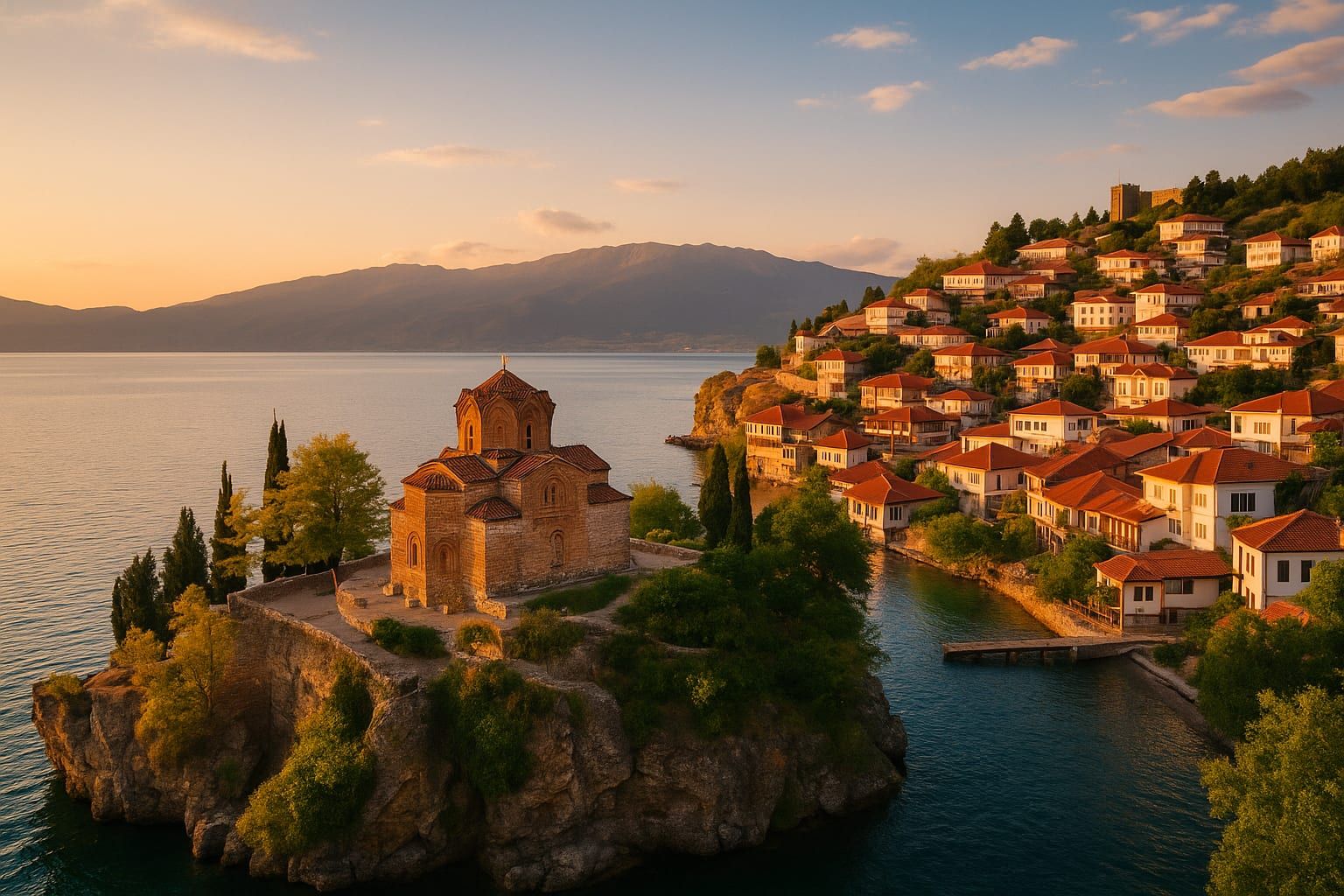
Discover Ohrid, North Macedonia — a UNESCO lakeside jewel. From crystal-clear Lake Ohrid and ancient churches to hidden beaches and local food, this practical guide covers what to see, do and how t...
Ohrid: Europe's Hidden Lake Paradise
Lake Ohrid is one of Europe’s best-kept secrets — a shimmering bowl of ancient water cradled by limestone hills, dotted with Byzantine churches, lakeside cafes and pebble beaches. Tucked in southwestern North Macedonia, the town of Ohrid and its surroundings offer history, nature and a relaxed pace that feels refreshingly off the beaten track.
This guide gives an in-depth look at what to see and do, when to go, where to eat and stay, and plenty of local tips to help you make the most of your visit.
Why Ohrid deserves your attention
- Lake Ohrid is one of the oldest and deepest lakes in Europe, estimated to be millions of years old. Its age and isolation mean the lake is a biodiversity hotspot — home to dozens of endemic species, including the famed Ohrid trout (Salmo letnica).
- Ohrid town is a UNESCO World Heritage site for both cultural and natural reasons: the lakeshore landscape and medieval architecture make for a unique combination of natural beauty and human history.
- Compared with Europe’s more famous lakes, Ohrid still feels intimate and affordable, with welcoming locals and a relaxed lakeside atmosphere.
Best time to visit
- Late spring (May–June): Wildflowers and mild water temperatures; ideal for hiking and sightseeing without the high-season crowds.
- Summer (July–August): Warm, sunny weather and water perfect for swimming — but expect the busiest crowds and higher prices.
- Early autumn (September–October): My personal favorite — warm, quieter, and the light is beautiful for photography.
- Winter: Quiet and atmospheric; many attractions remain open but some lakeside businesses close for the season.
Getting there and around
- By air: Ohrid has a small international airport (OHD) with seasonal flights from some European cities. Skopje is the main international gateway.
- By bus: Regular buses connect Skopje and Ohrid (roughly 3.5–4.5 hours depending on service). Buses from Thessaloniki (Greece) and Tirana (Albania) also run less frequently.
- By car: A scenic drive — renting a car gives you freedom to explore nearby natural areas and border towns. Roads are generally good but watch for narrow stretches in mountainous areas.
- Local transport: Ohrid is compact and walkable. Taxis are cheap; boat taxis and organized boat trips are popular for exploring the lake.
Practical tip: If you’re building a Balkans route, Ohrid fits beautifully into longer itineraries — see suggested routes in our Ultimate Balkans Road Trip guide (/en/itineraries/ultimate-balkans-road-trip-2-weeks-itinerary).
Quick practicals
- Currency: Macedonian denar (MKD). Many places accept card in high season, but smaller cafes and markets prefer cash.
- Language: Macedonian; Albanian is also spoken in parts of the region. English is common in tourism-related businesses.
- Power: Type C and F plugs, 230V.
- Safety: Very safe for travelers. Basic common-sense precautions are enough.
- Respect local customs: Dress modestly when visiting religious sites.
Top things to do in and around Ohrid
Wander Ohrid Old Town and waterfront
Start with the old town’s maze of cobbled lanes, traditional houses and tiny churches. The waterfront promenade is perfect for sunset strolls, lakeside cafés and fish restaurants where the local trout is a must-try.
Highlights:
- Ohrid Old Bazaar: small markets and artisan shops selling filigree, wool, and Ohrid pearls.
- Church of St. Sophia and the Church of St. John at Kaneo: iconic Byzantine churches with stunning views over the lake.
- Samuil’s Fortress (Samuel’s Fortress): climb the fortress for panoramic views across town and the lake — a great spot for sunrise or sunset photos.
Boat trips on Lake Ohrid
A boat excursion is essential. Short tours visit nearby beaches and historic sites; longer trips cross to the Albanian side or circle to the Monastery of Saint Naum.
Border note: Cross-border boat trips require passports and sometimes advance coordination with border authorities — check current rules before you go.
Monastery of Saint Naum
Located ~30 km southeast of Ohrid, Saint Naum perches on the lake’s southern shore with turquoise waters and centuries-old frescoes. The spring-fed bay nearby is great for a refreshing swim.
Bay of Bones (Reconstructed prehistoric pile dwellings)
A small, atmospheric open-air museum on stilts — a reconstruction of Bronze Age dwellings. It’s a unique glimpse into human life on the lake millennia ago.
Galicica National Park and hiking
Galicica ridge sits between Lake Ohrid and Lake Prespa and offers hiking routes with spectacular viewpoints. Trails vary from easy walks to full-day hikes. Wildflowers, birds and sweeping panoramas reward the effort.
Swim, snorkel and explore hidden beaches
Lake Ohrid’s clarity makes it a fantastic spot for swimming and snorkelling — and it’s listed among Europe’s top lakes for swimming. For more ideas on lakes across the continent, check our Best Lakes for Swimming in Europe guide (/en/nature-outdoors/best-lakes-swimming-europe).
Local insight: Some of the best swims are from small pebble coves outside town — ask locals or your guesthouse host for directions to quieter spots.
Cultural experiences & museums
- Ohrid Byzantine mosaics and icons are world-class — visit the icon museum and small church museums.
- Attend a performance during Ohrid Summer Festival if your visit aligns — music and theater staged in historic venues are magical.
Food, drink and local specialties
- Ohrid trout (pastrmka or pastrmajlija with trout) is the region’s signature dish; order it grilled at a lakeside restaurant.
- Shops and markets sell Ohrid pearls (shell-based craft), local honey, cheeses and rakija (fruit brandy).
- Pastry and savory snacks: burek and burek-like pastries are good for a quick, affordable snack.
Dining tip: Fishermen often sell fresh trout from the harborside; you can have it cooked at many restaurants. For a more local meal, step away from the main promenade to small family restaurants in the old town.
Where to stay
- Old Town guesthouses: Stay in a family-run guesthouse for authentic hospitality and often breakfast with local products.
- Lakeside hotels: Perfect for sunset views and easy access to the promenade.
- Budget hostels and apartment rentals: Plenty of affordable options in and near the town center.
Booking tip: In high season (July–August) book well in advance. For the quietest experience, visit in May–June or September.
Suggested itineraries
48 hours in Ohrid (fast-paced)
Day 1: Morning — explore Old Town, visit St. Sophia and Samuil’s Fortress. Afternoon — lakeside lunch and a short boat tour. Evening — sunset at St. John at Kaneo, dinner on the promenade.
Day 2: Morning — trip to Monastery of Saint Naum and swim. Afternoon — Bay of Bones and return via scenic route. Evening — local music or relaxed lakeside drink.
4-day relaxed itinerary
Day 1: Get oriented — Old Town and waterfront. Day 2: Full-day Galicica hike and picnic. Day 3: Boat trip to Saint Naum, swimming and lakeside tavern lunch. Day 4: Museums, artisan markets, and an afternoon at a quiet beach.
Responsible travel and conservation
Lake Ohrid is ecologically fragile. Visitor choices matter:
- Don’t litter; use marked waste bins.
- Avoid single-use plastics and bring a refillable water bottle.
- Stick to marked trails to protect fragile habitats.
- Choose local businesses — family restaurants and guesthouses support the community.
Local conservation groups are active; consider a donation or joining a local eco-tour if available.
Practical local tips and insider knowledge
- Haggle politely at markets for souvenirs but respect fixed-price shops.
- If you want the clearest lakeside water and quieter beaches, head east of the town toward less-developed coves.
- Early mornings are best for photographers — the light on the historic churches and lake is spectacular before crowds arrive.
- If you’re driving, parking near the old town can be limited in summer; ask your accommodation about parking options.
- Try to learn a few Macedonian phrases — locals appreciate the effort and it can open doors to conversations and recommendations.
Day trips from Ohrid
- Prespa Lakes: A quieter, wilder highland lake and an important bird area.
- Pogradec, Albania: A short drive or cross-border boat will take you to Albania’s lake-side town — a nice way to pair countries in one trip (carry your passport and check entry rules).
Money-saving and budget tips
- Eat where locals do — small kafanas and bakeries serve great food for less.
- Use public buses for intercity travel rather than taxis for longer distances.
- Many museums and attractions have lower-cost entry for students and seniors.
Final thoughts
Ohrid is a destination that rewards slow travel. Its lakeshore panoramas, layered history and friendly atmosphere make it perfect for travelers who want natural beauty and culture without the crowds of more famous European hotspots. Whether you’re swimming in crystalline water, tracing Byzantine frescoes or watching the sun set from a lakeside cafe, Ohrid offers a soulful, restorative travel experience.
If you’re planning a broader trip across the region, combine Ohrid with nearby Balkan highlights — and if you’re curious about how to stitch it into a longer route, our Ultimate Balkans Road Trip itinerary (/en/itineraries/ultimate-balkans-road-trip-2-weeks-itinerary) is a good starting point. For lovers of lakes and summer swims, compare Lake Ohrid with other top swimming spots in our Best Lakes for Swimming in Europe guide (/en/nature-outdoors/best-lakes-swimming-europe).
Happy travels — and remember to leave Ohrid as beautiful as you found it.
Keep Exploring
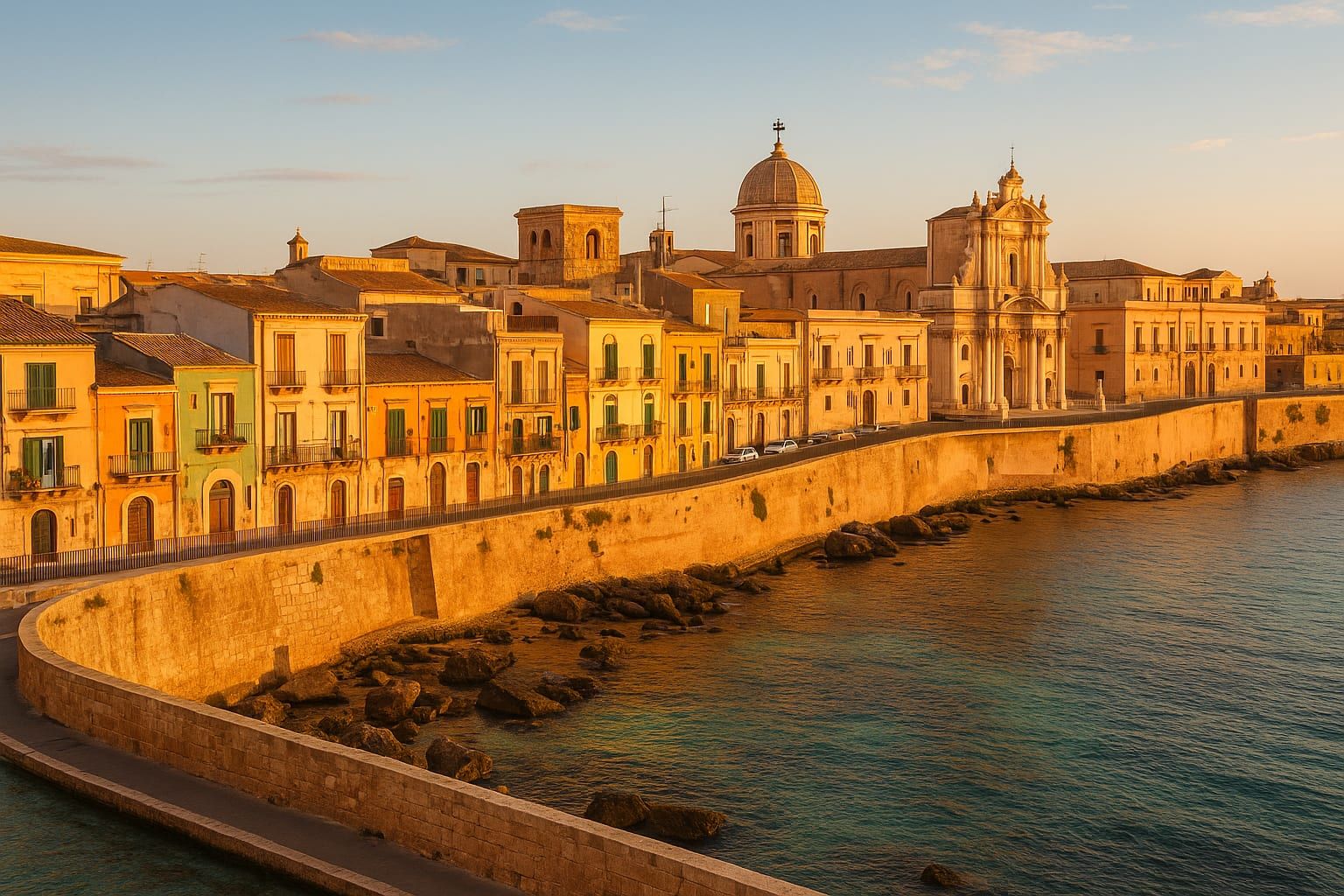
Siracusa: Sicily's Most Beautiful Ancient City
Siracusa is Sicily’s most beautiful ancient city: Greek theatres, Baroque Ortigia, seafood markets and sun-drenched alleys. This guide covers highlights, food, itineraries and practical tips.
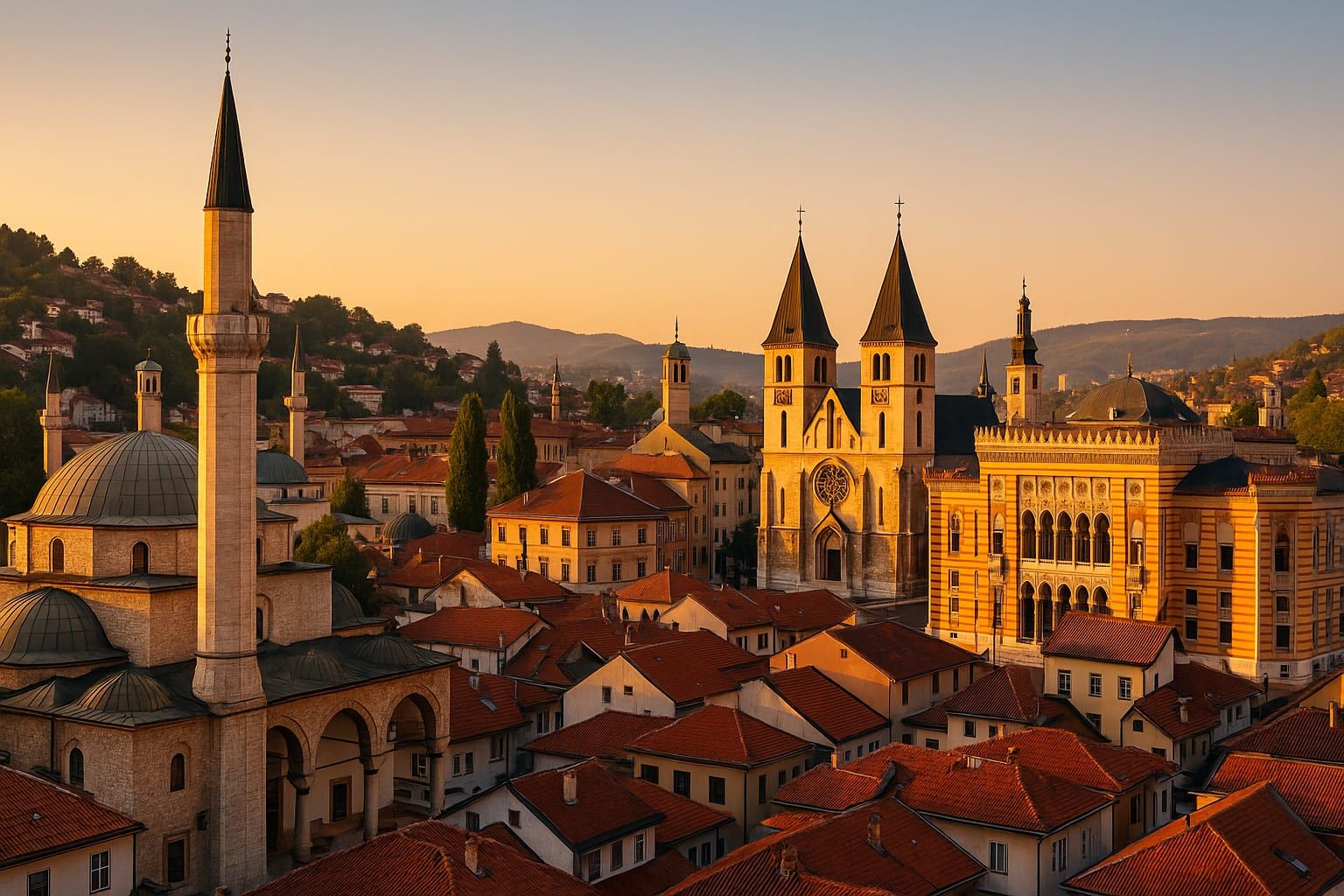
Sarajevo: Europe's Jerusalem You've Never Visited
Discover Sarajevo — a compact, soulful capital where mosques, churches and synagogues stand within earshot, Ottoman bazaars meet Austro-Hungarian boulevards, and history hums in every street.
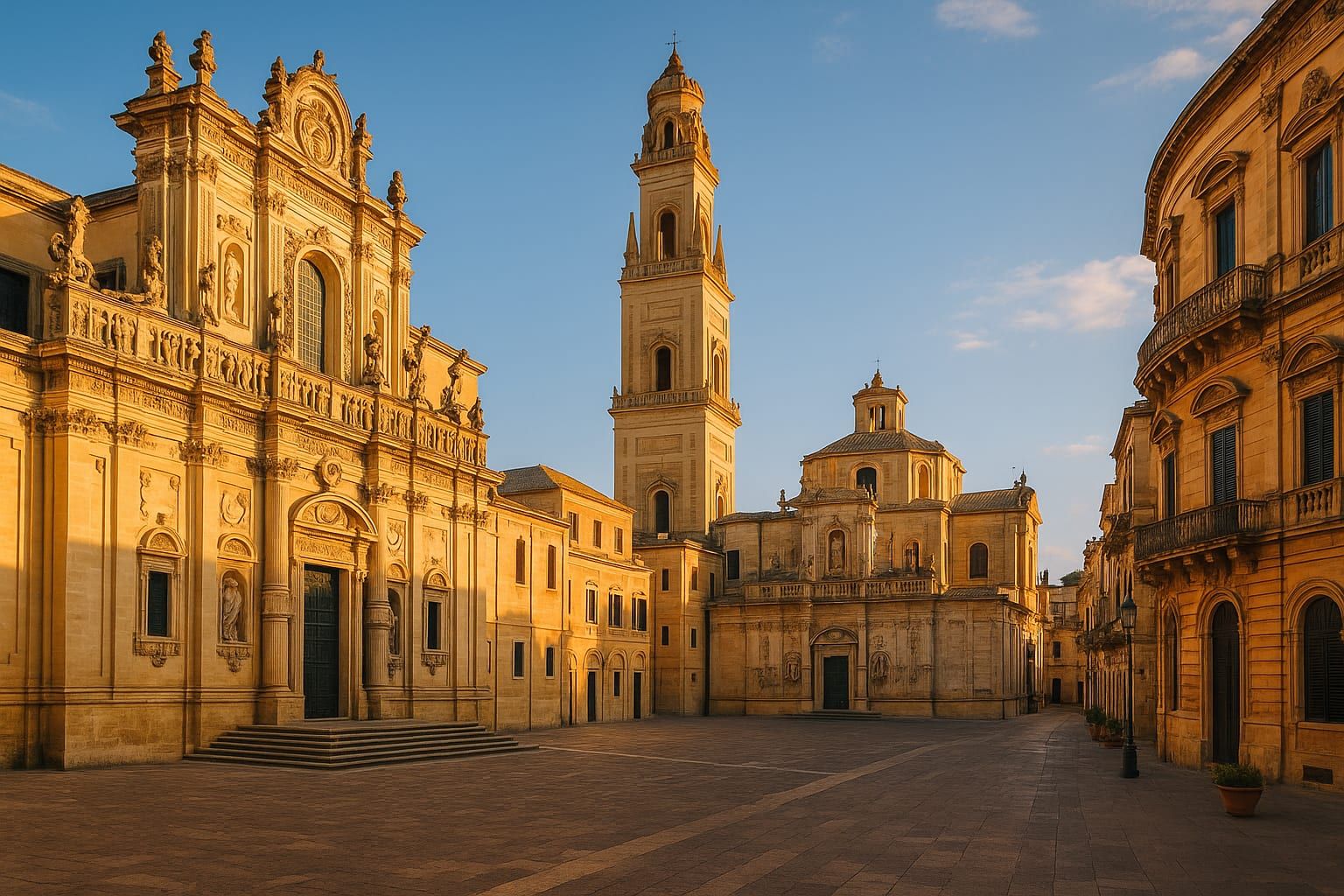
Lecce, Italy — The Florence of the South
Discover Lecce — Salento’s honey‑coloured Baroque gem. This guide covers must‑see architecture, food, day trips, local tips and practical advice for exploring the ‘Florence of the South.’