
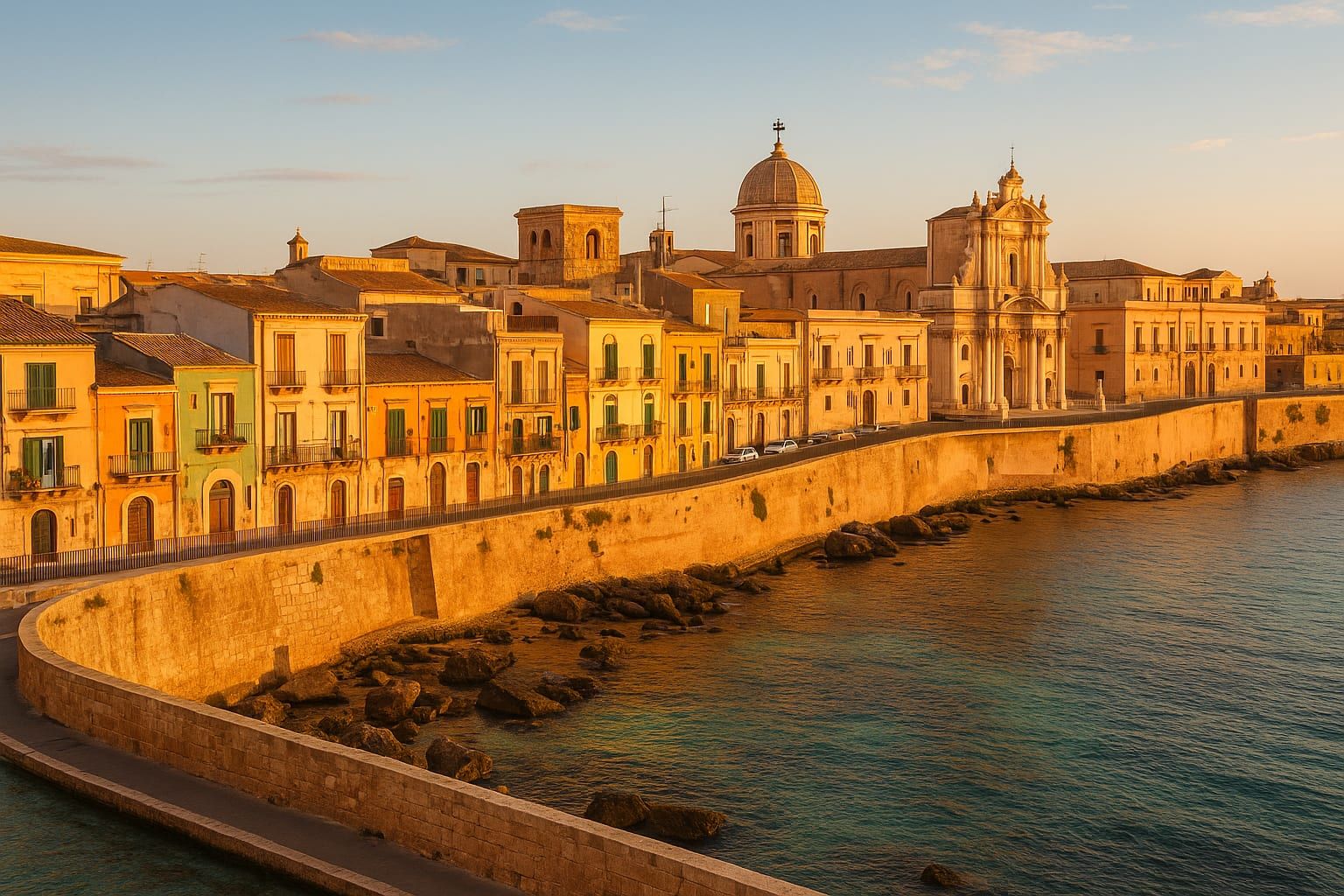
Siracusa is Sicily’s most beautiful ancient city: Greek theatres, Baroque Ortigia, seafood markets and sun-drenched alleys. This guide covers highlights, food, itineraries and practical tips.
Siracusa: Sicily’s Most Beautiful Ancient City
Perched on the southeastern tip of Sicily, Siracusa (Italian: Siracusa; Sicilian: Saragusa) is a place where layers of history rest side-by-side with a vivid, modern island life. Praised by Cicero as “the greatest Greek city and most beautiful of them all,” Siracusa still feels like an open-air museum — but one you’ll want to linger in for the food, sunsets, and slow afternoons in Ortigia.
Below is a practical, richly detailed guide to the city’s highlights, local insights, suggested itineraries, and travel tips to help you get the most from a visit.
Why visit Siracusa?
- Ancient monuments: a Greek theatre, Roman amphitheatre, quarries and catacombs.
- Ortigia: a compact island of Baroque palaces, narrow lanes and a dramatic seaside.
- Exceptional seafood and a culinary tradition that dates to antiquity.
- Great base for exploring the Val di Noto (UNESCO Baroque towns), beaches, and nearby towns like Noto and Modica.
Siracusa is compact enough for slow exploration but rich enough to occupy several days. Whether you’re a history buff, food lover, photographer or beach seeker, the city rewards curiosity.
Quick orientation: Ortigia vs. the Mainland
Siracusa is made of two distinct parts: the island of Ortigia (the historic heart) and the larger mainland district where the Neapolis Archaeological Park and modern shops are found. Most visitors spend mornings in Neapolis and afternoons or evenings wandering Ortigia’s lanes, piazzas and seafront.
Must-see sights (and local tips)
Neapolis Archaeological Park (Parco Archeologico della Neapolis)
Home to Siracusa’s most famous ancient monuments: the Greek Theatre (Teatro Greco), the Roman Amphitheatre, and the Latomie — ancient tufa quarries including the mysterious Ear of Dionysius (Orecchio di Dionisio). Arrive early to avoid heat and crowds. Wear comfortable shoes; the theatre terraces are steep but offer spectacular views.
Local tip: audio guides and guided tours add a lot of context. If you can, time your visit with a live performance in the summer — watching theatre where the ancients did is unforgettable.
Ortigia Island: cathedral, piazzas and the seafront
Ortigia is the emotional centre of Siracusa: dawn markets, Baroque churches, and restaurants spilling onto cobbled squares. Highlights:
- Cathedral of Siracusa (Duomo): Built on a Greek temple of Athena — look closely to see the Doric columns incorporated into the church’s fabric.
- Piazza Duomo: One of Italy’s most elegant Baroque squares.
- Fonte Aretusa: A small freshwater spring by the sea, wrapped in mythology and papyrus plants.
- Lungomare di Levante and Molo Sant’Antonio: For sunset walks and views back to the city.
Local tip: Explore Ortigia early in the morning when fishermen bring the catch to the market and the light is beautiful for photography.
Paolo Orsi Archaeological Museum
One of Italy’s best archaeological museums, it houses artefacts spanning prehistory, Greek and Roman periods — invaluable for understanding Siracusa’s long history.
Local tip: Combine the museum visit with Neapolis on the same day. The exhibits are well-arranged and rewarding for those who want context before or after seeing the ruins.
Castello Maniace and the Seafront Fortress
At the southern tip of Ortigia, the 13th-century Maniace Castle offers sea views and dramatic exterior architecture. The area is great for photos and boating departures.
Catacombs and Churches
Siracusa’s early Christian heritage is visible in the Catacombs of San Giovanni and the Basilica di San Giovanni. These quieter spots give a striking contrast to the open-air ruins of the Greek period.
Eat, drink and taste Siracusa
Syracusan cuisine channels the sea and Sicily’s layered cultural history. Some local favourites:
- Fresh fish and shellfish: grilled, in pasta (try pasta con le sarde variants) or as a simple crudo.
- Pasta alla Norma: an iconic Sicilian dish with eggplant, tomato and ricotta salata — many alleyside trattorie do it brilliantly.
- Arancini: savoury fried rice balls, a Sicilian staple.
- Cassata and cannoli: sweets to finish your meal.
Local tip: dine late — Sicilians often eat after 8pm in summer. Seek out family-run trattorie on Ortigia’s side streets for authentic cooking.
For dessert and gelato lovers, a detour to our Best Gelato in Italy guide (/en/food-drink/best-gelato-italy-city-guide) is a must-read if you’re sampling gelato across Italy.
Suggested itineraries
One-day highlight loop
- Morning: Neapolis Archaeological Park (Greek Theatre, Ear of Dionysius)
- Midday: Paolo Orsi Museum or quick lunch on the mainland
- Afternoon: Cross to Ortigia — visit Duomo and wander Piazza Duomo, Fonte Aretusa
- Evening: Sunset at the seafront, seafood dinner on Ortigia
Two-day relaxed pace
Day 1: Neapolis, Paolo Orsi Museum, relax at a café Day 2: Full day in Ortigia, local market in the morning, boat tour of the coastline in afternoon, evening passeggiata and dinner
Three days and beyond
Add a half-day boat trip into the Plemmirio Marine Protected Area for snorkeling, or make day trips to nearby baroque towns and islands.
Day trips and nearby towns
Siracusa is an excellent base for exploring southeastern Sicily. Notable excursions:
- Noto: A Baroque gem often paired with Siracusa.
- Modica and Ragusa: Chocolate-making towns and Baroque architecture.
- Catania: A livelier city northward with a volcanic backdrop.
If you’re planning to continue exploring southern Italy, consider heading to Lecce (/en/hidden-gems/lecce-florence-of-the-south) or making the trip inland to Matera (/en/hidden-gems/matera-ancient-cave-city-rising-again) — both make excellent next stops on an Italian itinerary.
Practical travel tips and local insights
Best time to visit
- Spring (April–June) and autumn (September–October): ideal — warm days, fewer crowds, and blooming landscapes.
- July–August: very hot and busy; expect long restaurant waits and a lively, festive atmosphere. If you must visit in summer, plan early mornings and late afternoons outdoors.
- Winter: quieter, cooler, but many sights remain open and the city takes on a more local rhythm.
Getting there and getting around
- From Catania Airport (Fontanarossa): roughly a 1–1.5 hour drive. Trains are available but check schedules; buses run regularly as well.
- From Palermo: a longer journey by car or train (about 3–4 hours).
- Within the city: Ortigia is best explored on foot. The Neapolis site requires a bit of walking on uneven ground.
- Taxis and buses connect Ortigia with the wider city and coastal areas.
Local tip: If you plan on multiple archaeological and museum visits, ask about combination tickets or passes to save money.
Tickets, opening hours & pacing
- Check seasonal opening hours for Neapolis and museums — summer events and restoration work can affect access.
- Book guided tours for the Greek theatre and neighbourhood walking tours if you want deeper historical context.
Money, language and etiquette
- Italian is spoken; English is widely understood in tourist areas but learning a few phrases (buongiorno, grazie, per favore) is appreciated.
- Cards are generally accepted, but smaller cafés and markets might prefer cash.
- Dress conservatively when entering religious sites; shoulders covered and respectful attire are recommended.
Safety and practicalities
- Siracusa is safe for tourists, but use normal precautions (watch bags in crowded markets and transit).
- Summer sun can be intense — bring sunscreen, a hat, and a refillable water bottle.
- Many restaurants close mid-afternoon; plan lunches or have snacks if you’re sightseeing.
Accommodation: where to stay
- Ortigia: best for ambience and being in the historic core; expect boutique hotels, B&Bs and some higher-end properties in palazzos.
- Mainland Siracusa: more varied budgets, larger hotels, and easier access to the Neapolis Park.
Local tip: book Ortigia stays well in advance during high season — rooms are charming but limited.
Nightlife and evening routines
Siracusa offers a relaxed nightlife: piazza cafés, live music in summer, and late dinners. For a livelier bar scene, check the areas around Ortigia’s waterfront.
Outdoor activities and the sea
- Boat tours: short cruises departing Ortigia show grottos, cliffs and sea caves. Early morning or late afternoon trips avoid the midday glare.
- Plemmirio Marine Reserve: great for snorkeling and marine life; join an organized tour to access protected coves.
Local tip: If you love photography, dawn and dusk light along Ortigia’s seafront and the Greek theatre are spectacular.
Cultural calendar and festivals
Siracusa’s calendar includes religious processions, classical theatre performances in the summer at the Greek theatre, and local food festivals. If your travel dates are flexible, check local listings for seasonal events — they’re a terrific way to experience community life.
Final thoughts: how to make Siracusa memorable
Let the city’s pace set your rhythm. Spend at least two days if you can: one for the archaeological riches and museums, another for the sensory pleasures of Ortigia — the morning fish market, languid lunches, and evening passeggiata. Bring curiosity and comfortable shoes, and plan at least one unplanned hour to simply sit in a piazza and watch daily life.
Siracusa is not only one of Sicily’s most beautiful ancient cities — it’s one of the most generous. The ruins connect you to deep history; Ortigia offers immediate pleasures; and the surrounding region invites longer exploration. If your Italian journey continues, the baroque towns and cave cities nearby — including Lecce (/en/hidden-gems/lecce-florence-of-the-south) and Matera (/en/hidden-gems/matera-ancient-cave-city-rising-again) — make a natural next step.
Enjoy wandering the lanes, eating where the locals eat, and discovering why Siracusa holds a timeless place in Sicily’s heart.
Practical check-list
- Best time: Apr–Jun, Sep–Oct
- Must-see: Neapolis Park, Ortigia (Duomo, Fonte Aretusa), Paolo Orsi Museum
- Local eats: fresh seafood, pasta alla Norma, cassata
- Getting there: 1–1.5 hrs from Catania by car/train
- Insider tip: Visit the fish market at dawn; catch a sunset walk on Ortigia’s seafront
For more Italian city inspiration, don’t miss our feature on the best gelato across Italy (/en/food-drink/best-gelato-italy-city-guide). Safe travels and buon viaggio!
Keep Exploring
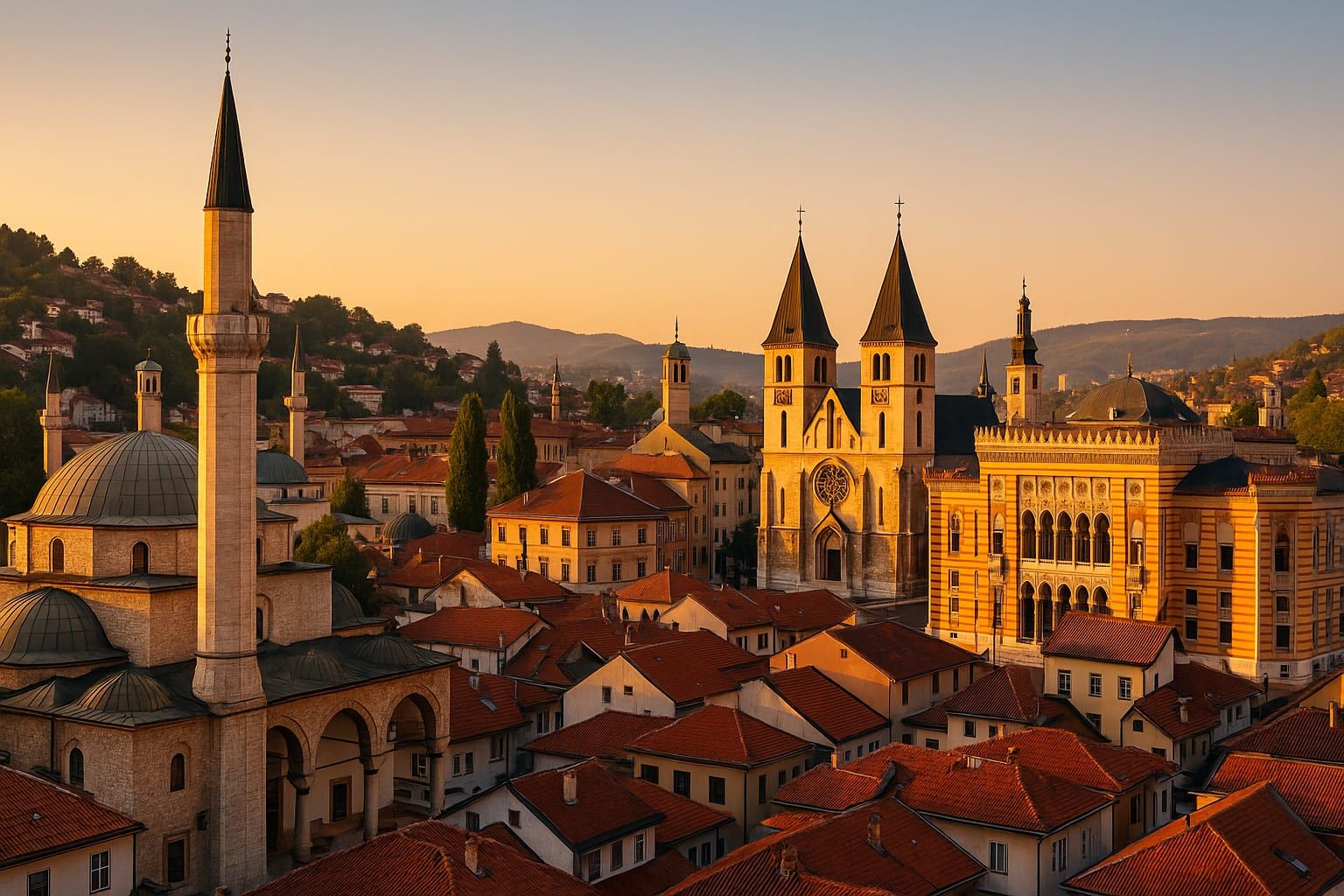
Sarajevo: Europe's Jerusalem You've Never Visited
Discover Sarajevo — a compact, soulful capital where mosques, churches and synagogues stand within earshot, Ottoman bazaars meet Austro-Hungarian boulevards, and history hums in every street.
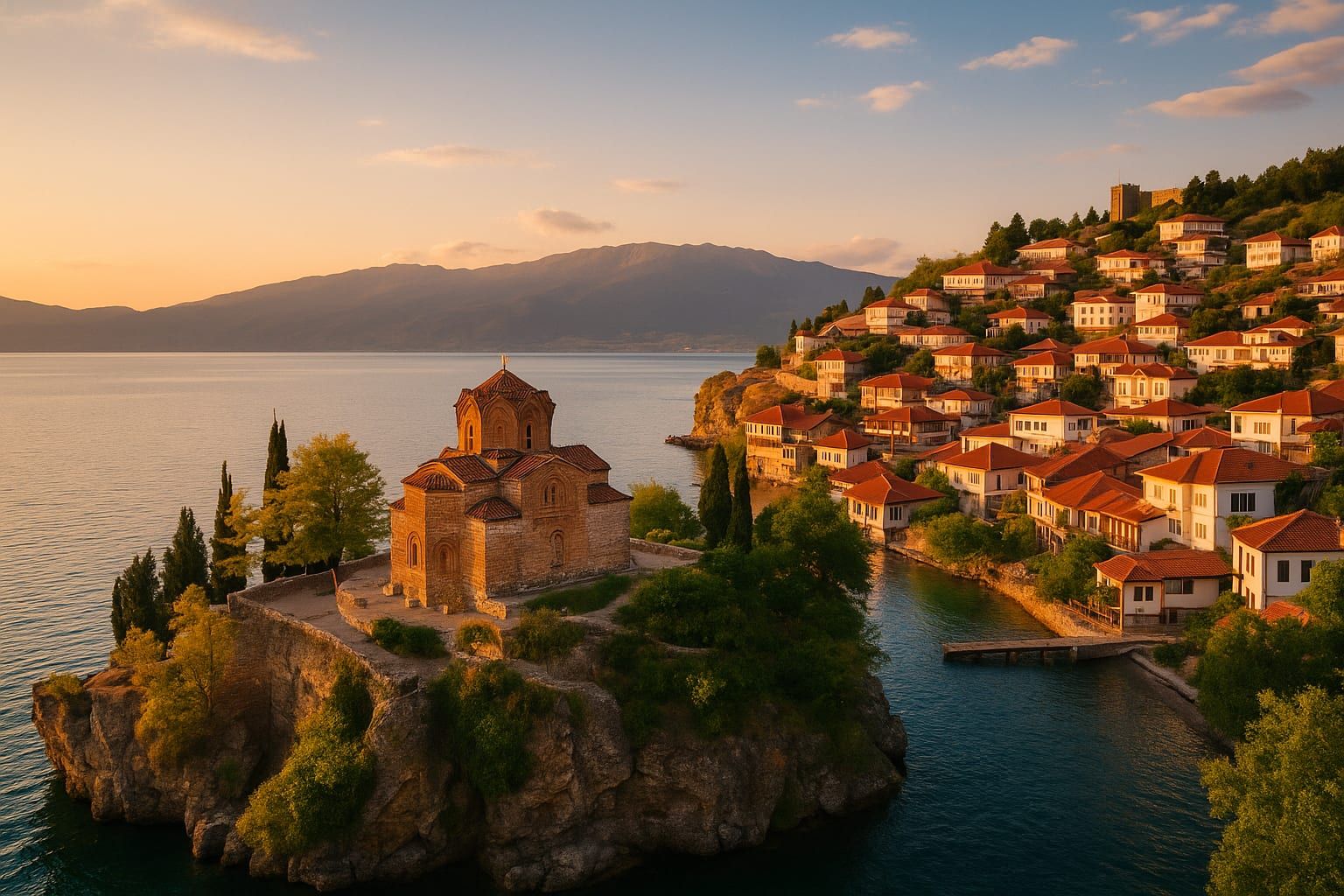
Ohrid: Europe's Hidden Lake Paradise
Discover Ohrid, North Macedonia — a UNESCO lakeside jewel. From crystal-clear Lake Ohrid and ancient churches to hidden beaches and local food, this practical guide covers what to see, do and how t...
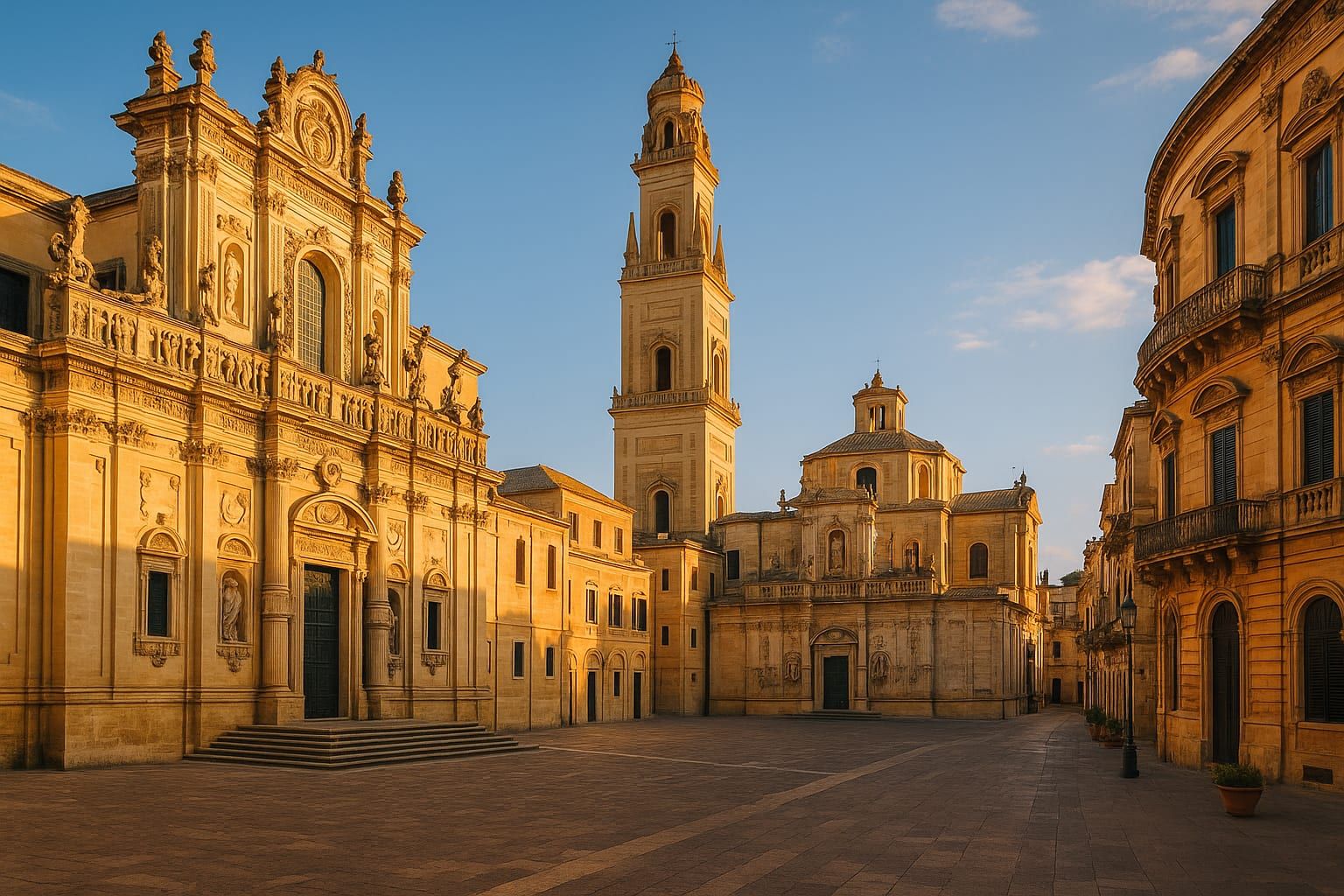
Lecce, Italy — The Florence of the South
Discover Lecce — Salento’s honey‑coloured Baroque gem. This guide covers must‑see architecture, food, day trips, local tips and practical advice for exploring the ‘Florence of the South.’