
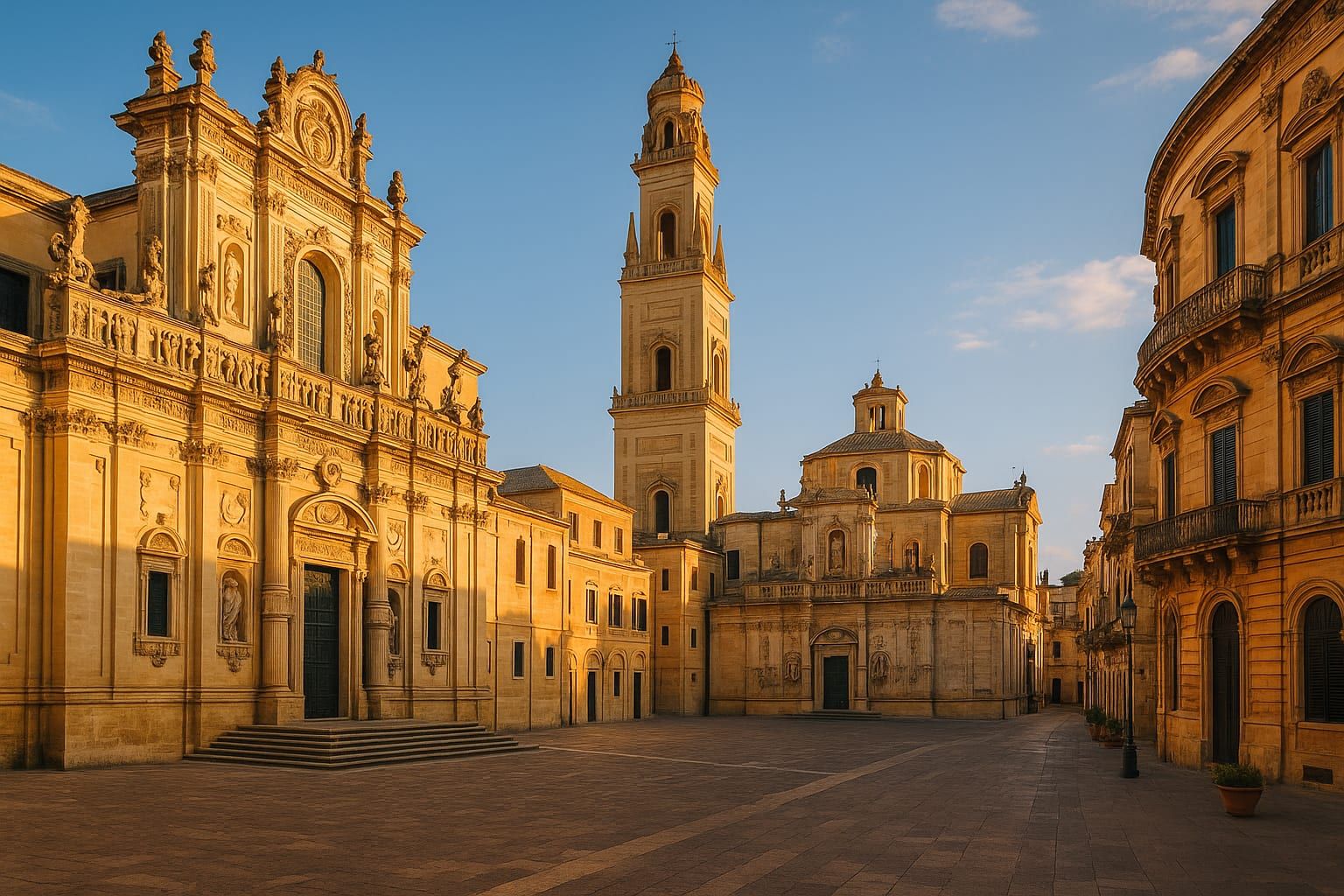
Discover Lecce — Salento’s honey‑coloured Baroque gem. This guide covers must‑see architecture, food, day trips, local tips and practical advice for exploring the ‘Florence of the South.’
Lecce, Italy — The Florence of the South
Nestled in the sun-drenched heel of Italy’s boot, Lecce is an elegant surprise: a compact city of honey-coloured stone, flamboyant Baroque façades and a warm local pace of life. Nicknamed "The Florence of the South," Lecce packs impressive art and architecture into walkable streets, with a strong local identity rooted in food, craftsmanship and festivals. This guide will help you move beyond the postcard façades and experience Lecce like a curious traveller and respectful visitor.
Why Lecce is called the Florence of the South
Lecce’s comparison to Florence comes from its extraordinary concentration of art and architecture—especially its exuberant Baroque—paired with a historic tradition of sculpture and craftsmanship. From the ornate façade of the Basilica di Santa Croce to the carved balconies and columns fashioned in local pietra leccese (a warm, malleable limestone), the city feels like an open-air museum where every corner reveals delicate stonework.
But Lecce isn’t a copy of Tuscany. It’s distinctly southern: Mediterranean light, olive trees and a culinary culture rooted in Puglia and the Salento peninsula. The result is Baroque that feels sun-kissed and relaxed rather than severe.
First impressions: what to see (must‑see sights)
Basilica di Santa Croce
The crown jewel. Its ultra-detailed façade is an exuberant showcase of plants, putti and mythical beasts carved in pietra leccese. Step inside for a quieter Baroque interior and to appreciate the skill of Lecce’s stone workers.
Piazza Sant’Oronzo and the Roman Amphitheatre
The city’s beating heart: an open piazza with cafés and the columned statue of Sant’Oronzo. Look down (and you’ll see the remains of a Roman amphitheatre) and around at the lively street life—perfect for people‑watching over an aperitivo.
Duomo (Cathedral of Lecce)
One of Italy’s prettiest cathedral squares. The Duomo complex includes the bishop’s palace and the bell tower; early morning and late evening light make the square enchanting.
Castello Carlo V
A fortress built under Charles V that now hosts exhibitions. The thick stone walls contrast sharply with the delicate carving elsewhere in the city and offer a sense of Lecce’s long and layered history.
Museo Faggiano
A private house-turned-museum where archaeological layers—dating from Messapian to Roman to medieval—were discovered during renovation. It’s a vivid reminder that Lecce’s present rests on many pasts.
Hidden corners and artisan workshops
Wander alleyways to find cartapesta (papier-mâché) artisans, small workshops carving pietra leccese, and family-run pasticcerias. Lecce’s creative culture is best encountered on foot.
Food & drink: tastes of Lecce
Salento cuisine is hearty, olive-oil rich and seasonal. Don’t miss:
- Pasticciotto Leccese: a filled shortcrust pastry (custard or ricotta) said to originate in Lecce.
- Rustico Leccese: a savory flaky puff filled with béchamel, tomato and mozzarella—perfect street food breakfast.
- Orecchiette and other handmade pasta, often served with wild greens (cime di rapa) or tomato sauces.
- Fresh seafood from the nearby Ionian and Adriatic coasts.
- Local wines: Negroamaro and Primitivo are the region’s stars. Try a glass with dinner.
For authentic experiences, eat where locals go: small trattorie, bakeries for breakfast pastries, and enotecas for wine tastings. Ask for the day’s catch and seasonal vegetable preparations.
Festivals and local culture
Lecce is lively in summer: religious feasts, theatrical events and open-air concerts animate the old town. Two cultural highlights in the Salento area you might time your visit for:
- The Feast of Sant’Oronzo (late August): a city patron saint celebration with processions, lights and local street food.
- La Notte della Taranta (Salento-wide event, late August): a huge festival of pizzica music and dance centered in Melpignano, celebrating traditional folk music with contemporary artists.
Beyond festivals, Lecce’s evenings are shaped by passeggiata—the Italian ritual of strolling through the historic centre at sunset—followed by long dinners.
Suggested itineraries
One-day overview
- Morning: Start at Piazza Duomo, then walk to Basilica di Santa Croce.
- Midday: Lunch at a small trattoria; try rustico and a glass of Negroamaro.
- Afternoon: Explore Museo Faggiano and the Roman Amphitheatre; wander artisan lanes.
- Evening: Aperitivo at Piazza Sant’Oronzo, dinner and a passeggiata.
Three days (relaxed, in-depth)
- Day 1: Major monuments (Duomo, Santa Croce, Roman sites). Slow meals and museum visits.
- Day 2: Day trip to nearby coastal towns like Otranto or Gallipoli (see Day Trips).
- Day 3: Markets, artisan workshops, food tour, and free time to shop or take a cooking class.
Day trips and wider Salento
Lecce is an excellent base for exploring southern Puglia:
- Otranto: an Adriatic gem with a seaside cathedral and fortress.
- Gallipoli: lively fish markets and a Baroque old town on an island.
- Torre dell’Orso and Porto Cesareo: sandy beaches and turquoise water for summer swimming.
- Alberobello and the trulli region are further north, but feasible if you plan an extended itinerary.
For a very different ancient experience, combine Lecce with a visit to Matera’s cave dwellings; read more in our guide to Matera: Matera: The Ancient Cave City Rising Again.
Practical travel tips
Getting there: The nearest airports are Brindisi (BDS) and Bari (BRI). Brindisi is closer—about 30–40 minutes by car—while Bari serves more international flights. Trains run from Bari to Lecce in roughly 1.5–2.5 hours depending on service; Lecce is also well connected by regional buses.
Best time to visit: Spring (April–June) and early autumn (September–October) offer pleasant weather and fewer crowds. Summers are hot and lively—great for festivals and beaches but expect higher temperatures and full restaurants.
Where to stay: Choose a central B&B or small hotel inside the historic centre to enjoy evening passeggiate and easy access to sights. Many accommodations are in restored palazzi and offer terraces with views.
Getting around: Lecce’s centre is compact and best explored on foot. Wear comfortable shoes—the stone can be uneven. Taxis and local buses serve outer neighbourhoods.
Money & language: Euro is used throughout. Italian is the language; English is widely understood in cafes and tourist spots, but learning a few Italian phrases is appreciated.
Safety: Lecce is generally very safe; usual urban precautions apply (watch belongings in crowded places, especially during festivals).
What to pack: Comfortable walking shoes, sun protection, light layers for evenings, and a small reusable water bottle. If visiting churches, bring modest clothing covering shoulders and knees.
Local insights and tips from residents
Coffee culture: Italians often stand at the bar for a quick espresso. For a more relaxed start, enjoy a coffee and pasticciotto at a café with outdoor seating in a square.
Best time to photograph: Early morning light on the Duomo and Santa Croce gives the pietra leccese its richest tones; late afternoon’s golden hour is equally flattering.
Hidden experiences: Visit a cartapesta workshop to see papier-mâché being made and buy a small handmade souvenir. Explore side streets away from the main piazzas to find quiet courtyards and local life.
Eat like a local: Order from the 'menu del giorno' at lunchtime for traditional, affordable dishes prepared with local ingredients. Try the small neighborhood panetterias for fresh bread and focaccia.
Responsible travel and cultural respect
Lecce is a living city with residents who value their traditions. Respect local customs: keep noise down late at night, follow signage in historic sites, and support local artisans by purchasing directly from workshops when possible. Preserving the delicate pietra leccese façades matters—avoid touching or leaning on carvings.
Where to go next
Lecce’s location makes it an excellent hub for continuing your southern Italian adventure—beaches, olive groves and other Baroque towns await. If you’re collecting underrated European city experiences, consider pairing Lecce with other off-the-beaten-path destinations featured in our roundups: 5 Underrated European Cities to Visit Before They Go Mainstream.
Final thoughts
Lecce seduces visitors with an artful combination of flamboyant Baroque, honest southern cuisine and a convivial local rhythm. It shows you a side of Italy that’s less about blockbuster sights and more about the pleasure of slow discoveries—an afternoon photographing a carved balcony, a long lunch of simple, exquisite food, and a night listening to distant music in a warm plaza. Whether you have a day or a week, Lecce rewards those who wander, taste and listen.
Happy travels—and don’t forget to try a pasticciotto for breakfast.
Related
Keep Exploring
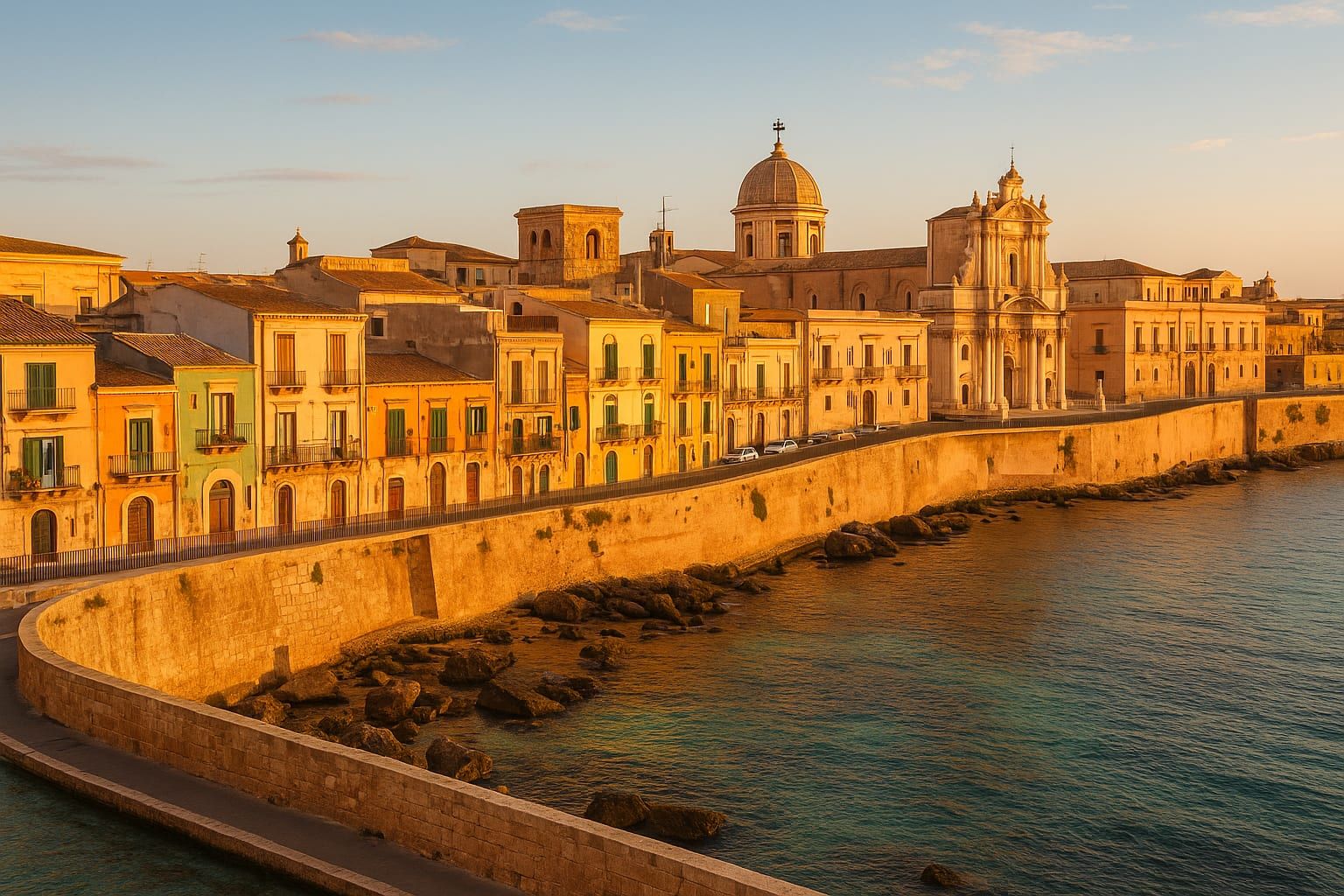
Siracusa: Sicily's Most Beautiful Ancient City
Siracusa is Sicily’s most beautiful ancient city: Greek theatres, Baroque Ortigia, seafood markets and sun-drenched alleys. This guide covers highlights, food, itineraries and practical tips.
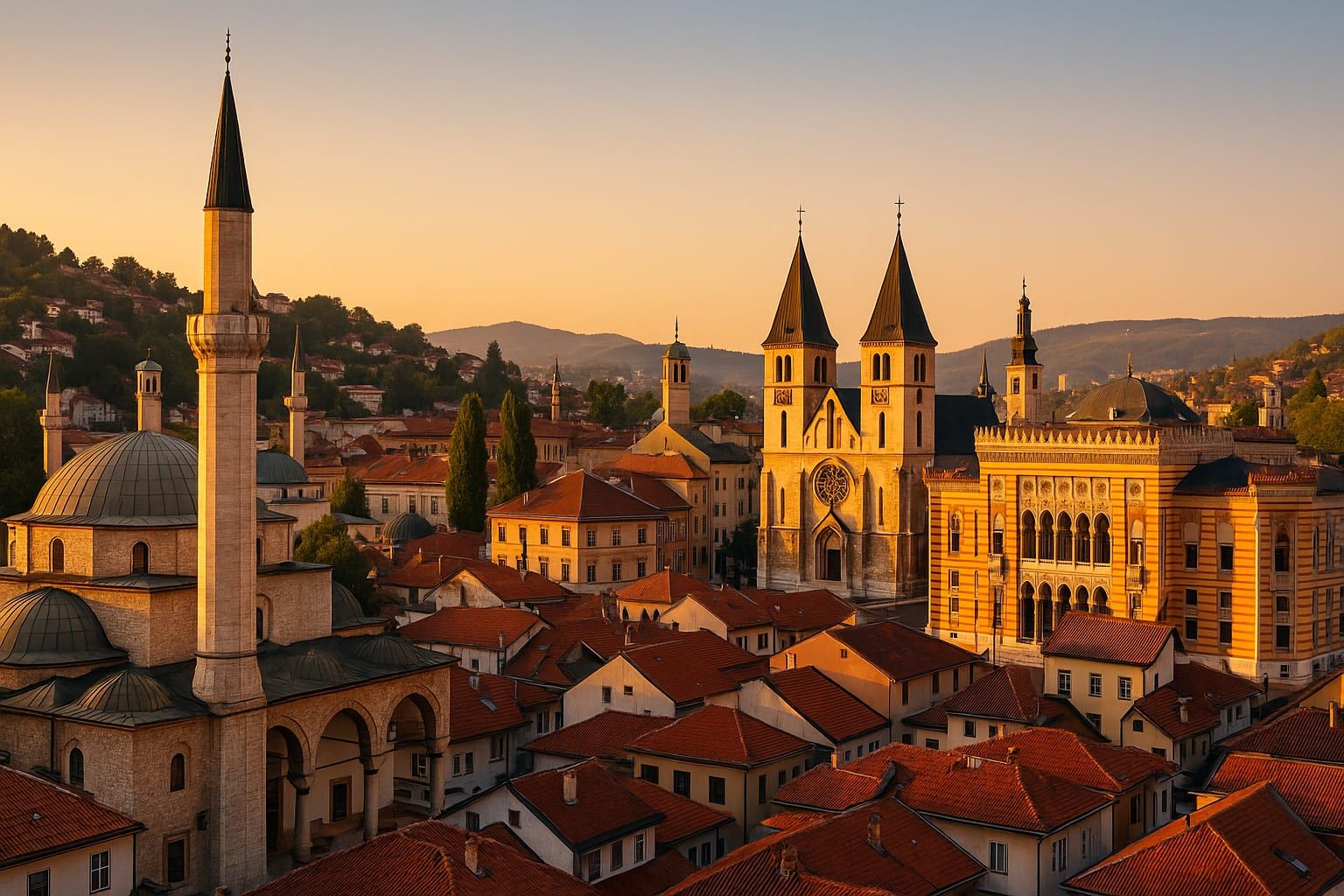
Sarajevo: Europe's Jerusalem You've Never Visited
Discover Sarajevo — a compact, soulful capital where mosques, churches and synagogues stand within earshot, Ottoman bazaars meet Austro-Hungarian boulevards, and history hums in every street.
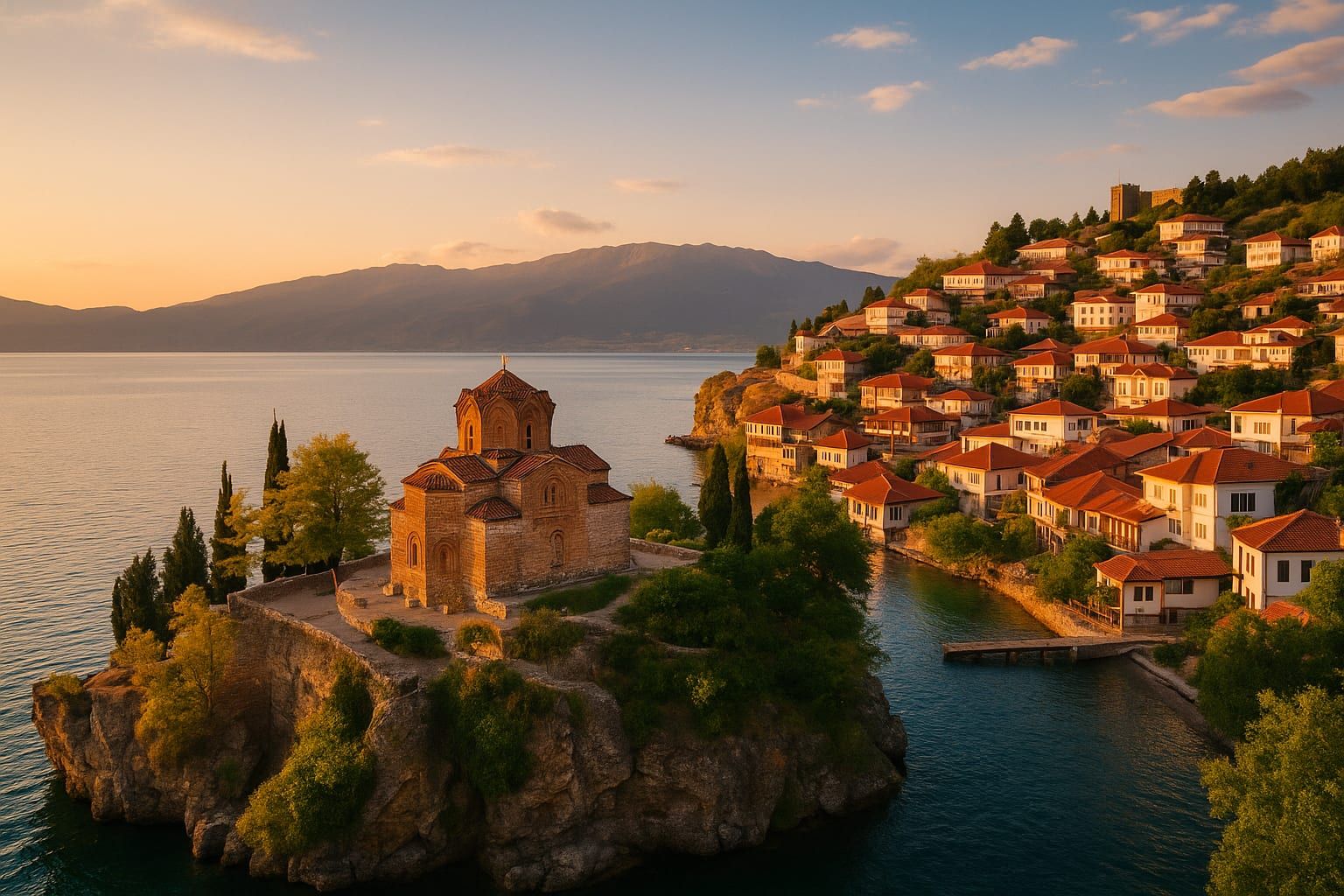
Ohrid: Europe's Hidden Lake Paradise
Discover Ohrid, North Macedonia — a UNESCO lakeside jewel. From crystal-clear Lake Ohrid and ancient churches to hidden beaches and local food, this practical guide covers what to see, do and how t...