
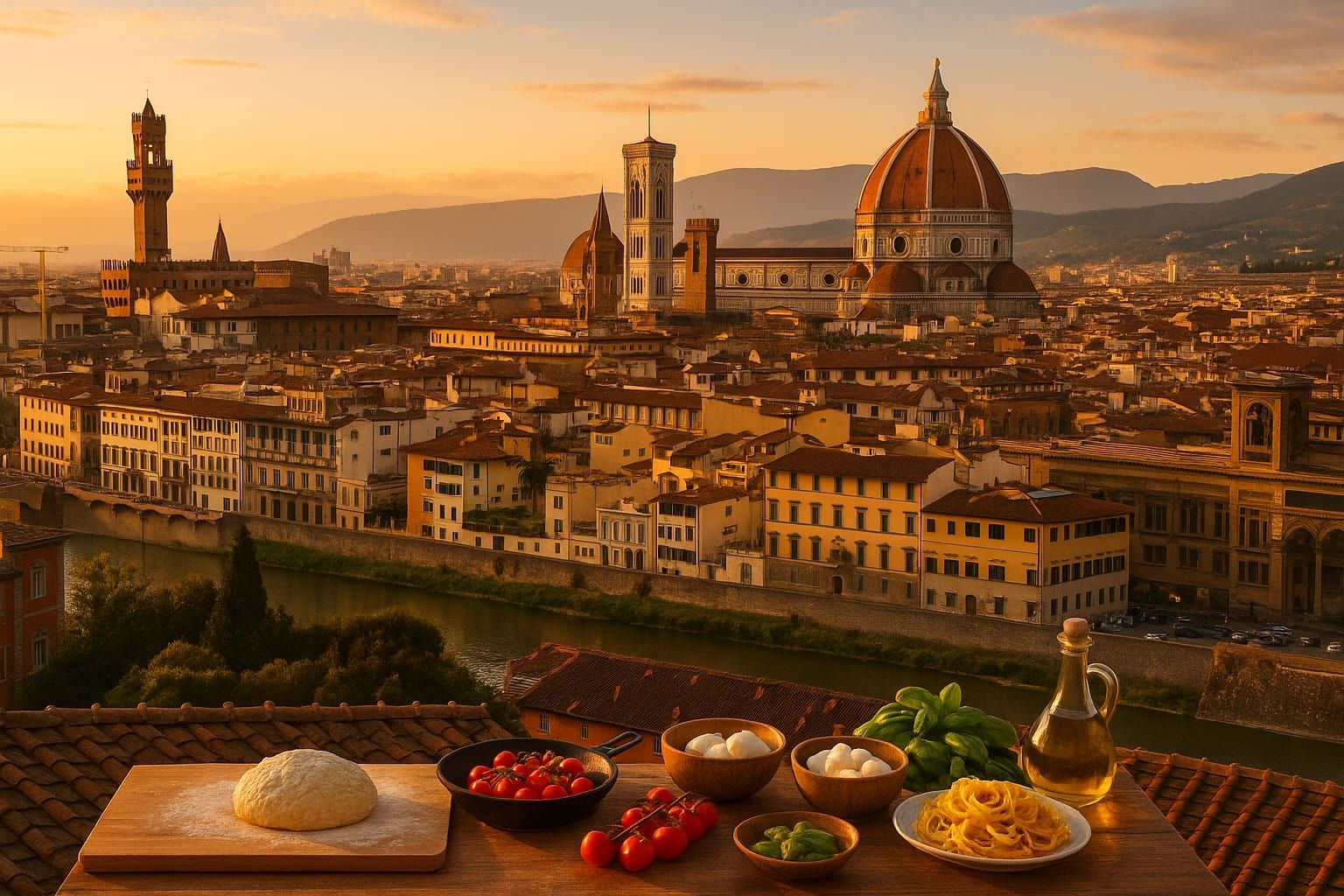
Learn to make pasta, pizza, gelato and regional classics with hands-on classes in Florence, Rome and beyond — market tours, agriturismo experiences and practical tips.
Cooking Classes in Italy: Florence, Rome & Beyond
Italy is a country you taste as much as you see. One of the most rewarding ways to experience Italian culture is by rolling up your sleeves in a local kitchen. Whether you crave a morning market tour in Florence, a Roman lesson in carbonara, or a Neapolitan pizza masterclass, Italy’s cooking classes offer a delicious passport into regional traditions.
This guide explains what to expect, where to go in Florence and Rome, and how to extend your culinary learning across the country. Practical tips, booking advice, and local insights help you choose the right class and get the most from your experience.
Why take a cooking class in Italy?
- Learn authentic techniques: from hand-rolling fresh pasta to tempering gelato and mastering pizza dough.
- Connect with locals: many classes are run by chefs, nonnas and small schools who share stories and family recipes.
- Shop and learn food culture: market tours teach you to pick ripe produce, regional cheeses, and seasonal seafood.
- Bring home skills (and recipes) you’ll actually use: most classes send you home with printed recipes and tips.
Beyond the skills, a cooking class lets you taste regional variety. Tuscan simplicity is different from Roman richness and Sicilian citrus-driven desserts — and a class puts those differences in context.
Florence: Tuscan markets, pasta and slow food
Florence is an ideal place to start a hands-on food lesson. The city’s market culture and Tuscan produce are perfect for classes that combine market visits with cooking.
What to expect
- Market-to-table: Many Florence classes begin with a guided walk through Mercato Centrale or the San Lorenzo stalls. You’ll learn to choose seasonal vegetables, artisanal bread, local pecorino, and the best olive oil.
- Pasta & sauces: Fresh pasta (pappardelle, tagliatelle, and ravioli) and simple sauces — butter-and-sage, ragù, tomato-basil — are staples.
- Desserts & gelato: Short classes teach cantucci (Tuscan almond biscuits) or gelato basics; Florence has many gelato-focused workshops.
Local insight: Mercato Centrale is lively and tourist-friendly, but for the truest market experience, seek out smaller neighborhood markets early in the morning. Sellers appreciate politeness — a quick “buongiorno” goes a long way.
Tips for Florence classes
- Book morning market tours if you love photography — lighting and crowds are best before midday.
- Pair a cooking class with a wine-tasting of Brunello or Chianti for a complete Tuscan meal.
- Expect relaxed pacing: Tuscan cooking favors quality ingredients and slow techniques.
Rome: Roman classics and convivial dining
Roman cuisine is built on bold, simple flavors: guanciale, pecorino Romano, olive oil, and seasonal produce. Cooking classes in Rome commonly focus on the city’s iconic pasta dishes and antipasti.
What you’ll learn
- Pasta-centric classes: carbonara, cacio e pepe, and amatriciana are the most popular. Real carbonara uses only guanciale, eggs, pecorino and black pepper — no cream.
- Fried street food: some classes include supplì (fried rice balls) or pizza al taglio lessons.
- Roman dessert traditions: tiramisù workshops are common, and many classes teach savory antipasti and bruschette.
Local insight: Take a stroll through Campo de' Fiori before a class — it’s one of Rome’s liveliest markets. Chefs often source ingredients there; observing market rhythms helps you understand Roman seasonal cooking.
Practical note: If you want a broader food orientation in Rome, pair your class with our Rome food guide to plan where to eat before or after your workshop (/en/food-drink/rome-food-guide-pizza-pasta-gelato-done-right).
Beyond Florence & Rome: regional highlights
Italy’s culinary diversity is vast. Consider branching out from the central hubs to explore memorable regional classes:
- Naples & the Amalfi Coast: Pizza mastery in Naples (the crust, the blistered charring, and proper dough fermentation) or limoncello and seafood pasta lessons along the Amalfi Coast.
- Bologna & Emilia-Romagna: The region is Italy’s culinary engine. Learn ragù alla bolognese, fresh egg pasta (tagliatelle), tortellini, and balsamic vinegar appreciation.
- Sicily: Arancini, cannoli, cassata, and seafood-centered dishes — Sicilian classes emphasize citrus, almonds, and Arab-influenced techniques.
- Venice & the lagoon: Seafood lessons and cicchetti (Venetian tapas) workshops teach how to work with the sea’s bounty.
- Tuscany countryside/agriturismo: Full-day immersive experiences on farms where you pick herbs, press olive oil, and cook a long lunch with local wine.
For a sweet-specific detour, gelato classes are available across major cities; if gelato is on your list, our Best Gelato in Italy guide helps you find the best local flavors to sample (/en/food-drink/best-gelato-italy-city-guide).
How to choose the right class
With hundreds of options, pick the one that matches your goals.
- Hands-on vs demonstration: Do you want to cook every course, or observe and focus on techniques? Hands-on is more engaging; demos are great when you want a deeper chef-led explanation.
- Market tour included? If you love ingredient sourcing and food markets, choose classes that include a market walk.
- Group size: Small groups (6–12) mean more attention; private lessons are pricier but perfect for families or special occasions.
- Duration: Short classes (2–3 hours) are great for single dishes. Half-day workshops (4–6 hours) allow full menus, and full-day agriturismo experiences deliver farm-to-table immersion.
- Specialties & dietary needs: Search for classes that explicitly accommodate vegetarian, vegan, or gluten-free diets if needed. Many schools can adapt recipes but confirm in advance.
- Language: Most popular schools offer English-language classes; check the listing or ask to ensure comfort.
Booking, cost and logistics
- Price range: Expect €50–€120 for a 2–4 hour group class in cities; private classes or full-day agriturismo experiences often run €150–€300+.
- Where to book: Use reputable platforms and check recent reviews. Look for clear cancellation policies and inclusions (wine, recipes, transfers).
- Timing: Morning market classes are common; mid-afternoon is ideal if you prefer a relaxed day. Weekend classes book fast — reserve ahead in high season.
- Transportation: Many city schools are centrally located. Agriturismi and countryside classes sometimes include pickup from nearby towns; confirm transfer options.
- Payment & cancellation: Many operators accept cards, but small independent teachers may prefer cash. Always confirm refund and rebooking policies.
What to bring and how to dress
- Comfortable clothes and closed-toe shoes are recommended.
- Avoid heavy perfume or strong scents (you’ll be tasting and smelling ingredients closely).
- Bring an apron if you prefer your own, though most schools provide them.
- If you want to take leftovers home, bring a small container — some classes welcome this, others do not.
- Camera or phone: Photos are usually welcome; ask before snapping group shots, especially of non-professional cooks.
Etiquette & tips during the class
- Be punctual: market walks and timed activities need everyone on time.
- Ask questions: chefs love sharing local history and cooking lore, but keep questions brief during sensitive timing like boiling or frying.
- Taste and give feedback: instructors appreciate engaged students who taste, smell, and discuss the food.
- Tipping: not obligatory but appreciated. A small tip for the instructor or a positive online review goes a long way.
Safety, allergies and dietary restrictions
- Inform the school in advance about allergies or dietary restrictions. Authentic regional recipes may include ingredients like nuts, shellfish, or pork products (guanciale in Roman cooking, for example).
- Cross-contamination: If you have severe allergies or are gluten-free, check whether the kitchen can guarantee separate preparation areas.
Learning outcomes & souvenirs
- Most classes provide printed recipes and step-by-step notes.
- Expect practical skills you can replicate: pasta-rolling techniques, dough handling, frying methods, and sauce balancing.
- Souvenirs often include a bottle of olive oil, handmade pasta, or a jar of finished sauce. Many schools sell regional products or can suggest reputable shops.
Sample itineraries and pairing ideas
- Florence (1 day): Morning market tour + 3-hour pasta workshop; late afternoon stroll to the Duomo; evening wine-paired Tuscan dinner.
- Rome (1 day): Morning market visit to Campo de' Fiori, 2–3 hour Roman classics class (carbonara + supplì), evening gelato crawl — pair with our Rome food guide for the best post-class spots (/en/food-drink/rome-food-guide-pizza-pasta-gelato-done-right).
- Tuscany countryside (2 days): Agriturismo stay, olive oil tasting, full-day cooking class with harvest-lunch and winery visit.
Final tips from locals
- Embrace seasonality: Italians cook with what’s in season. If you take a class in spring, expect artichokes and asparagus; in autumn, mushrooms and game.
- Slow down: Many techniques look simple but require patience. Enjoy the process; Italian cooking is as much about rhythm as recipes.
- Learn to taste: Chefs will show you how to adjust salt, acidity, and texture. These little lessons are what make home cooking sing.
- Bring curiosity: Ask about family history and regional variations — every nonna has a twist on a classic.
Conclusion
A cooking class in Italy is more than a lesson — it’s a cultural exchange, a sensory education, and a souvenir you eat. Whether you pick a city studio in Florence, a family-run class in Rome, or a rustic agriturismo in Tuscany, plan ahead, choose the format that suits your energy, and savor the opportunity to learn from cooks who treasure their local foodways.
Ready to book? Start by deciding the cuisine you most want to master, check availability for morning market tours, and read recent reviews for the school you choose. Buon appetito — and bring an appetite for both learning and laughter.
Related
Keep Exploring

Wine Tasting in Bordeaux: Complete Guide
Everything you need to plan the perfect Bordeaux wine-tasting experience: regions, top châteaux, how to taste, booking tips, transport, seasonality and local insights.
Best Gelato in Italy: City-by-City Guide
A tasty city-by-city guide to Italy’s best gelato: top shops, regional flavors, how to pick an artisan gelateria, and local tips to make every scoop memorable.

Best Coffee Cities in Europe
From imperial coffeehouses to third-wave roasteries, explore Europe's best coffee cities with local tips, signature drinks, café picks and practical advice for the traveling caffeine lover.