
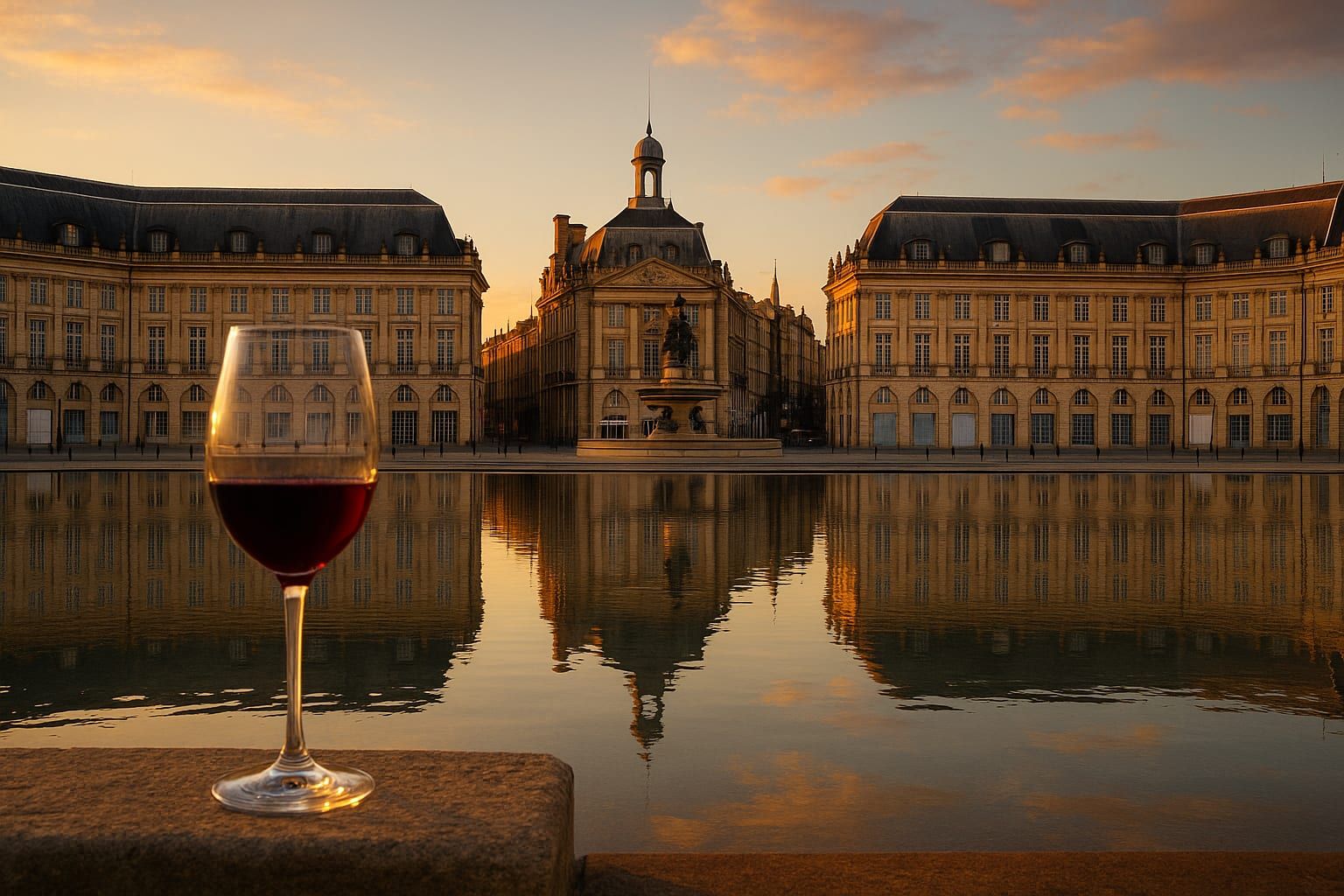
Everything you need to plan the perfect Bordeaux wine-tasting experience: regions, top châteaux, how to taste, booking tips, transport, seasonality and local insights.
Wine Tasting in Bordeaux: Complete Guide
Bordeaux is one of the world’s most celebrated wine regions — a landscape of storied châteaux, rolling vineyards and centuries-old classifications. This guide walks you step-by-step through planning and enjoying wine tasting in Bordeaux: where to go, what to taste, how to behave at a château, and local insights that turn a good visit into a great one.
Why Bordeaux?
Bordeaux is synonymous with high-quality red blends, a rich wine culture and a layered history that connects trade, terroir and technique. From the gravel soils of the Médoc to the limestone slopes of Saint-Émilion and the honeyed botrytised wines of Sauternes, the region delivers variety and prestige — and wine lovers can taste it all.
Key reasons to visit:
- Iconic classified growths (1855 Médoc & Sauternes, Saint-Émilion classification) alongside intimate family domaines
- Distinct terroirs across Left Bank, Right Bank and Entre-Deux-Mers
- Excellent culinary scene in Bordeaux city to pair with wines
- Educational attractions such as La Cité du Vin in the city
Bordeaux by sub-region (quick primer)
Left Bank (Médoc & Graves)
Dominated by Cabernet Sauvignon-based blends. Famous appellations: Pauillac, Margaux, Saint-Julien, Saint-Estèphe, Pessac-Léognan. Home to many châteaux from the 1855 classification (Lafite, Latour, Margaux, Mouton Rothschild, etc.).
Right Bank (Saint-Émilion & Pomerol)
Merlot and Cabernet Franc play starring roles. Saint-Émilion is a picturesque hilltop town with a separate classification system; Pomerol is smaller but home to cult wines like Pétrus.
Entre-Deux-Mers
Between the Garonne and Dordogne rivers — known for accessible day‑wine trips and dry whites made from Sauvignon Blanc and Sémillon.
Sauternes & Barsac
The sweet, botrytised wines (noble rot) — think Château d’Yquem. Visit for a uniquely different tasting experience.
When to visit
- Best season: May–June and September–October. Spring brings green vines and mild weather; early autumn offers harvest activity (vendange).
- Summer (July–August) is busy with tourists; book ahead. Heat can make tours less comfortable.
- Winter is quieter and many châteaux operate limited visits; good for fewer crowds if you plan in advance.
Local tip: If you want to see harvesting and cellar work, aim for late September. For lush vineyard scenery and open châteaux, late spring/early summer is ideal.
How to plan tastings and tours
Book ahead
Many top châteaux require appointments, especially for private or cellar tours. For classified growths and famous estates, book weeks (or months) ahead in high season.
Choose your pace
A typical day: 2–3 château visits. One renowned château in the morning, a village stop for lunch (Saint-Émilion or Pauillac), and a smaller family estate in the afternoon for a contrasting experience.
Guided tours vs. self-drive
- Guided tours (small-group or private) are convenient — transportation, language and appointments are handled.
- Self-drive gives flexibility but remember narrow rural roads and limited parking at some châteaux. Also, if you drive, you’ll need to spit or limit consumption.
Where to base yourself
- Bordeaux city (for restaurants, La Cité du Vin, and day trips) — neighborhoods: Chartrons (wine bars and antique shops), Saint-Pierre (historic centre).
- Saint-Émilion or the Médoc for countryside immersion and earlier vineyard starts.
Booking tips & budget options
- Many smaller domaines welcome walk-ins for simple tastings (especially in Saint-Émilion). Still, call ahead.
- Look for tasting packages: 2–4 wines plus estate tour — often 15–40€ for smaller estates; high-end châteaux charge more, sometimes 50–200€ for premium experiences.
- If on a budget, visit wine shops and tasting bars in Bordeaux city where you can sample glass-by-glass. La Cité du Vin offers an informative experience with tastings and panoramic views.
Local insight: Some of the best hospitality is at family-run estates where the owner or winemaker explains vintages and techniques. These visits feel less scripted and more conversational.
What to expect during a château visit
Typical structure:
- Welcome and short history of the estate
- Tour of the vineyards (when weather and time allow)
- Cellar and winemaking walk-through (barrels, fermentation tanks)
- Tasting of several wines — often progressing from whites/rosés to young reds and flagship wines
Etiquette & tips:
- Arrive 10–15 minutes early.
- Dress smart-casual; sturdy shoes for vineyard/ cellars.
- Ask questions — winemakers and guides appreciate engaged visitors.
- You may be offered to taste at the barrel (en primeur) or bottle; both are informative.
- You are not obliged to swallow — spitting is normal and accepted at professional tastings.
Legal note: The legal drinking age in France is 18. If you’re driving, be mindful of limits: France has low permitted blood alcohol levels and strict enforcement.
How to taste wine like a pro (simple method)
- Look: Check color and clarity. Young Bordeaux reds are often deep garnet.
- Swirl: Aerates the wine and releases aromas.
- Smell: Nose for primary (fruit), secondary (oak), and tertiary (age) aromas.
- Sip: Note acidity, tannin, alcohol, body and finish. Bordeaux reds can be tannic and structured; whites are often crisp or textured.
- Think: Consider pairing suggestions and how the wine might evolve with age.
Practice: Try side‑by‑side comparisons — Left Bank vs Right Bank — to feel how Cabernet- vs Merlot-led blends differ.
What to taste: grape varieties & styles
- Red: Cabernet Sauvignon (structure, tannin), Merlot (plush fruit, roundness), Cabernet Franc (aromatic lift), Petit Verdot (color and spice). Many Bordeaux wines are blends.
- White: Sauvignon Blanc (zesty, aromatic), Sémillon (rounder, honeyed — key for Sauternes), Muscadelle (aromatic lift).
- Sweet: Sauternes/Barsac — botrytised, honeyed dessert wines often paired with foie gras or blue cheese.
Local insight: If you only taste one white, try a dry Bordeaux Blanc from Pessac-Léognan or Entre-Deux-Mers to see how the region handles white varieties.
Recommended experiences (sample itineraries)
One-day: Saint-Émilion loop
- Morning: Train or drive from Bordeaux to Saint-Émilion (40 min by car, 35–45 min by train + short taxi). Explore the medieval village.
- Midday: Tasting & lunch at a château with vineyard views.
- Afternoon: Two estate visits — include a family-run domaine for contrast.
One-day: Médoc highlights
- Morning: Drive north to Pauillac or Margaux. Visit a classified growth (book ahead).
- Lunch: Seaside seafood in a coastal Médoc village or packed picnic at a chateau with permission.
- Afternoon: Small estate tasting and scenic stop at estuary viewpoints.
Specialty day: Sauternes
- Dedicate a full day to Sauternes — cellar tours and multiple tastings to learn about noble rot and sweet-wine botrytis techniques.
For multi-region inspiration, consider combining a Bordeaux trip with a short wine-focused escape to Portugal (learn more with our Porto guide: /en/itineraries/48-hours-porto-wine-views-azulejos).
Food pairings & where to eat in Bordeaux
Bordeaux pairs beautifully with local fare: roasted meats, duck confit, Bordelaise sauce, oysters from nearby Arcachon Bay, and cheeses such as chèvre and blue cheese.
City recommendations:
- Chartrons neighborhood: wine bars and bistros ideal for tasting by the glass.
- Saint-Pierre: atmospheric dining and classic Bordeaux brasseries.
Cheese & wine tip: If you want a curated cheese-and-wine tasting experience, look for specialized rooms or local tours that combine curated pairings — a delicious way to deepen palate understanding (and if you like regional food guides, explore our culinary features for more inspiration).
Local phrases and tips
- Bonjour / Bonsoir — greet staff and guides when you arrive.
- Santé — cheers (use with moderation).
- "Puis-je goûter?" — May I taste?
- "Je n’avale pas" — I don’t swallow (polite way to explain spitting).
Practical tip: Credit cards are widely accepted in châteaux and city wine bars, but smaller domaines may prefer cash — carry some euros.
Responsible tasting and transport
- If you’re sampling multiple wines, plan transport: hire a driver, join a wine tour, or use trains and taxis between towns.
- Spit buckets are standard in tastings. It’s perfectly acceptable to not finish a glass.
- Keep hydrated and eat — wine tasting is best when accompanied by food.
Insider suggestions
- Visit lesser-known appellations like Canon-Fronsac or Fronsac for great-value wines and fewer tourists.
- Ask about vertical tastings (same château, different vintages) to understand ageing and vintage variation.
- Time your château visits for late morning when staff are fresh and vineyards are photogenic.
- Combine a market visit (Marché des Capucins in Bordeaux city) with a tasting day to see local produce and artisanal foods.
If you love regional gastronomy beyond Bordeaux, check out related culinary guides for ideas on pairing local dishes with wines and exploring nearby regions like Provence (/en/food-drink/provencal-cuisine-complete-guide).
Final checklist before you go
- Reserve tastings (especially for well-known châteaux).
- Plan transport — book a driver or choose a guided tour if you’ll be tasting multiple wines.
- Pack comfortable shoes, a light jacket (cellars can be cool), and a reusable water bottle.
- Keep a list of must-visit estates but leave room for spontaneous discoveries at family domaines.
Bordeaux offers a magnificent blend of history, terroir and hospitality. Whether you’re chasing a tasting at a first-growth château, exploring the medieval lanes of Saint-Émilion or sipping a silky Sauternes as the sun sets, the region rewards curiosity and a willingness to taste broadly. Santé, and enjoy your Bordeaux wine-tasting adventure.
Related

Keep Exploring
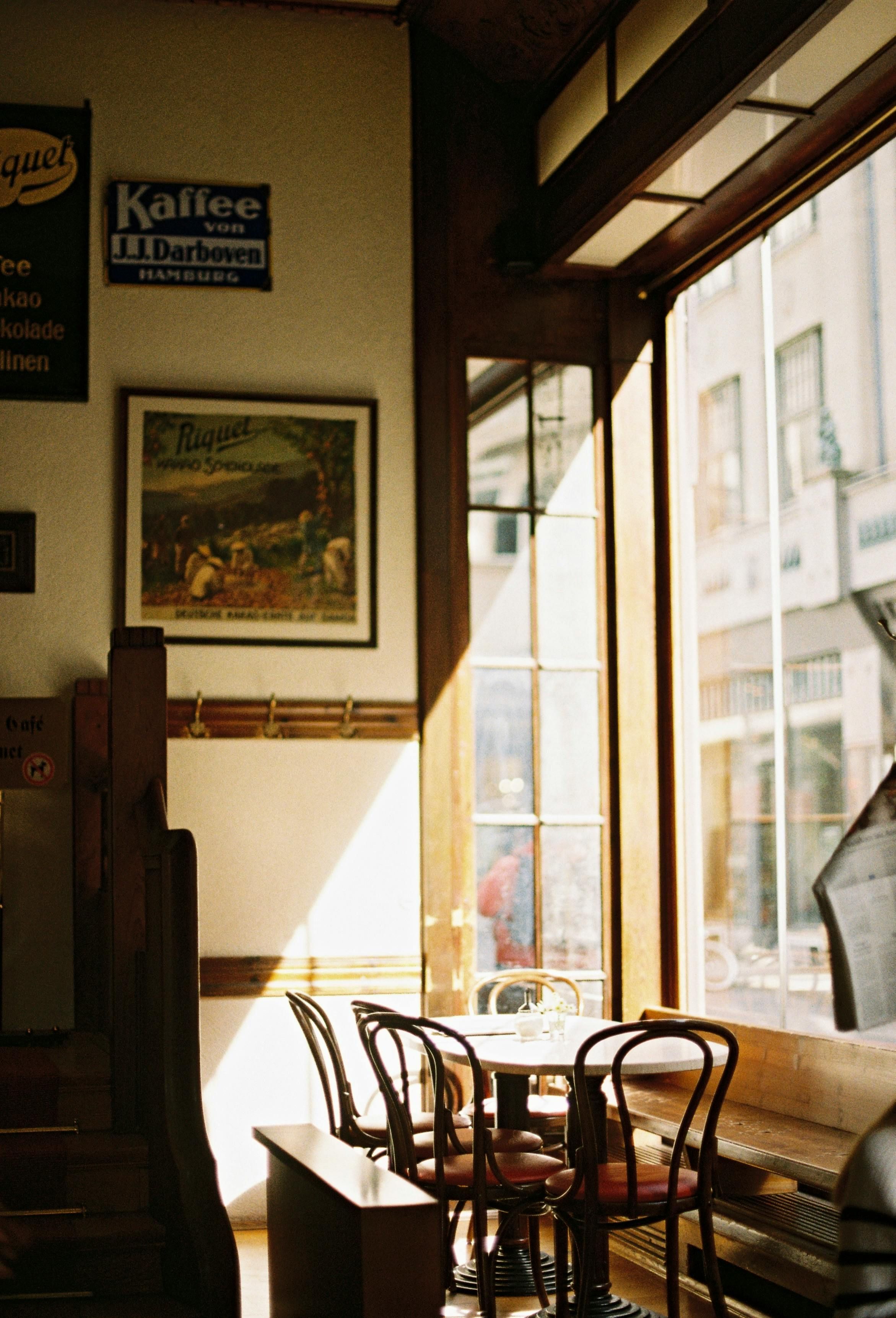
European Coffee Culture: Vienna to Lisbon
From Vienna's UNESCO coffeehouses to Lisbon's bicas and Italian espresso bars: named cafes, opening hours, prices, and the etiquette that locals expect at the counter.
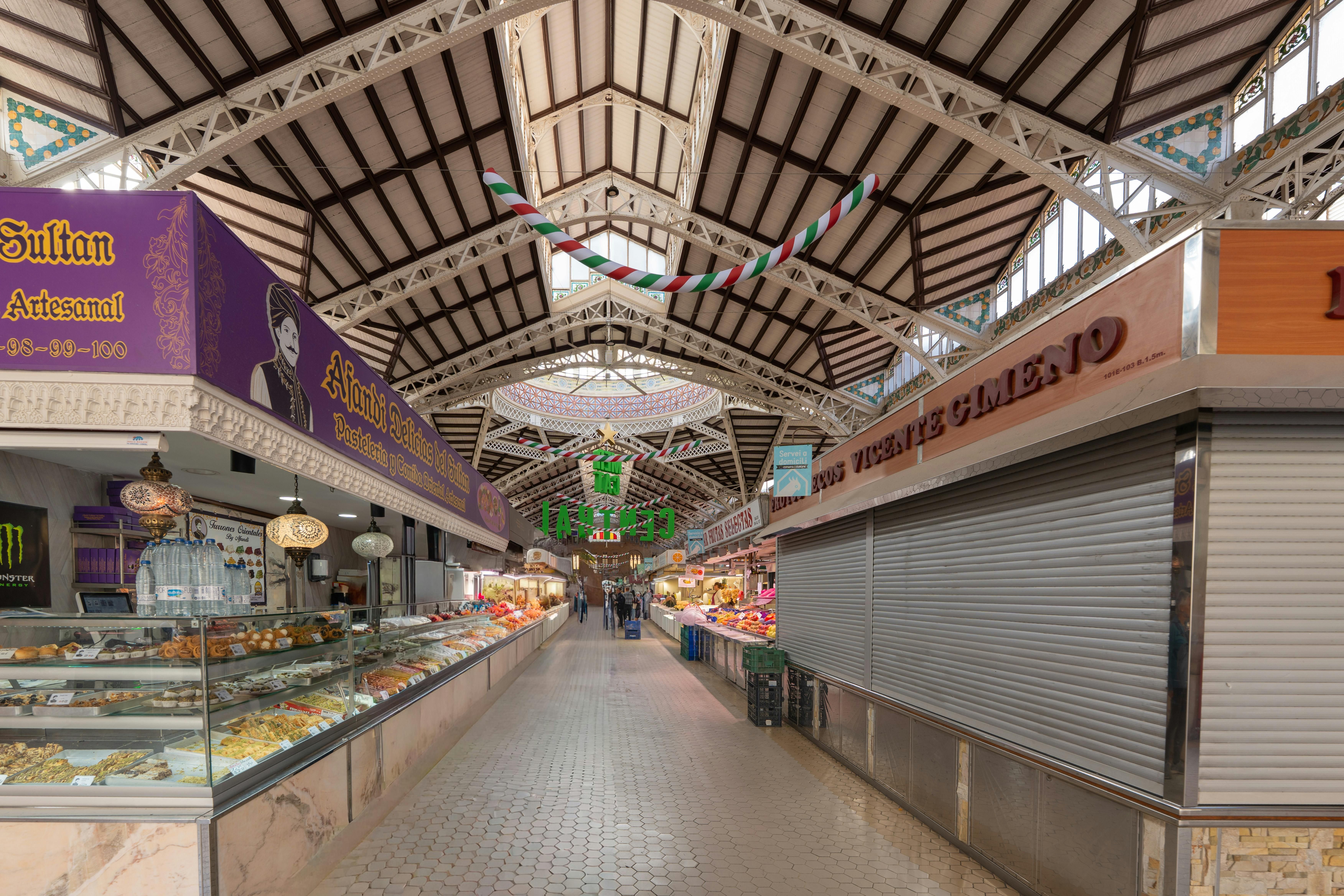
Best Food Markets in Europe: City Guide
Europe's 17 best food markets, city by city: opening hours, named stalls, signature dishes, EUR prices. Boqueria, San Miguel, Borough, Testaccio, Naschmarkt and more.
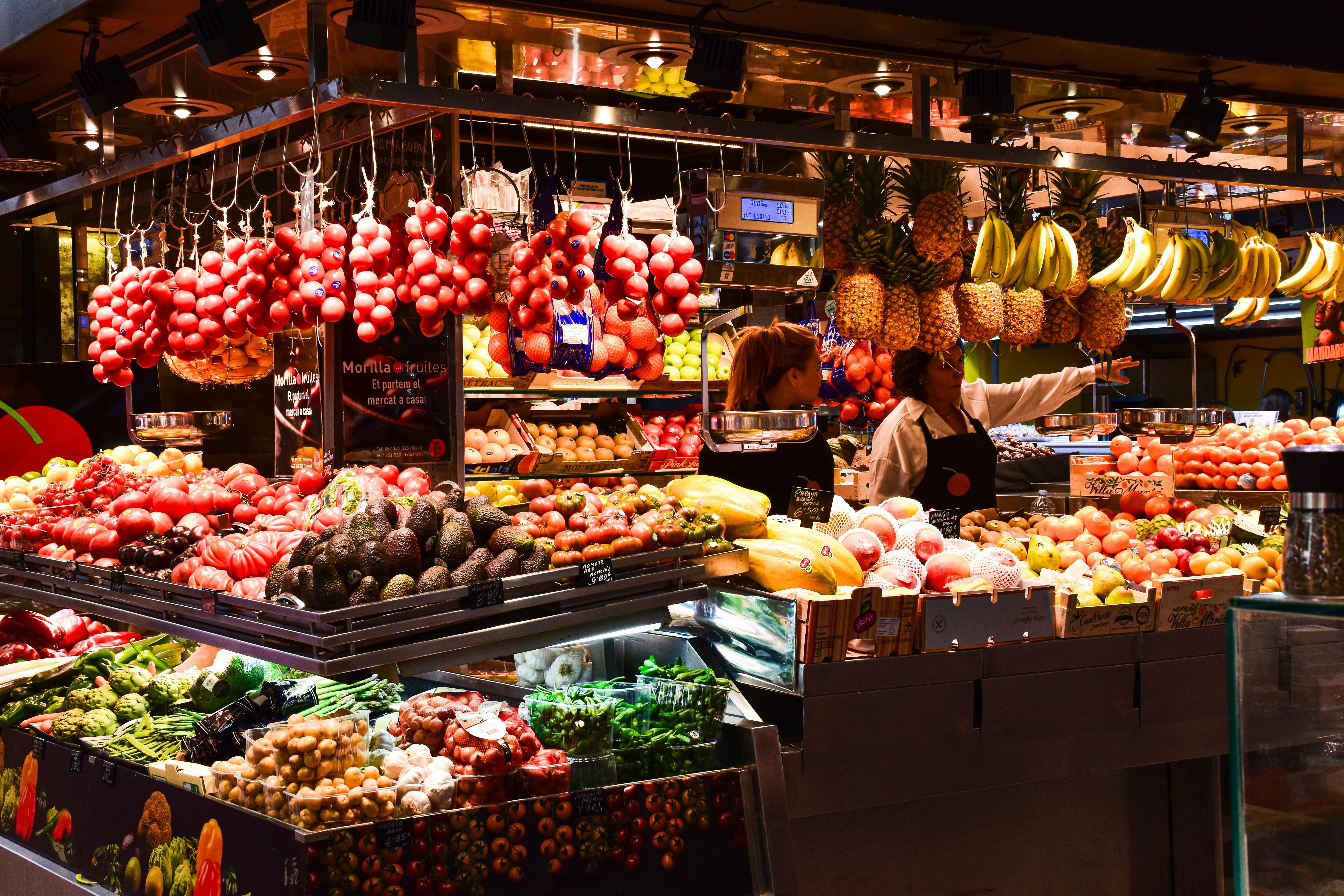
European Street Food: The Definitive Guide
Europe's best street food by region: named stalls, market hours, EUR prices. From Lisbon's pastéis de nata to Sarajevo's ćevapi and Copenhagen's smørrebrød.