
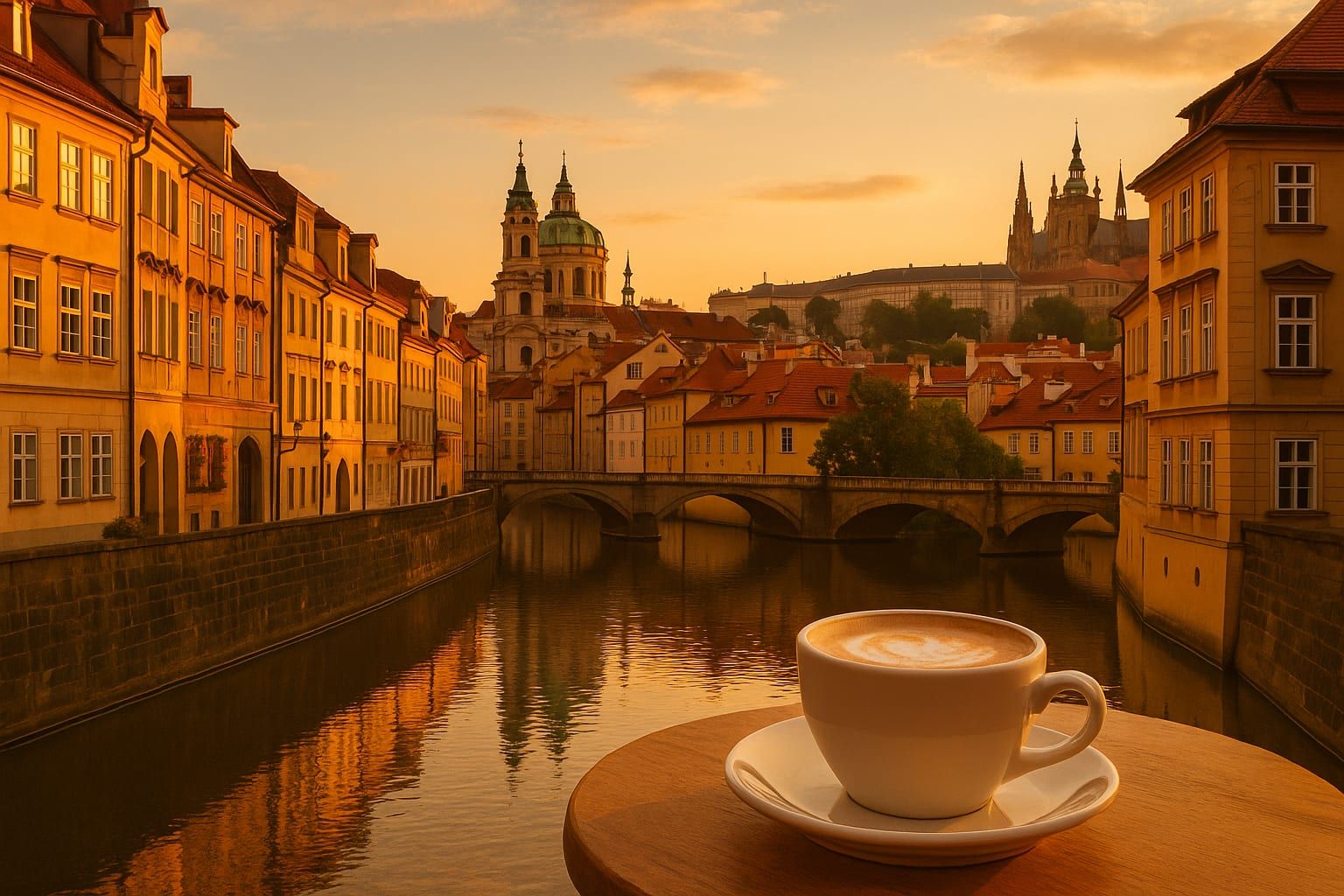
From imperial coffeehouses to third-wave roasteries, explore Europe's best coffee cities with local tips, signature drinks, café picks and practical advice for the traveling caffeine lover.
Best Coffee Cities in Europe: A Caffeine Lover's Guide
Europe’s coffee story is as varied as its languages and landscapes. From Vienna’s imperial salons to Lisbon’s quick bica, from Nordic fika culture to the precise espresso of Rome, the continent serves coffee as both ritual and innovation. This guide takes you through the must-visit coffee cities, what makes each unique, practical tips for ordering and etiquette, and local recommendations so every cup becomes part of your travel memory.
How we picked these cities
We prioritized places with a strong coffee tradition (historic coffeehouses or national coffee rituals), thriving specialty scenes (roasteries, third-wave cafés, cuppings), and easy access for visitors (walkable neighborhoods, café density). Each city entry includes what to order, where to go, and local insights to make your visit effortless and delicious.
Quick practical tips before you go
- Most espresso-based drinks are standard across southern Europe (Italy, Spain, Portugal) — expect small, intense cups and minimal milk.
- Northern and Central Europe tend toward filter coffee, pour-over and single-origin roasters; Finland and Sweden prize long, slow coffee breaks.
- Tipping: small or optional in many cafes. Rounding up or leaving 5–10% is polite in tourist-heavy spots; in many local cafés, simply paying exact or leaving small change is fine.
- Ordering etiquette: in many Italian cafés you stand at the counter for espresso; in other cities, table service is common and prices often higher sitting down.
- Cup sizes vary — ask for “small” if you want espresso, “large” for filter/pourover.
- Try a roastery tour or cupping (tasting) session where available — a great way to learn local roasting styles.
Vienna, Austria — Coffeehouse culture and cake
Why go: Vienna’s coffeehouse tradition is UNESCO-listed in spirit; these venerable cafés are social institutions where time slows down. Expect porcelain cups, newspapers, and sachertorte alongside serious Viennese melange.
What to order: Wiener Melange (espresso with foamed milk), Einspänner (espresso with cream), and a slice of cake.
Where to go: Historic spots like Café Central and timeless neighborhood cafés in the Innere Stadt. For modern specialty coffee look to micro-roasteries in Mariahilf and Neubau.
Local insight: Cafés here are built for lingering — bring a book, don’t rush. If you want a curated walk, pair coffee hunting with a Viennese dessert crawl.
Related reading: For more on Vienna’s food and coffee traditions, see our Vienna Food Guide: Coffee, Cake & Schnitzel (/en/food-drink/vienna-food-guide-coffee-cake-schnitzel).
Rome, Italy — Espresso rituals and legendary blends
Why go: Italy’s approach to coffee is terse, delicious, and ritualized. Rome offers both historic espresso bars and neighbourhood caffetterie where every espresso is a small, perfect moment.
What to order: Espresso, caffè corretto (espresso with a splash of liquor), or if it’s morning, cappuccino — but note locals rarely order milk-based coffee after 11am.
Where to go: Find an espresso bar near the Pantheon or Campo de' Fiori for classic Roman scenes. Don’t miss Sant’Eustachio Il Caffè near the Pantheon for its historic roasting and secret blend.
Local insight: Stand at the counter for better prices and a local feel. If you sit, expect a surcharge. Try ordering like a Roman: “Un caffè, per favore.”
Lisbon, Portugal — Bica, pastries and a rising specialty scene
Why go: Lisbon has deep coffee traditions centered on the bica (espresso) and a thriving modern scene of roasteries and espresso bars. Pair coffee with pastéis de nata for an unbeatable combo.
What to order: Bica (strong espresso), meia de leite (half milk), and of course a pastel de nata.
Where to go: Historic pastelarias and modern cafés in Chiado, Alfama and Bairro Alto. Small roasteries are popping up across the city.
Local insight: Coffee culture in Lisbon blends speedy espresso service with relaxed café sitting. Follow a coffee crawl with a food itinerary — our Lisbon Food Guide has direction on where to eat and sip (/en/food-drink/lisbon-food-guide-bacalhau-pasteis-more).
Porto, Portugal — Charming cafés, robust espresso
Why go: Porto combines a compact, walkable centre with a warm café scene. Coffee is strong, the pastries are rich, and riverside cafés make for scenic breaks.
What to order: Bica, galão (espresso with lots of milk), and a bolo de arroz or pastel local.
Where to go: Explore cafés in the Ribeira and Cedofeita districts; roasteries and specialty bars are increasingly common.
Local insight: Coffee and conversation are central to Portuguese life — take your time. Pair your coffee exploration with wine or port tastings for the full Porto experience. Learn more about Porto’s culinary scene in our Porto Food Guide (/en/local-culture/porto-food-guide-traditional-portuguese-cuisine).
Athens, Greece — Coffee as daily ritual
Why go: Greek coffee culture mixes classic coffee formats (Greek coffee, modern espresso bars) with vibrant street café life. Coffee is a central social ritual.
What to order: Freddo espresso (cold), freddo cappuccino, or traditional Greek coffee (served in a small cup with grounds at the bottom).
Where to go: Neighborhood kafeneia for tradition, Kolonaki and Psyrri for specialty and modern cafés.
Local insight: Greeks love their cold espresso drinks year-round. If you try traditional Greek coffee, don’t drink the grounds — they’re left at the cup’s bottom and used for reading fortunes by some.
Copenhagen & Gothenburg — Nordic craft and the third wave
Why go: Scandinavia’s coffee is serious about sourcing, roasting and brewing technique. Copenhagen led the third-wave revolution in Northern Europe; Gothenburg (Sweden) is renowned for specialty roasters and espresso excellence.
What to order: Filter coffee, specialty espresso blends, and seasonal single-origin pour-overs.
Where to go: Roaster-cafés and design-forward spaces in Copenhagen’s Vesterbro and Nørrebro; Gothenburg’s cafés in Linné and Haga.
Local insight: Expect precise brewing and a focus on sustainability. Coffee breaks (fika in Sweden) are cultural laws — schedule one mid-morning or mid-afternoon.
Amsterdam, Netherlands — Laid-back cafés and quality roasts
Why go: Amsterdam blends relaxed canal-side cafés with a robust speciality scene. The city offers excellent espresso bars, micro-roasters, and great people-watching.
What to order: Espresso, flat white, or a pourover from a single-origin bean.
Where to go: Jordaan and De Pijp neighborhoods house many of the best independent cafés. Roastery tours are increasingly available.
Local insight: The Dutch aren’t shy about milk-based coffee — try the local take on latte culture and pair coffee with stroopwafel for a sweet treat.
Barcelona & Madrid, Spain — Terrace coffee and social cafés
Why go: Spain’s coffee culture is social and pragmatic. Locals sip cortados and café con leche at any time of day, often standing at the bar or sitting at outdoor terraces.
What to order: Café con leche (milk and espresso), cortado (small espresso with milk), or a café solo (espresso).
Where to go: In Barcelona, explore El Born and Gràcia for specialty spots; in Madrid, the neighbourhoods of Malasaña and La Latina mix tradition with modern craft.
Local insight: Spaniards often pair coffee with light snacks or pastries in the late afternoon — a great time to join locals and recharge.
Prague & Budapest — Historic cafés and modern revival
Why go: Central Europe treasures ornate, historic coffeehouses and a new wave of specialty roasters. Both cities offer atmospheric cafés perfect for slow mornings.
What to order: In Prague, try a flat white or single-origin pourover; in Budapest, pair coffee with a slice of Dobos or other classic pastry.
Where to go: Old-world cafés in Prague’s Old Town and Budapest’s Jewish Quarter; modern roasteries are concentrated in creative districts.
Local insight: Many historic cafés are tourist draws but still worth it for the atmosphere. Seek neighborhood gems for the truest local experience.
Stockholm & Helsinki — Fika, design and filter mastery
Why go: The Scandinavian embrace of fika (coffee break) is as much social policy as habit. Helsinki’s robust long-black culture and Stockholm’s stylish cafés make both indispensable for coffee lovers.
What to order: Long blacks, filter coffee and cardamom-spiced pastries (in Finland, pulla).
Where to go: Neighborhood cafés and roasteries, often minimal design-forward spaces.
Local insight: Fika is an invitation — accept it. Coffee breaks are built into daily life, great for meeting locals and experiencing work-life balance.
Istanbul — Turkish coffee and centuries of tea-and-coffee houses
Why go: Istanbul’s coffee roots go deep. Though partly in Asia, the city’s European side is steeped in Ottoman coffeehouse tradition and modern specialty cafés.
What to order: Türk kahvesi (Turkish coffee), Turkish latte variations, or modern espresso-based drinks at specialty spots.
Where to go: Historical kahvehane for traditional experience; Karaköy and Kadıköy for modern roasteries.
Local insight: Turkish coffee is served unfiltered in a small cup; enjoy it slowly and try it with lokum (Turkish delight).
One-day coffee crawl (sample) — A digestible itinerary
- Morning: Start with a local pastry and espresso at a historic café. (e.g., Vienna or Lisbon)
- Mid-morning: Visit a roastery for a tour or cupping session.
- Lunch: Pause with a light meal and a filter coffee at a neighborhood specialty café.
- Afternoon: Slow down with a traditional coffee ritual (Greek, Turkish, or Viennese melange).
- Evening: Try a coffee cocktail or dessert pairing in a modern café-bar.
Buying beans and bringing coffee home
- Look for bags labeled with roast date and origin. Single-origin bags suit pour-over lovers; blends are ideal for espresso.
- Most roasteries will vacuum-pack for travel; check customs rules if flying with large quantities.
- Consider hand grinders or portable brewers (Aeropress, collapsible pour-over) if you’re serious about travel-brewed coffee.
Final practical tips
- Opening hours: Many small cafés open early and close mid-afternoon, especially in southern Europe; specialty cafés often have longer hours.
- Payment: Cards are widely accepted but carry small change for kiosks or neighborhood spots.
- Language: “Coffee” will usually be understood, but local terms vary: caffè (IT), café/bica (PT), kaffe (SE/DK/NO), kahve (TR).
- Climate: In cold months, choose cozy indoor cafés; in warmer seasons, riverside terraces and outdoor squares are unbeatable.
Closing sip
Europe’s coffee map is a mix of time-honored ritual and exciting innovation. Whether you linger in a Viennese salon, stand at a Roman counter, follow a Lisbon roastery trail, or accept an invitation for fika in Stockholm, each city tells a story through its coffee. Pack an open palate, a flexible itinerary, and a willingness to try the local way of drinking — your perfect cup may be a local specialty you didn’t know you loved.
For deeper local food and travel pairings, explore our Lisbon Food Guide (/en/food-drink/lisbon-food-guide-bacalhau-pasteis-more), Porto Food Guide (/en/local-culture/porto-food-guide-traditional-portuguese-cuisine) and Vienna Food Guide (/en/food-drink/vienna-food-guide-coffee-cake-schnitzel).
Happy sipping — and safe travels.
Related
Keep Exploring
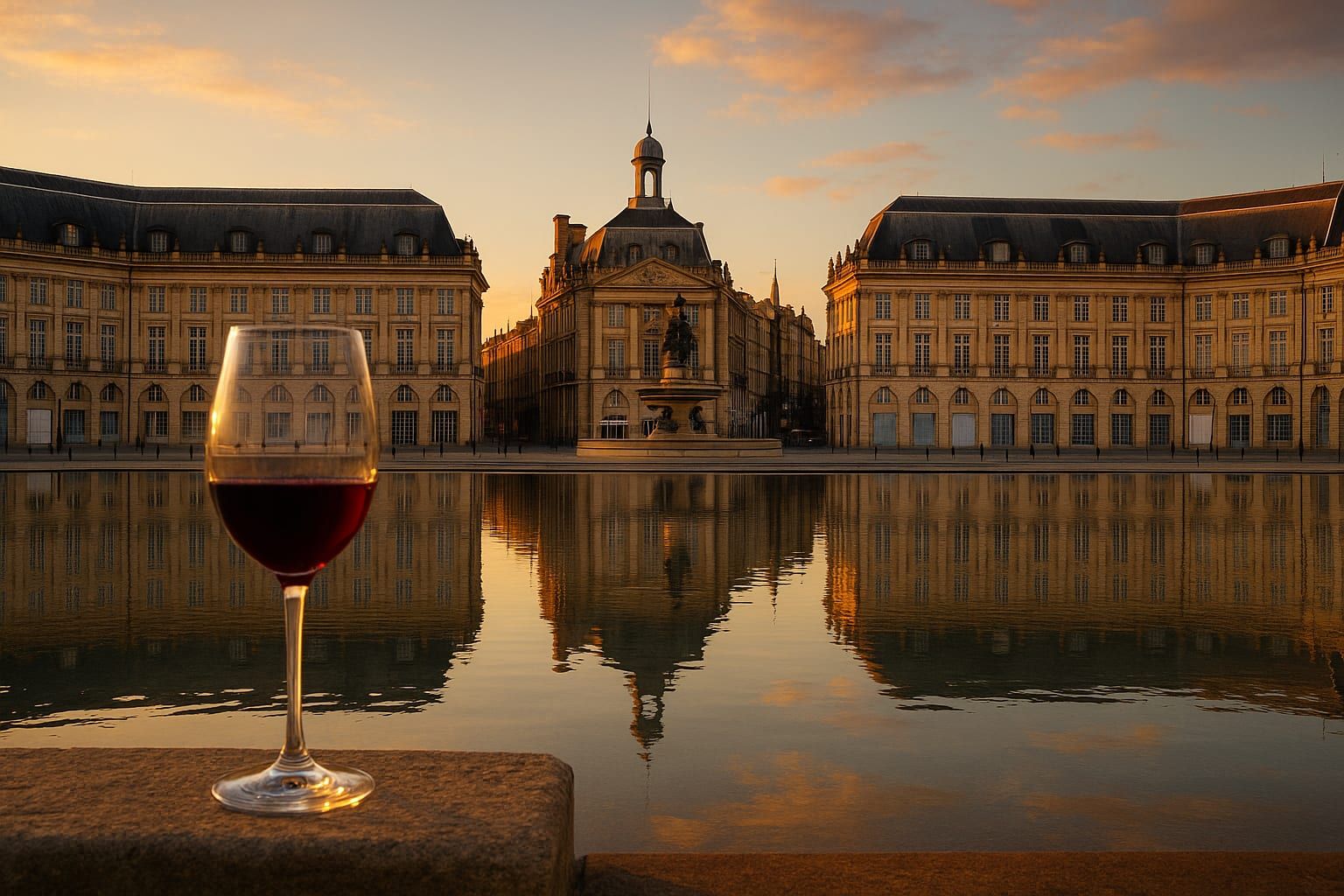
Wine Tasting in Bordeaux: Complete Guide
Everything you need to plan the perfect Bordeaux wine-tasting experience: regions, top châteaux, how to taste, booking tips, transport, seasonality and local insights.
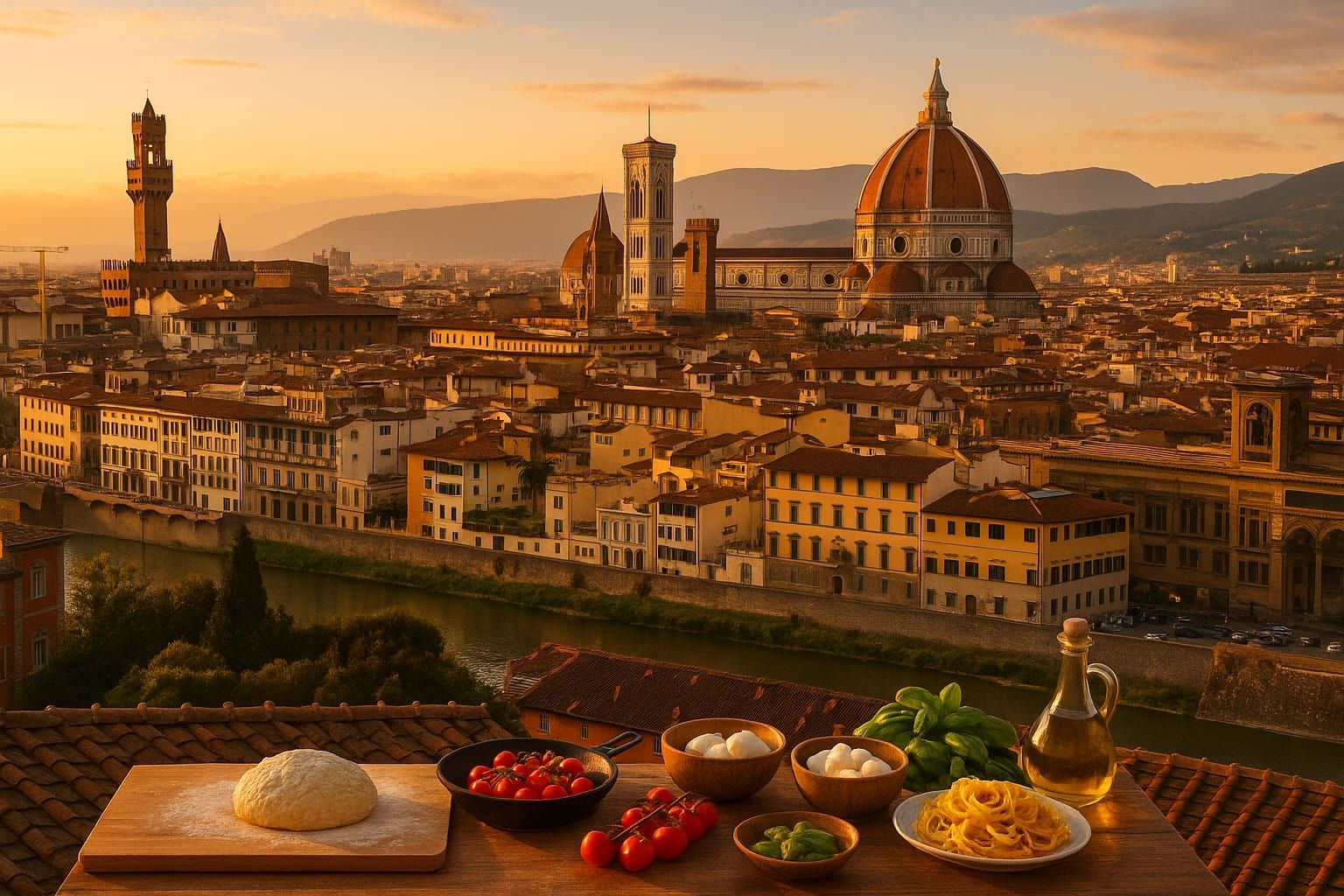
Cooking Classes in Italy: Florence, Rome & Beyond
Learn to make pasta, pizza, gelato and regional classics with hands-on classes in Florence, Rome and beyond — market tours, agriturismo experiences and practical tips.
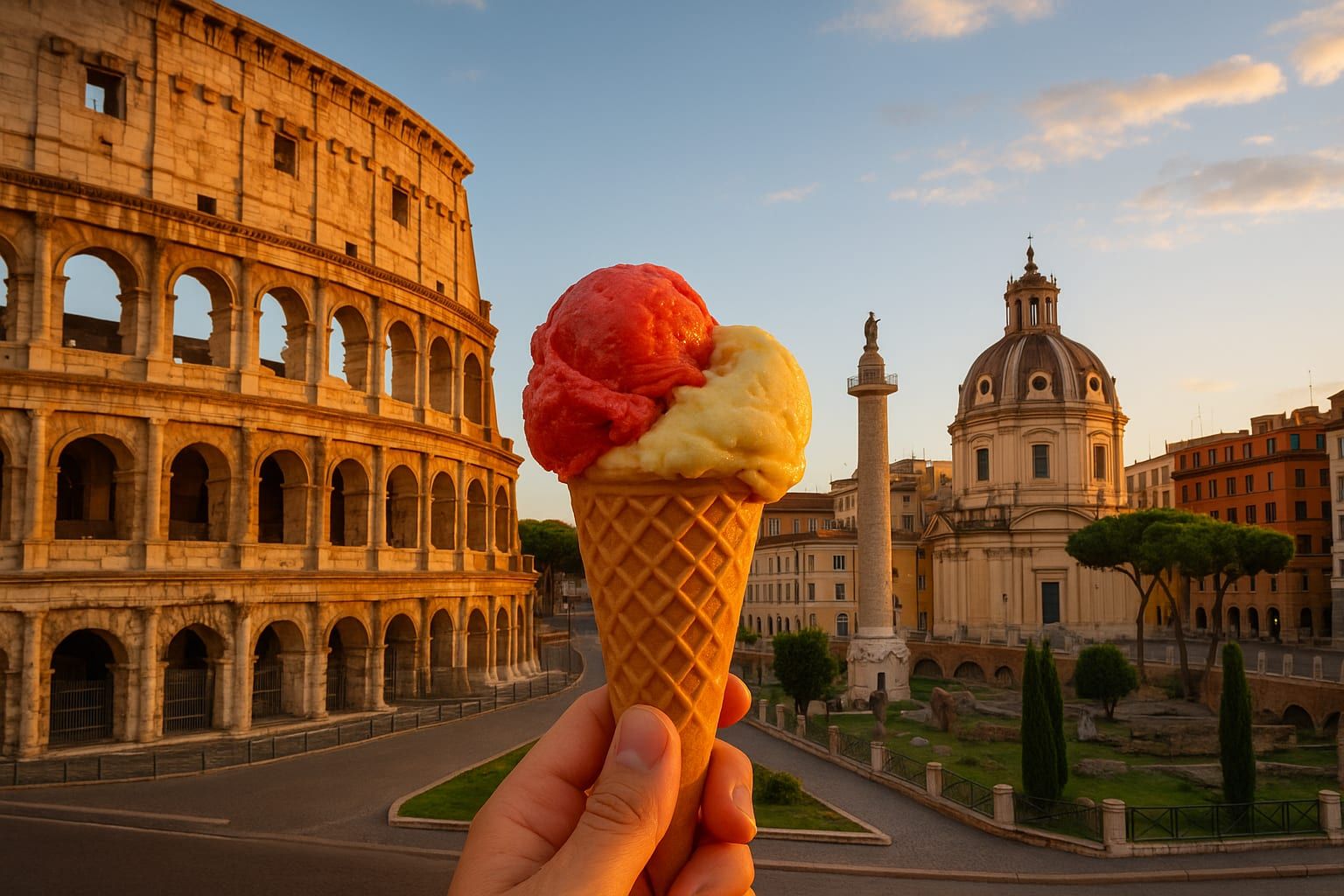
Best Gelato in Italy: City-by-City Guide
A tasty city-by-city guide to Italy’s best gelato: top shops, regional flavors, how to pick an artisan gelateria, and local tips to make every scoop memorable.