
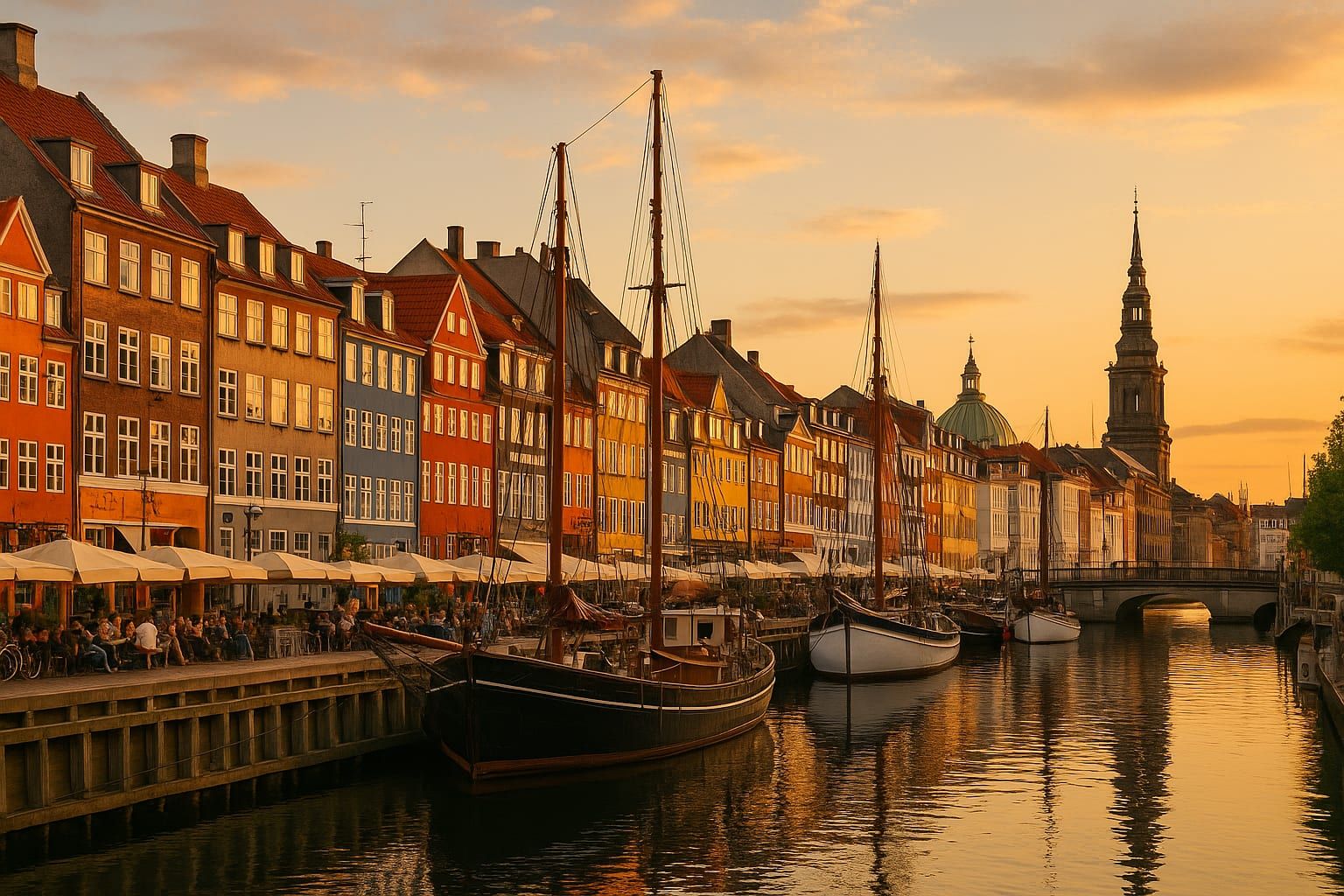
Three days in Copenhagen exploring hygge, Danish design and New Nordic cuisine — a compact, practical itinerary with museum picks, food stops, bike routes and local tips.
3 Days in Copenhagen: Hygge, Design & New Nordic
Copenhagen is where minimalist design meets warm, candlelit hygge and a food scene that rewrote the rules of Nordic cooking. This 3-day itinerary balances museums and architecture with cafés, a taste of New Nordic cuisine, and plenty of local life — all paced so you can soak in the city rather than rush through it.
Quick highlights: Design Museum Danmark, Danish Architecture Center (DAC), Nyhavn, Torvehallerne food market, Rosenborg Castle, Tivoli Gardens, Freetown Christiania, Nørrebro and Vesterbro food streets, and a New Nordic tasting experience.
Practical essentials before you go
- Currency: Danish krone (DKK). Cards are widely accepted; contactless is common. Carry a small amount of cash for markets.
- Language: Danish — but English is spoken fluently almost everywhere.
- Transport: Copenhagen has an efficient Metro, S-trains and buses. Buy single tickets, a City Pass, or consider the Copenhagen Card (saves on museums + public transport). Bikes rule the city — rent from Bycyklen or Donkey Republic for flexible cycling.
- Tipping: Not expected; service charge is included. Round up for exceptional service.
- Power: Type K plugs; most hotels provide adapters. Phone roaming/data works well; Wi‑Fi is common.
- Weather: Windy and changeable. Layer up and bring a rain jacket. For month-by-month planning, see guides on best times to visit Europe.
How to use this guide
- Each day combines a themed area with must-sees and food suggestions.
- If you prefer museums over restaurants or vice versa, swap items between days.
- Make restaurant bookings for dinners, especially for well-known New Nordic restaurants.
Day 1 — Classic Copenhagen: Harbour, History & Hygge
Morning: Nyhavn & a harbour walk
Start at Nyhavn: the iconic canal lined with colourful 17th-century houses and cafés. It’s touristy but worth it for photos and an introduction to Copenhagen’s maritime heritage. From Nyhavn, walk west along the harbourfront to the Amalienborg Palace and the Little Mermaid (expect crowds).
Why it’s hygge: The harbourfront cafés are ideal for an early coffee and a pastry — simple comfort that feels quintessentially Danish.
Late morning: Rosenborg Castle and King’s Garden
Head to Rosenborg Castle to see the Crown Jewels and stroll the King’s Garden (Kongens Have). This park is a favourite local hangout; on warmer days you’ll find picnickers and students enjoying the sun.
Lunch: Smørrebrød and Torvehallerne
Walk to Torvehallerne near Nørreport. These glass food halls serve everything from smørrebrød (open-faced sandwiches) to seasonal New Nordic bites. Try a traditional pickled herring or a modern take on smørrebrød at Aamanns if you want a refined version of the classic.
Afternoon: Design & Architecture
- Visit the Danish Architecture Center (DAC) for a focused look at the city’s maritime, urban and future-facing architecture.
- Follow with Designmuseum Danmark to see furniture, ceramics and Danish design icons.
These museums will give you context for the clean, functional aesthetic you’ll notice across Copenhagen — and explain why design is part of everyday life here.
Evening: Tivoli Gardens
Finish your first day at Tivoli Gardens. This historic amusement park lights up beautifully at dusk and blends fairground rides, gardens and seasonal programming. For dinner, pick one of Tivoli’s restaurants or head back to Vesterbro for more restaurants and bars in the Meatpacking District (Kødbyen).
Day 2 — New Nordic Food, Markets & Nørrebro Life
Morning: Coffee and pastries like a local
Copenhagen takes coffee seriously. Start your day at a specialty café in Nørrebro (Jægersborggade is a good street to explore). Try a cardamom bun (kanelsnegl or kardemommebolle) from a local bakery.
(For broader European coffee inspiration, check our guide on the best coffee cities in Europe.)
Late morning: Food markets & culinary browsing
Visit Reffen, Copenhagen’s large street-food hub (open seasonally near Refshaleøen) to see modern, multicultural takes on Nordic ingredients. Alternatively, explore smaller markets and food shops in Nørrebro.
Lunch: A taste of New Nordic
Book a midday tasting at a New Nordic restaurant (many offer lunch menus that are less expensive than dinner). Copenhagen’s New Nordic movement emphasizes local, seasonal ingredients, foraging and minimal intervention.
Insider tip: If you want the ultimate New Nordic experience, reserve well in advance — top spots fill quickly.
Afternoon: Nørrebro & Freetown Christiania
Walk through Nørrebro, a multicultural, creative neighbourhood with boutiques, vintage shops and coffee bars. Continue on to Christianshavn and Freetown Christiania — a self-proclaimed autonomous neighbourhood with colourful murals, canalside cafés and an alternative vibe. Respect local rules and photography guidelines.
Evening: Kødbyen (Meatpacking District)
Back in Vesterbro, Kødbyen is great for evening dining. You’ll find everything from grill houses to contemporary tasting menus. The area keeps lively bars and late-night restaurants.
Day 3 — Contemporary Art, Day Trips & Local Life
Morning: Glyptotek or Louisiana Museum
Pick one depending on your interests:
- Ny Carlsberg Glyptotek: an exceptional collection of antiquities and French Impressionists, plus a serene winter garden.
- Louisiana Museum: If you have a half-day and good weather, take the 35-minute train north to Humlebæk. The museum’s collection and seaside sculpture park are world-class (this is a popular day trip for art lovers).
Lunch & afternoon: Shopping for design
Return to the city and browse for design pieces: from high-end stores on Strøget to independent boutiques around the Latin Quarter. Copenhagen is a great place to find well-crafted homewares, glass and ceramics.
Recommended shopping streets: Strøget for mainstream brands, and the area around Pilestræde and Kronprinsensgade for smaller design shops.
Late afternoon: A canal tour or bike ride
Choose a relaxed canal tour to see the city from the water, or rent a bike and cross the bridges into Christianshavn and Islands Brygge where locals swim in summer. The city’s bike infrastructure makes cycling safe and enjoyable for visitors who are comfortable sharing lanes.
Farewell dinner: Hygge and New Nordic comfort
For your last night, choose a restaurant that offers seasonal, warming dishes — a place that feels intimate and well-curated. If you want to splurge, check for last-minute openings at renowned New Nordic kitchens; otherwise, a small neighbourhood restaurant with strong seasonal menus will deliver an authentic end to your trip.
Practical tips & local insights
- Getting around by bike: Use the city’s bike lanes; be predictable, follow traffic lights, and avoid sudden stops. If you’re new to cycling in the city, pick quieter neighbourhoods at first.
- Reservations: Book dinner slots for popular places, especially on weekends. Many restaurants accept bookings online.
- Opening hours: Museums typically open mid-morning; shops often open late morning and close early evening. Sundays are slower.
- Seasonal picks: Summers are lively with outdoor life; winters offer the coziest hygge with candles, warm cafés, and Christmas markets. For timing, see seasonal planning tips in our best time to visit Europe guide.
- Money-saving: Walk where possible, take advantage of free attractions (like the city’s many parks), and consider a transport-and-museum pass if you plan many museum visits.
- Local etiquette: Danes value personal space and punctuality. Quiet, friendly interactions work best.
Local insight: Copenhageners balance efficiency with comfort. You’ll often see impeccably designed interiors that are nonetheless very welcoming — that contrast is where hygge meets Scandinavian design.
Where to eat & drink — selected suggestions
- Torvehallerne: Great for casual tasting and smørrebrød.
- Aamanns: Modern smørrebrød and a polished take on traditional flavours.
- Backstreet cafés in Nørrebro: For specialty coffee and flaky pastries.
- Reffen (seasonal): Street food with global influences but local ingredients.
- Kødbyen restaurants: For evening dining and a lively atmosphere.
Note: If you’re interested in exploring European food scenes further, our 3 Days in Bologna guide is a must-read for Italy’s foodie capitals.
Alternatives & add-ons (if you have extra time)
- Day trip to Roskilde to visit the Viking Ship Museum and the cathedral.
- Day trip to Helsingør for Kronborg Castle (Hamlet’s castle) and the harbour.
- Long summer evenings: head to Amager Strandpark for a beach sunset.
Final thoughts
Three days in Copenhagen gives you a rich taste of the city’s interplay between design, culinary innovation and hygge. Move at a relaxed pace: the city rewards lingering in cafés, taking detours down quiet streets, and letting architecture and food define your days.
If you want to pair Copenhagen with other European city breaks, consider routes and timing from our broader guides — such as the best coffee cities in Europe or travel planning advice on the best time to visit Europe.
Enjoy Copenhagen’s simple pleasures: a perfectly brewed coffee, a carefully composed plate, a quiet moment in a green square — the Danish art of living well.
Related reads:
- 3 Days in Bologna: Italy's Best-Kept Foodie Secret — /en/itineraries/3-days-in-bologna-foodie-secret
- Best Coffee Cities in Europe — /en/food-drink/best-coffee-cities-europe
- Best Time to Visit Europe: Month by Month — /en/practical-guides/best-time-to-visit-europe-month-by-month
Keep Exploring
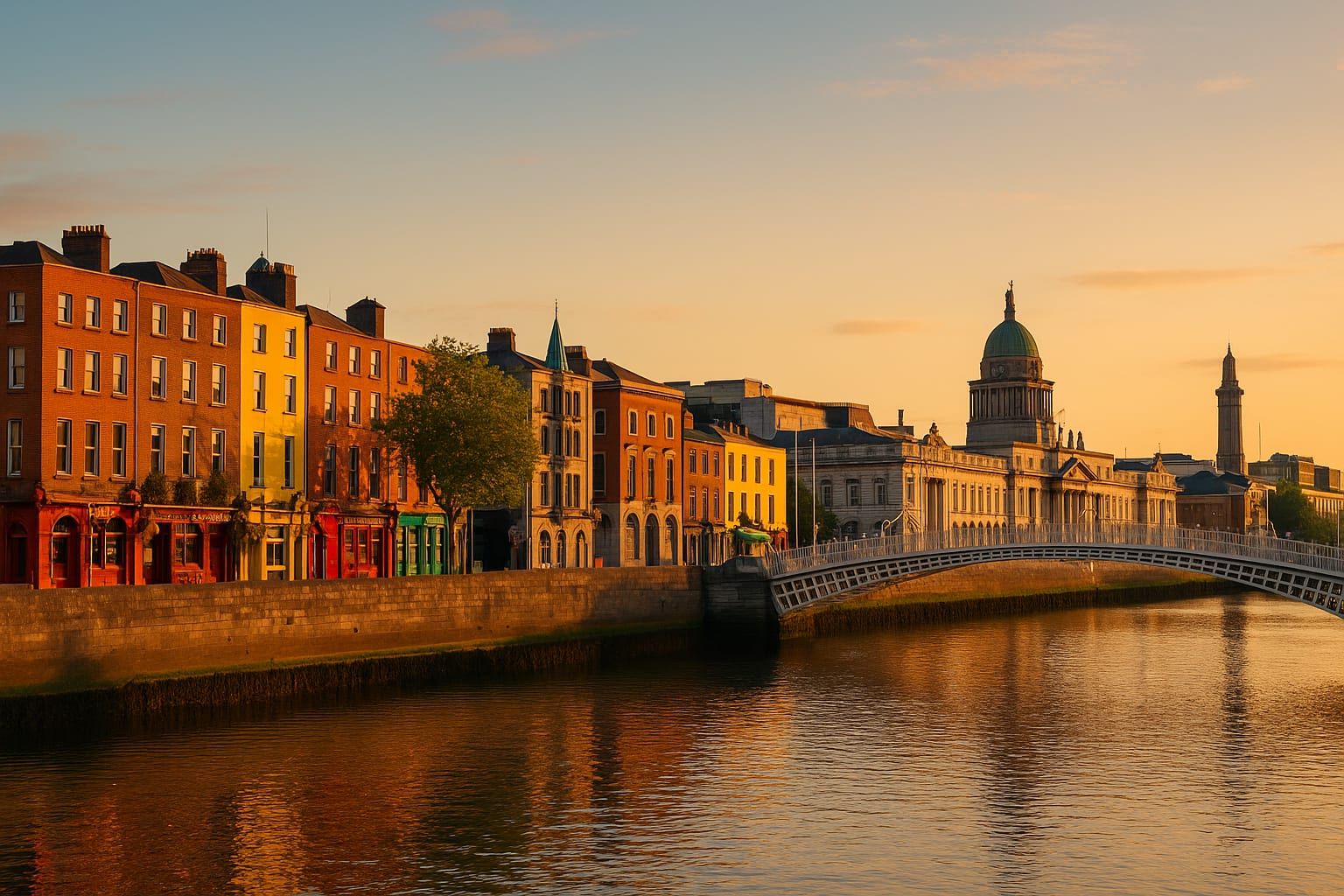
48 Hours in Dublin: Pubs, Literature & Georgian Beauty
Two days in Dublin: explore literary landmarks, lively pubs, and elegant Georgian squares. A relaxed, walkable 48-hour plan with local tips, transport notes and where to eat.
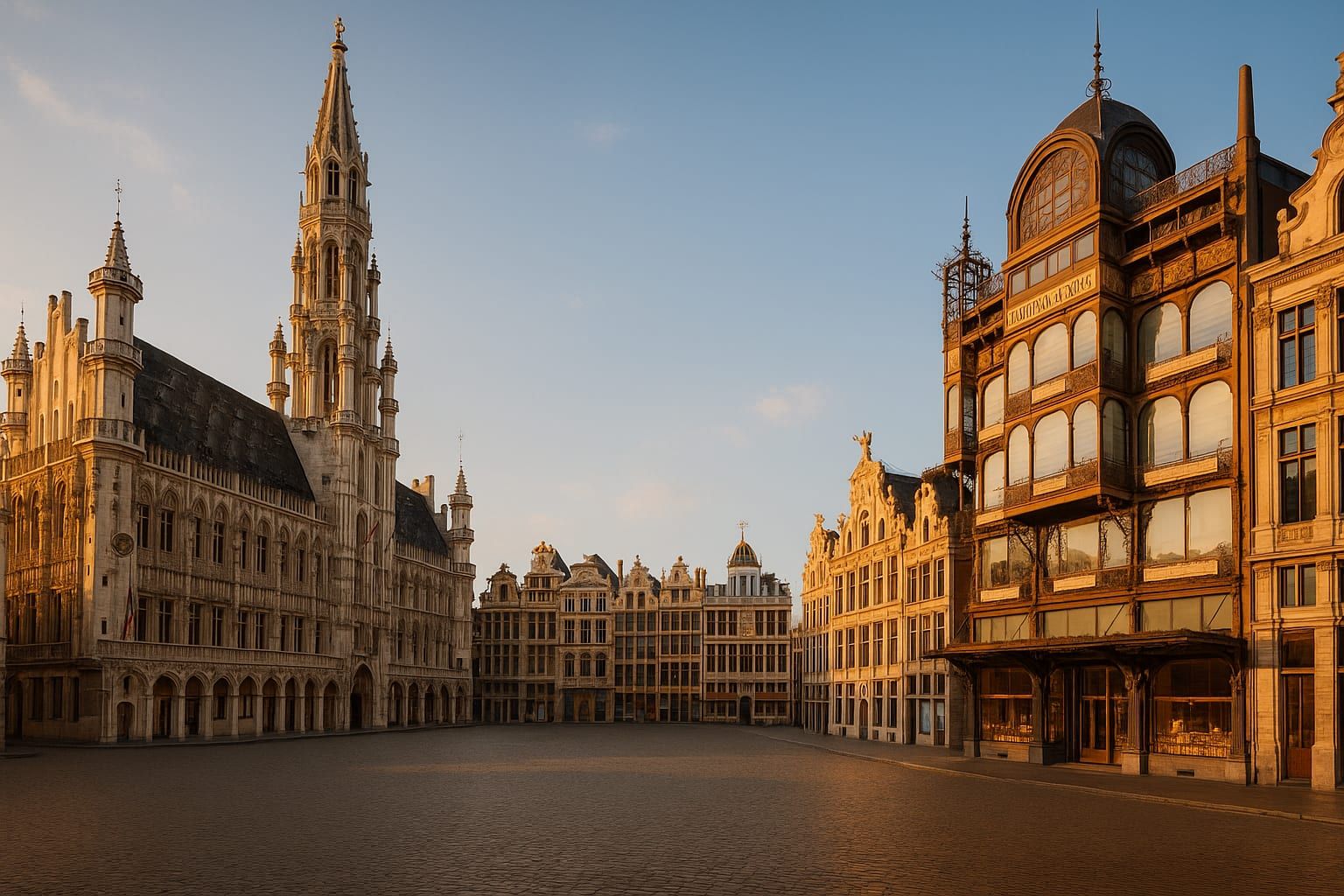
48 Hours in Brussels: Chocolate, Beer & Art Nouveau
Two days in Brussels: sample world-class chocolate, sip iconic Belgian beers and follow an Art Nouveau trail through elegant neighborhoods. A practical, walkable 48-hour plan.
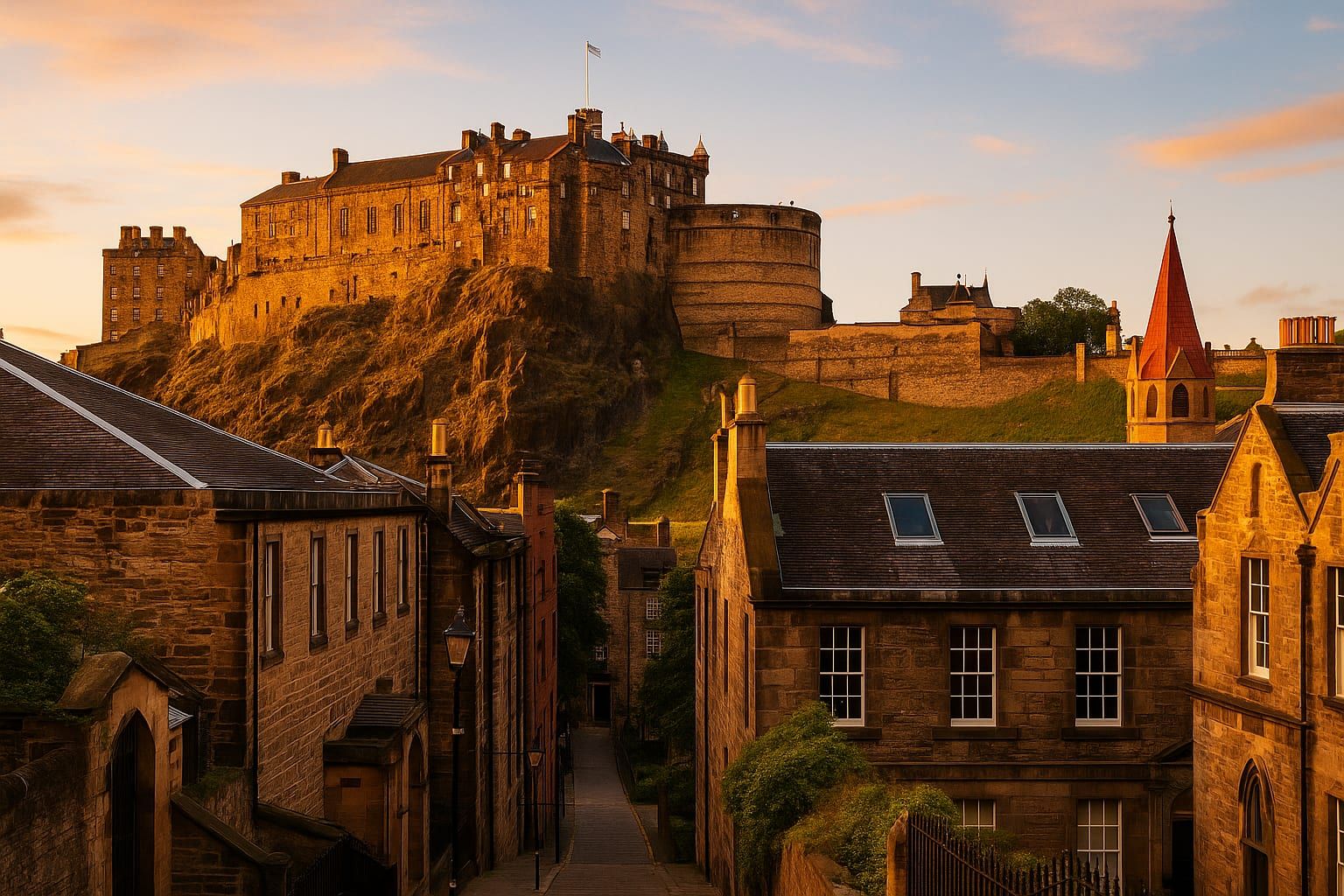
3 Days in Edinburgh: Castle, Closes & Whisky
A practical, three-day Edinburgh itinerary that balances the castle and Royal Mile with hidden closes, whisky tastings and local tips for an unforgettable city break.