
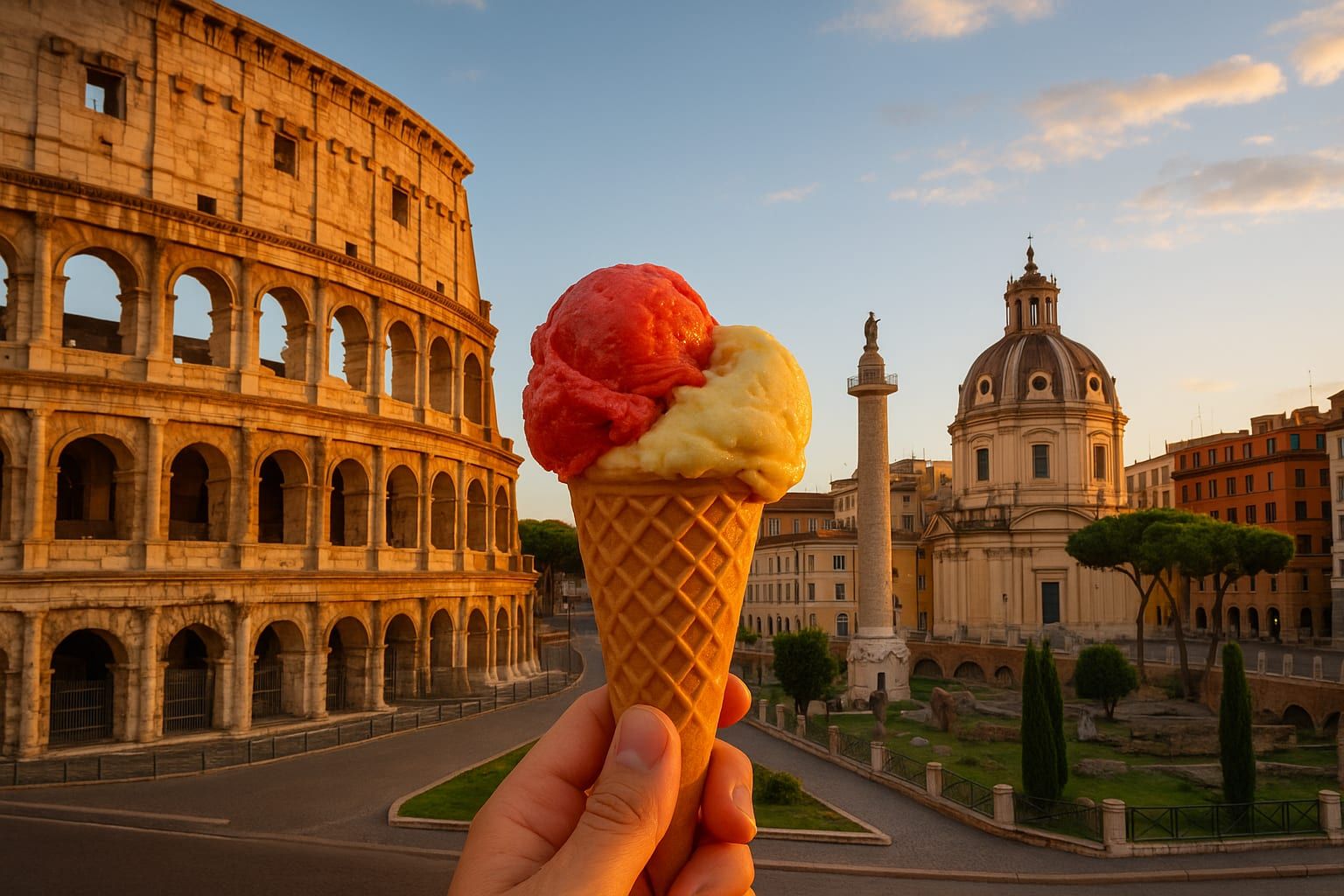
A tasty city-by-city guide to Italy’s best gelato: top shops, regional flavors, how to pick an artisan gelateria, and local tips to make every scoop memorable.
Best Gelato in Italy: City-by-City Guide
Italy and gelato are inseparable. From tiny hill towns to big cities, every region has its own take on this silky frozen treat. This guide walks you through the best gelato experiences city by city, explains how to spot authentic artisanal gelato, and gives practical tips so you can taste like a local.
How to find truly great gelato (before you order)
Before we visit cities, learn a few rules of thumb so you don’t waste a scoop on overly sweet, industrial ice cream that’s masquerading as gelato.
- Look for natural colors: bright neon often means artificial coloring; artisanal gelato uses subtle, natural hues.
- Check the display: artisanal gelato is usually kept slightly sunken in metal pans and not piled into sculptural mountains with decorations that hide texture.
- Ask for ingredient info: a quality gelateria usually lists ingredients or has staff who can tell you what’s in each flavor.
- Watch how it’s served: spade-shaped metal paddles (palettine) and serving into a coppetta (cup) are common; do they use scoops dipped in water (a sign of efficiency, not always quality)?
- Look for “artigianale” on the window, but use it as a hint—not a guarantee. The best proof is simple: flavor and texture.
Ordering tips and etiquette
- Cono vs coppetta: choose a cone (cono) if you want the full sensory experience. A coppetta (cup) is neater and often preferred in very hot weather.
- Size language: piccolo (small), medio (medium), grande (large). Always ask for a taste (assaggio) before committing.
- Combine flavors thoughtfully: pair a fruit sorbet with a milk-based gelato for balance—too many intense creams together can overwhelm your palate.
- Sorbetti are often dairy-free and the best way to experience regional fruit or lemon varieties.
- If you care about calories or dairy, ask for sorbets or look for “vegano” options.
Regional flavors to try
- Pistachio from Sicily (often Bronte pistachios) — intense, savory-sweet, nutty.
- Nocciola (hazelnut) from Piedmont — rich and aromatic.
- Crema and fior di latte — classic milk bases that showcase technique.
- Stracciatella — cream with chocolate shards; a textural favorite.
- Local fruit sorbets — Sicilian blood orange, Amalfi lemon, Tuscan strawberry.
Rome
Rome’s gelato scene is historic and bustling. The Eternal City balances classic flavors and modern experiments.
Top names to try: Giolitti (near the Pantheon), La Romana, and Il Gelato di San Crispino (famous for its pure, flavor-forward approach). Giolitti is touristy but iconic; San Crispino is small and focused on high-quality ingredients. La Romana often offers creamy, indulgent flavors and seasonal specialties.
Local tip: avoid the busiest streets right next to major monuments if you want a quieter, higher-quality choice—walk a block or two away and you’ll often find family-run shops with better prices and less sugar-heavy flavors.
For more on eating in Rome, see our deeper Rome food guide: /en/food-drink/rome-food-guide-pizza-pasta-gelato-done-right
Florence
Florence is gelato country: rich, creamy, and sometimes unapologetically rustic. Here, frozen desserts pair well with wandering the Arno at dusk.
Shops to know: Vivoli (a historic spot known for dense, old-school textures), Gelateria La Carraia (popular for its rich, balanced flavors), Gelateria dei Neri, and Perché No! (noted for inventive combinations and excellent sorbets).
Local insight: try a scoop of crema or vin santo–inspired flavors if you want a truly Florentine experience. After your gelato, stroll toward Ponte Vecchio or Piazza della Signoria to enjoy it with a view.
San Gimignano (Tuscany)
This medieval hill town is famous not just for towers and views but also for Gelateria Dondoli—an award-winning stop that helped put Italian gelato competitions on the map.
Why visit: Dondoli is known for carefully balanced, surprising flavors (think saffron, ricotta with pear, or local honey combinations). Go early in the high season to avoid long lines.
Local tip: pair your gelato break with a short climb to one of the viewpoints outside town—San Gimignano’s landscape makes any scoop taste better.
Venice
Gelato in Venice is all about enjoying a scoop between narrow calli and canals. With tourists flocking year-round, pick a gelateria where locals line up.
Popular options: Gelateria Nico in Dorsoduro (renowned for its gianduiotto-style chocolate and seaside location). Suso (near Campo San Barnaba) is another creative choice.
Local insight: Venice’s humidity can soften gelato quickly—eat at a relaxed pace or sit at a canal-side bench to savor the view and flavor.
Milan
Milan blends design and food, and its gelato scene reflects that modern-meets-traditional sensibility. Look for innovative flavor combinations and high-quality chocolate bases.
Shops to consider: Gelateria della Musica (famous for flavor creativity) and artisan branches of GROM or local independents producing high-quality, seasonal flavors.
Local tip: Milanese appreciate subtle, well-balanced flavors—try pistachio or a dark-chocolate‑based option.
Turin (Torino)
Turin is a chocolate and hazelnut stronghold. Expect superb nocciola and gianduja-style gelato here.
Notable: Grom started in Turin and is known for its commitment to quality ingredients (now a national chain). Pepino is a historic Turin gelateria credited with innovation—try a chocolate-coated specialty if you find it.
Local insight: pair a hazelnut gelato with espresso for a classic Piedmontese combination.
Bologna
Bologna’s food scene is legendary, and even its gelato respects the city’s culinary seriousness. Look for balanced textures and attention to ingredient provenance.
What to try: classic crema, pistachio, and seasonal fruit sorbets made with local produce.
Local tip: combine a gelato stop with an evening passeggiata under the porticoes; many gelaterie stay open late.
Naples and the Amalfi Coast
Southern Italy brings bold citrus flavors and dairy-rich specialties. Naples has a proud tradition of frozen sweets; the Amalfi Coast’s lemons turn into bright, clean sorbets.
Try: limone sorbetto on the Amalfi Coast, ricotta-based flavors and blood orange sorbettos in Campania and Sicily.
Local insight: on the coast, a lemon sorbet is practically a palate cleanser—refreshing after seafood and pizza.
Sicily and Palermo
Sicily is a gelato treasure trove—intense nuts, citrus, and ricotta-flavored creams reflect the island’s shape-shifting culinary history.
Flavors not to miss: pistachio (Brownie-quality Pistachio from Bronte), granita-style sorbets, and ricotta with candied fruit. Sicilian gelato is often less sweet and more textured.
Local tip: after tasting pistachio and ricotta, walk to a nearby market for local pastries—the combination is heavenly.
Practical tips: budgets, allergies, and timing
- Price guide: Expect to pay more in tourist-heavy zones. A small scoop in a tourist center might cost 2.50–4 EUR; in non-touristy neighborhoods, prices are often cheaper.
- Allergies/dietary needs: Many shops now label dairy-free, nut-containing, or vegan sorbets. But always ask, especially for cross-contamination concerns.
- Best time to eat gelato: late afternoon to early evening is ideal—your taste buds are ready, and the streets are at their liveliest. For creamy textures, cooler parts of the day preserve the gelato’s structure.
- Avoid pre-packaged cones sold from carts that have been sitting in the sun—seek out shops that make (or refill) their products during the day.
How to judge quality once you’ve ordered
- Texture: authentic gelato is dense and silky, not icy or overly aerated.
- Flavor clarity: real fruit sorbets should taste of fruit, not just sugar. Nut flavors should taste of the actual nuts.
- Aftertaste: a clean finish (not a sugary or artificial aftertaste) is a sign of good gelato.
When to skip a famous name
Many iconic gelaterie have great reputations, but not every location or branch maintains the same quality. If the display looks overly produced, or staff seem rushed and unwilling to let you sample, walk a few streets away and try a smaller, local place—you’ll often be rewarded.
Gelato festivals and competitions
If your trip lines up with local food festivals, you might catch gelato competitions or pop-up stalls showcasing regional artisans. These events are goldmines for trying experimental flavors and meeting makers who’ll gladly discuss ingredients and methods.
Takeaway: taste across regions
Traveling Italy scoop by scoop is one of the most delicious ways to understand the country. From Roman classics to Sicilian pistachio, every region’s gelato tells a local story—about fruit, dairy, tradition, and innovation. Use the practical tips above, wander past the busiest tourist traps, and favor places that look like they care about ingredients and technique.
If you’re planning a longer Italian itinerary, consider pairing regional gelato adventures with nearby cultural stops—for example, combine a gelato tour in Rome with broader Roman food experiences, or sample Sicilian pistachio along a visit to coastal towns. For inspiration outside gelato, check out nearby travel reads like our Matera guide: /en/hidden-gems/matera-ancient-cave-city-rising-again
Buon viaggio—and buon gelato!
Related
Keep Exploring

Wine Tasting in Bordeaux: Complete Guide
Everything you need to plan the perfect Bordeaux wine-tasting experience: regions, top châteaux, how to taste, booking tips, transport, seasonality and local insights.
Cooking Classes in Italy: Florence, Rome & Beyond
Learn to make pasta, pizza, gelato and regional classics with hands-on classes in Florence, Rome and beyond — market tours, agriturismo experiences and practical tips.

Best Coffee Cities in Europe
From imperial coffeehouses to third-wave roasteries, explore Europe's best coffee cities with local tips, signature drinks, café picks and practical advice for the traveling caffeine lover.