
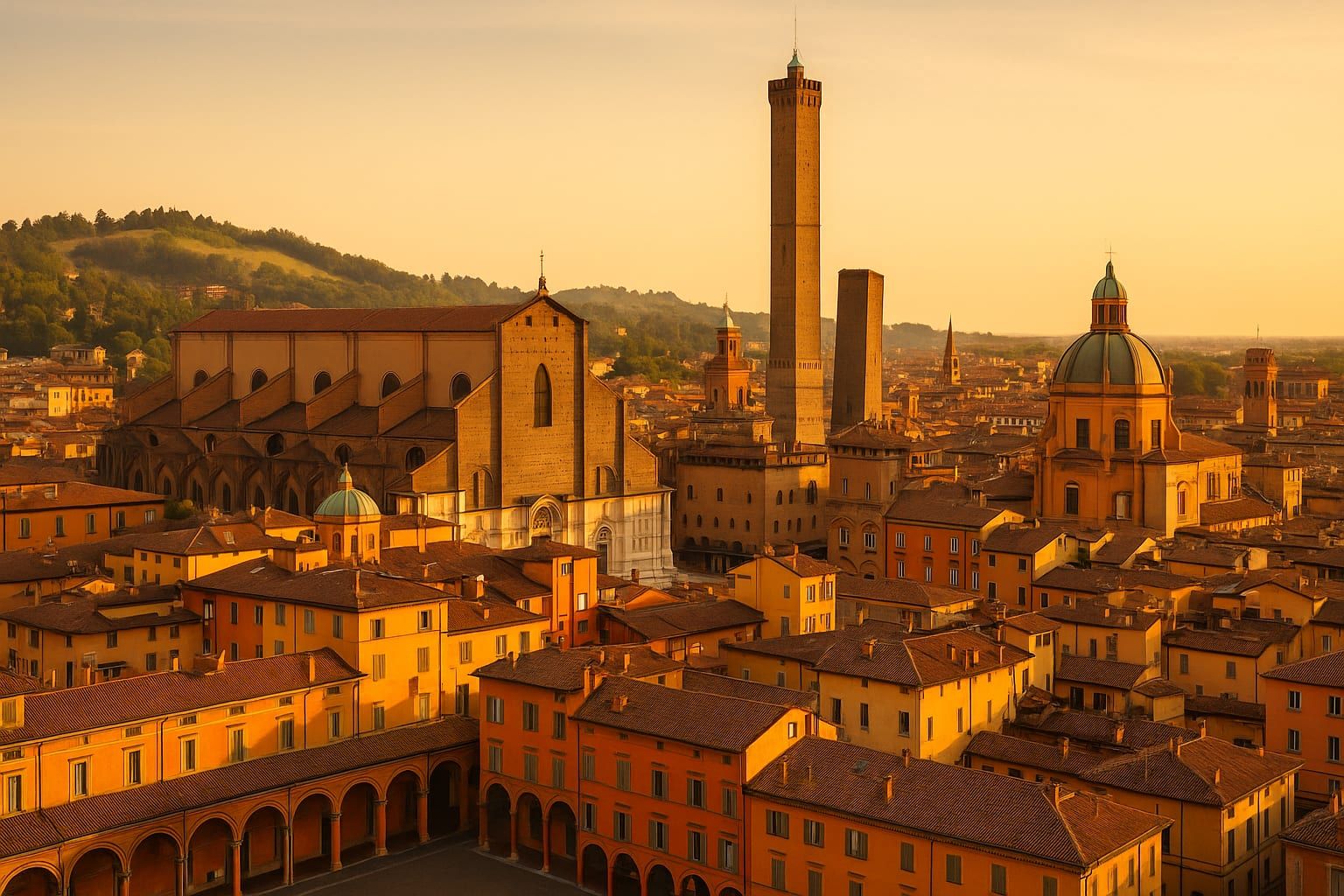
Three-day foodie itinerary through Bologna: markets, trattorie, cooking class tips, must-try dishes, and local insights for an unforgettable culinary weekend.
3 Days in Bologna: Italy's Best-Kept Foodie Secret
Bologna quietly steals the spotlight from Italy's flashier culinary capitals. Nicknamed "la dotta, la grassa, la rossa" (the learned, the fat, the red), it's home to rich sauces, handmade pasta, humble salumi and some of Italy’s most authentic eating experiences. This 3-day itinerary is designed for food lovers who want to taste the city like a local—between historic sights, shaded porticoes and bustling markets.
Quick essentials
- Best time to visit: April–June and September–October for mild weather and fewer crowds.
- How to get there: Bologna Guglielmo Marconi Airport (BLQ), fast trains from Florence (35 min) and Milan (1h), or drive via A1.
- Getting around: Bologna is compact and very walkable. Bring good shoes for cobbled streets and long porticoes.
- Currency & tipping: Euro; tipping is optional—round up for good service.
Day 1 — Old town, markets and the Quadrilatero
Morning: Piazza Maggiore and the Two Towers
Start at Piazza Maggiore, the city’s beating heart. Admire Basilica di San Petronio and wander under the porticoes to the neighbouring streets. Walk to the Two Towers (Le Due Torri) — Asinelli and Garisenda — and, if you’re fit and fearless, climb the 498 steps of the Torre degli Asinelli for a panoramic view over terracotta roofs.
Lunch: Mercato di Mezzo & Quadrilatero
Head into the Quadrilatero, the ancient market district. Mercato di Mezzo and the surrounding alleys are perfect for grazing: try fresh mortadella, focaccia, and tiny plates of local cheeses. Stop at a traditional salumeria (Tamburini is a classic) for a platter of cured meats and an espresso or a glass of Lambrusco.
Local insight: the Quadrilatero is where Bolognese families shop—don’t be shy about asking the vendors what’s in season.
Afternoon: Food shops and gelato
Spend the afternoon sampling local food shops: artisan pasta stores, balsamic and artisanal chocolate makers. Bologna is a great place to learn the differences in local cured meats and regional cheeses.
For gelato, skip the tourist traps and look for places with natural, seasonal flavours and a pasteurization certificate in the window. For more on where to find Italy's best scoops, see our Best Gelato in Italy guide: /en/food-drink/best-gelato-italy-city-guide.
Evening: Traditional dinner
Book a table at a family-run osteria and order: tagliatelle al ragù (what many call "Bolognese"), tortellini in brodo, or lasagne verdi. Finish with zabaglione or panna cotta. Seek out places that cook from scratch—things like fresh pasta and ragù that have been simmering for hours.
Insider tip: dinner in Bologna can start later, but many traditional trattorie are busiest from 8–10pm. If you want a more local vibe, book a table around 8pm.
Day 2 — Cook, sip and explore the scholarly side
Morning: Cooking class or food tour
Take a hands-on cooking class (learn to make tortellini or tagliatelle) or join a focused food tour that dives into the history of Bolognese cuisine. A cooking class gives you a lifelong skill and a deeper appreciation for why fresh egg pasta is central to the region’s identity. For options across Italy including Bologna, check our cooking class guide: /en/food-drink/cooking-classes-italy-florence-rome-beyond.
Lunch: Mercato delle Erbe
After class or your tour, head to Mercato delle Erbe. This lively market has sit-down counters and small restaurants serving simple, delicious meals—perfect for tasting seasonal vegetables, prosciutto, crescentine (also called tigelle) and quick pastas.
Local insight: Mercato delle Erbe is where students and locals eat. It’s cheaper and more authentic than many tourist-focused spots.
Afternoon: University district & Santo Stefano
Stroll through the University district. Bologna’s university is one of the oldest in Europe, and the area still hums with student energy—cafés, second-hand bookstores and late-night bars. Visit the serene complex of Santo Stefano (a cluster of churches) for a quieter, spiritual interlude.
Evening: Aperitivo and dinner in the Jewish Ghetto
Enjoy an aperitivo—an Italian ritual of pre-dinner drinks and nibbles—at a local bar. The Jewish Ghetto area and the streets near Via Zamboni have intimate wine bars and enoteche where you can try regional wines like Pignoletto or a dry Lambrusco.
For dinner, choose a traditional trattoria away from the main square; the best meals are often found on the quieter side streets.
Day 3 — Markets, museums and day-trip options
Morning: FICO Eataly World or culinary museums
If you’re curious about the broader food industry, FICO Eataly World (a short drive from central Bologna) is a large food park showcasing Italian producers—good if you’re traveling with kids or want a wide tasting experience.
Alternatively, stay in town and visit the Museo della Storia di Bologna to understand the city’s layered past that underpins its food culture.
Lunch: Specialty tastings and street food
Track down street-food favourites: piadina (from Emilia-Romagna's cousin region), lampredotto-style sandwiches in some markets, or sample plates at a local bacaro. Try a bowl of passatelli in brodo if you find it—simple, comforting and totally local.
Afternoon: Day trips and wine
If you have a car or time for a short train ride, consider a half-day to Modena (25–30 minutes) for balsamic vinegar tastings and the Ferrari museum, or to the rolling vineyards of Emilia for Lambrusco and Pignoletto tastings.
Local insight: Modena’s traditional aceto balsamico is aged decades—book tastings in advance for the best experience.
Final evening: Feast and reflect
For your last night, splurge at a refined trattoria or osteria that balances classic and modern. Try regional specialities you haven’t yet tasted—bollito misto (mixed boiled meats) is a winter favourite, while lighter stuffed pastas and seasonal vegetable preparations appear in spring and summer.
Cap off the evening with an after-dinner espresso or a creamy gelato as you wander under the porticoes.
What to eat in Bologna — signature dishes
- Tagliatelle al ragù: Fresh ribbon pasta with slow-cooked meat sauce (the real Bolognese).
- Tortellini in brodo: Tiny stuffed pasta served in a clear meat broth—comfort in a bowl.
- Lasagne verdi: Spinach pasta layered with béchamel, ragù and Parmigiano-Reggiano.
- Mortadella: Silky, delicately spiced cold cut that’s a local emblem.
- Crescentine / Tigelle: Fried or grilled flatbreads perfect with cured meats and cheese.
- Gnocco fritto: Puffy fried dough served with cured meats—decadent and local.
- Zampone and Cotechino: Traditional winter sausages usually eaten with lentils.
Note: Authentic Bolognese cuisine emphasizes high-quality ingredients and slow cooking—seek out places that make their pasta and sauces in-house.
Practical tips & local insights
- Eating hours & riposo: Many family-run places close mid-afternoon for riposo (rest). Plan lunches between 12:00–14:30 and dinners from 19:30–22:00. Markets often open early and close mid-afternoon.
- Cash vs card: Cards are widely accepted, but small vendors and market stalls may prefer cash—carry small euro notes and coins.
- Language: Basic Italian goes a long way—"per favore" (please), "grazie" (thanks), "il conto per favore" (the bill, please). Locals appreciate even simple attempts.
- Porticoes: Bologna’s porticoes stretch for over 40 kilometres—the perfect shelter in summer heat or sudden rain. Bring comfortable shoes for the historic paving.
- Dietary restrictions: Many restaurants can adapt dishes for vegetarians; however, classic Bolognese cuisine is meat-forward. Ask before ordering if you need adaptations.
- Food souvenirs: Parmigiano-Reggiano (buy vacuum-sealed for travel), mortadella vac-pack, artisan balsamic (if from Modena), handmade pasta and local wines like Lambrusco.
Budget guide
- Low: €30–50/day — market meals, street food, budget trattorie, shared dorm or budget hotel.
- Mid: €60–140/day — mid-range restaurants, a couple of guided experiences, private room in a central B&B.
- Splurge: €150+/day — high-end dining, private food tours, boutique hotels.
Where to stay
Stay central to maximize food-and-walk time: around Piazza Maggiore, the Quadrilatero, or the University district for a livelier atmosphere. If you prefer quieter evenings, the area near Santo Stefano is charming and walkable.
Day-trip suggestions
- Modena: Traditional balsamic, acetarias (balsamic houses) and upscale gastronomy. Trains take ~25–30 minutes.
- Parma: Prosciutto di Parma and Parmigiano-Reggiano country—ideal for cheese and ham enthusiasts.
- Ravenna: Mosaic churches for a cultural contrast to your culinary focus (about 1h by train).
Final notes: Why Bologna?
Bologna doesn’t shout—its pleasures are slow, savory, and shared. It’s where food is woven into daily life: markets hum, trattorie simmer with ragù, and the porticoes lead you from one discovery to the next. In three days you’ll taste the essentials, learn a few recipes, savor local wines and walk away with a new appreciation for Italy’s understated culinary capital.
Planning to learn to cook your own tagliatelle? Curious where to find the city’s best ice cream? See our guides to cooking classes and gelato for deeper reads: /en/food-drink/cooking-classes-italy-florence-rome-beyond and /en/food-drink/best-gelato-italy-city-guide.
Buon viaggio—and buon appetito!
Keep Exploring
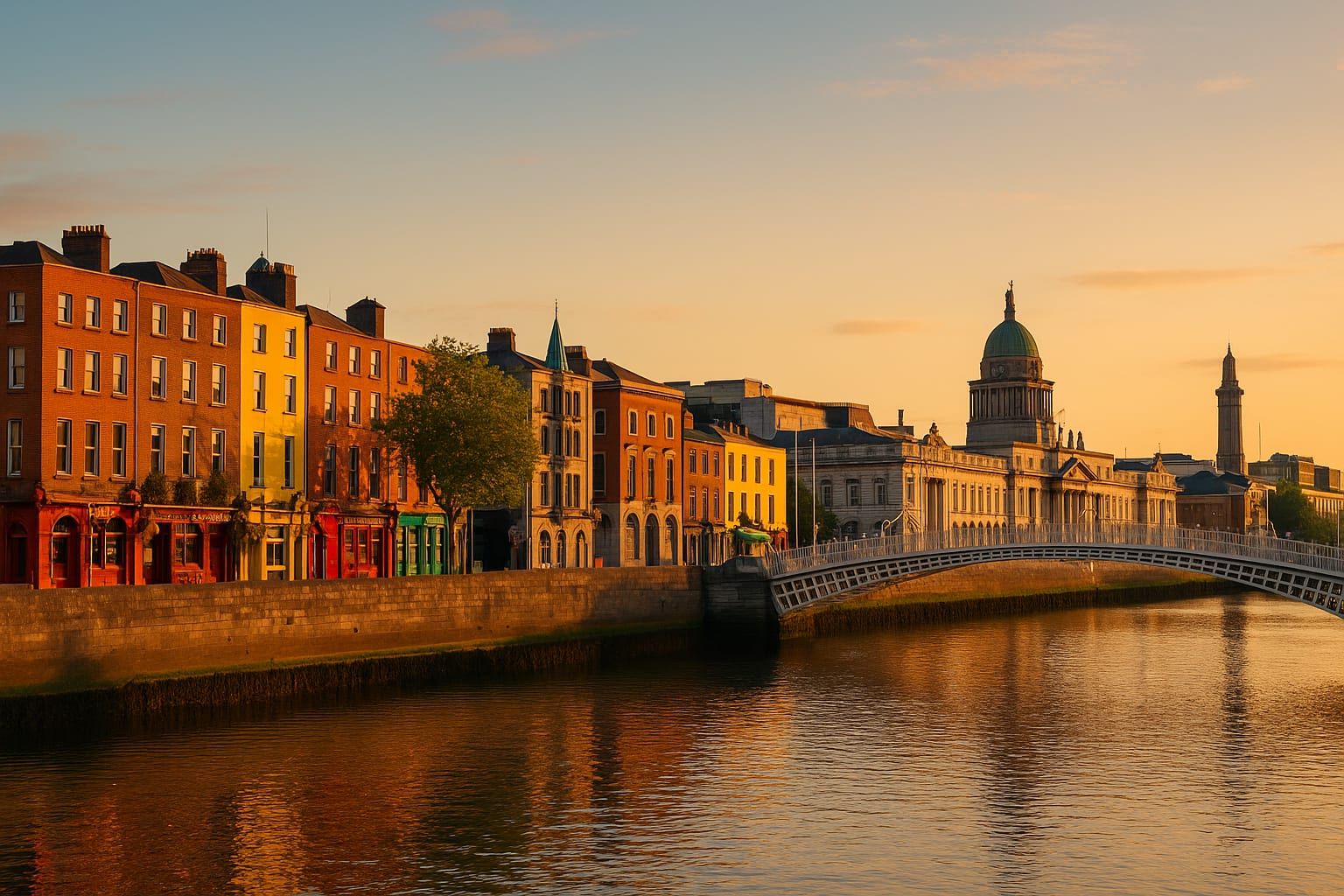
48 Hours in Dublin: Pubs, Literature & Georgian Beauty
Two days in Dublin: explore literary landmarks, lively pubs, and elegant Georgian squares. A relaxed, walkable 48-hour plan with local tips, transport notes and where to eat.
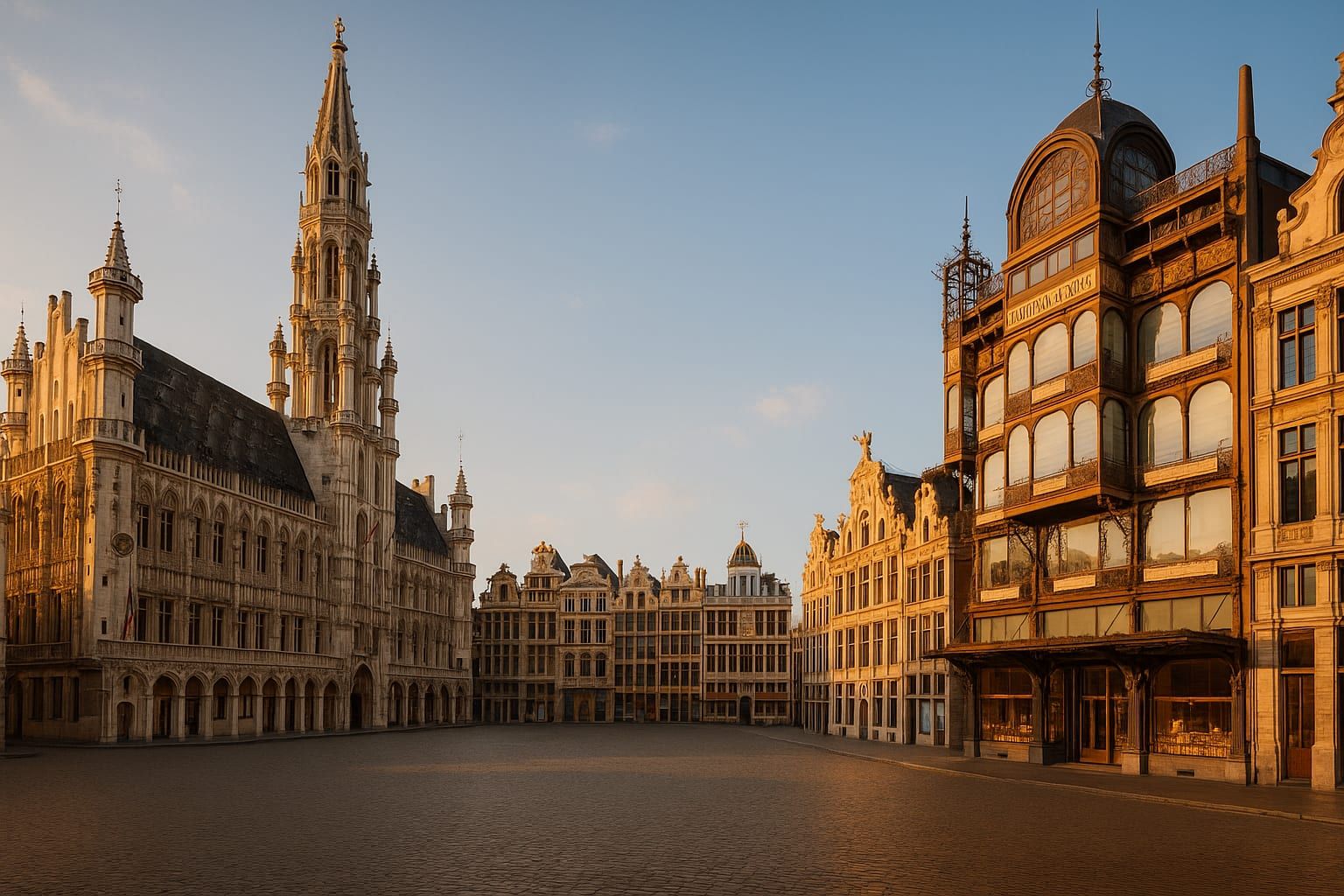
48 Hours in Brussels: Chocolate, Beer & Art Nouveau
Two days in Brussels: sample world-class chocolate, sip iconic Belgian beers and follow an Art Nouveau trail through elegant neighborhoods. A practical, walkable 48-hour plan.
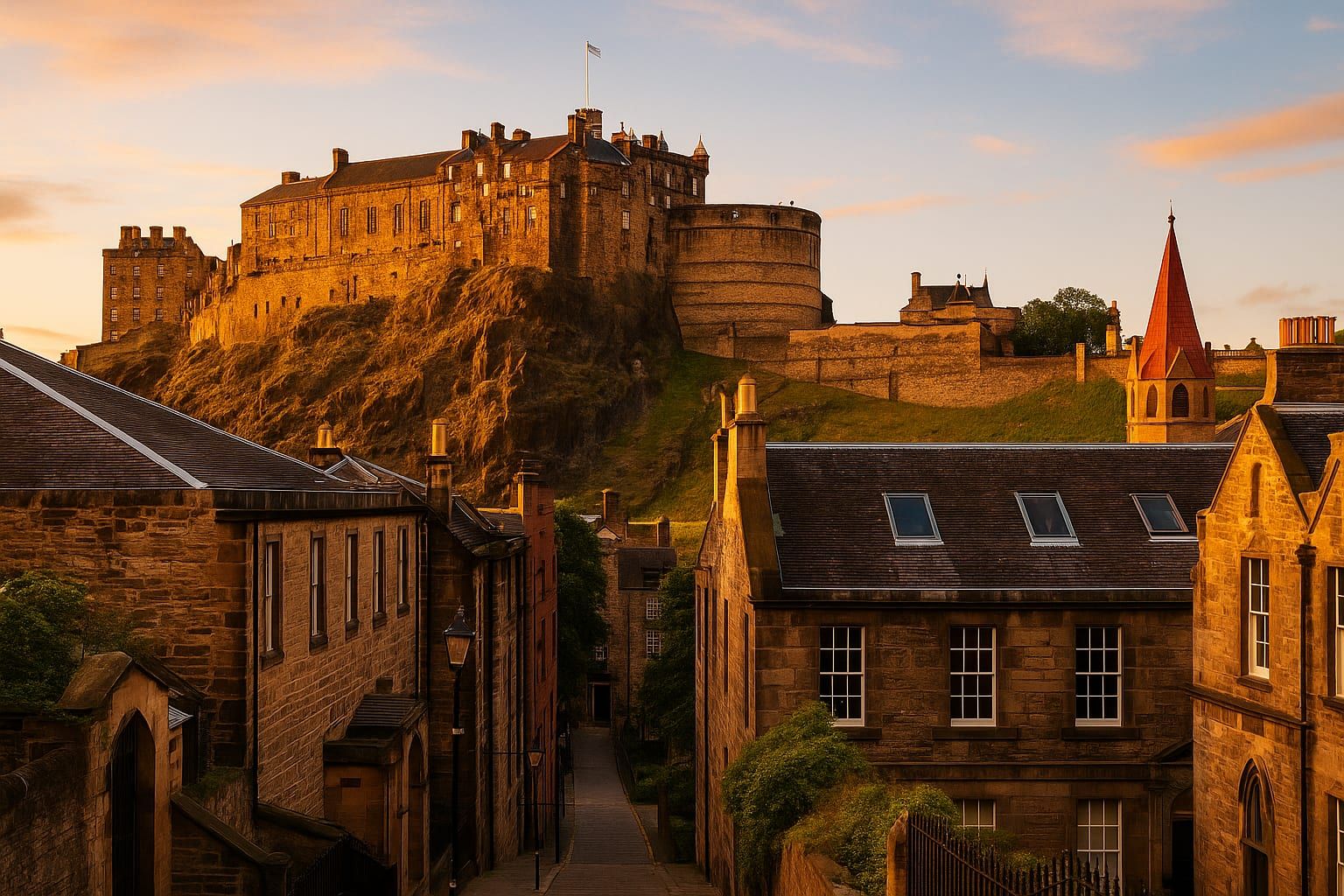
3 Days in Edinburgh: Castle, Closes & Whisky
A practical, three-day Edinburgh itinerary that balances the castle and Royal Mile with hidden closes, whisky tastings and local tips for an unforgettable city break.