
Tuscany Wine Guide: Chianti, Brunello & Super Tuscans
A practical, insider’s guide to the wines of Tuscany—Chianti, Brunello di Montalcino and the iconic Super Tuscans—with tasting notes, where to visit and local travel tips.
Tuscany Wine Guide: Chianti, Brunello & Super Tuscans
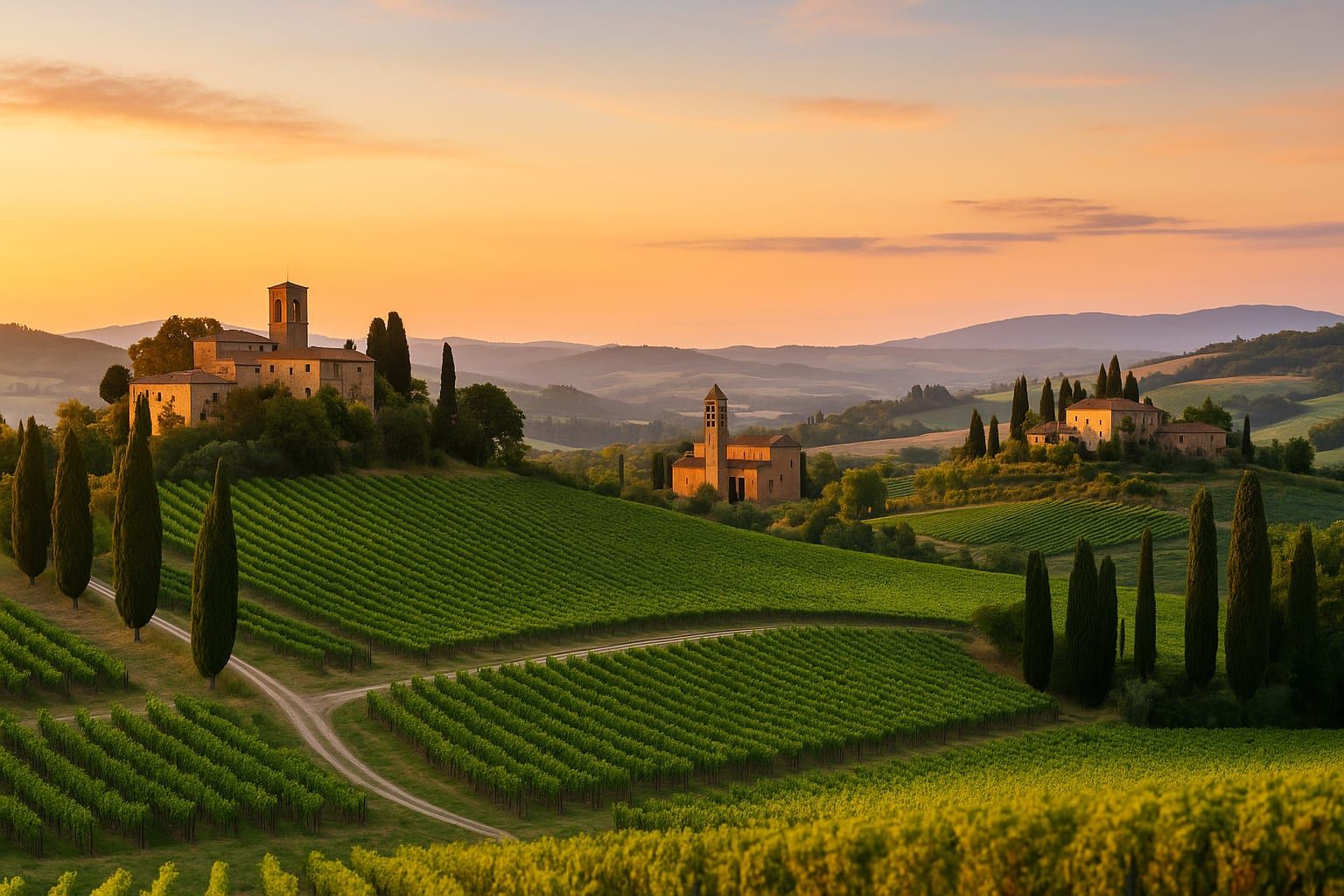
Tuscany is one of the world’s most romantic wine landscapes: rolling hills, cypress-lined lanes, medieval hill towns and centuries-old vineyards. But beyond the postcard views there's a complex wine culture shaped around one grape—Sangiovese—and a handful of regions that define Italian wine for many travelers. This guide explains Chianti, Brunello di Montalcino and Super Tuscans, plus how to taste, where to go and practical tips for making the most of a wine trip to Tuscany.
Why Tuscany matters
Tuscany’s wines combine history, terroir and innovation. Sangiovese, the region’s signature grape, adapts to different soils and climates, producing wines that can be fresh and food-friendly or age-worthy and powerful. The region’s reputation also rests on a willingness to experiment: in the 20th century winemakers created the “Super Tuscans” by blending international varieties and breaking with strict local rules—resulting in some of Italy’s most prestigious wines.
Overview of the main players
Chianti (and Chianti Classico)
- Region: Central Tuscany, between Florence and Siena, with the Chianti Classico heartland between Greve and Radda.
- Grapes: Predominantly Sangiovese, often blended with small amounts of local varieties (Canaiolo, Colorino) or international grapes in more modern styles.
- Style: Ranges from light, bright and rustic to more structured and oak-aged bottles. Classic Chianti shows red cherry, wild herbs, tomato leaf, bright acidity and savory earthiness.
- Labels to know: Look for the black rooster (Gallo Nero) on Chianti Classico bottles—an indication of the historic subregion.
Chianti can be affordable everyday wine or a serious collector’s bottle when from top producers and good vintages. The Chianti Classico zone (the historic core) generally produces the more refined examples and is an excellent area to explore by car.
Brunello di Montalcino
- Region: Around the medieval town of Montalcino, south of Siena.
- Grapes: Brunello is made from a local clone of Sangiovese (often called Brunello or Sangiovese Grosso) and is typically 100% Sangiovese.
- Style: Powerful, concentrated, and built to age. Expect dark cherry, dried herbs, leather, tobacco and earthy, savory notes as it evolves.
- Reputation: Brunello is among Italy’s most prestigious and age-worthy wines—often made in lower yields with long cellar-aging by producers.
A visit to Montalcino offers both impressive cellar doors and a dramatic hilltop town with sweeping views. You’ll find a range of producers—from small family estates to internationally known names.
Super Tuscans
- What they are: A group of high-quality wines that broke the traditional DOC/DOCG rules in the 1970s and 1980s by using international grapes (Cabernet Sauvignon, Merlot, Cabernet Franc) or unconventional blends and techniques.
- Style: Rich, concentrated, often Bordeaux-style blends with ripe black fruit, cassis, cedar and firm tannins; many are made to age beautifully.
- Famous names: Sassicaia, Tignanello, Ornellaia and Solaia are among the best-known.
- Classification: Many Super Tuscans originally had to use the generic IGT label; today they may also qualify for DOCs, but the label “Super Tuscan” persists as a marker of style and prestige.
Super Tuscans helped modernize Italian winemaking and put Tuscan reds on the global stage.
Tasting notes & food pairings
- Chianti: Bright acidity makes Chianti ideal with tomato-based dishes, grilled vegetables, roasted chicken and classic Tuscan fare like ribollita or bistecca alla fiorentina (T-bone steak).
- Brunello di Montalcino: Heavier dishes and slow-cooked meats shine—braised beef, game, rich ragùs and aged cheeses. Brunello’s structure and savory profile also work well with truffle dishes.
- Super Tuscans: Their ripe, tannic structure pairs well with grilled red meats, lamb, roasted game and intense cheeses. A Super Tuscan can stand up to barbecued flavors and rich sauces.
If you want to immerse in local food culture while learning to cook Tuscan classics, consider taking a cooking class in Florence or elsewhere—the hands-on experience deepens your appreciation of wine-and-food pairings. See options at /en/food-drink/cooking-classes-italy-florence-rome-beyond.
Where to go: wine roads and must-visit towns
- Chianti Classico (Greve, Panzano, Radda, Castellina): Follow the Strada del Vino Chianti Classico for scenic drives, family-run wineries and enoteche (wine bars). The Chianti hills are ideal for half- or full-day tastings from bases like Florence or Siena.
- Montalcino / Brunello: The town of Montalcino is compact and atmospheric. Reserve tastings ahead—many cellars require appointments. Combine with a meal in town and explore nearby Sant’Antimo Abbey.
- Bolgheri and the coast (Super Tuscans): The Maremma coast, especially Bolgheri, is home to many Super Tuscans. The seaside landscape and maritime climate produce distinctive ripe, polished wines.
Two practical routes: a day in Chianti Classico (stop in Greve for a piazza lunch, visit two wineries, end in Panzano for sunset) or a day trip from Siena to Montalcino with a winery visit and a leisurely lunch.
Booking tastings and tours: practical tips
- Appointments: Many smaller producers require advance booking—especially for detailed tastings or cellar tours. Weekends fill quickly during harvest (September–October).
- Timing: The best times to visit are spring (April–June) for mild weather and lush vineyards, and autumn (September–October) for harvest energy and cellar activity. Summer is busy and hot; winters are quieter and many smaller cellars reduce hours.
- Costs: Tastings may be free at larger estates or cost €10–€40 at boutique producers (often refundable with a bottle purchase). Expect higher prices for vertical tastings or private tours.
- Transportation: Renting a car gives freedom to explore scenic backroads, but never drive after drinking. Consider hiring a driver, joining a small-group tour, or arranging a private tasting with transportation.
Buying wine in Tuscany and bringing it home
- Buying at the cellar: You often get the best prices and access to library bottles at the winery. Many estates will ship internationally (ask about customs and fees).
- Shipping: Wineries commonly arrange shipping—this is easier than carrying multiple bottles on planes. If you do bring wine in your luggage, pack it securely and check customs limits for your destination.
- What to buy: If you prefer immediate drinking at home, choose a Chianti Classico or an entry-level Brunello from a recent vintage; for cellaring, look for well-rated Brunellos and classic Super Tuscans.
Local insights and etiquette
- Respecting the producer: Wineries are often family-run and proud of their work. Be punctual, polite and show interest—winemakers appreciate thoughtful questions.
- Photography: Most wineries are fine with photos of the landscape or tasting room, but ask before photographing people or the cellar.
- Language: English is widely spoken at larger estates; smaller producers may speak limited English. Learning a few Italian phrases—grazie, per favore, buon vino—goes a long way.
- Festivals and open cellar days: Events like “Cantine Aperte” and harvest festivities vary by year and location. If you plan travel around an event, check local winery calendars in advance.
How to taste like a local
- Look at the wine: Note color intensity and rim variation—older bottles will show garnet or brick at the edge.
- Smell: Take time to identify fruit, floral, herbal and oak-derived notes. With Sangiovese, look for cherry, dried herbs, leather and earthy scents.
- Taste: Pay attention to acidity, tannin and balance. Tuscany’s best wines balance bright acidity with ripe fruit and savory depth—perfect with food.
A simple exercise: taste a Chianti, a Brunello and a Super Tuscan side by side. Note how Sangiovese expresses itself differently across soils and winemaking choices.
Sample 3-day wine itinerary (based in Florence)
Day 1: Chianti Classico loop
- Morning: Drive to Greve in Chianti—walk the piazza, visit an enoteca.
- Afternoon: Tasting at a Chianti Classico estate (book ahead), then stop in Panzano for sunset and dinner at a trattoria.
Day 2: Montalcino & Brunello
- Early drive to Montalcino. Private tasting at a Brunello estate and lunch in town.
- Late afternoon: Visit a small biodynamic or family-run winery on the way back.
Day 3: Bolgheri / Super Tuscans (or a leisurely Bolgheri day trip)
- Drive west toward the coast and Bolgheri. Visit one or two producers and enjoy seafood nearby.
- Return to Florence or stay overnight on the coast.
If you prefer learning by doing, combine wine visits with local cooking experiences to fully appreciate pairing—see /en/food-drink/cooking-classes-italy-florence-rome-beyond for ideas.
Budgeting and wine etiquette
- Budget: A moderate wine trip with mid-range tastings and meals will be comfortable on €150–€250 per person per day (excluding transport). Luxury tastings and private tours increase costs.
- Tipping: Tipping is appreciated but not obligatory in wineries; a small tip for exceptional service or for guides is customary.
Vintages and cellaring advice
- Vintages vary across producer and microclimate. While many Tuscan wines are approachable young, Brunello and top Super Tuscans reward cellaring. If you plan to cellar bottles, ask the producer for their recommended drinking window.
Final tips for wine travelers
- Book tastings in advance—especially for Brunello and boutique producers.
- Consider a guided wine tour or private driver if you prefer not to drive after tastings.
- Dress comfortably—vineyards can be uneven and cellar temperatures cool.
- Pair wines with local food: enjoy the region’s specialties and finish with a gelato for a true Italian experience—discover the best scoops at /en/food-drink/best-gelato-italy-city-guide.
Tuscany’s wine regions offer a variety of experiences: rustic cellar tastings with multi-generational families, grand estates producing internationally acclaimed labels, and quiet roadside stops with a simple, excellent rosso and a slab of pecorino. Whether you’re a new wine lover or a seasoned collector, take time to explore the landscape, listen to the producers, and savor the food-and-wine culture that makes Tuscany unforgettable.
Salute—and buon viaggio!
Related
Keep Exploring
Best Wine Tours in Europe — Where to Book
A complete guide to Europe’s top wine-tour destinations, how to book the right tour, local tips, and trusted providers for tastings from Bordeaux to the Douro.
Wine Bars in Porto: Beyond the Port Houses
Discover Porto’s buzzing wine-bar scene beyond the port lodges: where to drink, what to taste, and local tips for exploring natural wines, Douro reds and Vinho Verde.
Champagne, France: Beyond the Bubbles
Explore Champagne beyond tastings: chalky vineyards, cellar caverns, village life in Reims and Épernay, hands-on blending, harvest rituals, gastronomy, and practical travel tips.