
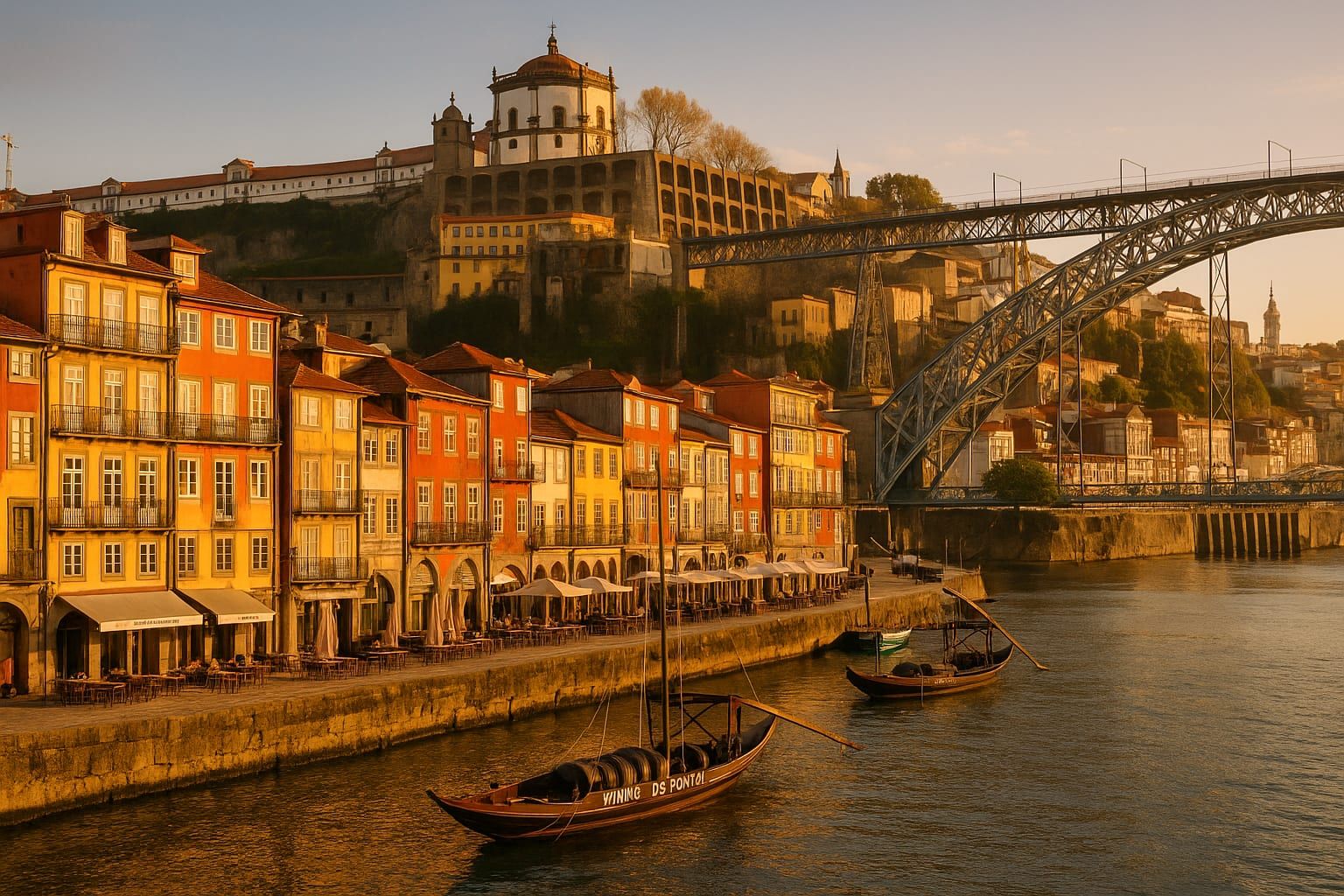
Discover Porto’s buzzing wine-bar scene beyond the port lodges: where to drink, what to taste, and local tips for exploring natural wines, Douro reds and Vinho Verde.
Wine Bars in Porto: Beyond the Port Houses
Porto’s name is synonymous with port wine, and a visit to the cellars along the Douro is a must. But step away from the riverside lodges and you’ll find a lively, creative wine-bar scene scattered across Ribeira, Baixa, Cedofeita and beyond. These intimate bars, often run by passionate sommeliers, focus on small producers, natural wines and regional bottles from the Douro, Minho and the Portuguese interior.
This guide shows you where to go, what to taste and how to make the most of Porto’s wine bars — whether you’re a serious oenophile or someone who simply enjoys a great glass and friendly local advice.
Why Porto’s wine bars matter
Port houses dominate the riverside and rightly celebrate centuries of fortified-wine tradition. But Porto’s independent wine bars are where modern Portuguese wine culture happens: they shine a light on fresh producers, reviving indigenous grapes and experimenting with low-intervention techniques. Here you’ll find:
- Glass-by-glass access to rare Douro reds, crisp Vinho Verde and expressive regional whites.
- Sommeliers who double as curators and shopkeepers — many bars sell bottles to take away.
- Natural and biodynamic selections alongside classic styles.
- Casual, food-friendly environments where locals meet after work.
Exploring these bars gives a broader picture of Portuguese wine beyond the fortified styles Porto is famous for. If you want a compact itinerary for wine and city highlights, pair an evening at a wine bar with ideas from our 48-hour Porto guide: /en/itineraries/48-hours-porto-wine-views-azulejos.
Where to go: top wine bars to try
Below are several standout spots that showcase the variety of Porto’s wine scene. They range from tiny tasting rooms to buzzy neighborhood bars.
Prova (Ribeira)
One of the oldest wine bars in Porto, Prova sits near the riverside with a relaxed, jazzy vibe. It’s a great introduction to the Portuguese classics — expect Douro reds and a solid selection of whites. The staff are welcoming and will pour flights if you want to taste broadly without committing to bottles.
Why go: historic feel, friendly service, easy location for evenings after exploring the Ribeira waterfront.
Wine Quay Bar (waterfront/Baixa)
Popular with visitors and locals, Wine Quay Bar offers a long list of Portuguese wines by the glass and simple pairings. It was one of Porto’s first wine bars and remains a reliable place for varied tastings.
Why go: extensive by-the-glass list, prime riverside atmosphere.
Dogma Wine Bar (Cedofeita / Miguel Bombarda area)
Dogma represents Porto’s adventurous side: expect natural wines, smaller producers and experimental bottlings. The vibe is modern and the staff are knowledgeable about minimal-intervention wines from Portugal and Iberia.
Why go: natural-wine focus and standout small-producer list.
Capela Incomum (Baixa)
Housed in a converted chapel, Capela Incomum offers a memorable setting with carefully chosen wines and a menu of petiscos (small plates) that bridge the gap between bar snacks and full meals.
Why go: beautiful space, excellent food pairing options.
Lado Wines (Central Porto)
Lado is a cozy, well-curated wine shop-bar with a rotating selection of Portuguese wines, often highlighting lesser-known producers. Staff can advise on by-the-glass pours or recommend bottles to buy and take home.
Why go: boutique selection and helpful staff.
A Cave do Bon Vivant (Baixa/Ribeira fringe)
A small, intimate wine house with an emphasis on artisanal cheeses and charcuterie. A great spot for an evening of lingering over a bottle.
Why go: cheese + wine pairings and relaxed atmosphere.
Gota a Gota Wine House (various)
A friendly neighborhood wine bar offering regional selections and a down-to-earth vibe. Ideal if you’re looking for an unpretentious local experience.
Why go: local crowd, approachable prices.
Note: This is not an exhaustive list. Porto’s scene evolves quickly — new spots pop up, and established bars refresh their lists often. For a wider context on Portuguese wine regions that influence Porto’s wine bars, see our Douro Valley guide: /en/wine-vineyards/douro-valley-port-wine-stunning-terraces.
What to taste in Porto’s wine bars
Portuguese wine is wonderfully diverse. Here are the styles and grapes to look for when ordering.
Start with the whites
- Vinho Verde (Minho region): light, bright and often slightly effervescent. Varieties like Alvarinho (Albarino) deliver citrus and stone-fruit freshness — perfect with seafood.
- Douro whites: richer and often aged in oak; look for Rabigato, Viosinho and Códega.
Move to rosés and lighter reds
- Rosés can be lively and dry — a summer staple.
- Lighter reds from the Dao or Vinho Verde's red blends showcase cherries and floral notes.
Finish with full-bodied reds
- Douro reds: Touriga Nacional, Tinta Roriz and Touriga Franca form the backbone of Portugal’s finest full-bodied wines.
- Look for single-vineyard or small-producer Douros for unique expressions.
Sample ports with restraint
Many wine bars offer small portions of tawny or vintage port to taste. Enjoy these as a finish, not the main event — the bars here are about showing modern Portugal beyond fortified styles.
Pairings and food at wine bars
Most wine bars in Porto serve petiscos — Portuguese-style small plates. Pairing tips:
- Vinho Verde with shellfish, octopus or grilled sardines.
- Fresh whites with cheese tábua (cheese boards) or mild goat cheese.
- Lighter reds with charcuterie and cured ham (presunto).
- Douro reds with hearty stews, strong cheeses or grilled meats.
Many bars sell artisanal Portuguese cheeses, cured meats and small plates designed to showcase specific wines. If you’re hungry, ask for the chef’s pairing or a tasting board to sample a few wines alongside bites.
Practical tips for visiting wine bars in Porto
When to go
- Evenings are busiest (8–11pm), especially on weekends. Arrive earlier for a quieter experience and easier seating.
- Late afternoons (5–7pm) are great for sampling by-the-glass before dinner.
Reservations and walk-ins
- Small wine bars often have limited seating; reserve if possible. For walk-ins, be flexible about timing.
Prices and pours
- Expect glass prices to range from about €3–€8 for everyday wines and €8–€15 for rarer pours (prices vary widely with quality and location).
- Typical glasses are offered in 125ml or 175ml pours; tasting flights are common and cost-effective for trying multiple wines.
Language and local etiquette
- English is widely spoken in wine bars in central Porto; simple Portuguese phrases go a long way. Try “um copo de vinho branco, por favor” (a glass of white wine, please).
- Tipping is appreciated but not required — rounding up or leaving 5–10% for exceptional service is common.
Payment and takeaway
- Most wine bars accept cards, but smaller spots may prefer cash. Check before you order.
- Buying a bottle to take away is common; many bars will offer a discounted price compared with the glass list.
Getting around
- Porto is compact and walkable in the historic center. For further neighborhoods like Foz do Douro, trams and buses are convenient. Use taxis or ride-hailing if you plan to drink heavily.
Responsible drinking
- Portuguese pours can be generous. Pace yourself, hydrate, and combine wine tasting with food. Plan transportation ahead of time if you’re sampling multiple bars.
Local insights and etiquette from Porto’s wine pros
- Ask for recommendations by food: Portuguese sommeliers love pairing wines with petiscos rather than formal pairings; let them pick a wine to match what you order.
- Seek out small-producer Douros labelled as “field blends” or single-vineyard bottles for distinctive terroir-driven wines.
- Natural wine is a vibrant subscene in Porto. If you’re curious, ask which bars list low-intervention producers — they’ll often serve quirky, ageworthy bottles not found elsewhere.
- Many bars also act as wine shops. Buying a bottle takes the experience home and supports the producers directly.
Sample one-evening Porto wine-bar crawl
- 18:00 — Start with an early glass of Vinho Verde at Lado Wines and pick up a cheese plate.
- 19:30 — Walk to Capela Incomum for a tasting flight and small plates in the chapel setting.
- 21:00 — Finish at Dogma Wine Bar for natural wines and a relaxed late-night vibe.
This route lets you taste a range of styles and see different neighborhoods while keeping the evening manageable.
Safety, budgets and buying bottles to take home
- Budget: A comfortable evening with two glasses and shared plates will cost around €20–€40 per person in most independent bars; splurges can push higher.
- Buying bottles: Many bars offer take-away prices and can ship internationally in some cases. Ask the staff about corkage if you purchase elsewhere and want to drink in-house.
- Safety: Porto is a safe city but always watch personal items in crowded areas and use licensed taxis late at night.
Final notes: exploring Porto’s wine culture beyond the glass
Porto’s wine bars are not only places to drink — they’re hubs for discovery. The city is an excellent base for exploring the Douro valley’s terraced vineyards and learning how the grapes in those landscapes translate into both unfortified table wines and the fortified ports that made the region famous. If you have time for a day trip, check out the Douro Valley guide to pair a tasting in the vineyards with your bar discoveries: /en/wine-vineyards/douro-valley-port-wine-stunning-terraces.
And if you’re pairing food and wine across Porto, our Porto food guide offers great local dishes to match with the bottles you’ll find in the bars: /en/local-culture/porto-food-guide-traditional-portuguese-cuisine.
Explore with curiosity, ask lots of questions, and don’t be afraid to request a small taste before committing to a glass. Porto’s wine bars are enthusiastic teachers — and they love seeing visitors discover the many expressions of Portuguese wine beyond the port houses.
Keep Exploring
Best Wine Tours in Europe — Where to Book
A complete guide to Europe’s top wine-tour destinations, how to book the right tour, local tips, and trusted providers for tastings from Bordeaux to the Douro.
Tuscany Wine Guide: Chianti, Brunello & Super Tuscans
A practical, insider’s guide to the wines of Tuscany—Chianti, Brunello di Montalcino and the iconic Super Tuscans—with tasting notes, where to visit and local travel tips.

Champagne, France: Beyond the Bubbles
Explore Champagne beyond tastings: chalky vineyards, cellar caverns, village life in Reims and Épernay, hands-on blending, harvest rituals, gastronomy, and practical travel tips.