
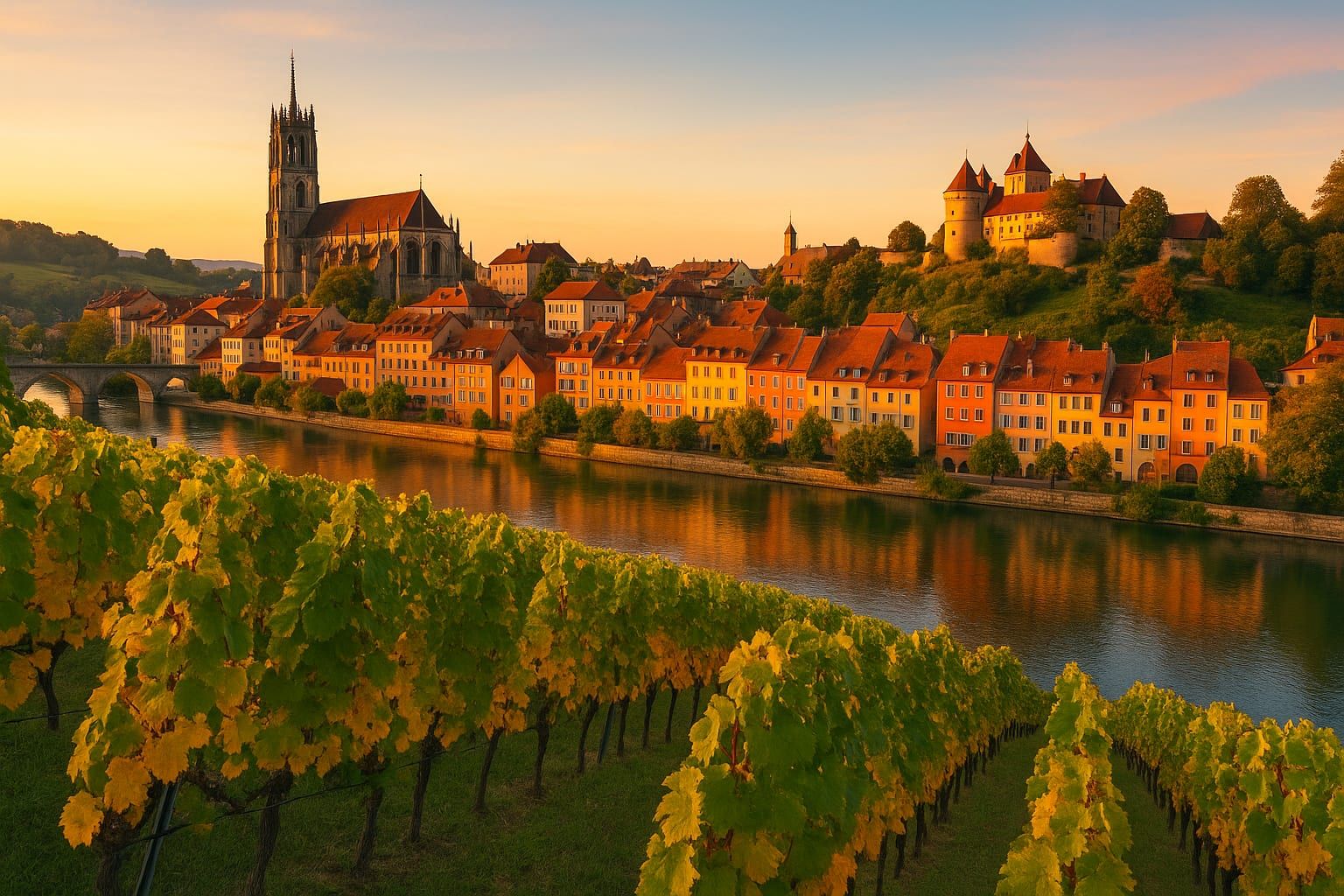
Best Wine Tours in Europe — Where to Book
A complete guide to Europe’s top wine-tour destinations, how to book the right tour, local tips, and trusted providers for tastings from Bordeaux to the Douro.
Best Wine Tours in Europe — Where to Book
Europe is the birthplace of many of the world's great wines — and it remains the best place to pair stunning landscapes with cellar-door discoveries. Whether you dream of tasting Brunello among Tuscan hills, Riesling on Mosel terraces, or port in riverside Douro quintas, this guide helps you choose the best wine tours, where to book them, what to expect, and how to get the most from your tasting travels.
Why book a wine tour?
Guided wine tours save time, unlock behind-the-scenes access, and deepen your appreciation of local varieties, terroir and winemaking techniques. A good tour gives context — vintages, grape types, food-pairing ideas — and often includes cellar visits, vineyard walks, and local meals. For solo travelers or small groups unfamiliar with a region, tours also handle logistics: transport, appointments and language barriers.
Top wine regions to tour (and what makes them special)
Bordeaux, France — Classic chateaux and structured reds
Bordeaux is synonymous with grand estates and classified growths. Tours here range from half-day tastings at family-run châteaux to full-day trips through the Médoc or Saint-Émilion with private guides. If you're planning a visit, combine tastings with a stroll through Bordeaux’s elegant city center or consult a deep-dive resource like our Wine Tasting in Bordeaux guide for timing and recommendations: /en/food-drink/wine-tasting-bordeaux-complete-guide.
Best for: Cabernet/Merlot lovers, winery architecture, historic estates.
When to go: May–September for vineyard walks; harvest (Sept/Oct) for a busy, atmospheric experience.
Tuscany, Italy — Sunlit vineyards and Sangiovese classics
Chianti, Montalcino and Montepulciano offer rolling hills, medieval villages, and some of Italy’s most celebrated reds (Brunello, Chianti Classico). Tuscany is ideal for multi-day wine itineraries that pair cellar visits with cooking classes and agriturismo stays. For planning a trip focused on Tuscan wines, see our Tuscany Wine Guide: /en/wine-vineyards/tuscany-wine-guide-chianti-brunello-super-tuscans.
Best for: Food and wine pairings, scenic drives, agriturismo overnight stays.
When to go: Spring and autumn for mild weather and fewer crowds; harvest for a lively, hands-on feel.
Douro Valley & Porto, Portugal — Terraced vineyards and fortified wine
The Douro Valley’s steep terraces produce Portugal’s fortified port and expressive table wines. Tours from Porto often include a river cruise, a visit to a quinta, and a tasting of different port styles. Pair a day trip with a stay in Porto — and read our Douro Valley guide to learn more about terraces and tasting spots: /en/wine-vineyards/douro-valley-port-wine-stunning-terraces.
Best for: Dramatic scenery, port tastings, river cruises.
When to go: Spring or late summer; harvest in September can be very busy.
Rioja & Priorat, Spain — Bodegas and bold reds
Spain’s Rioja blends traditional oak-aged styles with modern, fruit-forward wines. Priorat (Catalonia) is famous for powerful reds grown on slate soils. Many bodegas welcome visitors for tastings, while some offer vineyard walks and cellar tours accompanied by tapas or full meals.
Best for: Tempranillo and GSM blends, tapas pairings.
When to go: Year-round; spring and fall for best weather.
Mosel, Germany — Steep Riesling vineyards
Mosel’s narrow valley and steep slate slopes produce elegant Rieslings with distinct minerality. Tours typically include small, family-run wineries and often require appointments. Tastings here are intimate and educational.
Best for: Riesling lovers, dramatic vineyards, small-producer visits.
When to go: Late spring through early autumn. Harvest can be dramatic but busy.
Champagne & Alsace, France — Bubbles and aromatic whites
In Champagne, many big houses run visitor centres but smaller growers provide intimate tastings by appointment. Alsace offers aromatic whites (Riesling, Gewürztraminer) and charming villages — ideal for self-drive wine routes.
Best for: Sparkling wine experiences, cellar tours, scenic wine roads.
When to go: Spring and fall for mild weather; winter off-season often has lower prices.
Emerging and underrated regions
- Slovenia: compact, family-run estates and high-quality whites and reds; a great off-the-beaten-track wine week. (See our Slovenia itinerary for pairing wine with nature: /en/itineraries/one-week-in-slovenia-mountains-caves-coast).
- Hungary’s Tokaj for sweet wines.
- Greece’s Santorini for Assyrtiko and volcanic terroir.
Best for: Travelers seeking smaller producers, new discoveries, and lower prices.
Types of wine tours and how to choose
- Short & sweet (2–4 hours): Great for a city-base day trip. Expect 3–6 tastings plus a cellar visit. Ideal when you have limited time.
- Full-day tours: Visit multiple estates with lunch included. Best for tasting range and seeing the landscape.
- Multi-day and luxury tours: Private guides, boutique hotels, exclusive tastings and sometimes blending sessions.
- Self-drive: Flexibility to visit small producers but requires a designated driver or sober transport planning.
- Cycling & walking tours: Eco-friendly, intimate and active ways to explore vineyards.
Choose based on: time, budget, interest level, and whether you prefer structured learning or relaxed exploration.
Where to book: trusted platforms and direct bookings
- WineTourism.com — excellent for region-specific experiences and direct winery listings.
- Viator and GetYourGuide — large inventories, user reviews, easy booking and cancellation.
- TripAdvisor Experiences — helpful for comparing popular tours and reading traveler feedback.
- Specialist operators (Grape Escapes, local boutique companies) — best for curated multi-day itineraries and luxury options.
- Directly with wineries — ideal for small producers; phone or email ahead, especially in Champagne, Mosel, and family-run estates.
- Local tourist offices — can arrange last-minute visits and recommend smaller names not listed on global platforms.
Booking tips:
- Book high-season tours 4–8 weeks in advance; for harvest and weekends book earlier.
- Ask if guided tasting notes or local food are included.
- For small wineries, email in the winery’s language when possible, or ask your hotel to call.
Price expectations
- Half-day group tours: €40–€120 per person.
- Full-day group tours with lunch: €100–€220.
- Private or bespoke tours: €250+ (per person or per group, depends on inclusions).
- Multi-day luxury wine tours: €1,200+ depending on hotels, private tastings and transport.
Often prices cover tastings, transportation and a light meal; always check what’s included and whether gratuities apply.
Practical tips & local insights
Make appointments where required
Many smaller producers (Champagne growers, Mosel winemakers, family estates across Europe) require reservations. Walk-ins are sometimes accepted at larger houses but not guaranteed.
Think about transport and safety
Designate a driver, book a guided tour, or choose cycling/walking options. Public transport can be limited in rural regions. In the Douro and Porto, riverboats and trains are common alternatives.
Expect cellar temperatures
Cellars and caves are cool year-round — bring a light layer even in summer.
Tasting etiquette
Swirl (if you like), smell, sip, and ask questions. Spitting is normal at trade tastings and for serious tasting sessions; on leisure tours you may prefer to sip.
Food and pairings
Many tours include local cheeses, charcuterie or a full meal. Try regional pairings: Tuscan pecorino with Chianti, Porto with blue cheese or pastéis de nata, Rioja with jamón.
Harvest considerations
Harvest season (generally Sept–Oct in much of Europe) is lively and educational but busier and often more expensive. If you want a quieter experience, travel in shoulder months (April–June or September off-peak).
Look for sustainable and organic options
If sustainability matters to you, ask whether the winery practices organic, biodynamic or low-intervention viticulture, and whether the tour operator prioritizes low-emission transport.
Sample itineraries
Weekend in Bordeaux (2 days)
Day 1: Morning chateau visit in Médoc, lunch in Pauillac, afternoon in a Saint-Émilion estate. Day 2: Explore Bordeaux city wine bars and a tasting at a négociant house.
3-day Tuscany loop
Day 1: Florence to Chianti — winery lunch and cellar visit. Day 2: Montalcino for Brunello tastings and village dinner. Day 3: Montepulciano or Val d’Orcia for scenic vineyard hikes.
Day trip from Porto to Douro
Train or driver to a quinta, vineyard walk, boat cruise and port tasting back in Vila Nova de Gaia.
What to pack
- A light jacket or shawl (cellars can be cool).
- Comfortable shoes for vineyard terrain.
- Notebook for tasting notes or use a tasting app.
- Water bottle and snacks if you’re doing self-guided exploration.
- Copies of booking confirmations and directions (cell service may be patchy in some valleys).
How to get the best value
- Combine tours with local meals rather than separate restaurant bills.
- Book multi-winery tours to sample different styles in one day.
- Consider shoulder seasons for lower prices and fewer crowds.
- Buy directly at wineries for smaller, region-only bottlings and better prices.
Responsible wine tourism
Respect vineyard property, follow tasting room rules, don’t pressure staff for discounts, and drink responsibly. Support small producers and ask about their farming practices if sustainability is important to you.
Final recommendations — quick picks for first-timers
- If you love structure and history: Bordeaux châteaux tour.
- If you want Italian ambiance and food: Tuscany wine roads and agriturismo stays. See our Tuscany Wine Guide for deeper planning: /en/wine-vineyards/tuscany-wine-guide-chianti-brunello-super-tuscans.
- If you want dramatic river scenery: Douro valley day tours from Porto: /en/wine-vineyards/douro-valley-port-wine-stunning-terraces.
Final tips before you go
Confirm pickups, know cancellation policies, and tell the operator about dietary restrictions. Learn a few local wine terms (bodega, quinta, chateau, cantina) — it makes conversations more fun. Above all, balance planned tastings with time to simply enjoy the countryside, restaurants, and the small discoveries that make European wine travel unforgettable.
Cheers — and happy touring!
Related

Keep Exploring
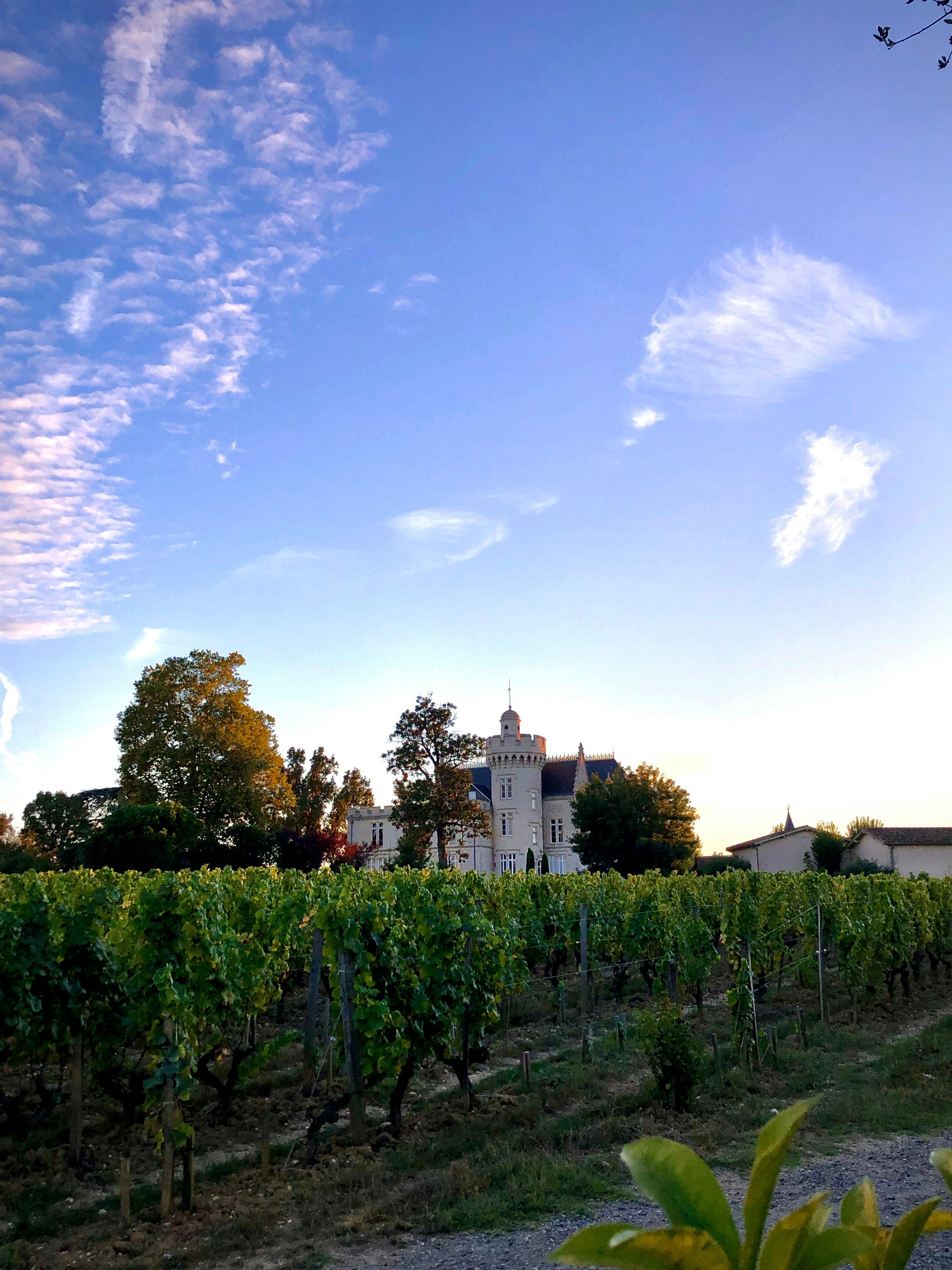
Wine Tourism in France: Bordeaux, Burgundy, Champagne
Plan a France wine trip across Bordeaux, Burgundy and Champagne — UNESCO sites, named châteaux and grandes maisons, TGV fares, and tasting prices from €25 to €300.
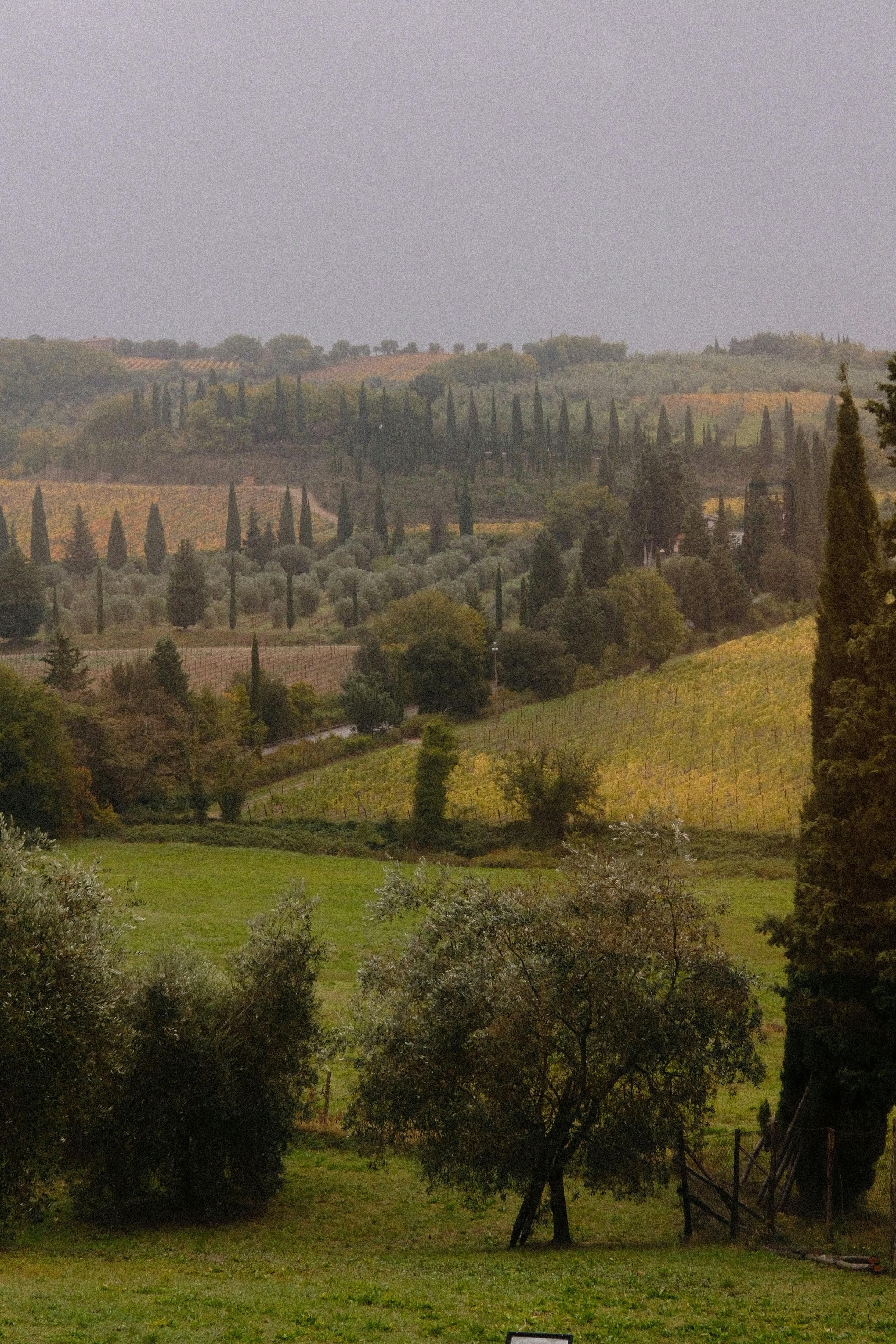
Wine Regions of Italy: Tuscany, Piedmont, Sicily, Veneto
Italy's four great wine regions in one guide — Tuscany's Chianti and Brunello, Piedmont's Barolo, Sicily's Etna and Marsala, Veneto's Amarone and Prosecco. EUR prices, named producers, train fares.
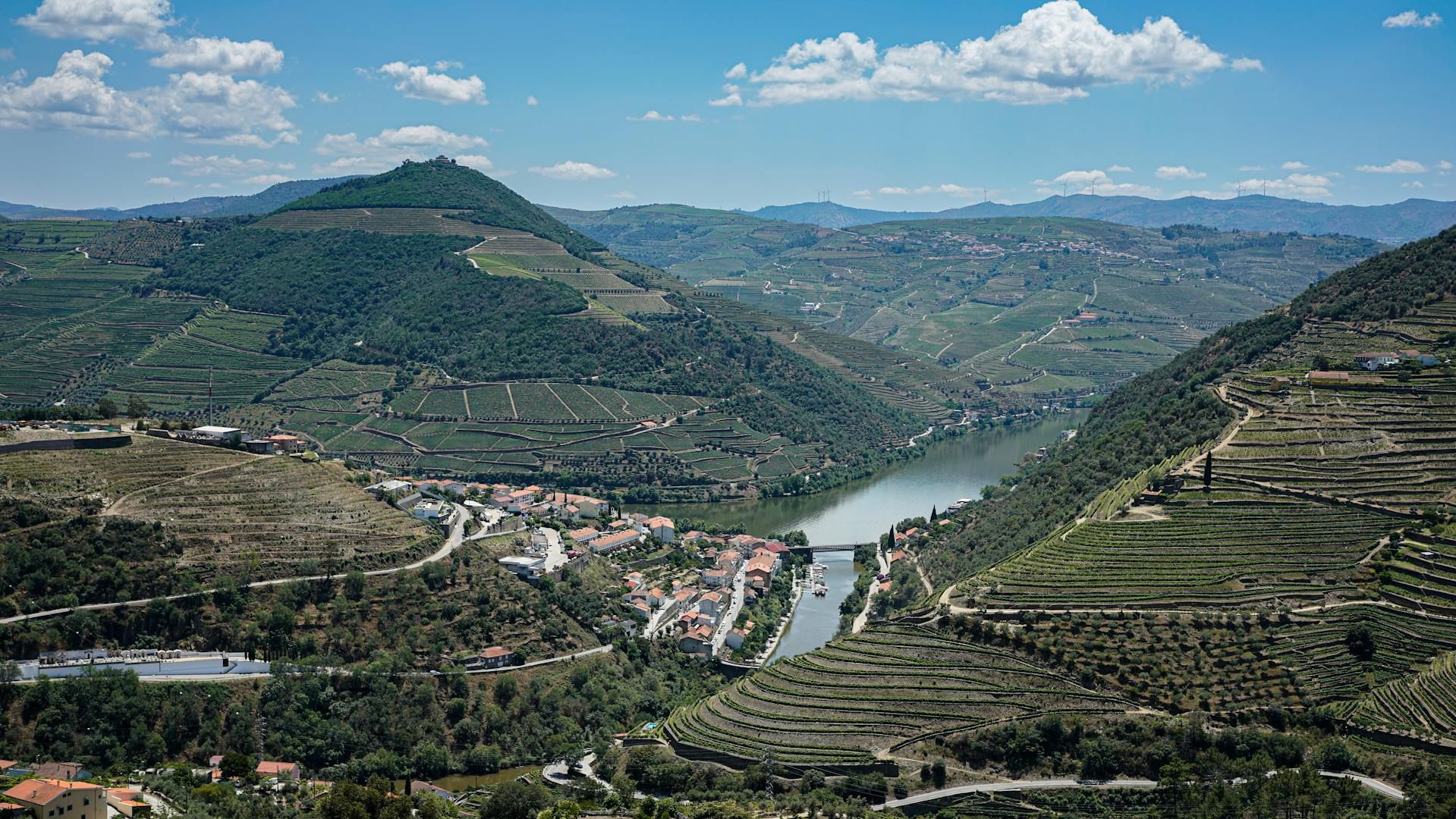
Wine Tourism in Portugal: Douro, Vinho Verde, Alentejo
Discover Portugal's three great wine regions — UNESCO Douro Valley, crisp Vinho Verde, and Alentejo's clay-amphora tradition. Tasting prices, train fares, named wineries open for visits.