
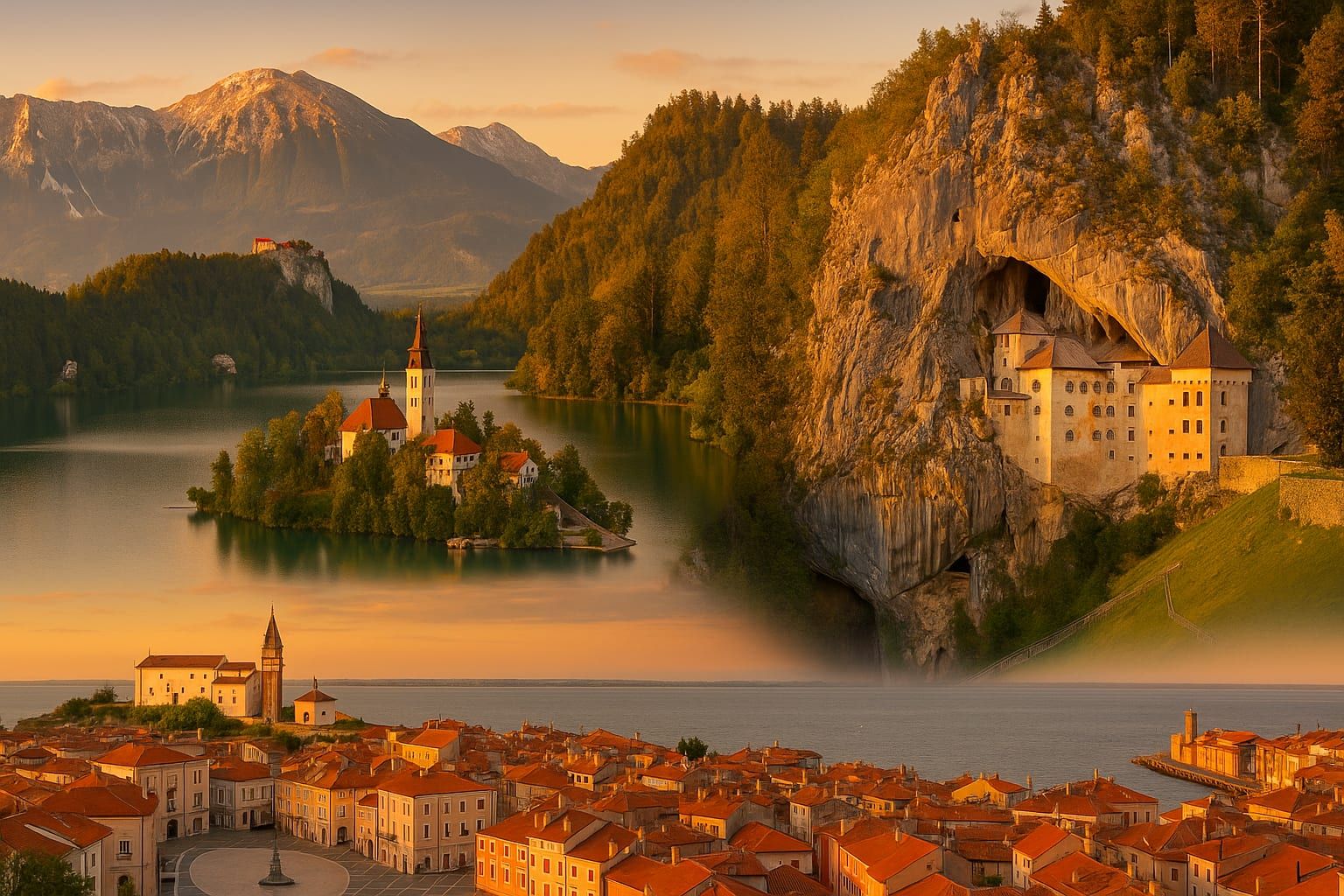
From Lake Bled and the Triglav Alps to Postojna and the emerald Soča river, this 7-day Slovenia itinerary blends hiking, cave adventures and Adriatic charm with practical tips.
One Week in Slovenia: Mountains, Caves & Coast
Slovenia squeezes mountains, karst caves and a short but stunning Adriatic coastline into an area the size of New Jersey. In seven days you can taste that variety — alpine lakes and hikes in the Julian Alps, subterranean wonderlands in the Karst, and Venetian-flavored towns on the Slovenian coast. This itinerary is balanced, practical and flexible whether you rent a car or rely on public transport.
Quick snapshot: Why Slovenia in 7 days?
- Compact travel times — most drives under 2.5 hours.
- Diverse highlights: Lake Bled, Triglav National Park, Postojna/Škocjan caves, Soča Valley and Piran.
- Easy to combine outdoor adventures and relaxed seaside time.
Practical essentials before you go
- Currency: Euro.
- Language: Slovene (most people in tourism speak English).
- Best seasons: May–September for hiking and coast; late June–early September busiest. Spring and early autumn are ideal for fewer crowds.
- Driving: Renting a car is recommended for flexibility in the mountains and coast (watch narrow roads in the Alps). Slovenia uses motorways with vignette requirement — buy at the border or online.
- Public transport: Good between major towns (Ljubljana–Bled–Postojna–Piran) but buses are sometimes faster than trains for mountain and coastal legs.
- Safety: Very safe. Standard EU emergency number 112.
- Tipping: Modest (5–10%) appreciated but not required.
Suggested 7-day itinerary overview
- Day 1: Ljubljana — arrival, old town & castle
- Day 2: Lake Bled — island, castle, kremšnita
- Day 3: Vintgar Gorge, drive into Triglav/Bohinj
- Day 4: Soca Valley (Bovec) — rafting and viewpoints
- Day 5: Postojna Cave + Predjama Castle (or Škocjan Caves)
- Day 6: Drive to the Slovenian coast — Piran & Portorož
- Day 7: Coastal morning, return to Ljubljana (or onward travel)
Below is a day-by-day plan with alternatives and local tips.
Day 1 — Ljubljana: Start slow, soak up the capital
Fly into Ljubljana Jože Pučnik Airport or arrive by train/bus. Ljubljana is a compact, walkable capital with lively cafés and a photogenic old town.
What to do:
- Wander the old town: Triple Bridge (Tromostovje), Preseren Square, riverfront cafés.
- Ljubljana Castle: short funicular ride and great city views.
- Evening: sample Slovenian tapas (small plates) or try local wine from the Primorska region.
Local tip: Visit the Central Market on Vodnikova cesta for artisanal food and friendly stalls. If you want a deeper Ljubljana plan, see our guide: 3 Days in Ljubljana.
Where to stay: Central old town for walking access or a riverside hotel for atmosphere.
Day 2 — Lake Bled: Iconic lake, island and views
Drive ~45 minutes from Ljubljana to Bled. It’s a short, must-do detour.
Highlights:
- Row to Bled Island by pletna (traditional wooden boat) or rent a rowboat.
- Hike up to Bled Castle for panoramic views and museum exhibits.
- Try the famous kremšnita (Bled cream slice) at a lakeside café.
Optional: Early-morning sunrise walk or swim in warmer months. For dramatic photography, walk the shore to Mala Osojnica viewpoint.
Where to stay: Bled village or nearby Bohinj for quieter nights.
Local insight: Bled can be crowded midday. Early mornings or late afternoons offer quieter, softer light.
Day 3 — Bohinj & the Julian Alps: Alpine lakes and gorges
Drive 20–30 minutes to Lake Bohinj and Triglav National Park. Bohinj is less touristy than Bled and offers more authentic alpine nature.
Top activities:
- Vogel cable car (seasonal) for panoramic hikes and alpine meadows.
- Walk the Bohinj lakeshore or do the Savica waterfall trail.
- Vintgar Gorge (near Bled): a 1.6 km wooden walkway through a dramatic gorge — book tickets in high season.
Hiking note: Trails range from easy lakeside strolls to multi-day hikes. If you’re an experienced mountaineer, a Triglav summit attempt requires planning and typically more than a day.
Alternative: If you prefer culture over high-hard hikes, take a relaxed day exploring local alpine farms or go horseback riding.
Day 4 — Soča Valley (Bovec): Emerald waters and adrenaline
Drive ~1.5–2 hours from Bohinj to the Soča Valley. The Soča River’s vivid turquoise is one of Slovenia’s most photographed natural features.
Must-dos:
- White-water rafting or kayaking on the Soča (book in advance in summer).
- Visit Kluže (Fort Hermann) and historical WWI sites.
- Hike to viewpoints like the Kozjak waterfall trail or Tolmin Gorge for dramatic rock formations.
Local tips:
- Bovec is the adventure hub — many operators will arrange multi-activity days (rafting + canyoning + zipline).
- If you prefer quieter spots, drive up to the villages of Kobarid or Soča for scenic hikes and excellent local fish restaurants.
Day 5 — Karst caves: Postojna and Predjama or Škocjan Caves
Head south toward the Karst region (approx. 2–2.5 hours from Bovec). Here the underground landscape steals the show.
Options:
- Postojna Cave + Predjama Castle: Postojna is a dramatic show-cave visited by an electric train; nearby Predjama Castle is a medieval fortress built into a cliff. Postojna is tourist-friendly with frequent tours.
- Škocjan Caves: A UNESCO site and more raw/less commercial than Postojna — the cavernous underground river and massive chambers are unforgettable. Book ahead; tours fill up in summer.
Which to choose: If you have time, both are possible. If you must pick one, Škocjan offers a wilder experience; Postojna is easier to access and pairs nicely with Predjama Castle.
Practical: Wear comfortable shoes (cave floors can be slippery) and bring a light layer — caves are cool year-round (~10°C/50°F).
Day 6 — Slovenian Coast: Piran, Portorož & seaside serenity
Drive ~1–1.5 hours from the Karst caves to the coast. Slovenia’s coastline is short (around 46 km) but charming and heavily Venetian-influenced.
Where to go:
- Piran: A photogenic medieval town on a peninsula with narrow lanes, Tartini Square and salty sea air. Climb the bell tower of St. George’s Church for sweeping views.
- Portorož: Nearby seaside resort with beaches, spas and nightlife.
- Izola & Koper: Smaller, working coastal towns with local fish markets and historic centers.
Local dining: Seafood is fresh and local — try brodet (fish stew) or grilled scampi. Pair with wines from the nearby Karst and Vipava valley; learn more about Slovenian wine regions here: Slovenian Wine Regions.
Where to stay: Piran for medieval charm; Portorož for resort comforts.
Local insight: Piran gets busy midday — linger in a café in the evening when tour groups leave and the sea breeze cools the stone streets.
Day 7 — Coast to city: Morning in Piran, return to Ljubljana
Spend a relaxed morning on the coast — sunrise on the walls of Piran is magical. Drive back to Ljubljana (1.5–2 hours) for a last meal or catch your onward transport.
If you have extra time: stop in Koper for a quick visit, or detour through the Karst vineyards for a tasting.
Alternative rhythms and add-ons
- Swap a coastal night for an extra day in the Soča Valley if you crave more outdoor activities.
- Extend in Bohinj for multi-day hiking in Triglav National Park.
- If you prefer shorter drives, use Ljubljana as a base and take day trips to Bled, Postojna and the coast by bus or organized tours.
Packing list & practical tips
Essentials:
- Good walking shoes / lightweight hiking boots for trails and uneven cave floors.
- Layered clothing and a lightweight waterproof jacket — mountain weather changes fast.
- Swimwear for Bohinj or the Adriatic, and a quick-dry towel.
- Power adapter (Type F/E outlets), photocopies of passport, travel insurance.
Tech & booking tips:
- High season (July–Aug): book accommodations and cave tours early.
- Mobile coverage: excellent; offline maps helpful in mountain areas.
- Car vignette: If you plan to use Slovenian motorways extensively, buy a vignette at the border, petrol stations or online.
Food & drink:
- Try local dishes: kremšnita (Bled cream cake), jota (stew), idrija žlikrofi (dumplings) and fresh Adriatic seafood.
- Slovenian wines (rebula, teran, merlot blends) are regionally distinctive — Primorska and Podravje regions are especially good.
Money & etiquette:
- Restaurants accept cards widely, but small towns may prefer cash for markets and rural vendors.
- Slovenians are polite and reserved; a few Slovenian phrases (Hvala = thank you; Dober dan = good day) go a long way.
Local insights from seasoned travelers
- Early starts beat crowds: Vintgar, Bled island and cave entrances are far quieter at first light.
- Agritourism stays (turistična kmetija) in the Karst or countryside offer home-cooked food and a peaceful base.
- Combine culture and nature: Kobarid’s WWI museum and the Soča’s landscape together tell a layered story of the region.
- Respect cave rules: photography restrictions may apply in some caves to protect delicate formations.
Final tips: Make it yours
Seven days in Slovenia is a delicious sampler — a chance to swim in alpine lakes, explore subterranean cathedrals and end with sunsets over Venetian-style piazzas. Keep a flexible day or two for weather or sudden recommendations from locals; Slovenia rewards curiosity.
If you want more detail on what to do in Ljubljana as part of this trip, check our deeper guide here: 3 Days in Ljubljana.
Enjoy planning your week — Slovenia’s friendly pace and dramatic contrasts make it one of Europe’s most rewarding compact itineraries.
Related
Keep Exploring
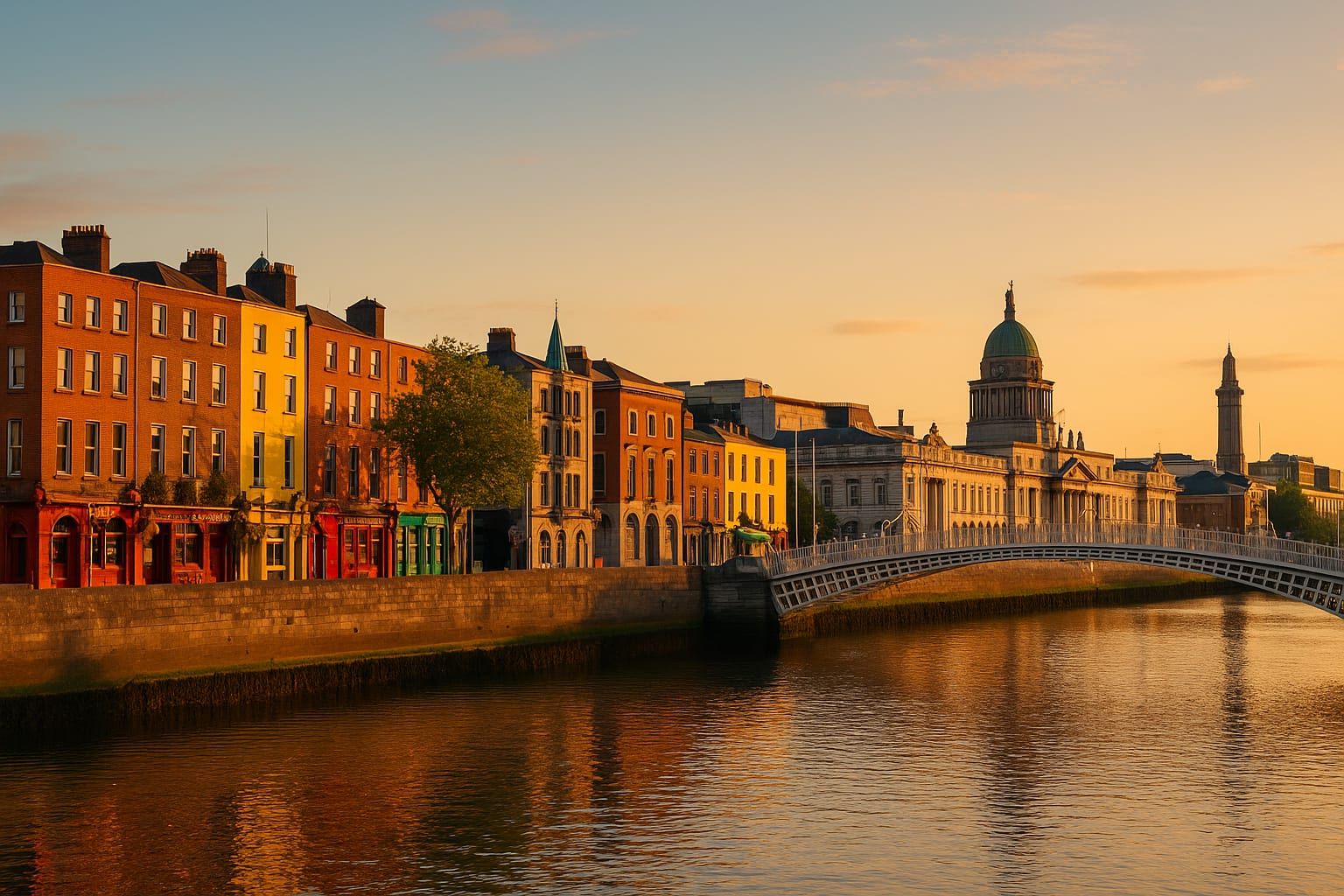
48 Hours in Dublin: Pubs, Literature & Georgian Beauty
Two days in Dublin: explore literary landmarks, lively pubs, and elegant Georgian squares. A relaxed, walkable 48-hour plan with local tips, transport notes and where to eat.
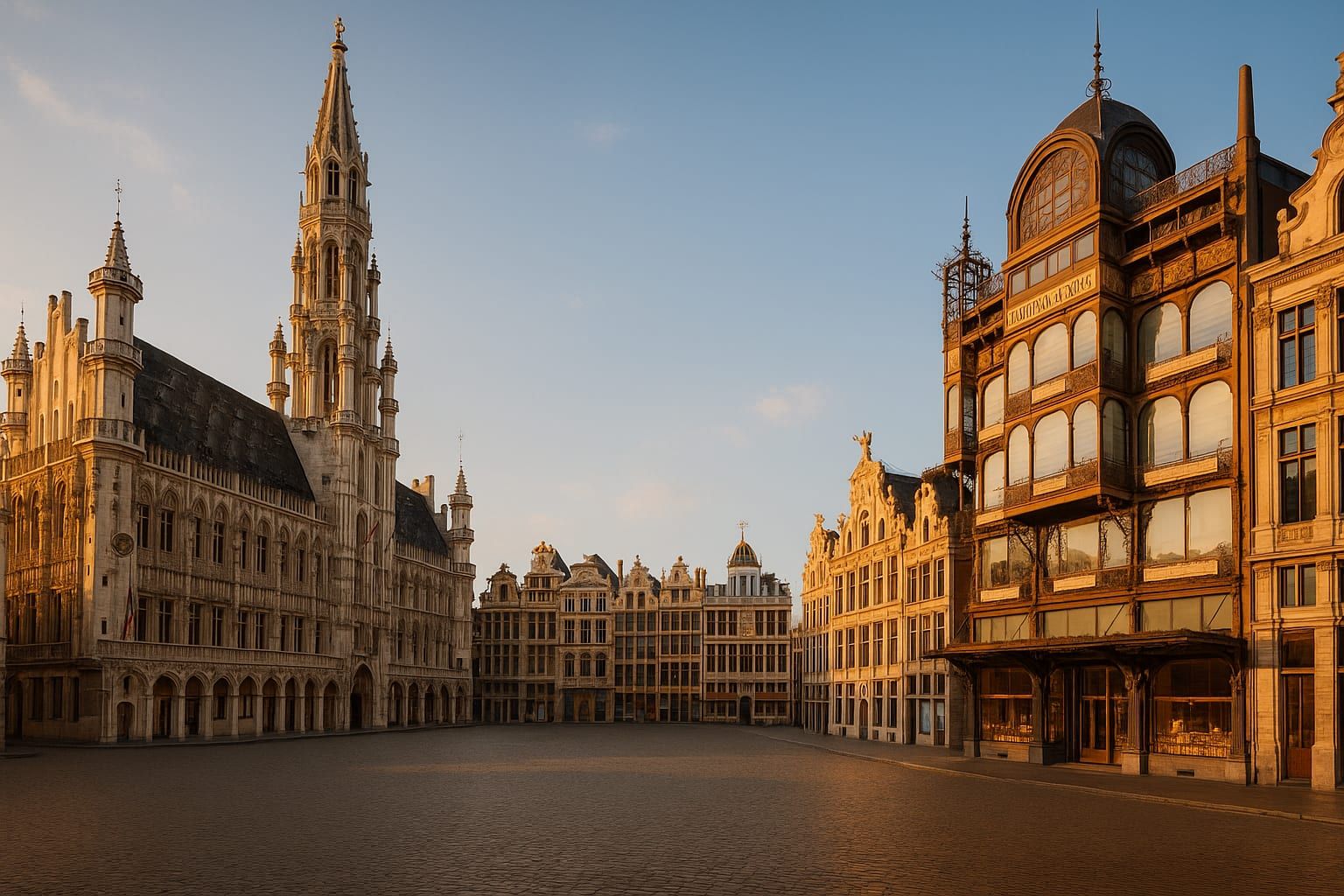
48 Hours in Brussels: Chocolate, Beer & Art Nouveau
Two days in Brussels: sample world-class chocolate, sip iconic Belgian beers and follow an Art Nouveau trail through elegant neighborhoods. A practical, walkable 48-hour plan.
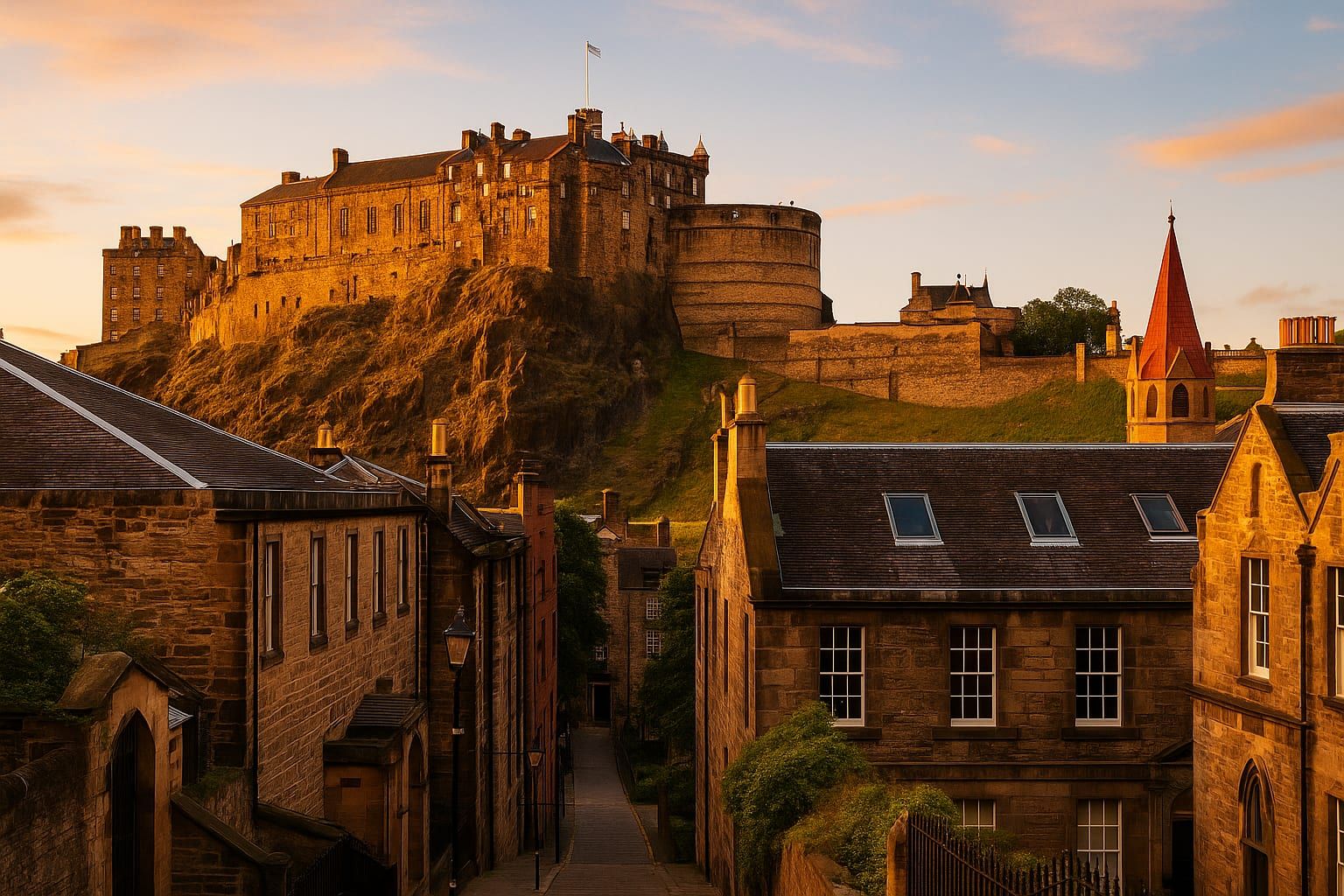
3 Days in Edinburgh: Castle, Closes & Whisky
A practical, three-day Edinburgh itinerary that balances the castle and Royal Mile with hidden closes, whisky tastings and local tips for an unforgettable city break.