
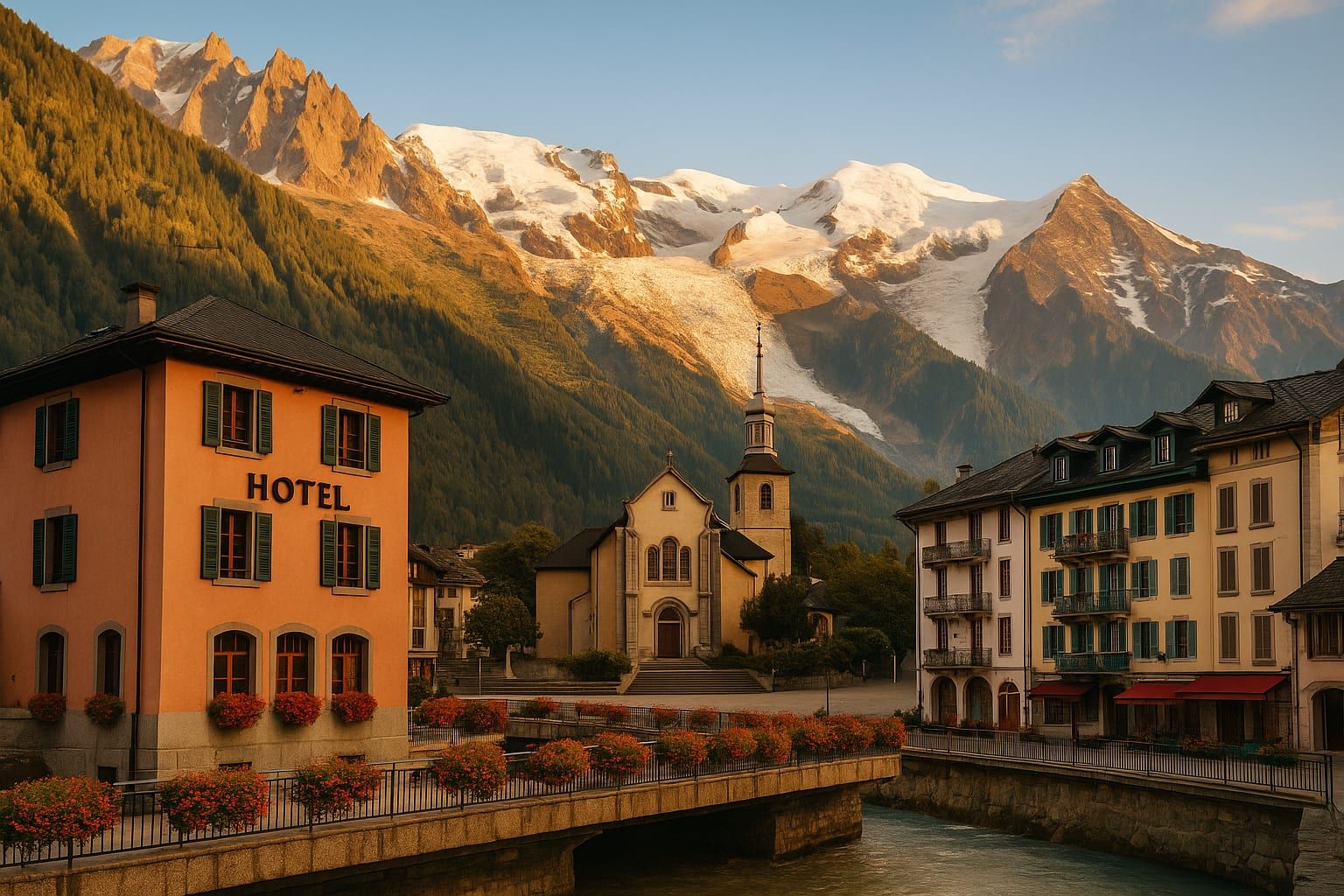
Everything you need to plan, pack and hike the Tour du Mont Blanc: routes, huts, itineraries, logistics, safety tips and local insights for a successful 8–12 day circuit.
Tour du Mont Blanc: Complete Guide
The Tour du Mont Blanc (TMB) is one of the world’s most iconic long-distance hikes — a roughly 170–180 km loop that circles Western Europe’s highest massif, crossing France, Italy and Switzerland. This guide brings together route options, hut-to-hut logistics, packing and safety tips, food and local insights so you can plan a smooth, unforgettable trek.
Why hike the TMB?
- Stunning variety: glaciers, high mountain passes, pastoral valleys, alpine meadows and dramatic views of Mont Blanc’s glaciers.
- Accessible hut-to-hut trekking: you can do the route with overnight stays in mountain refuges (refuges, rifugi, cabanes), gîtes, B&Bs or hotels.
- Cultural mix: three countries, three languages, and a rich Alpine food scene.
When to go
- Best season: late June to mid-September. Trails are usually clear of winter snow by late June in most years; July–August offers reliably warm days but bigger crowds.
- Shoulder seasons (late June, early September): fewer people, cooler nights, but higher chance of snow on high passes early or late in the season.
- Winter/spring: the full circuit requires mountaineering skills and avalanche knowledge — not a summer-style hike.
Quick logistics
- Typical distance: ~170–180 km (varies by variations).
- Typical duration: 8–12 days depending on fitness and choices (fast-paced 6-day completions exist for experienced walkers; 10–12 days are comfortable).
- Direction: clockwise (most common) or counter-clockwise — direction changes views, which side faces the valley each day and crowd flow.
- Borders: no passport control between France, Italy and Switzerland at trail crossings, but carry ID and any relevant visas.
- Permits: none required.
Where to start and finish
Most hikers begin in one of these hubs:
- Chamonix/Les Houches (France) — the most popular gateway with excellent transport links to Geneva.
- Les Contamines (France) — a quieter starting point on the southern/northern split.
- Courmayeur (Italy) — good for custom itineraries and spectacular Italian cuisine at the end/beginning.
Transport: Geneva Airport is the most common international hub. Trains and buses connect Geneva–Chamonix; regional buses and trains connect the other towns.
Route overview and highlights (clockwise)
Day-by-day variations are many, but a typical clockwise route from Les Houches/Chamonix:
- Day 1: Chamonix/Les Houches → Les Contamines or Les Houches → Les Contamines.
- Day 2: Les Contamines → Les Chapieux (valley walking then up to cols).
- Day 3: Les Chapieux → Courmayeur (via Col de la Seigne) — spectacular views into the Italian side.
- Day 4–5: Courmayeur → Rifugio Elena / La Palud → crossing over to Switzerland via the Val Ferret and Grand Col Ferret.
- Day 6–7: Swiss section → Champex → Trient → Argentière (or other valleys).
- Finish: back to Chamonix/Les Houches via Col de la Forclaz/Trient options.
Top highlights: Lac Blanc viewpoint near the Aiguilles Rouges, Col de la Seigne, the Val Ferret outlook to Mont Blanc, Grand Col Ferret, and alpine villages like Courmayeur and Champex.
Accommodation options
- Mountain refuges (refuges/rifugi/cabanes): basic bunks, communal dinners and breakfasts. Book July–Aug in advance.
- Gîtes d’étape and B&Bs: small guesthouses offering private rooms and hearty meals.
- Hotels in towns: more comfort for rest days.
- Camping: allowed in some valleys but restricted near refuges — check local rules and respect private land.
Refuge tips: bring a sleeping liner (many refuges provide blankets), light earplugs, and cash (some refuges accept cards but coverage is variable). Dinner is often served family-style with limited portions — tell the refuge of allergies in advance.
Sample itineraries
Practical sample itineraries to match different fitness and timeframes.
10-Day Classic (moderate pace)
- Day 1: Les Houches → Les Contamines
- Day 2: Les Contamines → Les Chapieux
- Day 3: Les Chapieux → Courmayeur (via Col de la Seigne)
- Day 4: Courmayeur rest or short hike
- Day 5: Courmayeur → La Fouly/Val Ferret
- Day 6: La Fouly → Champex
- Day 7: Champex → Trient
- Day 8: Trient → Argentière/Col de Balme
- Day 9: Argentière → Les Houches
- Day 10: Buffer/Departure
8-Day Fast (for fit hikers)
- Long daily stages 20–30 km; fewer stops. Suitable for experienced walkers used to long elevation gain/loss.
12-Day Leisure (hut-to-hut, cultural stops)
- More time in towns like Courmayeur and Champex, extra rest day for weather or sightseeing.
Difficulty & fitness
- Terrain: sustained uphill/downhill, some exposed sections, mountain paths with scree and steep switchbacks.
- Fitness: good cardiovascular fitness and strong knees are helpful — include hill repeats and long-day hikes in training.
- Altitude: highest cols reach around 2,500–2,600 m; altitude sickness is uncommon but possible. Hydrate, ascend sensibly and rest if symptoms appear.
Essential gear checklist
- Daypack (25–35 L for hut-to-hut; 40+ L if carrying everything)
- Waterproof jacket and breathable layers
- Insulating mid-layer (fleece/down)
- Lightweight hiking pants and shorts
- Hat, gloves, sunhat and sunglasses
- Sturdy trekking boots (broken-in) and liners/socks
- Trekking poles (highly recommended for descents)
- Headlamp, basic first-aid, blister care
- Water bottle or bladder + water purification tablets (many huts offer water)
- Lightweight sleeping liner, earplugs
- Phone, power bank, GPX device and printed map
Optional: micro-spikes/crampons if you hike early/late season and may encounter snowfields; gaiters if you want extra protection.
Navigation & planning tools
- GPX tracks: download a trusted track before you go and store offline.
- Apps: Outdooractive, Komoot, AllTrails and maps.me work well in the Alps.
- Waymarking: the trail is well-marked in both directions but some variants can be confusing — check daily elevation and distance.
Pro tip: carry a small paper map as batteries can fail in cold or wet weather.
Food, water and costs
- Refuges provide dinner (usually hearty alpine fare) and breakfast; bring snacks for long days.
- Expect to pay €40–€90 per night for refuge bed + dinner/breakfast in peak season; hotels and private rooms cost more.
- Daily budget (hut-to-hut): €60–€120/day depending on accommodation choices and drink/alcohol purchases.
Local specialties to try along the route: Beaufort cheese, tartiflette, polenta and Italian mountain fare in Courmayeur (fresh pasta, antipasti).
Hazards & safety
- Weather: mountain weather changes quickly. Carry waterproofs and check forecasts each morning.
- Snow & early season: late June can have snowfields on higher passes — consider microspikes or delay until mid-July.
- Trail exposure: some sections are steep and exposed; use poles and take your time.
- Emergency: local emergency number across EU/Schengen is 112. Mountain rescue costs can be significant — take travel insurance covering mountain rescue and heli-evacuation.
Booking and reservations
- July–Aug: book refuges and some gîtes and hotels weeks to months in advance.
- Single overnight stays: some refuges allow walk-ins but spaces are limited during high season.
- Luggage transfer: private services transfer bags between accommodations if you prefer a light-daypack; book ahead.
Local insights & etiquette
- Refuge etiquette: showers may be limited or extra-cost; quiet hours start early — respect sleeping times.
- Dinner times: many refuges serve a fixed family-style dinner at a set time; arrive on time if you want to eat there.
- Languages: French, Italian and German/Swiss French dominate; English is widely understood in tourist areas.
- Tipping: not expected in refuges; small gestures appreciated.
Variations and alternatives
- Half-circuits: northern or southern halves for shorter trips.
- Faster or luxury options: guided tours with bus transfers or “light pack” guided itineraries where guides arrange occasional luggage movement and private rooms.
- If you love alpine hiking, consider also exploring regional hikes such as the Dolomites — see our guide to Best Day Hikes in the Dolomites — or the Swiss high-country Swiss National Park for more mountain inspiration.
Costs estimate (per person)
- Budget (camping/hostels, self-cooked): €40–€60/day
- Mid-range (refuges, mixed meals): €70–€120/day
- Guided or luxury options: €150+/day
Final tips for a memorable TMB
- Train on hills and long days before you go — confidence descends from a strong aerobic base.
- Move early: start days at first light to avoid afternoon clouds and crowds.
- Carry layered clothing: temperatures vary widely from valleys to cols.
- Be flexible: weather or tired legs may require route changes — build a buffer day.
- Savor the food and hospitality: try local cheeses, mountain soups and a strong espresso in Italian mountain cafes.
The Tour du Mont Blanc is as much a cultural circuit as it is a trail: each valley brings a new language, flavor and landscape. Plan carefully, respect mountain rules, book high-season refuges in advance and leave time to enjoy the vistas. Whether you go fast or slow, the TMB is an alpine classic that rewards preparation with one of Europe’s most memorable trekking experiences.
If you’re planning other Alpine escapes, you might also like our regional itineraries such as One Week in Slovenia: Mountains, Caves & Coast.
Happy hiking — and bon trail!
Keep Exploring
Bear Watching in Europe: Ethical Tours
A practical guide to ethical bear-watching in Europe: where to go, how to pick responsible tours, safety and photography tips, and local insights from Slovenia to the Carpathians.
Best Lakes for Swimming in Europe
A practical guide to Europe's best lakes for swimming — top spots, seasons, access tips, safety advice and nearby attractions to plan your perfect freshwater dip.
Best Day Hikes in the Dolomites
Explore the Dolomites on foot: a practical guide to the region’s best day hikes, from Tre Cime and Seceda to Lago di Sorapis, with route details, logistics, and local tips.