
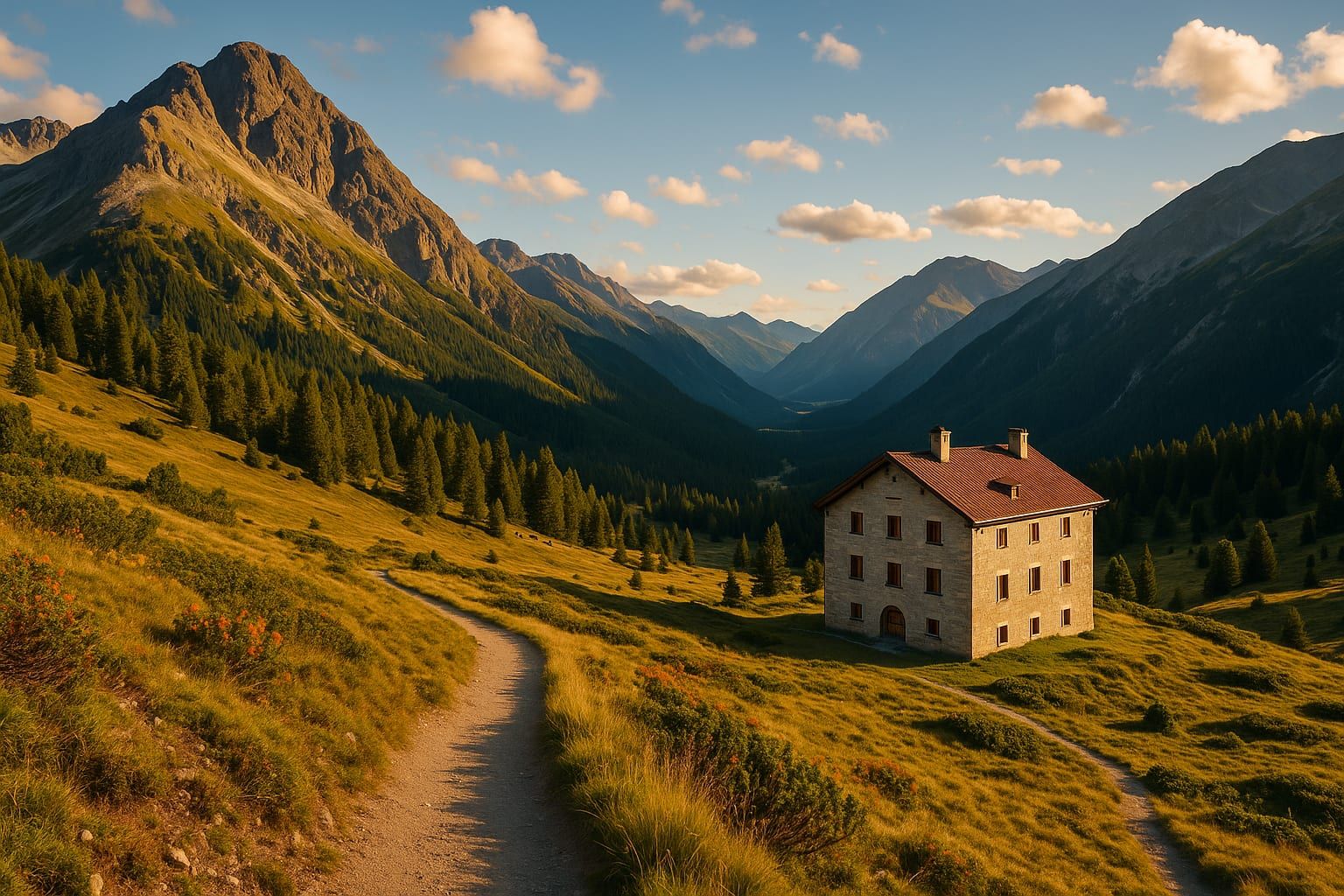
Discover Swiss National Park — the Alps' first national park and a hiker's dream. Practical route picks, wildlife tips, rules, and how to plan an unforgettable visit.
Swiss National Park: Hiking Paradise
Nestled in the canton of Graubünden, the Swiss National Park is the oldest protected area in the Alps and a true hiking paradise. With roughly 100 km of marked trails across 21 routes, rugged high-alpine scenery, and stringent conservation rules that keep nature wild and unspoiled, this park offers a rare chance to encounter Alpine ecosystems as they were meant to be.
Whether you are a casual day-hiker, a serious peak-bagger, a wildlife photographer, or a family looking for fresh-air adventures, the park delivers — but it demands respect and preparation. This guide covers the best hikes, when to go, how to get there, essential rules, and local insights to help you make the most of a visit.
Why Swiss National Park is special
- First park in the Alps: established in 1914, it’s been protected for over a century.
- Strict protection regime: to conserve natural processes, rules are tighter than in many parks — trails only, no dogs, no camping, no fires, no picking plants.
- Variety of landscapes: from larch-lined valleys and glacial cirques to high ridges and scree slopes, elevations are roughly 1,300–3,000 m.
- Wildlife haven: ibex, chamois, red deer, marmots, foxes, and a wealth of alpine birds are common sights; rarer predators and scavengers are occasionally observed.
Getting there and where to start
Gateway town: Zernez
Zernez is the park’s main gateway and home to the National Park Centre. It’s well served by public transport: Regional trains and buses connect Zernez with larger towns such as Landquart, Davos, and St. Moritz. Park here, pick up maps, talk to staff, and check trail conditions before setting out.
By car
You can drive to Zernez or cross the Ofenpass (Pass dal Fuorn) to reach trailheads. There are several parking spots along the pass (P8 and others noted on park maps). During peak season the roads are busy; arrive early.
Public transport and shuttles
National Park buses and regional services link villages and trailheads. Using public transport reduces parking stress and aligns with the park’s conservation mindset.
National Park Centre: your first stop
Located in Zernez, the National Park Centre is far more than a tourist kiosk. It provides detailed trail maps, up-to-the-minute trail and weather information, wildlife displays, identification guides, and friendly staff who can help tailor hikes to your fitness and interests. Spend 20–40 minutes here before heading into the park.
Top hikes and experiences
Senda Val Trupchun (Val Trupchun trail) — the classic
- Who it's for: most hikers, families who want abundant wildlife sightings and gentle gradients.
- Why go: this trail winds through a broad, wildlife-rich valley where red deer, marmots, and ibex are commonly seen. Spring and autumn are especially active for wildlife.
- What to expect: well-marked paths, observation hides, photographic opportunities, and a sense of stillness.
Val dal Botsch — short, high-impact leg-stretch
- Who it's for: travelers on a road trip or anyone wanting a short, scenic excursion.
- Why go: a brief but rewarding walk that opens up panoramic views of the park’s interior valleys. Ideal for a 30–60 minute stop; convenient if you're driving over the Ofenpass.
- Note: there are short sightseeing loops directly off the pass that don't demand a full day.
Chamanna Cluozza — hut-to-hut and remote alpine night
- Who it's for: multi-day hikers and those who want a backcountry experience without wild camping.
- Why go: Chamanna Cluozza is a mountain hut only reachable on foot. The hike there immerses you in high-alpine terrain and offers majestic sunrise/sunset moments.
- Logistics: book in advance; expect steep sections and alpine navigation.
Val S-charl and S-charl village — quiet and scenic
- Who it's for: hikers seeking fewer crowds and a taste of traditional mountain hamlets.
- Why go: the valley and adjacent trails are quieter but every bit as scenic. Great for leisurely multi-hour walks and birdwatching.
Longer traverses and ridge hikes
For fit hikers, longer routes that link valleys and high passes offer panoramic views of the Engadine and the surrounding ranges. Be prepared for longer elevation gain and rapidly changing weather.
Practical trail details (what to bring and expect)
- Footwear: sturdy, broken-in hiking boots with good grip are essential for alpine terrain and scree.
- Layers: pack breathable base layers, an insulating mid-layer, and a waterproof shell — mountain weather changes quickly.
- Water and food: bring more water than you think; some longer trails have limited refilling options. Energy bars and a proper lunch for day hikes.
- Navigation: even on marked trails, bring a map (paper or SwissTopo app) and consider downloading GPX tracks from the park website or apps like MyHikes, Komoot, or AllTrails.
- Sun protection: sunscreen, sunglasses, and a hat — UV intensifies at altitude.
- First-aid and emergency items: basic first-aid, blister care, headlamp, whistle, and a fully charged phone (signal can be patchy in valleys).
Park rules and conservation — what you must know
Swiss National Park operates on a strict set of rules designed to protect wildlife and natural processes. These are not suggestions — adherence is required.
- Stay on marked trails only. Leaving the path disturbs sensitive habitats and can damage fragile alpine vegetation.
- No dogs or other pets allowed, even on a leash. This rule protects wildlife and follows park policy.
- No camping, open fires, or overnight stays outside official huts.
- Do not pick flowers, collect rocks, or remove anything from the park.
- Cycling and motorized vehicles are prohibited inside the protected area.
- Respect wildlife: observe from a distance, never approach or feed animals. Use binoculars or a zoom lens for photos.
Rangers conduct regular checks; fines and penalties can apply for violations. These rules are the reason the park retains its wilderness character.
Wildlife watching: tips and ethics
- Best times: early morning and late afternoon when animals are most active.
- Keep distance: use binoculars/telephoto lens; sudden movements or loud noise can scare animals away or stress them.
- Silence is golden: move slowly and quietly, and you’ll increase your chances of sightings.
- Photo ethics: no baiting or staged encounters. Respect the welfare of the animal over getting the perfect shot.
Species to watch for: Alpine ibex, chamois, red deer, marmot, fox, ptarmigan, golden eagle. Be patient; sightings are never guaranteed but when they happen, they’re unforgettable.
When to visit
- Late June to September: the safest window for most trails (snow-free, huts open). Wildflowers and lush green landscapes are at their peak in July.
- May–June: early-season blooms at lower elevations; expect lingering snow on higher routes.
- Autumn (September–mid October): crisp air, rutting deer, and spectacular larch color — fewer crowds but shorter daylight.
- Winter: the park is closed for many areas and winter use is restricted. Ski tours are permitted only in limited sections; check with the National Park Centre.
Safety and mountain weather
Mountain weather is fickle. Check forecasts and park updates before heading out. If fog rolls in or thunderstorms develop, descend early — lightning on exposed ridges is extremely dangerous. Tell someone your planned route and expected return time.
Where to stay
- Zernez: best base for convenience and access to the National Park Centre.
- Local mountain huts: Chamanna Cluozza and other alpine huts provide rustic shelter for multi-day routes — book early in high season.
- Nearby resorts: larger towns like Scuol or St. Moritz offer more hotel options and are within easy reach.
Food and local flavors
The Engadine region combines hearty alpine cuisine with Swiss-Graubünden specialties: plump dumplings (capuns), barley soups, and local cheeses. Enjoy a post-hike meal in Zernez or venture to nearby villages for a taste of regional hospitality.
Suggested itineraries
- Day 1: Arrive in Zernez, visit the National Park Centre, short warm-up walk on Val dal Botsch.
- Day 2: Full-day Senda Val Trupchun loop; pack lunch, binoculars, and spend the afternoon in observation hides.
- Day 3: Hike to Chamanna Cluozza (or nearby hut) for a sunrise/sunset experience; return to Zernez or continue along a multi-day traverse.
- Family option: gentle valley walks and educational exhibits at the National Park Centre.
Local insights and lesser-known tips
- Start early to beat the crowds on popular sections and to catch wildlife activity at dawn.
- The park’s Infomobile sometimes appears at trailheads and festivals — it’s a great resource for updates and kid-friendly activities.
- If you want a quieter day, head to Val S-charl or explore side paths from main trails — fewer people but equally scenic.
- Download offline maps before you go. Mobile coverage can be inconsistent in valleys and high passes.
Combine with other nature trips
If you love pristine water and forest landscapes, consider other European nature highlights as part of a longer trip. For example, the Plitvice Lakes in Croatia are an emblematic waterfall-rich park well worth a separate visit (/en/nature-outdoors/plitvice-lakes-croatia-complete-visitor-guide). Or extend your Alpine itinerary to neighbouring regions like northern Italy and Slovenia — a one-week circuit through the Julian Alps is an excellent complement to high-Alpine hikes (/en/itineraries/one-week-in-slovenia-mountains-caves-coast).
Final thoughts
Swiss National Park rewards those who come prepared and who respect its rigorous protection rules. You’ll trade some convenience for moments of real wilderness: close encounters with classic Alpine species, dramatic ridgelines, and valleys that feel untouched by time. Whether you go for a day or make it the centerpiece of a multi-day trek, this park is a reminder that parts of Europe still offer raw, quiet nature — and that responsible tourism is the only way to keep it that way.
Practical links and next steps:
- Visit the Swiss National Park official site and National Park Centre before travel for trail conditions and hut booking.
- Download GPX tracks and route plans from mapping apps (MyHikes, SwissTopo, Komoot) and bring a paper map as backup.
- Book huts and accommodations early for July–August.
Safe trails and happy hiking!
Related
Keep Exploring
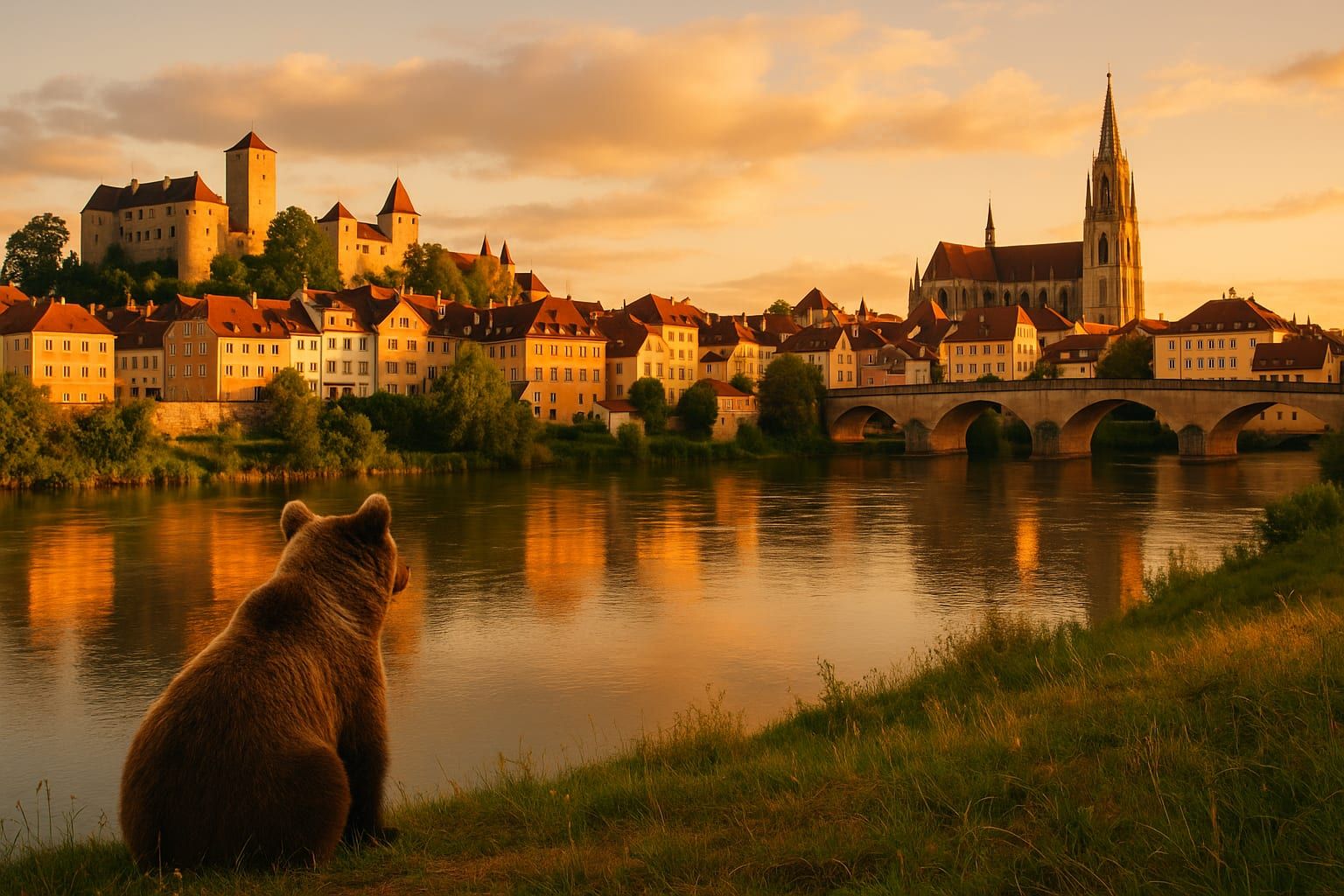
Bear Watching in Europe: Ethical Tours
A practical guide to ethical bear-watching in Europe: where to go, how to pick responsible tours, safety and photography tips, and local insights from Slovenia to the Carpathians.
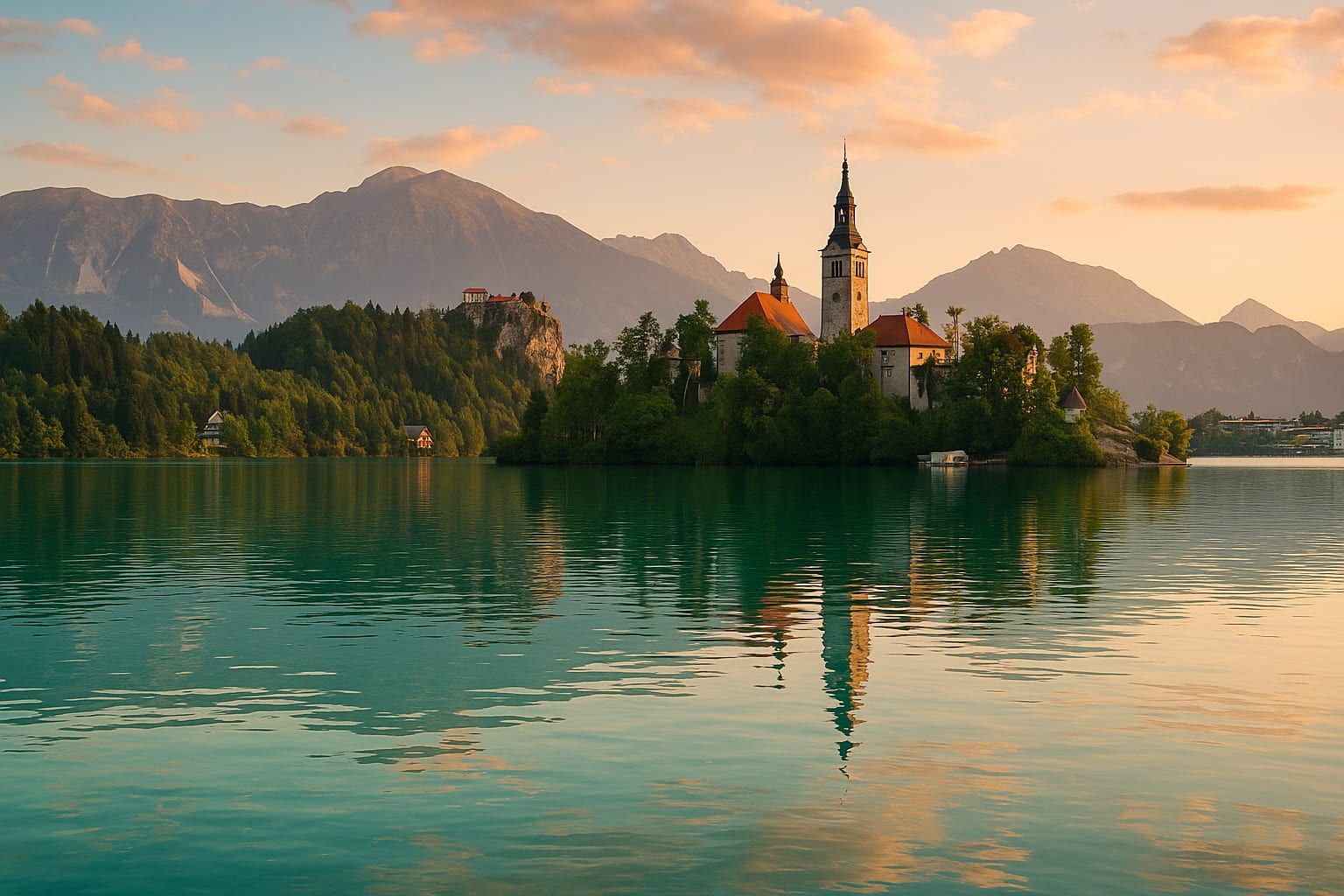
Best Lakes for Swimming in Europe
A practical guide to Europe's best lakes for swimming — top spots, seasons, access tips, safety advice and nearby attractions to plan your perfect freshwater dip.
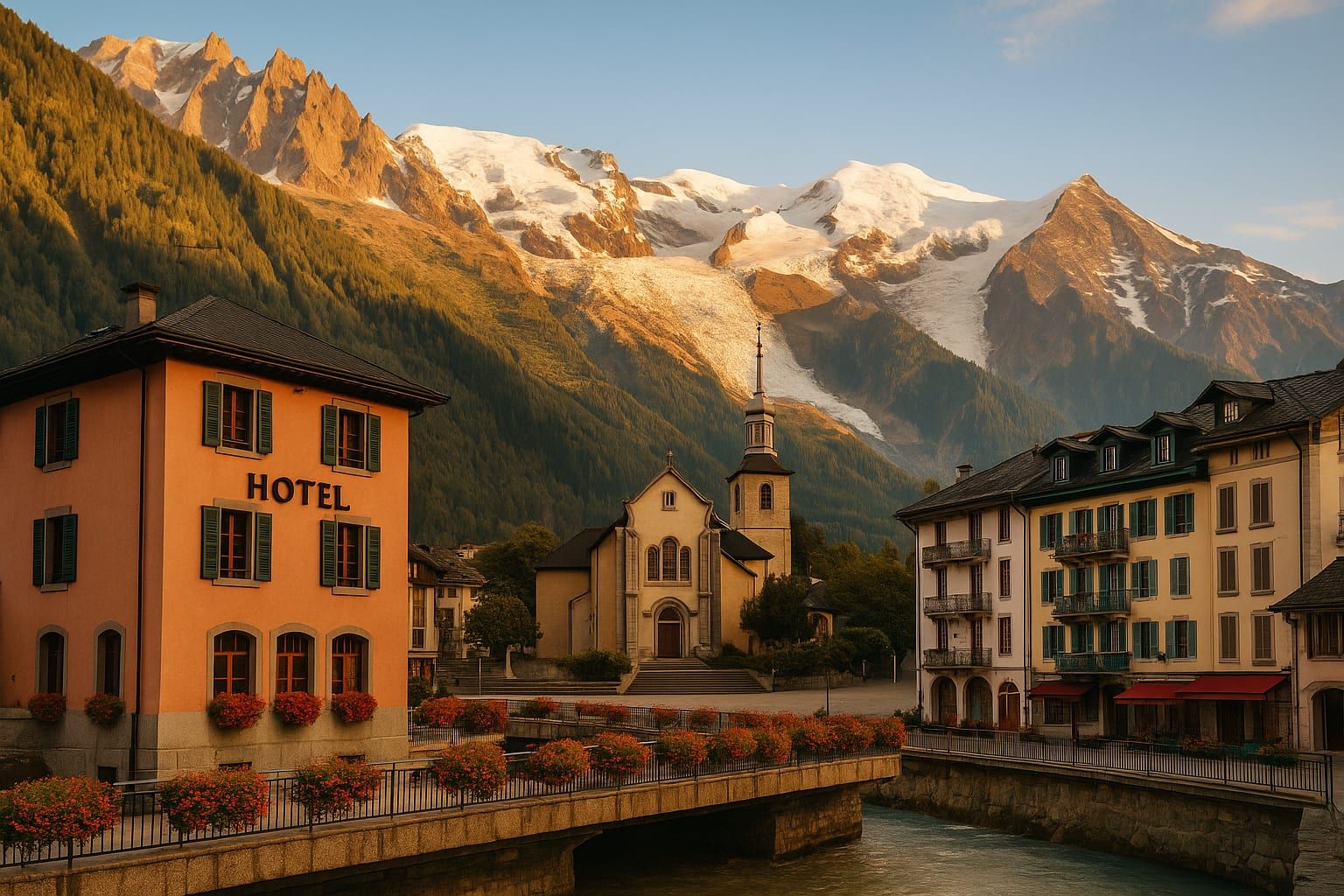
Tour du Mont Blanc: Complete Guide
Everything you need to plan, pack and hike the Tour du Mont Blanc: routes, huts, itineraries, logistics, safety tips and local insights for a successful 8–12 day circuit.