
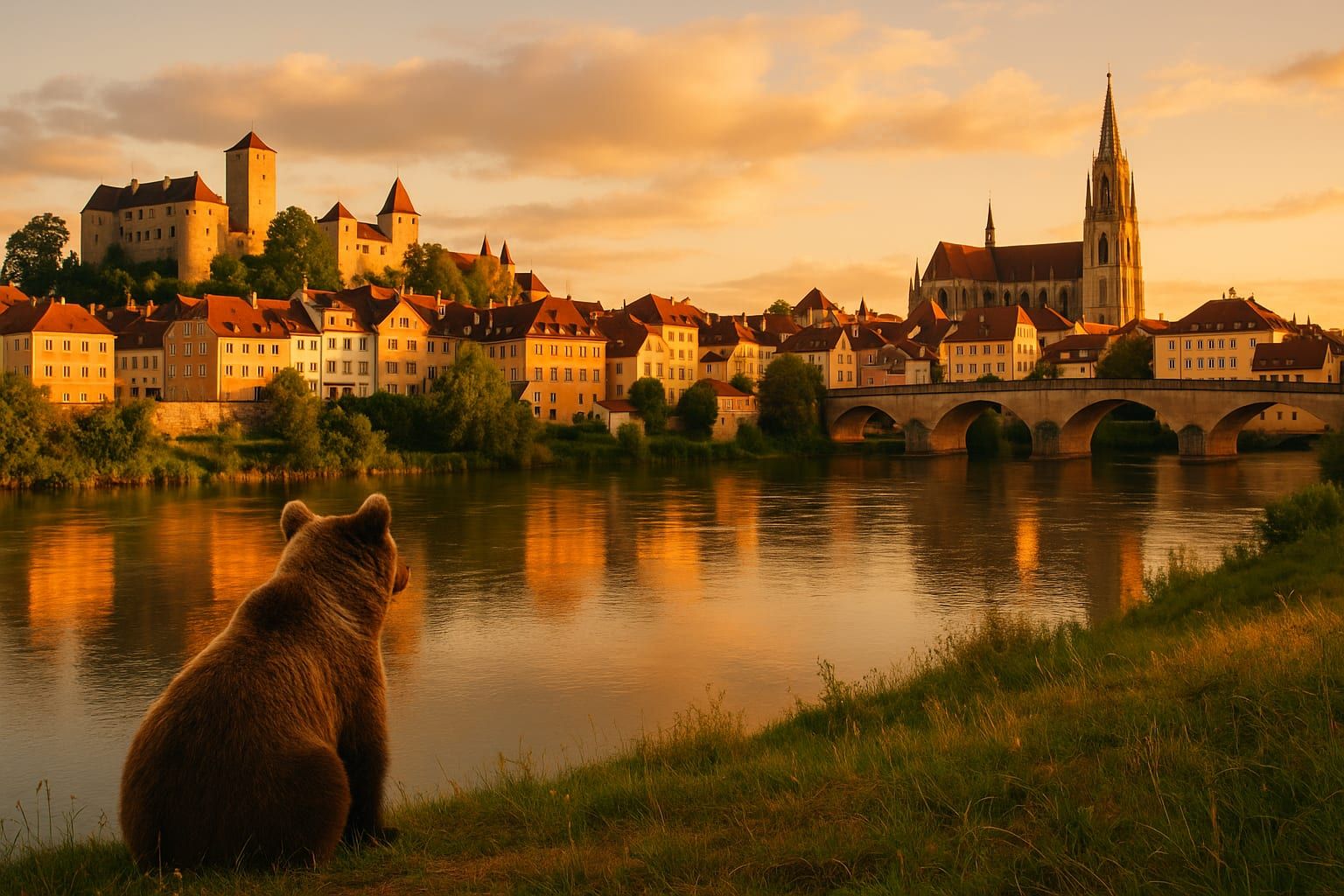
A practical guide to ethical bear-watching in Europe: where to go, how to pick responsible tours, safety and photography tips, and local insights from Slovenia to the Carpathians.
Bear Watching in Europe: Ethical Tours
Watching wild bears in their natural habitat is a humbling, unforgettable experience. Across Europe — from the dense forests of Slovenia and Romania to the vast taiga of Finland and the icy waters of Svalbard — responsible operators now offer carefully managed tours designed to protect animals and ecosystems while giving visitors a real chance to observe these magnificent mammals. This guide explains where to go, what “ethical” really means, how to choose operators, and practical tips to make your trip safe, enjoyable and conservation-minded.
Why ethics matter
Ethical wildlife tourism reduces stress and risk for animals, preserves natural behaviours, supports local communities, and helps fund conservation. Poorly run bear-watching can cause habituation (bears losing fear of humans), food-conditioning (associating humans with food), or displacement from key habitats. Choosing operators who follow best practices helps ensure bear populations remain healthy for generations to come.
Best places in Europe for ethical bear watching
Slovenia — secluded hides and a high success rate
Slovenia is a standout for brown-bear watching thanks to well-run hides, experienced guides, and compact forests that make sightings more likely. Tours around the Postojna/Kočevje region use remote timber or canvas hides positioned near animal trails. Guests typically wait in silence for several hours at dawn or dusk; the slow, patient approach is low-impact and avoids disturbing the bears.
Insider tip: combine a bear-watching trip with a longer Slovenia itinerary — after your hide experience, explore Slovenia’s caves, mountains and wine regions. See practical planning in our One Week in Slovenia guide: /en/itineraries/one-week-in-slovenia-mountains-caves-coast
Romania & the Carpathians — the heart of European brown bears
The Romanian Carpathians harbor one of Europe’s largest brown-bear populations. Ethical tours operate near Brasov and in protected valleys such as Zărnești. Operators use elevated hides or mobile vantage points and follow strict rules (no baiting, limited group sizes, and season-sensitive schedules). Romania also offers volunteer and conservation programs for travellers who want a deeper, hands-on experience.
Local insight: Brasov is a practical base for bear tours and makes a great complement to sightseeing. For those planning a longer stay in the region, our Brasov itinerary is a useful resource: /en/itineraries/4-days-transylvania-brasov-castles-mountains
Scandinavia — photography hides and winter tracks
Finland and Sweden offer immersive bear- and wildlife-photography experiences. Operators specializing in the Wild Taiga and north-forest regions provide well-constructed hides and multi-night stays to maximize chances of natural behaviour and good light for photographers. Winters bring unique opportunities to track and photograph bears against snowy backdrops, but logistics and comfort must be prioritized in sub-zero conditions.
Svalbard & Norway — polar bear expeditions (different rules)
Polar bears are an Arctic species with special conservation status. Ethical polar-bear viewing is largely limited to guided expeditions and cruises where strict regulations, experienced guides, and vessel-based distancing keep both people and bears safe. These tours are very different from brown-bear hides: expect boats, zodiacs, and sometimes long-distance viewing with binoculars or telephoto lenses.
The Pyrenees & Cantabrian Mountains (Spain/France)
The Cantabrian Mountains and parts of the Pyrenees are working landscapes where small populations of brown bears require highly sensitive approaches. Local NGOs and small operators prioritize avoidance of disturbance, community engagement, and long-term monitoring projects.
What to look for in an ethical bear-watching tour
- Licensed, local guides: They know bear behaviour, seasonal patterns, and safety protocols.
- No baiting or feeding: Operators must not lure bears with food or other attractants.
- Fixed, well-placed hides (or vessels for polar bears): Hides should minimize visual and auditory disturbance and be located to avoid interfering with key feeding or denning sites.
- Small group sizes and rigid viewing schedules: Fewer people means lower stress for animals and a better viewing experience for guests.
- Clear rules for observers: No flash photography, no loud talking, no roaming from the hide.
- Conservation contribution: Look for operators who donate to research, monitor populations, or work with local communities.
- Transparent safety protocols: From emergency procedures to waste management, the operator should clearly explain how they minimize impact and risk.
Seasonal timing: when to go
- Spring (April–June): Bears emerge from dens and are active. Spring can offer close views of foraging but is sometimes wetter and colder.
- Summer (June–August): Long daylight hours are great for observation, though bears range widely and may be less predictable.
- Autumn (September–October): Hyperphagia (intense feeding) before winter makes bears more active; this is often the best time for sightings and dramatic photo opportunities.
- Winter: For brown bears, winter sees dens and little activity. For polar bears in Svalbard, winter and shoulder seasons are prime for sea-ice-based expeditions — but conditions and safety are extreme.
Local insight: In the Carpathians and Slovenia, autumn tours often yield the best combination of activity and light for photography. Operators will time trips around local berry and mast seasons that draw bears to predictable feeding areas.
Practical tips before you book
- Research operators: Check reviews, ask about permits and conservation partnerships, and confirm their no-baiting policy.
- Ask about group size and hide comfort: How many people per hide? Are hides heated or insulated? How long will you wait?
- Check cancellation and weather policies: Mountain and Arctic conditions are unpredictable.
- Confirm what’s provided: Some tours include snacks, hot drinks and overnight hides; others expect you to bring everything.
- Verify camera rules: Some hides restrict tripods or flash to minimize disturbance.
Safety and legal considerations
- Always follow the guide’s instructions. They are trained in bear behaviour and emergency protocols.
- Carrying deterrents (e.g., bear spray) is regulated differently across countries. Ask your operator and check local laws before bringing any deterrent.
- Do not approach, feed, or attempt to touch bears. Ethical tours emphasize observation from hides or boats — maintain that boundary.
- Respect closures: If an area is seasonally closed for denning or breeding, don’t try to circumvent restrictions.
What to pack (practical checklist)
- Neutral-coloured clothing, multiple layers, waterproof outerwear and sturdy boots.
- Binoculars and a telephoto lens (300mm+ recommended for photography from hides).
- Tripod or monopod (confirm allowed in advance).
- Headlamp with red-light option for early/late movement.
- Snacks, water, and personal medication (some hides are remote).
- Hand sanitizer and biodegradable toiletries to reduce impact.
- Portable power bank for camera and phone; power may be limited.
Photography tips for ethical viewing
- Use a long lens and avoid moving from the hide to get closer.
- Turn off camera sounds and use quiet modes if possible.
- Avoid flash at all times — it can startle and stress animals.
- Be patient: the best shots often come from waiting and watching behaviour unfold naturally.
Local community and conservation benefits
Good operators invest in local economies by hiring guides, routeing guests through nearby towns, and partnering with NGOs. Often, a portion of profits supports conservation projects: habitat protection, monitoring collars, educational programs, or rescue centres. When booking, ask where your money goes — ethical operators should provide clear answers.
Example initiatives to ask about:
- Population monitoring and research grants
- Community outreach and education programs
- Support for wildlife corridors and anti-poaching efforts
Responsible behaviours for travellers
- Keep noise to a minimum and follow hide etiquette.
- Don’t litter — pack out all waste or leave it with the operator’s disposal system.
- Respect private and protected land boundaries.
- Support local businesses: eat regional food, hire local guides, and use local transport where possible.
What to expect during a hide experience
Most brown-bear hides in Europe follow a similar rhythm:
- Arrival at the meeting point for a briefing on safety and etiquette.
- Transfer to the hide — often a short walk or drive; operators may use quiet trails.
- Several hours of quiet observation at dawn or dusk (bring warm clothes and snacks).
- Return and debrief where guides explain what animals were seen and share insights on behaviour and conservation.
Expect long periods of waiting interspersed with bursts of activity. This is part of ethical viewing — allowing animals to act naturally rather than being provoked into showing themselves.
Alternatives if bears aren’t seen
Wildlife is unpredictable. Good operators will offer flexible options: another hide session, alternative wildlife watching (wolves, lynx, birds), or refund/partial credit. Ask about contingency plans before booking.
Sample itineraries and trip ideas
- Short break (2 days): Evening hide + morning hide near Postojna in Slovenia, with a night in a nearby guesthouse.
- Classic Carpathian experience (4–6 days): Base in Brasov, one or two full-day hides, a guided nature walk, and cultural time in town.
- Photography workshop (5–7 days): Multi-night stays in hides with professional photographers to coach composition and camera settings.
- Arctic expedition (7–12 days): Svalbard cruise with polar bear viewing, lectures, and strict wildlife-distance protocols.
Choosing the right operator: questions to ask
- Do you bait or feed bears to guarantee sightings?
- What is your average group size per hide?
- How do you minimize disturbance to animals?
- Do you work with local NGOs or research projects?
- What contingency plans do you have if we don’t see bears?
- What safety measures are in place for guests and animals?
Final thoughts: leave only footprints
Bear watching in Europe can be a transformative experience when done right. By choosing ethical tours, respecting local rules, and supporting guides and conservation projects, travellers can enjoy close encounters while helping secure a future for bears and their habitats.
If you’re planning a trip, start early: the best operators fill quickly during peak seasons. And if you’re combining wildlife with culture, consider pairing your bear experience with nearby highlights — whether exploring Slovenia’s caves and coast (/en/itineraries/one-week-in-slovenia-mountains-caves-coast) or wandering historic Brașov and its mountain scenery (/en/itineraries/4-days-transylvania-brasov-castles-mountains).
Book with care, travel lightly, and let the bears remain wild.
Related
Keep Exploring
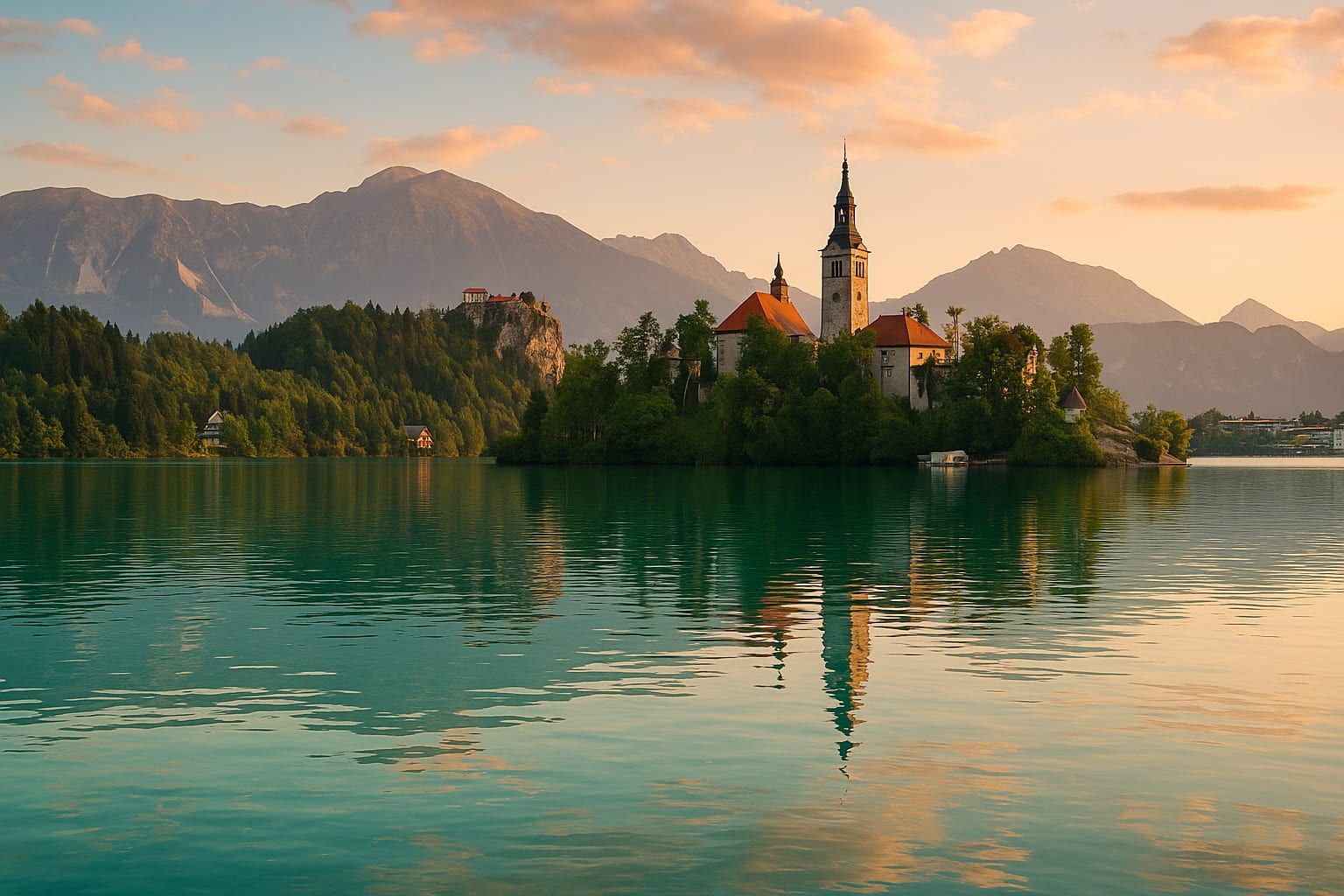
Best Lakes for Swimming in Europe
A practical guide to Europe's best lakes for swimming — top spots, seasons, access tips, safety advice and nearby attractions to plan your perfect freshwater dip.
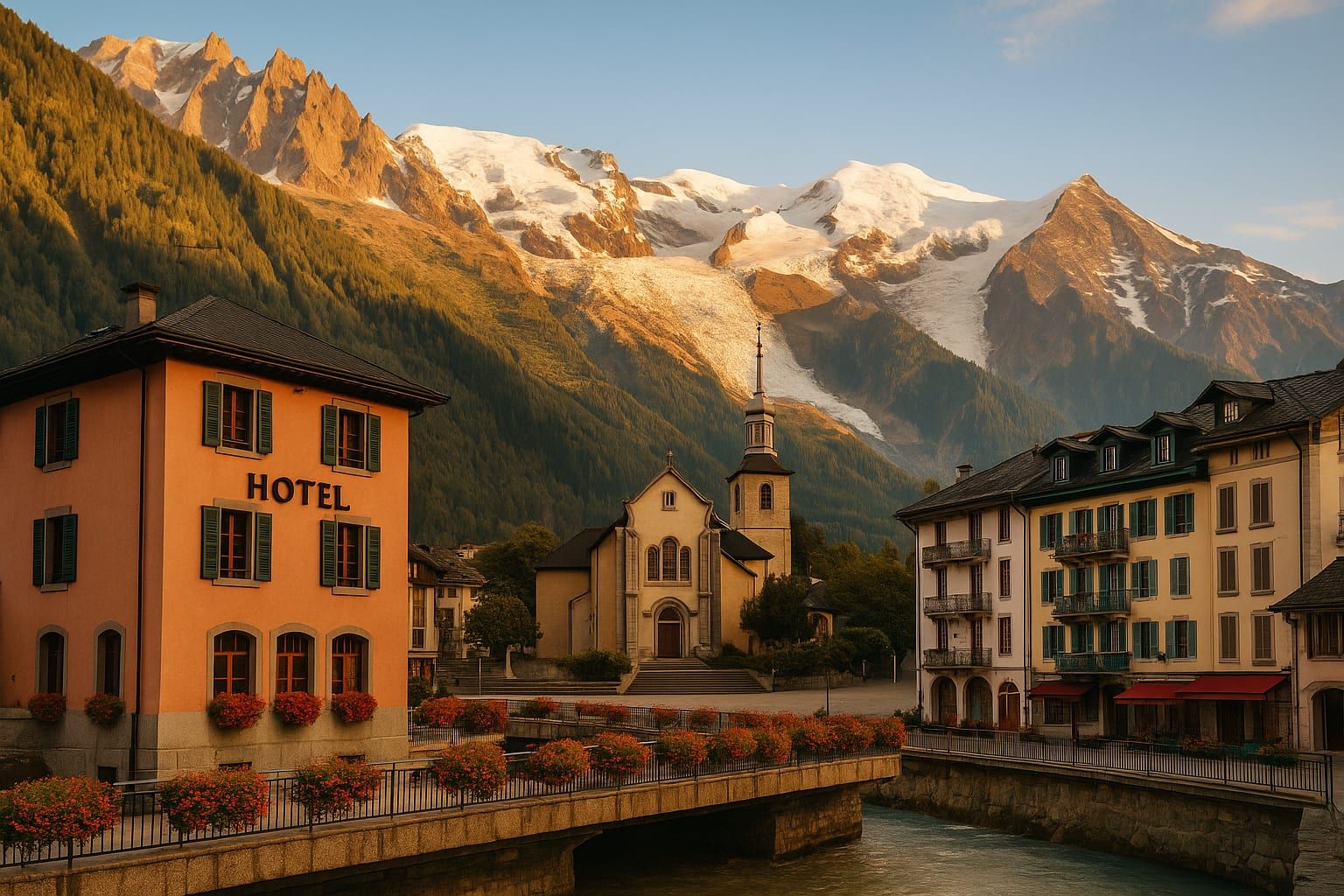
Tour du Mont Blanc: Complete Guide
Everything you need to plan, pack and hike the Tour du Mont Blanc: routes, huts, itineraries, logistics, safety tips and local insights for a successful 8–12 day circuit.
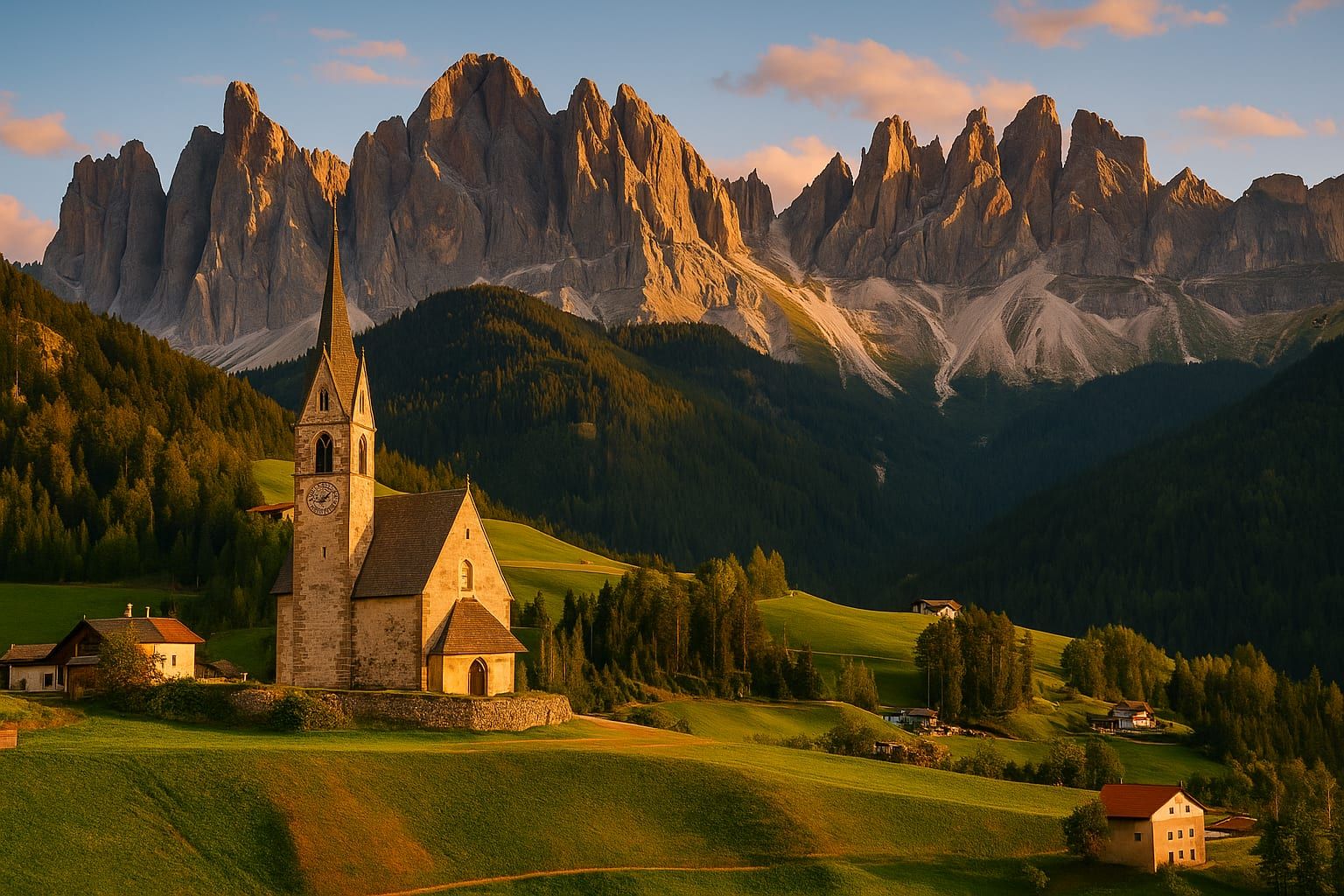
Best Day Hikes in the Dolomites
Explore the Dolomites on foot: a practical guide to the region’s best day hikes, from Tre Cime and Seceda to Lago di Sorapis, with route details, logistics, and local tips.