
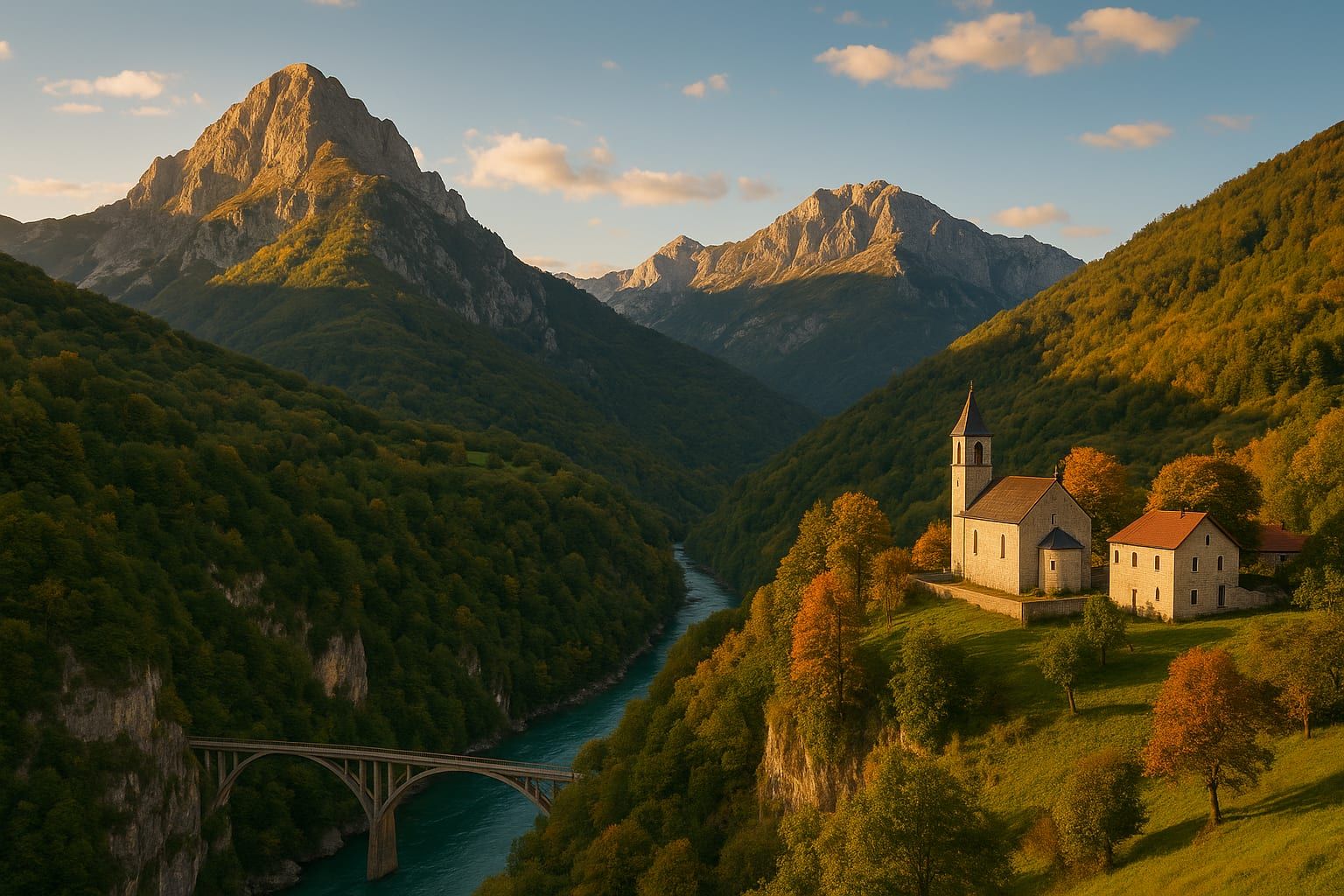
Durmitor, Montenegro: Mountains & Canyons
Durmitor National Park, with its jagged peaks, glacial lakes and the Tara Canyon, is Montenegro’s wild heart—perfect for hiking, rafting, skiing and authentic mountain life.
Durmitor, Montenegro: Mountains & Canyons
Nestled in northern Montenegro, Durmitor National Park feels like a landscape dropped from another planet: ragged limestone peaks, dark glacial lakes, dense pine forests and a network of canyons cut by rivers over millennia. Centered around the town of Žabljak, Durmitor is both an adrenaline playground and a place for slow mountain days. This guide covers what to see and do, how to get around, seasonal tips, local food and practical advice so you can plan an unforgettable visit.
Why Durmitor matters
Durmitor is one of the Balkans’ most dramatic mountain massifs. The park protects the Durmitor Range and several deep canyons—most famously the Tara River canyon, one of Europe’s deepest and most visually stunning gorges. The area’s glacial heritage is visible in dozens of mountain lakes (the "mountain eyes") and U-shaped valleys carved during the ice ages.
The region is prized for its biodiversity, traditional highland culture, and outdoor recreation: everything from high-alpine scrambling to multi-day rafting trips down the Tara. For many travelers exploring Montenegro, a trip to Durmitor offers a different side of the country from the Adriatic coast—wild, raw and refreshingly quiet.
Getting there and where to stay
- Nearest hub: Žabljak is the gateway to Durmitor and sits at roughly 1,450 m elevation. It's the obvious base for hikes, excursions and winter sports.
- By car: Driving is the easiest way to reach Durmitor—Podgorica is about 2.5–3 hours away, while Nikšić and Mojkovac are closer. Roads into the mountains are scenic but can be narrow and winding; winter conditions sometimes make chains or 4x4 necessary.
- By bus: There are limited bus services from Podgorica, Nikšić and other regional towns. Buses are affordable but can be infrequent—check timetables in advance.
- Where to stay: Žabljak has a range of options—guesthouses, mountain lodges, small hotels and a few more comfortable properties. For a true mountain experience, look for family-run guesthouses or “smeštaj” that include local meals.
Top attractions
Black Lake (Crno Jezero)
The most famous and accessible of Durmitor's glacial lakes, Black Lake is two joined basins mirrored by forested slopes and limestone cliffs. A flat loop trail (about 3.5 km) takes roughly an hour and is an excellent first outing to acclimatize and soak in the atmosphere.
Bobotov Kuk and the Durmitor peaks
Bobotov Kuk (2,523 m) is the highest summit in the Durmitor massif. Climbs range from steep hikes to more technical scrambles depending on the route. On a clear day, the panoramic views across peaks and lakes are spectacular.
Tara River Canyon
A must-see: the Tara Canyon carves through the park with sheer cliffs and emerald water. Rafting down the Tara is an iconic experience—full-day and multi-day trips are available with experienced operators. There are also viewpoints and bridges (like the historic Đurđevića Tara Bridge) perfect for photos.
Other canyons and rivers
Durmitor includes lesser-known canyons such as those of the Sušica, Draga and sections of the Komarnica. If you have time, explore quieter river valleys for walking, birdwatching and photography.
The Lakes (Sinjajevina foothills)
Durmitor's lake chain—more than a dozen glacial lakes including the Trnovačko Lake (a bit further afield but often paired with Durmitor visits)—is a draw for hikers seeking alpine scenery without technical climbs.
Activities by season
Summer (June–September)
- Hiking: Trails of varying difficulty; popular routes include Black Lake loops, ascent to Bobotov Kuk, and multi-day ridge walks.
- Rafting & canyoning: Warm months are prime for Tara rafting; water levels vary, so packages adapt to conditions.
- Mountain biking: Trails and old shepherd tracks offer excellent singletrack.
Autumn (September–November)
Crisp air, fewer crowds and vivid foliage. Early autumn is excellent for long hikes; by late autumn weather can be unpredictable with early snow at higher elevations.
Winter (December–March)
Durmitor becomes a snowy playground. The Žabljak ski center offers downhill runs and cross-country trails. Snowshoeing and off-piste touring are popular. Road access may be challenging—check local reports.
Spring (April–May)
Melting snow opens lower trails and sends strong flows through the rivers—rafting can be dynamic but cold. Early spring is quieter; expect a mix of muddy trails and late snow above 1,800 m.
Sample itineraries
3-day highlights (long weekend)
- Day 1: Arrive in Žabljak, walk the Black Lake loop, explore town and mountaintop viewpoints.
- Day 2: Full-day hike to Bobotov Kuk or alternative ridge route; picnic on the summit.
- Day 3: Morning drive to Đurđevića Tara Bridge and short Tara Canyon viewpoint, or join a half-day rafting trip before departing.
5-day active trip
- Day 1: Arrive, Black Lake and acclimatize.
- Day 2: Bobotov Kuk ascent.
- Day 3: Rafting on the Tara River (full-day) with local outfitter.
- Day 4: Explore lesser-known lakes or take a guided canyoning trip.
- Day 5: Relaxed morning, visit local museum or sheepfolds, depart.
Practical tips and local insights
Safety & preparedness
- Altitude and weather: Durmitor sits high—temperatures drop quickly and weather can change in minutes. Always carry layers, waterproofs and a warm hat even in summer.
- Trail conditions: Marked trails exist, but some routes are rocky and unmarked. A map, offline GPS or a local guide is recommended for longer treks.
- Water & sun: At altitude the sun is strong—use sunscreen and hydrate. Streams often provide drinkable water but use common sense or filter if unsure.
- Wildlife & livestock: You may encounter grazing sheep and horses. Keep distance from wildlife and close gates behind you.
Guides, permits and bookings
- Local guides: Hiring a guide is worth it for technical routes, multi-day treks, or to get access to local knowledge. Many guides operate from Žabljak.
- Rafting & activities: Book river trips and technical activities (canyoning, via ferrata) through reputable local companies—safety equipment and experienced guides are essential.
- Park regulations: Respect rules designed to protect the fragile karst and alpine ecosystems. Avoid camping in prohibited areas and follow leave-no-trace principles.
Money, language and local culture
- Currency: Montenegro uses the euro (EUR). Cash is useful in smaller villages; many mountain guesthouses accept cards but have limited connectivity.
- Language: Montenegrin/Serbian is the local language; English is widely spoken in tourist services but learning a few phrases (hvala = thank you) goes a long way.
- Food: Hearty mountain fare is common—think stews, smoked ham, cheeses, polenta-style dishes like kacamak and seasonal mushroom specialties. Try local rakija (fruit brandy) if offered.
Transport and driving
- Road conditions: Mountain roads are often narrow and winding. In winter check for closures and carry snow chains. Driving gives flexibility for exploring remote canyons and lakes.
- Parking & access: Popular spots like Black Lake have dedicated parking. For remote trailheads, arrive early in summer to secure a space.
Connectivity and services
- Mobile coverage: Patchy in remote parts of the park—download maps and emergency numbers before leaving town.
- Medical: Žabljak has basic medical services; for serious emergencies, transfers to larger regional hospitals may be necessary.
Responsible travel and conservation
Durmitor’s ecosystems are fragile. Visitors can help by:
- Staying on marked trails to avoid soil erosion and damaging alpine meadows.
- Taking all rubbish out with you; recycling options are limited in remote areas.
- Respecting wildlife and local livelihoods—shepherds and small-scale farms shape the mountain landscape.
- Choosing local guides and businesses to support the regional economy.
Local experiences worth seeking
- Sunrise on a ridge: Wake early for a summit sunrise—watch the light sweep over the Tara Canyon and the jagged skyline.
- Shepherd hospitality: If you can, accept an invitation to a mountain hut or small farmhouse for a home-cooked meal—these personal encounters are the real highlight.
- Night skies: The high altitude and low light pollution make Durmitor a great place for stargazing—on clear nights the Milky Way is vivid.
Combining Durmitor with other Balkan highlights
Durmitor fits well into a wider Balkans route. Many travelers pair a mountain stay with Montenegro’s coast (Kotor and the Bay of Kotor are a popular follow-up) or continue north into Bosnia and Herzegovina for more canyon exploration. For ideas on a longer route through the region, see our suggested Balkans road trip itinerary: /en/itineraries/ultimate-balkans-road-trip-2-weeks-itinerary. If you’re planning to compare coastal and mountain Montenegro, don’t miss Kotor’s fjord-like bay: /en/hidden-gems/kotor-fjord-town-time-forgot.
Packing checklist
- Hiking boots with good grip
- Layered clothing (thermal base, fleece, waterproof shell)
- Sun protection: hat, sunglasses, high-SPF sunscreen
- Reusable water bottle and filter or purification tablets
- Basic first-aid kit and blister care
- Map, compass and/or GPS with offline maps
- Headlamp and spare batteries
- Camera with spare memory and battery
Final thoughts
Durmitor is raw, dramatic and deeply rewarding for travelers who love mountains. Whether you come for high-altitude hikes, the thrill of Tara rafting, winter snow or quiet days beside glacial lakes, you’ll find landscapes that stay in your memory for good reason. Travel slowly, favor local guides and hosts, and you’ll leave with stories from one of Montenegro’s wildest places.
For broader context about the region’s history and culture before you go, our primer on the Balkans is a useful read: /en/local-culture/understanding-the-balkans-history-culture.
Safe travels—and don’t forget to look up: the mountain light and the night sky in Durmitor are something to write home about.
Related
Written by
Inés Carbonell
Inés covers hiking, ecotourism, and slow travel through Europe's mountains, coastlines, and protected reserves. She prefers a long trail and a wool layer to a city-break itinerary, and writes about getting outside responsibly.
Keep Exploring
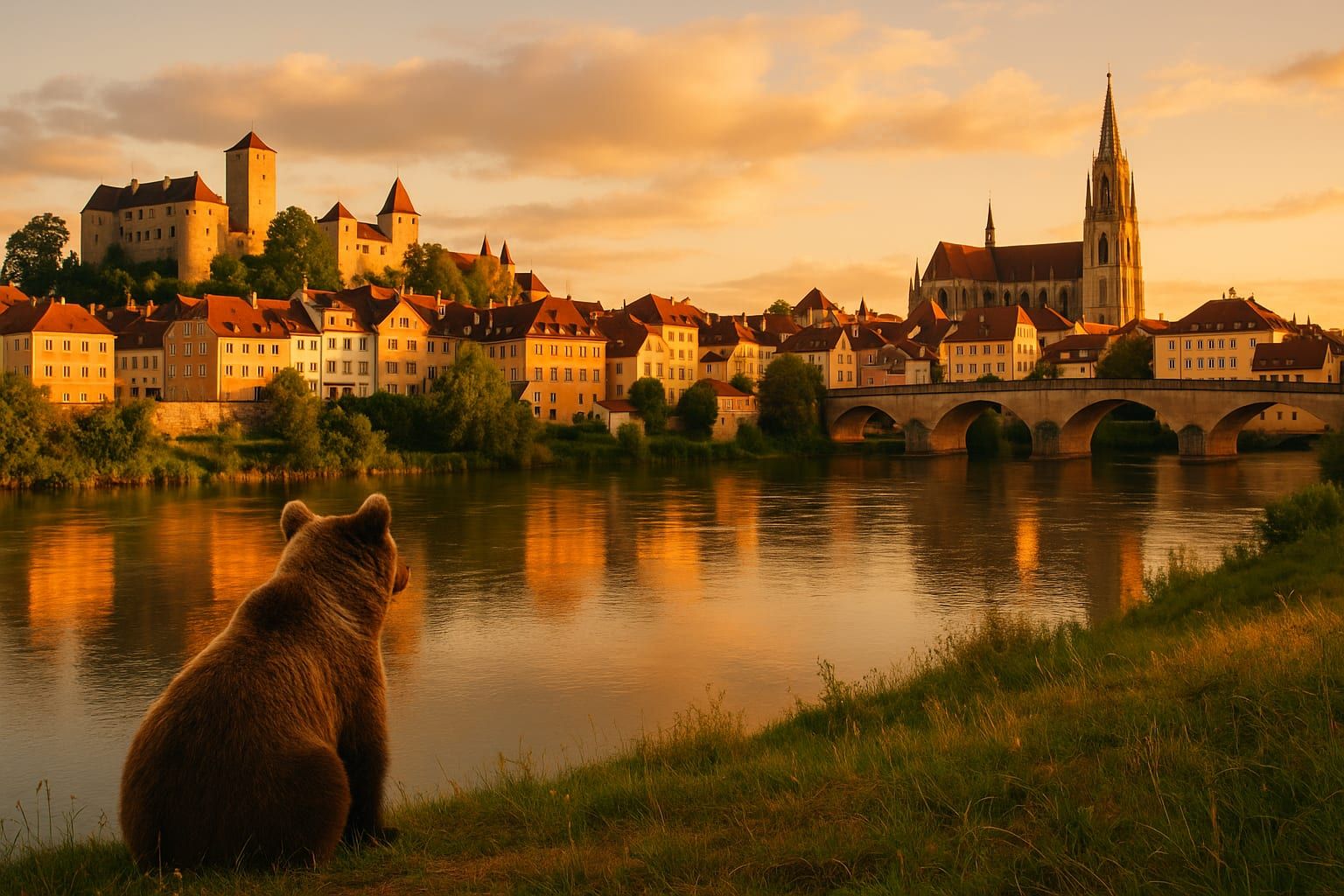
Bear Watching in Europe: Ethical Tours
A practical guide to ethical bear-watching in Europe: where to go, how to pick responsible tours, safety and photography tips, and local insights from Slovenia to the Carpathians.
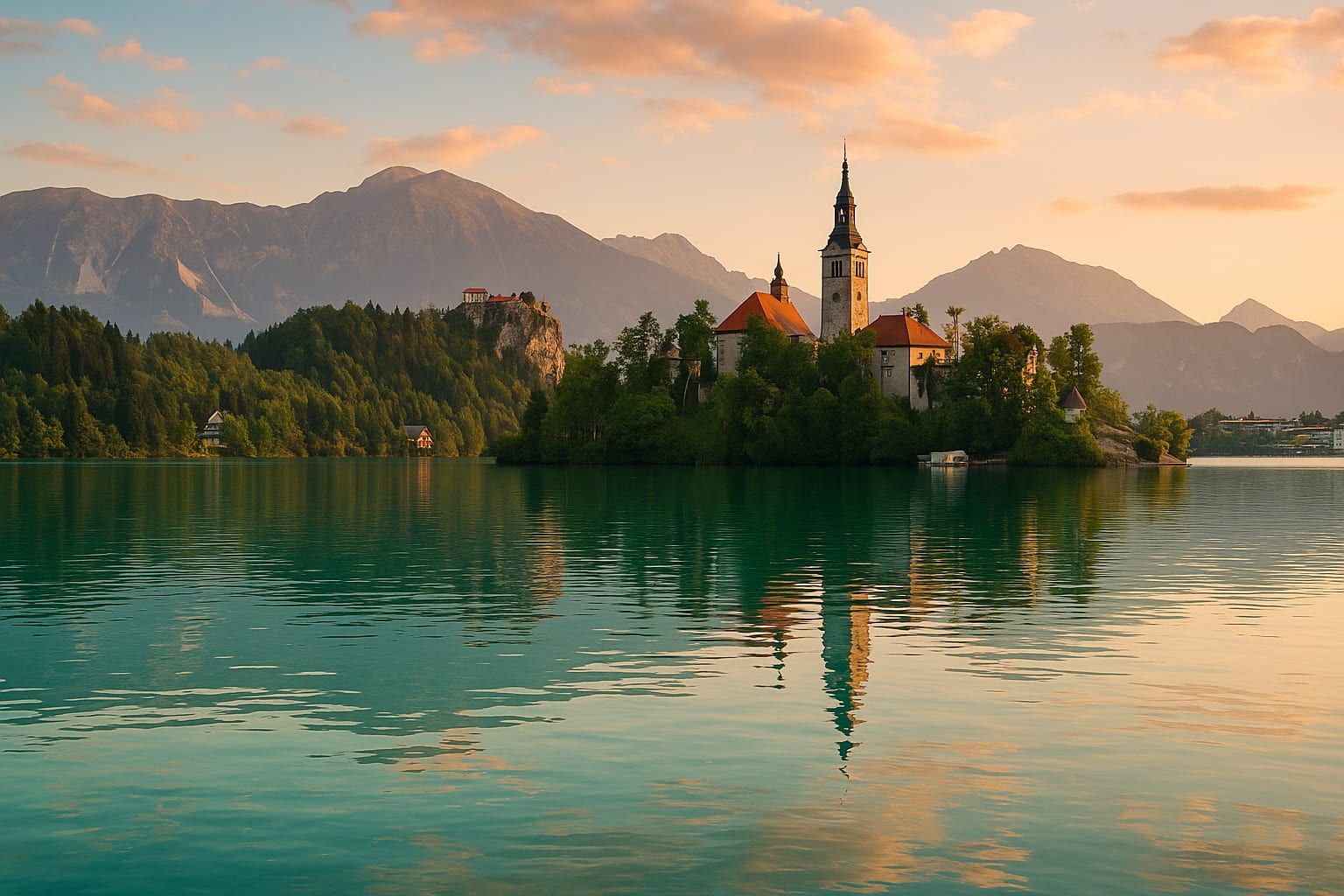
Best Lakes for Swimming in Europe
A practical guide to Europe's best lakes for swimming — top spots, seasons, access tips, safety advice and nearby attractions to plan your perfect freshwater dip.
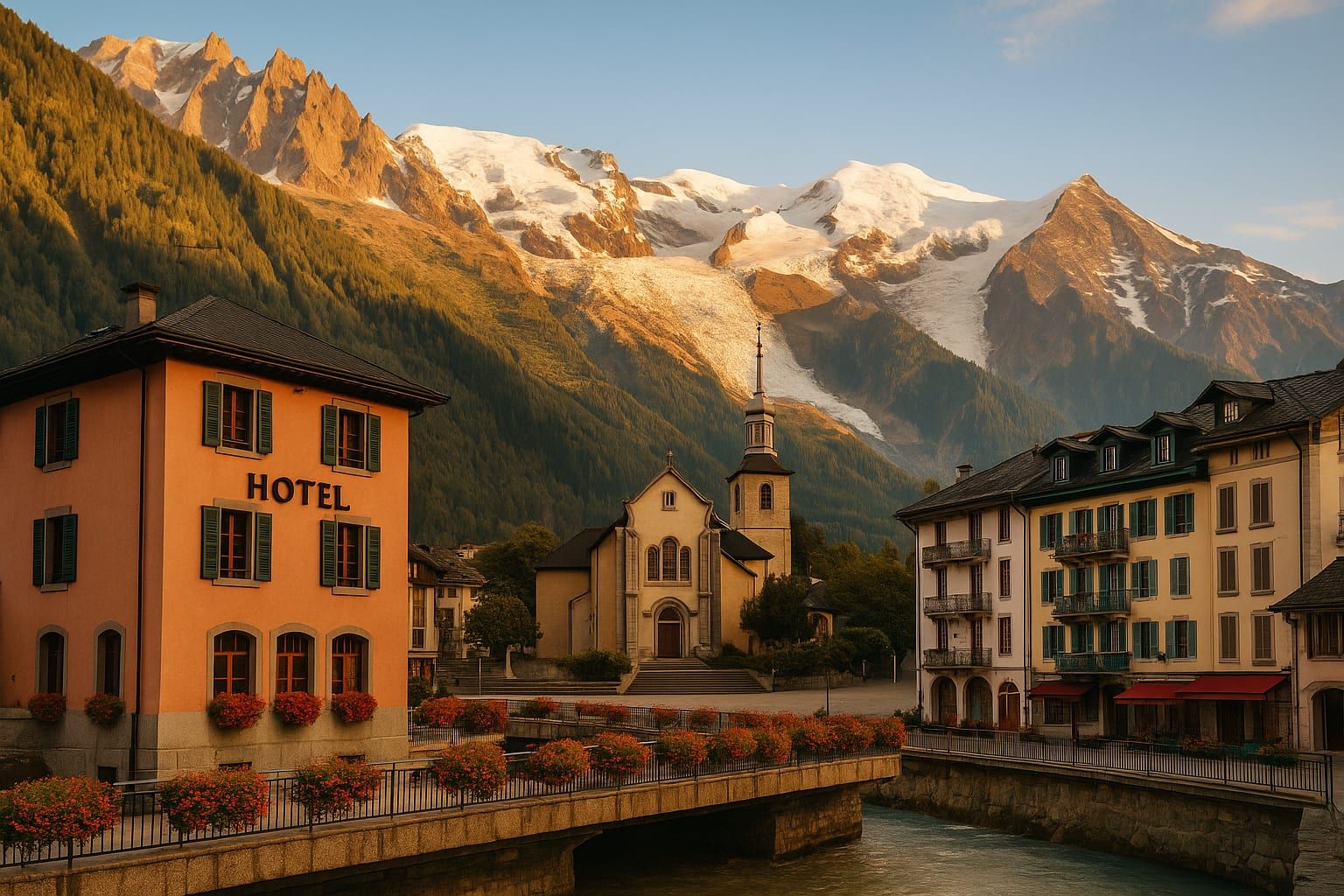
Tour du Mont Blanc: Complete Guide
Everything you need to plan, pack and hike the Tour du Mont Blanc: routes, huts, itineraries, logistics, safety tips and local insights for a successful 8–12 day circuit.