
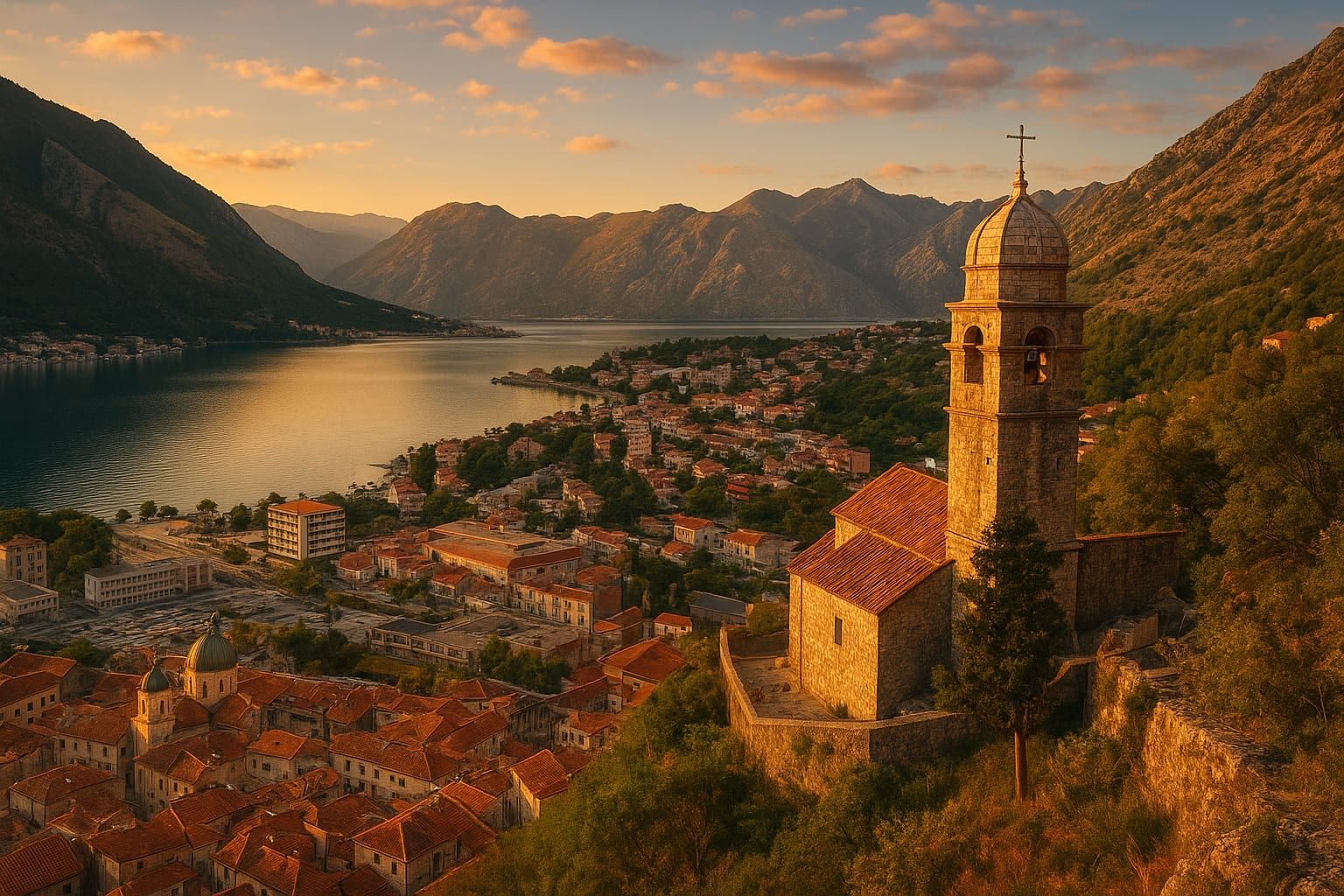
Tucked into the fjord-like Bay of Kotor, this medieval walled town feels frozen in time—UNESCO streets, Venetian palaces, steep fortress walks, and unspoiled Adriatic charm.
Kotor, Montenegro: The Fjord Town That Time Forgot
Kotor sits like a jewel at the innermost lip of the Bay of Kotor — a narrow, fjord-like inlet hugged by steep, fortress-studded hills. Surviving earthquakes, empires and the ebb and flow of maritime fortunes, its medieval streets, Venetian palaces and cliffside ramparts feel remarkably unchanged. For travelers who prize atmosphere over trendiness, Kotor is a time-capsule escape: compact, scenic and richly rewarding if you slow down and explore.
Why Kotor feels like a place time forgot
The Old Town of Kotor is a UNESCO World Heritage site whose stone streets and squares are largely intact from medieval and Venetian eras. Unlike larger Adriatic cities that have modernized their waterfronts, Kotor retains a lived-in stillness—fishing boats, neighborhood cafés, and the slow cadence of daily life.
Geography helps preserve that mood. The bay’s steep slopes hem in new development and create dramatic views that have been little altered for centuries. The town’s compact footprint encourages wandering: alleys reveal hidden churches, cramped artisan shops and small family-run konobas (tavernas) where the food and conversation are fiercely local.
A brief history in a paragraph
Kotor’s strategic position on the Adriatic made it desirable to Romans, Byzantines, Venetians and Austro-Hungarians. From medieval independence to centuries of Venetian rule, Kotor accumulated churches, palaces and a strong maritime tradition. The town’s defensive walls, which snake up the mountain to the fortress above, were built and rebuilt over centuries to guard against invaders and the sea.
What to see and do
Explore Kotor Old Town
Start at the main gate and lose yourself down the ribbed lanes. Key sights inside the walls:
- Cathedral of Saint Tryphon (St. Tryphon): An 12th-century Romanesque masterpiece with a treasury of relics and carved stonework. It’s the symbolic heart of Kotor.
- Pjaca (the Main Square): A good place to people-watch over coffee. Nearby palaces and the city clock tower anchor the town center.
- Maritime Museum: Learn why Kotor’s sailors and shipbuilders mattered across the Adriatic.
- Little squares and churches: Kotor packs dozens of chapels and palaces into a very small area; give yourself time to peek into side doors.
Climb to the Castle of San Giovanni (St. John)
One of Kotor’s signature experiences is the steep walk up the fortified trail to the ruined Castle of San Giovanni high above the town. The hike zigzags up through switchbacks and past battlements. It takes roughly 1–2 hours round-trip depending on pace. The payoff is spectacular: sweeping panoramas across the bay, terraced villages clinging to the slopes, and a humbling sense of how defensible this inlet once was.
Practical tip: Wear sturdy shoes, bring water and sun protection. Early morning or late afternoon hikes avoid the heat and cruise-ship crowds.
Take the water: Perast and Our Lady of the Rocks
A short boat ride or drive up the bay brings you to Perast, a polished baroque town with grand palaces and a different crust of maritime elegance. Don’t miss the tiny artificial islet of Our Lady of the Rocks with its white church and museum—local lore says it was created by sailors who threw rocks into the bay after surviving storms.
Boat tours in the bay are short and affordable. For a quieter experience, rent a kayak and paddle into hidden coves.
Sample the coastline and nearby towns
Drive the sinuous coastal road for postcard views. Nearby highlights include:
- Dobrota: A calmer waterfront village with seafood restaurants and waterfront promenade.
- Tivat and Porto Montenegro: For luxury marinas, cafés and a different, more modern vibe.
- Budva and Sveti Stefan: Bustling resorts if you want nightlife and beaches.
Food & drink: what to eat in Kotor
Kotor’s cuisine blends Montenegrin and broader Adriatic influences. Local specialties and tips:
- Fresh seafood: Grilled fish, calamari, octopus salad and black risotto (squid ink) are common.
- Njeguški pršut and cheeses: Cured ham from the Njeguši region is a beloved starter.
- Vranac: The country’s signature red wine—robust and well-suited to grilled meats.
- Rakija: A fruit brandy served in small measures; a Montenegro tradition.
Eat where locals eat: small konobas off the main tourist lanes typically serve better and cheaper food than the prime waterfront restaurants. Try ordering the catch-of-the-day and pair with a glass of local wine.
Where to stay
Kotor is small enough that location matters less than atmosphere. Staying inside the Old Town puts you within walking distance of sights but rooms tend to be compact and pricier. Nearby Dobrota and the hills above Kotor offer larger hotels, guesthouses and calm views across the bay.
If possible, stay overnight rather than doing a rushed day trip from Dubrovnik or Tivat—Kotor after the cruise ships depart, or in the early morning, shows its best side.
Practical travel tips and local insights
Getting there
- By air: Tivat Airport (TIV) is the closest — about 15–20 minutes by car. Podgorica (TGD) is about 90 minutes by road. Dubrovnik (DBV) across the Croatian border is an easy drive when borders are open.
- By bus: Montenegro’s bus network connects Kotor with Podgorica, Budva and Herceg Novi. Buses are frequent in summer.
- By car: Driving gives flexibility for bay-side viewpoints and day trips. Roads are generally good but narrow and winding—take your time.
Border note: If you cross from Croatia, be aware of EU border controls and check visa/entry requirements before travel.
Currency, language & practicalities
- Currency: Montenegro uses the euro (EUR) despite not being in the eurozone formally. Cash is handy in small shops; most restaurants accept cards.
- Language: Montenegrin is the official language. English is widely spoken in tourist areas.
- Electricity: 230V, sockets types C and F.
- Tipping: Common practice is around 10% in restaurants if service is good.
Avoiding the cruise crowd
Kotor is a popular cruise port and multiple ships can unload thousands of visitors into the Old Town mid-morning. To enjoy the town at its most peaceful:
- Visit very early (sunrise) or late afternoon/evening.
- Stay overnight so you experience the town after day-trippers leave.
- If hiking the fortress, start early; by mid-morning the lower trail can feel crowded.
Safety and health
Kotor is generally safe and welcoming for travelers. Take basic precautions: watch your belongings in crowded squares, carry water for hikes, and bring sturdy shoes for uneven streets and the fortress path.
Suggested itineraries
- One day: Morning walk the Old Town and Cathedral of St. Tryphon, midday boat to Perast and Our Lady of the Rocks, late afternoon climb to San Giovanni.
- Two days (recommended): Add a slower pace—an evening in the Old Town after cruise ships leave, a day trip to Lovćen or Budva, and a relaxed seafood dinner by the water.
If you have time for a broader Balkans loop, consider pairing Kotor with other underrated gems—our piece on 5 Underrated European Cities to Visit Before They Go Mainstream offers inspiration. For travelers mapping a multi-city trip in the region, Ljubljana is an easy next stop by road or rail; see our 3 Days in Ljubljana: The Perfect First-Timer's Itinerary for ideas.
Best time to visit
- Shoulder seasons (late spring and early autumn) are ideal: warm weather, fewer crowds, and good light for photos.
- Summer (July–August) brings hot weather and cruise-ship crowds; book ahead and prepare for higher prices.
- Winter is quiet and many tourist services reduce hours, but the town’s atmosphere is intimate and dramatic.
Local festivals and cultural tips
Kotor hosts several local events: maritime festivals in summer, classical and jazz concerts in historic settings, and small-town religious festivals. If you time your visit with a local celebration you’ll see Kotor’s community life at its liveliest.
Respectful behavior in religious sites is appreciated: cover shoulders and knees if visiting churches, speak quietly, and avoid flash photography where indicated.
Day trips and extensions
- Lovćen National Park: Drive up to the national park for alpine views and the mausoleum of Njegoš.
- Budva and Sveti Stefan: For beaches and nightlife.
- Herceg Novi: A fortress town at the bay’s entrance with coastal charm.
Kotor works well as a relaxed base from which to discover Montenegro’s dramatic coastline and mountain interiors.
Final thoughts
Kotor’s magic is low-key: it doesn’t dazzle like a resort city but rewards slow travel. Walk, listen and look—early morning mist on the bay, a cup of coffee in a quiet square, the climb up to the fortress as the town wakes. For travelers who love medieval streets, maritime history and dramatic coastal scenery, Kotor feels like a secret that refused to change.
Plan wisely—avoid peak cruise hours, stay at least one night, and savor the seafood and small-scale pleasures that make this fjord town feel, delightfully, like time forgot.
Happy travels, and remember to leave room for one more espresso on the square before you go.
Related
Keep Exploring
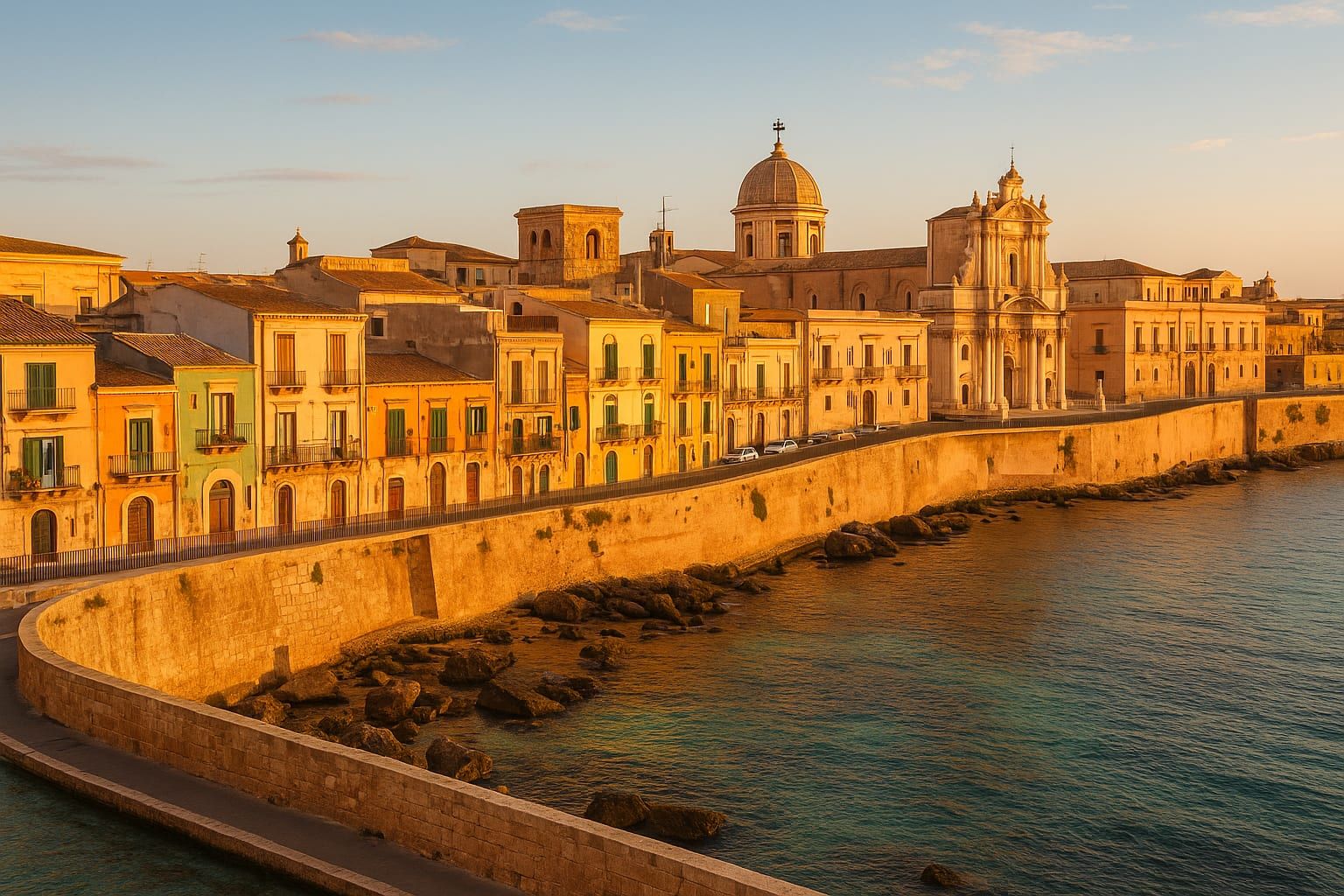
Siracusa: Sicily's Most Beautiful Ancient City
Siracusa is Sicily’s most beautiful ancient city: Greek theatres, Baroque Ortigia, seafood markets and sun-drenched alleys. This guide covers highlights, food, itineraries and practical tips.
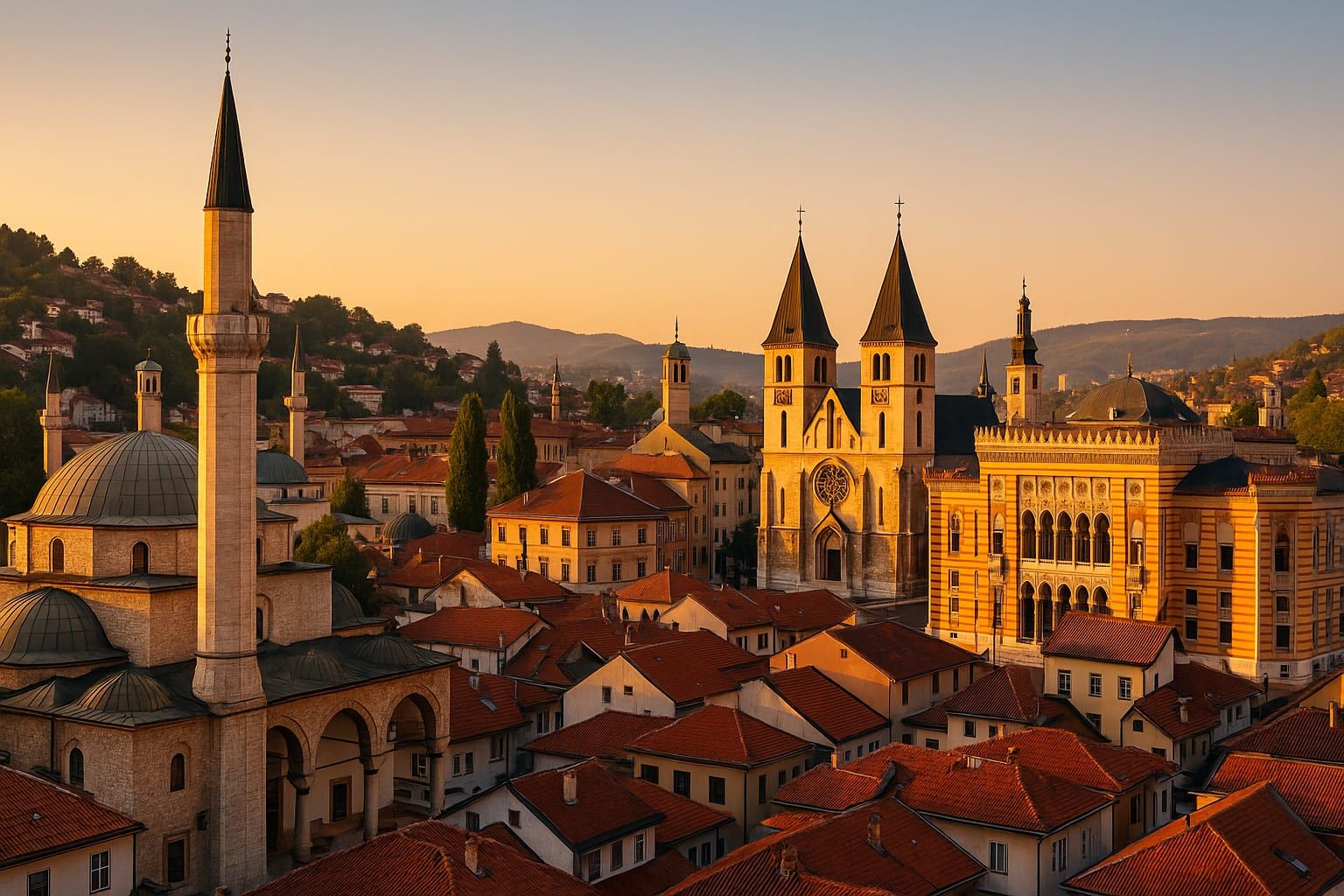
Sarajevo: Europe's Jerusalem You've Never Visited
Discover Sarajevo — a compact, soulful capital where mosques, churches and synagogues stand within earshot, Ottoman bazaars meet Austro-Hungarian boulevards, and history hums in every street.
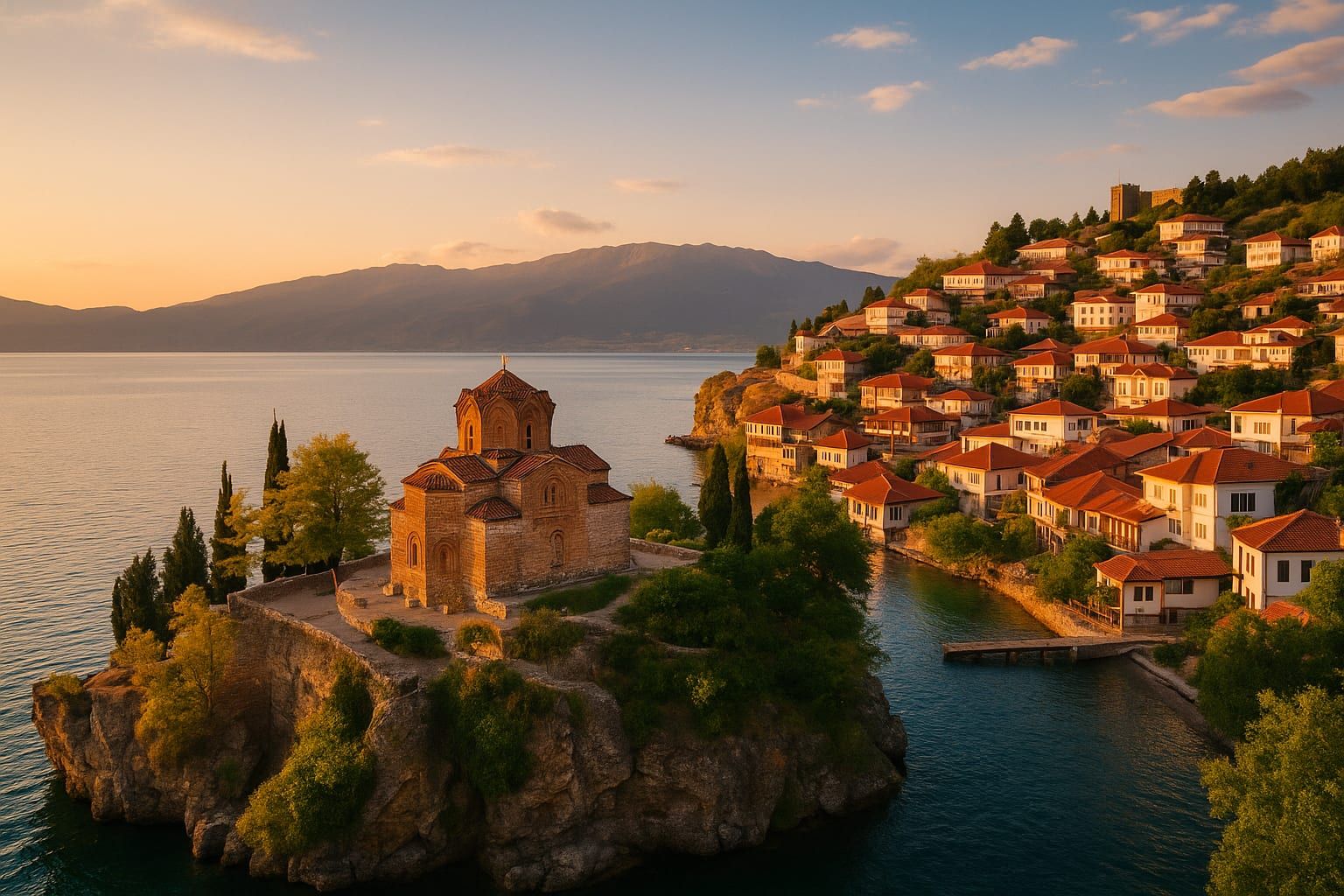
Ohrid: Europe's Hidden Lake Paradise
Discover Ohrid, North Macedonia — a UNESCO lakeside jewel. From crystal-clear Lake Ohrid and ancient churches to hidden beaches and local food, this practical guide covers what to see, do and how t...