
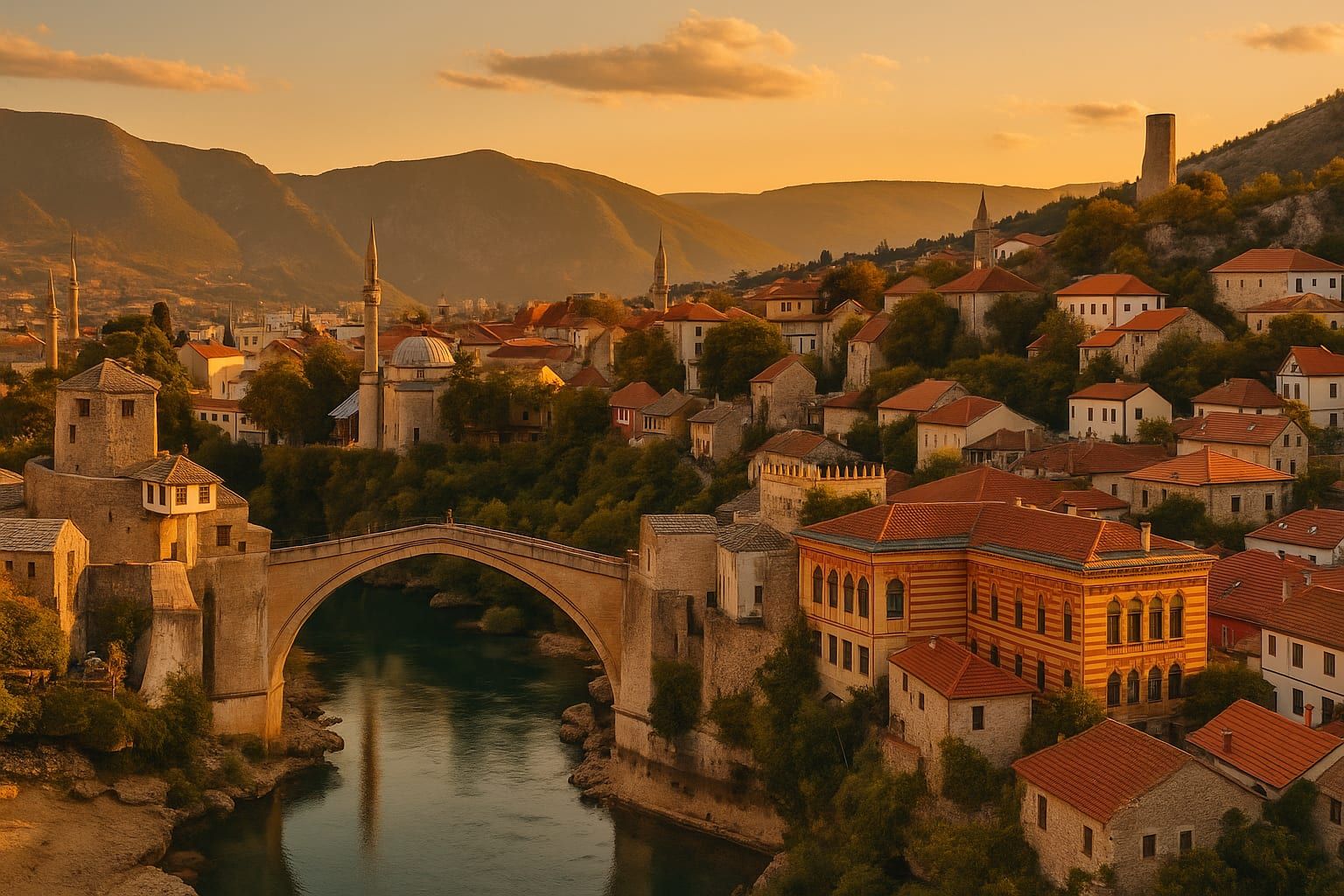
A traveler's guide to the Balkans that untangles history, explains cultural diversity, and gives practical tips — from food and festivals to routes and local etiquette.
Understanding the Balkans: History & Culture
The Balkans are one of Europe's most fascinating — and frequently misunderstood — regions. Compact but complex, the peninsula is a mosaic of languages, faiths, cuisines and landscapes shaped by millennia of migration, empire-building and cultural exchange. This guide is written for travellers who want context as they explore, helping you read the monuments, taste the food, and meet people with a clearer sense of why the Balkans feel so layered.
Why the Balkans matter for travellers
- Geography: a bridge between Mediterranean Europe and inland Central/Eastern Europe — mountains and coastline in tight contrast.
- Cultural crossroads: Catholic, Orthodox and Muslim traditions live side-by-side alongside Ottoman, Austro-Hungarian and Byzantine legacies.
- Value and variety: you can hike alpine trails, swim Adriatic beaches, wander Ottoman bazaars, and visit Roman ruins within a few hours' drive.
Whether you want a coastal town like Kotor, a lively capital like Tirana, or slow mornings over Bosnian coffee in Sarajevo, a little historical context sharpens the experience.
A concise history of the Balkans
The region’s story is long; here’s a simplified timeline to make sense of what you’ll see.
Ancient and Classical eras
Greek city-states dotted the southern coasts; inland, Thracian, Illyrian and Dacian peoples thrived. From the 1st century BC most of the peninsula was incorporated into the Roman Empire, leaving roads, amphitheatres and urban plans that persist in cities such as Plovdiv and Split.
Byzantine and early medieval period
After Rome’s split, the Byzantine (Eastern Roman) Empire influenced religion, art and administration for centuries. From about the 6th–7th centuries Slav peoples migrated into the region, blending with earlier populations and forming the basis for many modern Balkan nations.
Ottoman centuries (14th–19th centuries)
Large portions of the Balkans came under Ottoman rule for up to 500 years, imprinting architecture, cuisine, legal customs, and Islam — today’s mosques and bazaars in cities such as Sarajevo and Mostar are reminders.
19th–early 20th centuries: nationalism and empire collapse
As Ottoman and Habsburg power waned, nationalist movements emerged. The Balkan Wars and World War I dramatically redrew borders; the assassination in Sarajevo (1914) lit the fuse for WWI.
20th century: Yugoslavia and its breakup
After WWII, socialist Yugoslavia united several South Slavic peoples under a single state led by Tito, an experiment in multiethnic federalism. With the Cold War’s end and the dissolution of communism, the 1990s saw the violent breakup of Yugoslavia and wars in Croatia, Bosnia and Kosovo; those conflicts still shape politics and memory across the region.
Post-1990s to present
Progressive stabilization, EU accession for some countries, and booming tourism have transformed many cities. But historical memories, minority rights and economic disparities remain part of the conversation.
The cultural landscape: identities, languages and faiths
The Balkans are not a single culture but a patchwork.
- Languages: Slavic languages (Serbian, Croatian, Bosnian, Bulgarian, Macedonian, Slovene), Albanian, Greek, Romanian (a Romance language), Turkish and Hungarian in pockets. Multilingualism is common in border towns.
- Religions: Eastern Orthodox Christianity, Roman Catholicism, Islam, and smaller Jewish and Protestant communities. Religious architecture often stands side-by-side: churches, mosques and cathedrals in the same skyline.
- Identities: National identity is deeply felt. Local histories and family stories are important; approach conversations about politics and borders with curiosity and caution.
Local insight: people often identify first with their city, village or region — not just with the nation-state. Ask about local festivals, family recipes or a town’s patron saint to connect beyond headlines.
Food, drink and market culture
Food tells many of the Balkans’ stories: Ottoman, Mediterranean and Central European influences collide.
- Breakfast and coffee: Bosnian coffee (served like Turkish coffee) is ritualised — don’t rush it. In Slovenia and Croatia, coffee culture mirrors central Europe: espresso in pedestrian squares.
- Staples: fresh bread, grilled meats (ćevapi), burek (filled phyllo), stuffed peppers, diverse cheeses and hearty stews. Fish and seafood dominate along the Adriatic coast.
- Sweets: baklava, kadaif, and regional pastries. Try local honey and rakija (fruit brandy) — often homemade and offered as hospitality.
Practical tip: markets are perfect for sampling local cheese, cured meats, seasonal fruit and pastries. Bargaining at markets is acceptable in many places but be polite.
Music, arts and traditions
From Byzantine chant and Orthodox iconography to Ottoman-influenced sevdalinka (Bosnian soul music), and lively brass bands in Serbia, the Balkans’ music ranges widely.
- Dance: traditional circle dances (hora, kolo) are common at weddings and festivals.
- Crafts: wood carving in Montenegro, intricate embroidery in Albania and Macedonia, and ceramics in parts of Bulgaria and Romania.
Local insight: festivals are often local, family-centered events where outsiders are welcome if you join respectfully. Check a town’s calendar before you travel to catch a saint’s day, harvest festival or brass band competition.
Architecture and urban character
Expect Roman ruins, Ottoman bazaars, baroque Austro-Hungarian boulevards, socialist-era blocks, and gleaming modern museums.
- Examples: the Old Bridge in Mostar (reconstructed after the 1990s war), Ottoman bazaars in Sarajevo, Roman theatre in Plovdiv, Venetian walls in Dubrovnik, and Austro-Hungarian squares in Zagreb and Sarajevo.
Tip: take walking tours in older quarters — local guides often share stories behind monuments and explain contested histories.
Practical travel tips
When to go
- Late spring (May–June) and early autumn (September–October) offer warm weather, fewer crowds on coasts, and festival seasons inland.
- Winter is excellent for Balkan skiing and thermal spas.
Getting around
- Trains connect many larger cities (Slovenia, Croatia, Serbia, Bulgaria) but schedules can be slow. Buses are efficient for regional travel and reach smaller towns.
- Renting a car gives freedom — mountain passes and coastal roads are scenic — but be prepared for variable road quality and differing driving cultures.
- For a structured route, consider a multi-country road trip. See our Ultimate Balkans Road Trip for a 2-week idea: /en/itineraries/ultimate-balkans-road-trip-2-weeks-itinerary.
Borders & visas
- EU members (Slovenia, Croatia, Romania, Bulgaria) may use Schengen rules (Croatia joined Schengen in 2023). Non-EU visitors should check visa requirements for each country; some countries allow transit without visas for short stays.
- Cross-border travel is usually straightforward, but expect queues in peak season and occasional paperwork for car rentals crossing multiple countries. Have your passport handy.
Money & costs
- Currencies vary: euro in Slovenia, Montenegro and Kosovo (unofficial in some places), kuna in Croatia (transitioning to euro), lev in Bulgaria, dinar in Serbia, lek in Albania. ATMs are widely available in cities but carry cash in rural areas.
- The Balkans are generally budget-friendly compared to Western Europe, but prices on Adriatic hotspots (Dubrovnik, Hvar) can be high in summer.
Safety & local etiquette
- Safety: most visits are trouble-free. Be mindful in border regions where political tensions persist. Avoid political demonstrations and be respectful of war memorials and recently contested sites.
- Etiquette: modest dress in religious sites; remove shoes if invited into someone’s home in some Muslim-majority areas; accept small hospitality gestures politely.
- Tipping: 5–10% in restaurants is acceptable; round up taxi fares.
Local insight: show curiosity but avoid rehashing conflict narratives as debate fodder. Ask locals about food, music or family history instead — those stories open doors.
Sample itineraries & highlights
Short trip (5–7 days): Ljubljana — Lake Bled — Postojna caves — Piran (coast). For a focused Slovenia plan see /en/itineraries/one-week-in-slovenia-mountains-caves-coast.
Classic Balkan loop (10–14 days): Zagreb — Plitvice Lakes — Split — Dubrovnik — Kotor — Mostar — Sarajevo — Belgrade. Add Sarajevo’s Baščaršija bazaar and a Bosnian coffee ritual.
Deep cultural route (2 weeks+): Bulgaria’s Sofia and Plovdiv (vibrant historic centre and Roman ruins), Romania’s Brasov and Transylvania castles, and Albania’s Adriatic coast and Ottoman towns. Read a culture-focused profile of Plovdiv: /en/hidden-gems/plovdiv-europe-best-kept-secret-culture-lovers.
Local tip: combine coast and mountains. For example, after Dubrovnik or Kotor, head inland to Podgorica or Cetinje for cooler trails and authentically local mountain cuisine.
Responsible travel in the Balkans
- Respect local communities and fragile heritage sites. Don’t climb or lean on monuments that request no-touch.
- Support local economies by buying at markets, dining in family-run konobas (tavernas), and booking local guides.
- Learn a few words: hvala (thank you) works in many Slavic languages; përshëndetje is useful in Albania; dohle is not universal — a smile goes far.
Final thoughts: how to read the region as you travel
The Balkans reward patience and curiosity. Monuments and museums tell one story; family kitchens and raconteurs tell another. Look for layers: a Roman arcade with Ottoman woodwork nearby; a mosque and a church sharing a square. Ask about food origin, listen to music in a café, take a local bus, and you’ll find the historical and cultural strands slowly weave together into a richer, empathetic understanding.
Travel is the best way to replace stereotypes with nuance. Whether you're wandering the marble streets of Dubrovnik, hiking Slovenian karst landscapes, or sipping rakija beside a Bosnian river, the Balkans will challenge and delight in equal measure.
Safe travels — and enjoy the layers.
Related
Keep Exploring
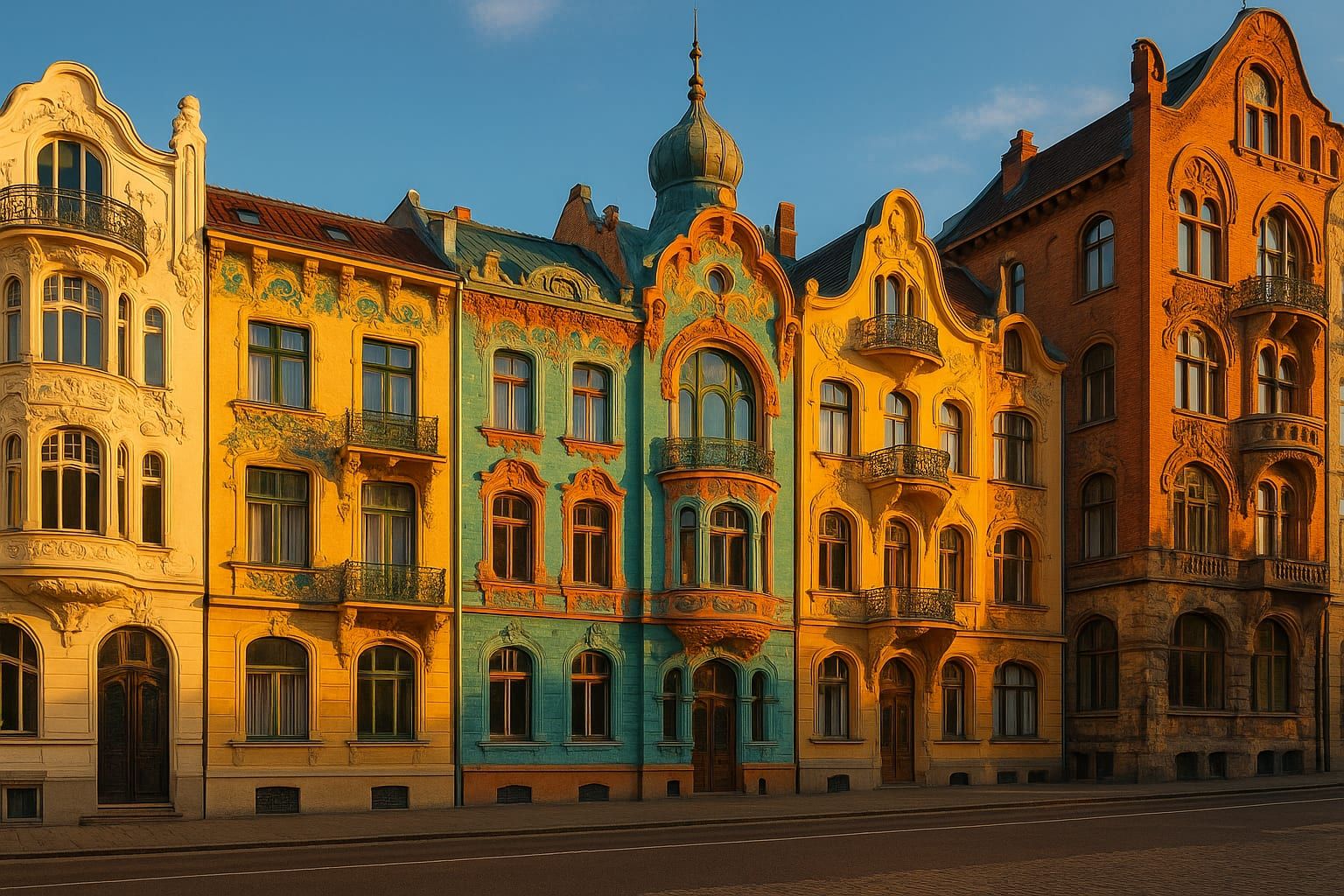
The Art Nouveau Trail: Europe's Most Beautiful Buildings
Discover Europe's finest Art Nouveau and Modernisme — from Riga's ornate façades to Gaudí's Barcelona masterpieces. A practical guide to must-see buildings, walking routes and local tips.
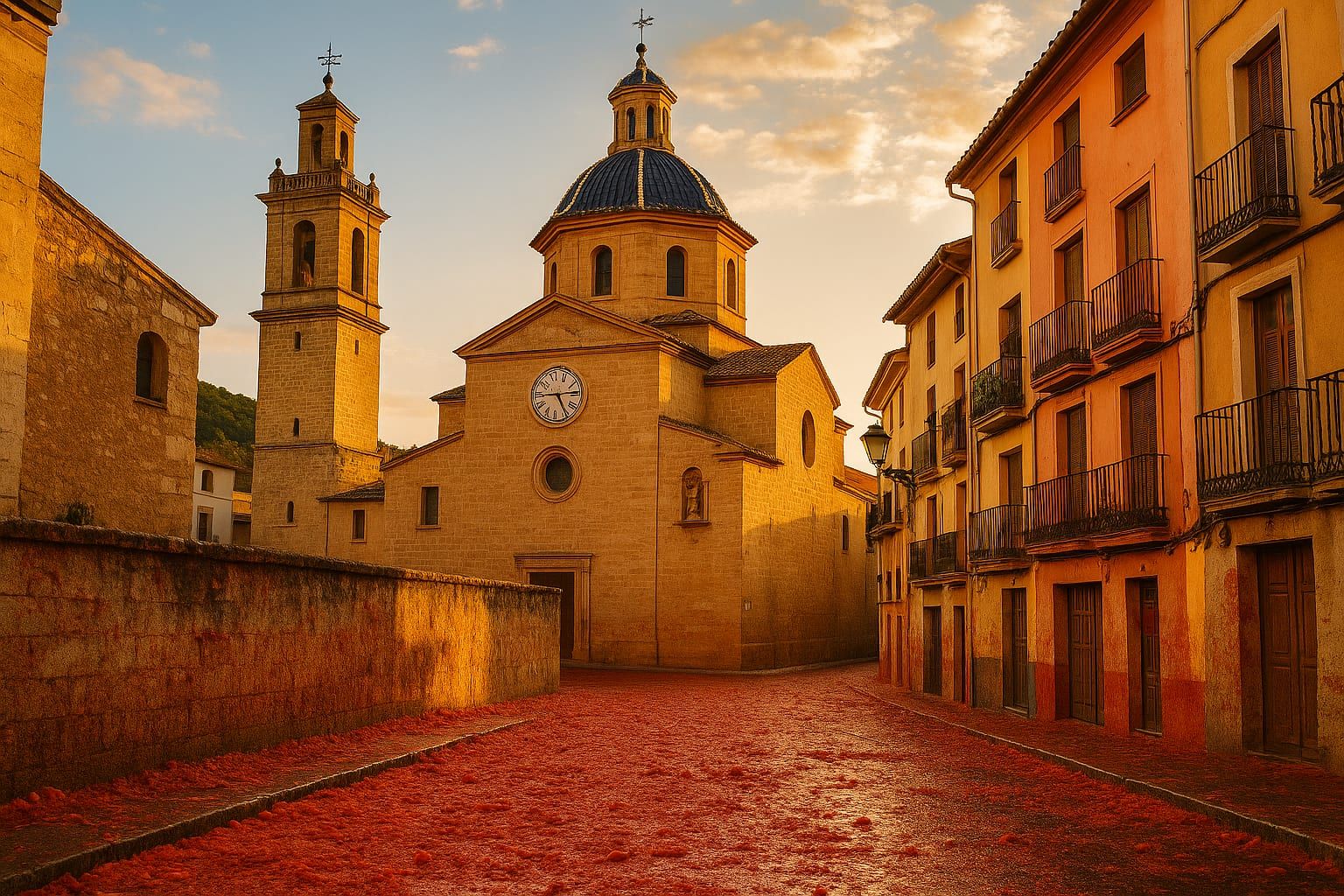
La Tomatina & Spain's Craziest Festivals
From Buñol’s tomato-soaked streets to bull runs and firework-soaked plazas, explore La Tomatina and Spain’s wildest festivals with practical tips, history, and local insights.
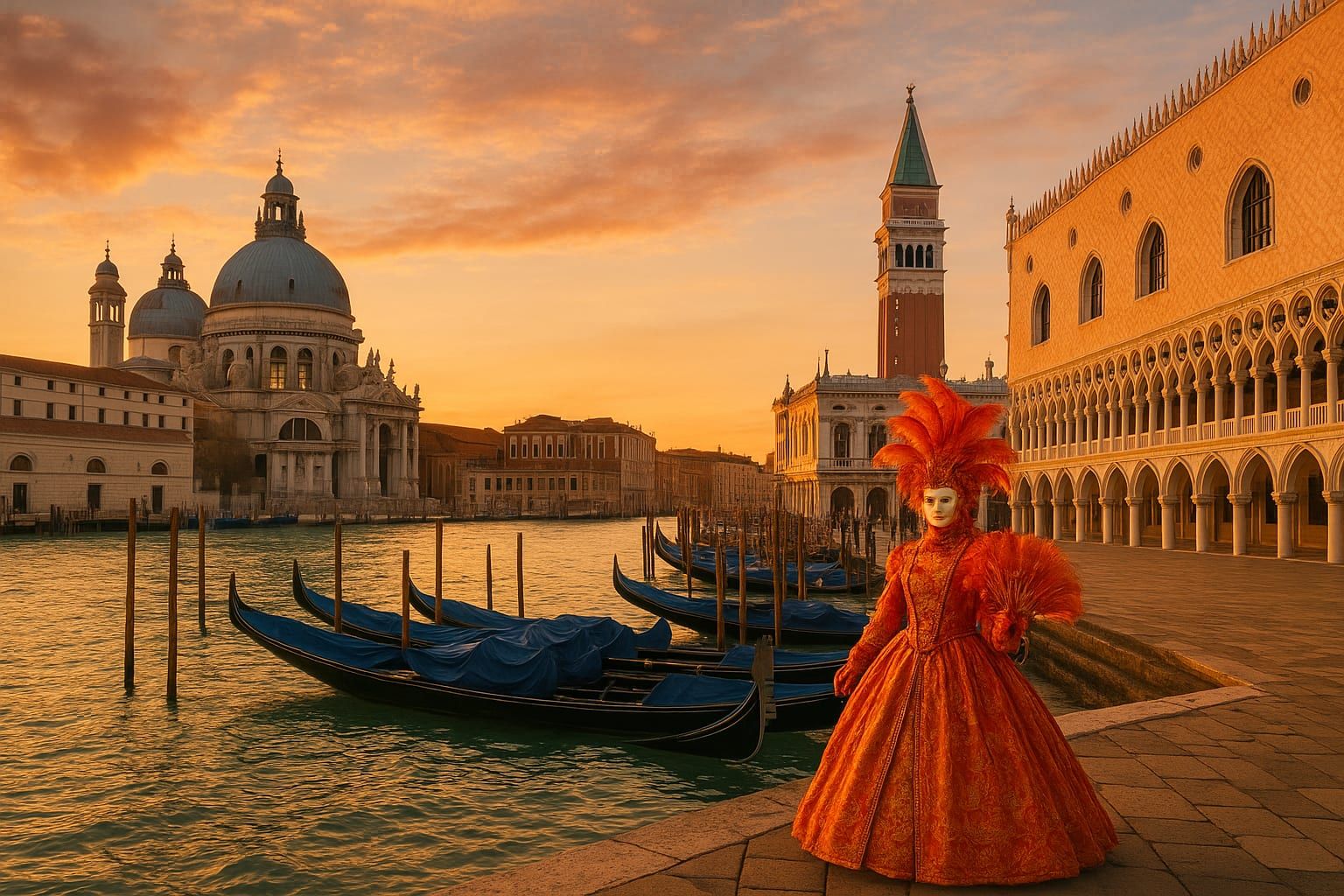
Carnival in Venice: Complete Guide
Everything you need to know to experience Venice Carnival: history, key events, costume tips, where to watch, budgets, and smart planning for an unforgettable Carnevale in Venice.