
Douro Valley: Port Wine & Stunning Terraces
Discover the Douro Valley’s UNESCO terraced vineyards, centuries of Port-making, scenic river cruises, and practical tips—where wine, landscape and tradition meet.
Douro Valley: Port Wine & Stunning Terraces
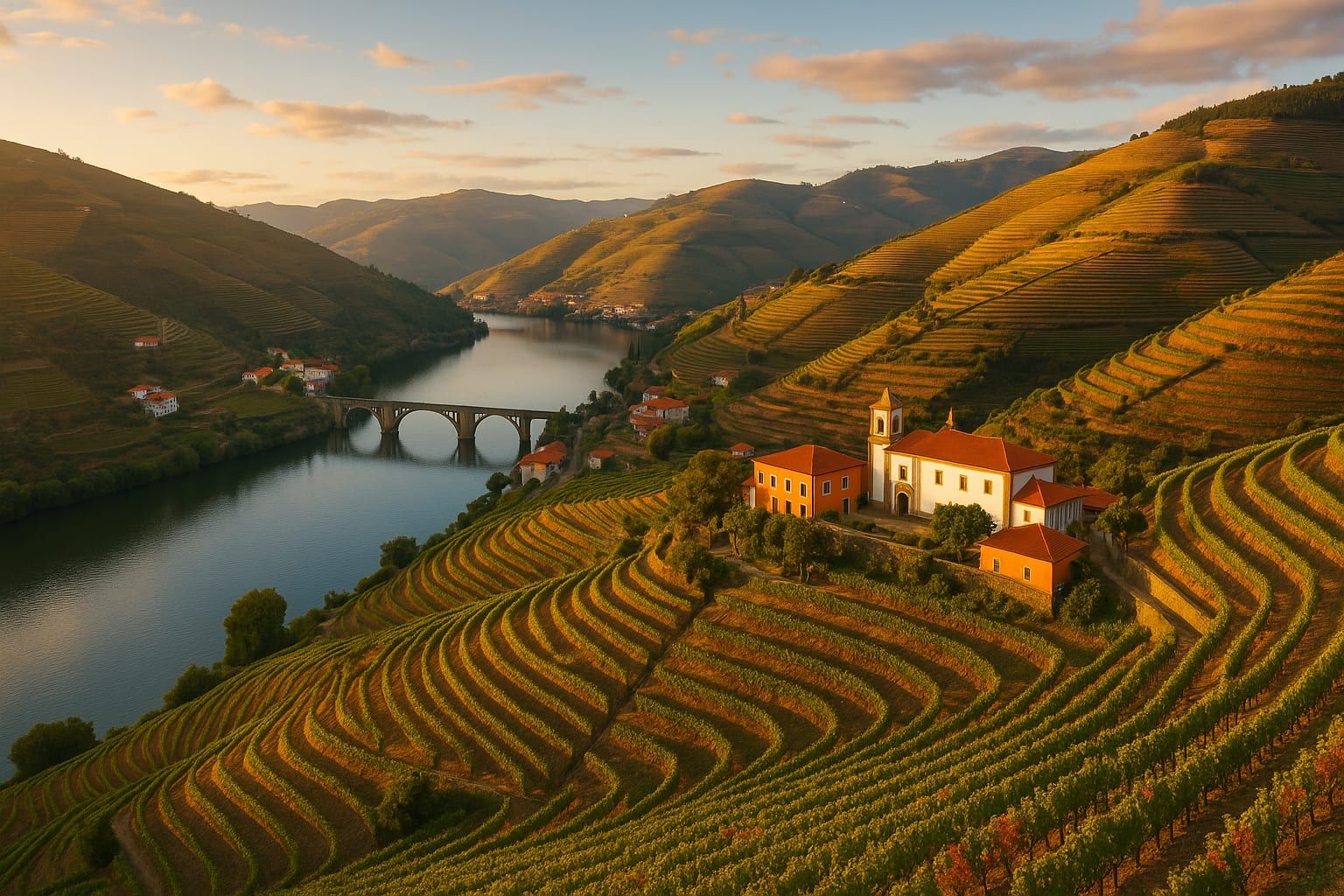
There are landscapes that stop you in your tracks and flavors that take you back in time. The Douro Valley is both: a ribbon of river winding through dramatic, hand-carved terraces where generations have coaxed grapes from schistous slopes to make the world’s most famous fortified wine — Port. Designated a UNESCO World Heritage site, the Douro is a blend of history, labor, and landscape so distinctive that it defines Portugal’s wine culture.
Why the Douro Valley matters
The Douro Valley is the birthplace — and the legally protected home — of Port wine. The region’s steep terraces, known locally as socalcos, were shaped by centuries of work to create arable plots on otherwise unforgiving slopes. Those terraces, plus the unique Douro climate and native grape varieties (Touriga Nacional, Touriga Franca, Tinta Roriz and more), produce grapes with the concentration and acidity suited to Port’s oxidized, fortified style.
Beyond wine, the Douro is a living cultural landscape: stone farmhouse quintas, age-old lagares (granite troughs) for treading grapes, and villages that feel frozen in time. It’s a destination for slow travel — the kind of place where you measure days by tastings, sunsets over the river, and the gentle click of oars on a summer morning.
Getting there and getting around
H2: Gateways and transport options
- Porto is the natural gateway. It’s a 1.5–2.5 hour drive east to the heart of the Douro depending on your stop (Peso da Régua, Pinhão, or beyond). If you’re short on time, trains run from Porto’s São Bento and Campanhã stations to Peso da Régua and Pinhão — scenic and comfortable.
- Driving is the most flexible way to explore: narrow country roads hug the river, and a car lets you hop between quintas and lookout points. Rent a smaller car for easier handling on steep, winding lanes.
- River cruises offer a different perspective: from short 1–2 hour trips to week-long cruises, traveling by boat is a peaceful way to see terraces from the water.
H3: Trenches, roads and river — choose your pace
- Train: scenic, slower, and ideal if you want to relax and sip Port. The line to Pinhão runs right along the river.
- Car: best for independent exploration and hitting off-the-beaten-track quintas.
- Boat: choose a day cruise or a multi-day voyage for a hotel-on-the-water experience.
Best places to visit in the Douro
H2: Peso da Régua — the administrative hub
Often the first stop, Peso da Régua hosts the Douro Museum, which lays out the geography, history, and winemaking traditions of the valley. It’s a practical base for logistics and a good introduction to the region’s terroir.
H2: Pinhão — postcard-perfect and central
Pinhão is the Douro’s most photographed village: the train station’s azulejo tiles depict vineyard scenes, and centuries-old quintas dot the riverbanks. It’s a superb place to stay overnight — many travelers book a quinta guest room and wake to vineyard views.
H2: Lamego and São João da Pesqueira
Lamego offers historic architecture and the dramatic Sanctuary of Nossa Senhora dos Remédios. São João da Pesqueira, one of the oldest wine towns, gives a more rural, off-grid perspective on Douro life.
H2: Douro Superior — wilder, more remote
Beyond Pinhão, the valley widens and the landscape becomes more extreme. Douro Superior is less touristy and ideal if you want solitude, dramatic vistas, and small, family-run quintas.
Quintas, lagares and tasting Port — what to expect
H2: What is a quinta?
A quinta is a wine estate — often a working farm and cellar — and many quintas welcome visitors for tours, tastings, and even overnight stays. Each quinta has its personality: some focus on classic Port styles, others produce dry Douro table wines.
H2: Types of Port (simple guide)
- Ruby Port: fruity, youthful, usually best consumed young.
- Tawny Port: aged in wood, oxidative, nutty flavors; labeled with age statements (10, 20, 30, 40 years).
- Vintage Port: from a single exceptional harvest, aged in bottle — the most collectible.
- Late Bottled Vintage (LBV): a more affordable, approachable vintage-style Port.
H3: The tasting experience
Most quintas offer guided tastings that walk you through styles and pairings (cheese, nuts, chocolate). Ask about the vineyard’s grape varieties, fermentation practices, and whether they use lagares for foot-treading — a dramatic, traditional sight during harvest.
Practical tip: Tasting fees are common but often waived with a bottle purchase. Book in advance during high season or harvest.
Best time to visit
H2: Seasons and what they offer
- Spring (April–June): lush terraces, wildflowers, mild weather — excellent for hiking and photography.
- Summer (July–August): warm to hot; the vineyards are sunlit and dramatic but expect high temperatures and busy weekends.
- Harvest season (September–October): the most atmospheric time. You may see foot-treading in lagares and join harvest festivals, but book well in advance.
- Winter (November–March): quiet, cheaper, and moody. Many quintas close for a few weeks, but you’ll enjoy peaceful vistas.
Local insight: The light during early autumn and late spring is extraordinary for photography — golden hours stretch long over the river and terraces.
Outdoor activities: beyond wine
H2: Scenic drives and viewpoints
Drive the N222 — often called the world’s most beautiful road — between Peso da Régua and Pinhão. Stop at viewpoints such as São Leonardo de Galafura and Miradouro de Casal de Loivos for panoramic photos.
H2: Hiking and cycling
There are marked trails and quieter farm tracks for hiking between quintas. E-bike rentals are growing in popularity and are a great way to tackle the hills without exhausting yourself.
H2: River activities
Kayaking, short boat trips, and multi-day cruises let you experience the valley from the water. Morning mist over the Douro is especially magical.
Where to stay: quintas, hotels and villages
H2: Stay on a quinta
For the full experience, spend at least one night in a quinta. Many offer comfortable rooms, home-cooked meals, and the chance to wake to vineyard views. If you can, book a room during harvest to be part of the seasonal bustle.
H2: Town stays
Pinhão and Peso da Régua have several hotels and guesthouses and are more convenient for restaurants and transport links. For a more cosmopolitan beginning or end to your trip, base yourself in Porto — see practical itineraries like our roundup for exploring Porto and the wider region: /en/hidden-gems/porto-europe-most-underrated-city-break and plan longer journeys with this road-trip guide: /en/itineraries/one-week-portugal-lisbon-to-porto-road-trip.
Local insight: Splurge one night in a historic quinta for a memorable dinner and sunrise over the terraces.
Food and pairings
Douro cuisine is hearty and regional: roast goat, slow-cooked pork, salt cod (bacalhau), and stews served with bread and olive oil. Port pairs beautifully with regional cheeses, almond pastries, and chocolate desserts.
Practical tip: Ask your tasting host about local specialties and where to eat in nearby villages — many family-run restaurants don’t appear on big review sites.
Practical tips and local insights
H2: Money, language and opening hours
- Currency: Euro. Many rural shops are cash-friendly; carry some euros for small purchases.
- Language: Portuguese is primary. Many winery staff and hotel workers speak English, but learning a few phrases goes a long way.
- Hours: Many quintas and rural restaurants operate on flexible schedules. Book tastings and dinners in advance, especially during harvest.
H2: Driving tips
- Roads can be narrow and steep; take it slow and expect hairpin turns.
- GPS is useful, but local signage matters — have an offline map as backup.
- Many terraces are accessed by short dirt tracks; park in designated areas and respect private property.
H2: Buying and shipping wine
- Quintas sell bottles and often ship internationally, but check customs and shipping costs.
- Many shops will pack bottles for travel; consider shipping if you buy expensive or multiple bottles.
H2: Responsible tasting
- Port is fortified and rich; sip slowly and pair with food.
- If you’re driving, space tastings across days or designate a driver.
H2: Festivals and events
- Harvest festivals in September/October are lively — bring sturdy shoes and patience for crowds.
- Local festas often feature traditional music, dancing, and regional food.
Sample 3-day itinerary
H2: Day 1 — Porto to Peso da Régua
- Morning: Train or drive from Porto to Peso da Régua.
- Afternoon: Visit the Douro Museum and stroll the riverside.
- Evening: Dinner at a local restaurant; overnight in Régua or nearby quinta.
H2: Day 2 — Pinhão and quintas
- Morning: Short drive or train to Pinhão; visit the azulejo-tiled train station.
- Midday: Tour a quinta with a cellar visit and tasting.
- Afternoon: Scenic viewpoint stops and a short river cruise at sunset.
- Evening: Overnight in a quinta at Pinhão.
H2: Day 3 — Douro Superior or Lamego
- Option A: Continue upriver to Douro Superior for solitude and small producers.
- Option B: Head to Lamego for history and architecture before returning to Porto.
Practical tip: Adjust days depending on your pace. Swap one day for a multi-day river cruise if you prefer to travel slowly.
Responsible travel and preservation
The Douro’s terraces are the result of centuries of human labor. As tourism grows, choose experiences that support local families and small producers. Stay in local guesthouses, buy directly from quintas, and follow marked trails to protect fragile slopes.
Local insight: Many small quintas are family-run and delight in sharing stories — a purchase or tasting is often a meaningful way to give back.
Final thoughts
The Douro Valley is a place of contrasts — raw landscape softened by human hands, ancient traditions alongside modern winemaking, quiet villages and sumptuous wines. Whether you go for a tasting, a slow river cruise, or to sleep under the vines at a quinta, the Douro rewards visitors who take their time. Pour a glass of tawny at sunset, look out over those centuries-old terraces, and you’ll understand why this landscape is protected and celebrated.
If you’re planning the gateway to the Douro from Porto, our guides on exploring Porto and road-tripping through Portugal can help you plan the perfect start or finish to your Douro adventure: /en/hidden-gems/porto-europe-most-underrated-city-break and /en/itineraries/one-week-portugal-lisbon-to-porto-road-trip.
Cheers — or, as they say in Portugal, Saúde!
Related

Keep Exploring
Wine Tourism in France: Bordeaux, Burgundy, Champagne
Plan a France wine trip across Bordeaux, Burgundy and Champagne — UNESCO sites, named châteaux and grandes maisons, TGV fares, and tasting prices from €25 to €300.
Wine Regions of Italy: Tuscany, Piedmont, Sicily, Veneto
Italy's four great wine regions in one guide — Tuscany's Chianti and Brunello, Piedmont's Barolo, Sicily's Etna and Marsala, Veneto's Amarone and Prosecco. EUR prices, named producers, train fares.
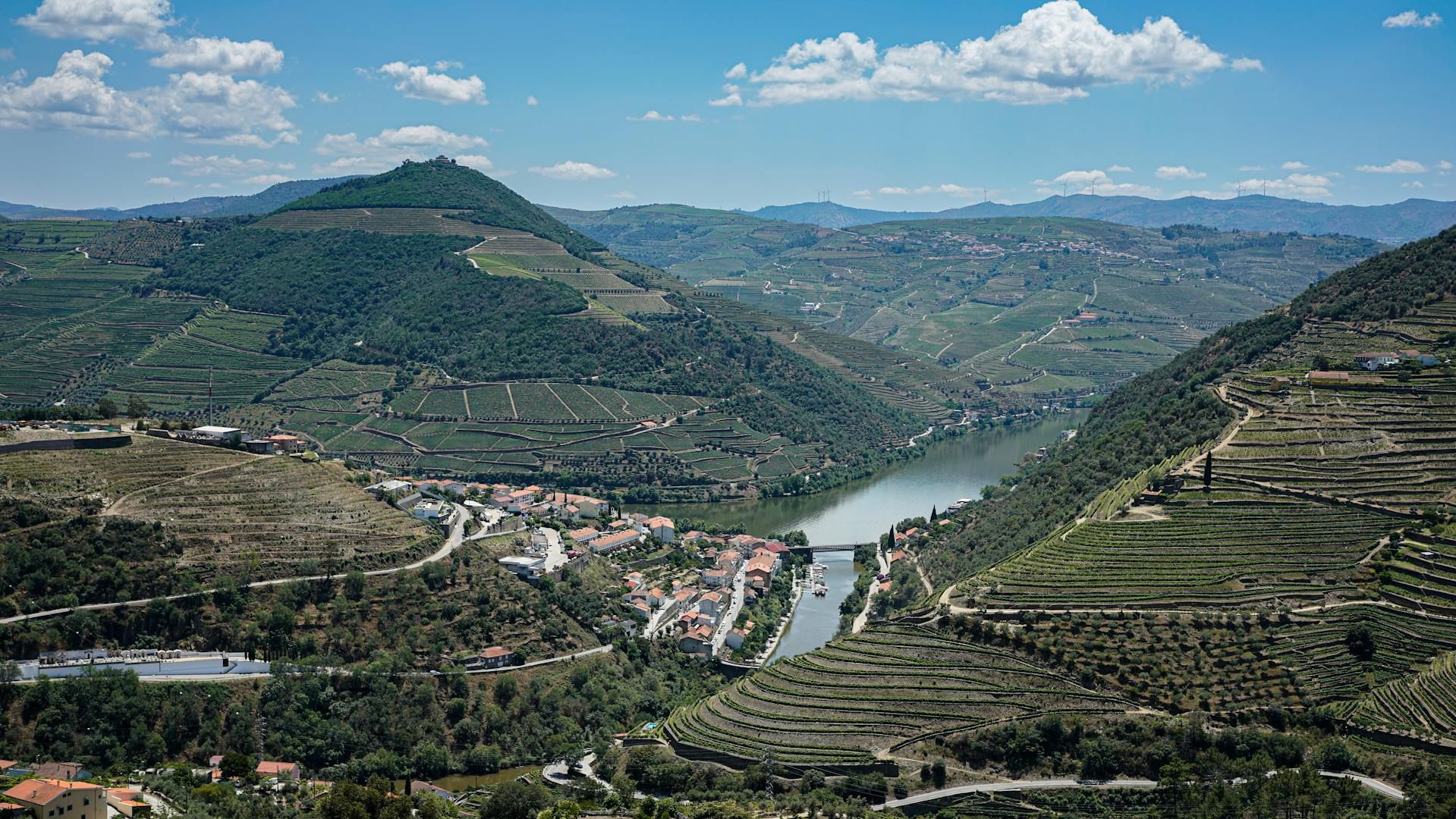
Wine Tourism in Portugal: Douro, Vinho Verde, Alentejo
Discover Portugal's three great wine regions — UNESCO Douro Valley, crisp Vinho Verde, and Alentejo's clay-amphora tradition. Tasting prices, train fares, named wineries open for visits.