
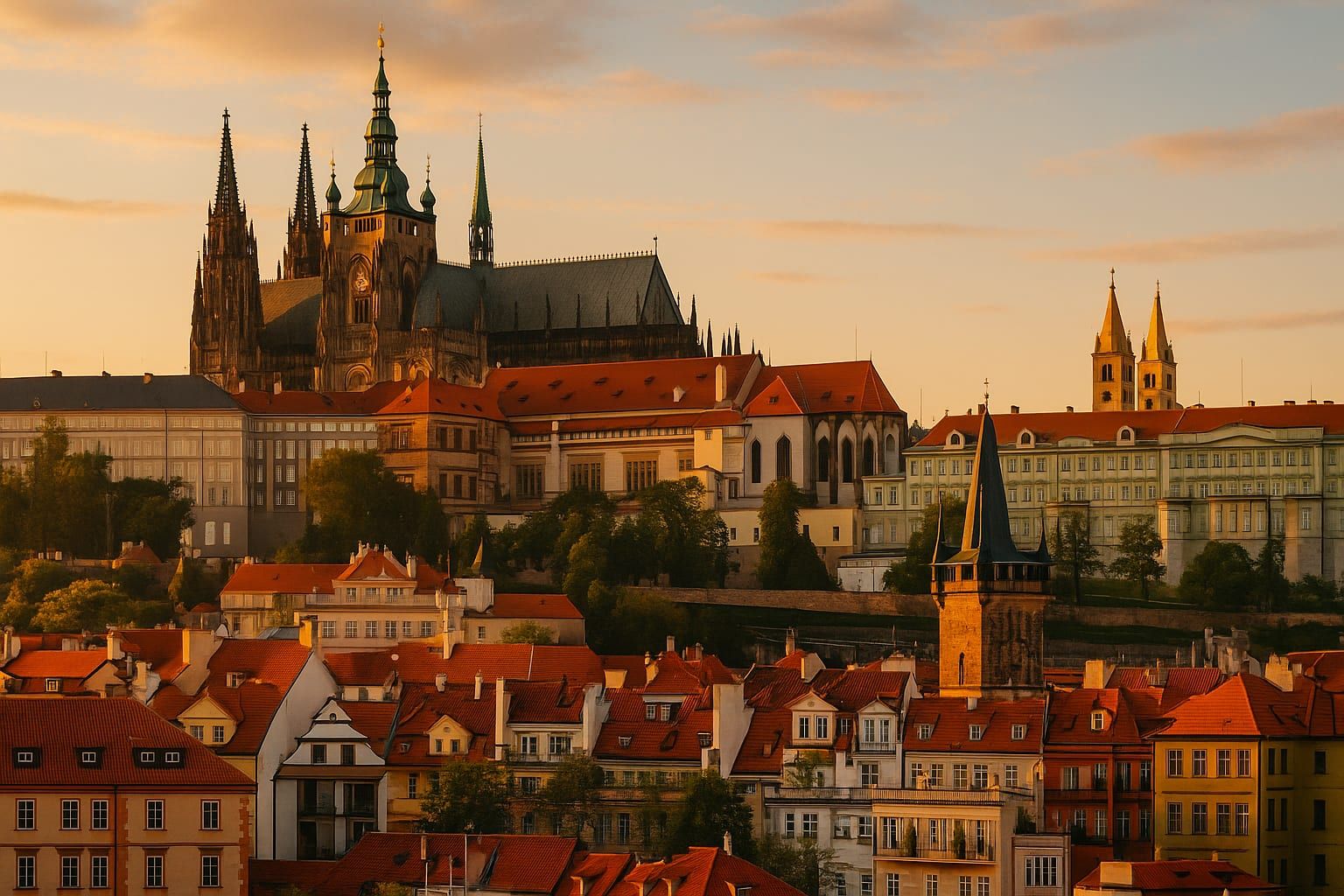
Need a quick escape? This practical Europe guide gives destination picks, 48-hour itineraries, booking hacks, packing lists and seasonal tips for last-minute weekend trips.
Last-Minute Weekend Getaways: Europe Guide
Need a break but short on planning time? Last-minute weekends are a thrill: minimal logistics, maximum payoff. This guide helps you pick a destination fast, book smart, and enjoy a packed 48 hours without feeling rushed. You’ll find city picks for every mood, sample itineraries, booking and packing hacks, and local tips to squeeze the most out of a fleeting escape.
Why a Last-Minute Weekend Works
- Short travel time, high reward: flying or taking a train Friday evening and returning Sunday night is doable from most European hubs.
- Built-in spontaneity: fewer plans often lead to delightful discoveries—café terraces, local markets, impromptu concerts.
- Low planning stress: prioritize one neighborhood or theme (food, art, nature) and you’ll leave satisfied.
How to Choose a Weekend Destination Quickly
Hone your choice in five minutes by asking: How far can I travel? What do I want to feel (relaxed, nostalgic, adventurous)? What’s the weather like this weekend?
- Check flight and train times from your nearest airport/station on Google Flights, Skyscanner, Omio or Trainline.
- Pick cities with frequent connections (Barcelona, Lisbon, Paris, Berlin, Prague, Porto, Budapest, Amsterdam).
- Consider time of year: winter for Christmas markets and thermal baths, summer for coastal escapes and terraces.
Best Cities for Last-Minute Getaways (by mood)
- Romantic & classic: Paris, Prague, Venice.
- Food & wine: Porto, Lyon, Barcelona.
- Party & nightlife: Berlin, Budapest, Belgrade.
- Nature & outdoors: Innsbruck (Alps), Bergen (fjord gateways), the Dolomites (base towns).
- Underrated, affordable: Porto, Kraków, Riga, Plovdiv.
Quick pick suggestions depending on departure region:
- From the UK: Paris, Amsterdam, Lisbon.
- From Central Europe: Prague, Budapest, Vienna.
- From Southern Europe: Barcelona, Porto, Milan.
Sample 48-Hour Itineraries (packed but doable)
Below are three sample weekend plans. Tweak them to your pace: swap one attraction for a café stop if you prefer lingering.
Porto — Wine, Views & Azulejos (48 hours)
Morning (Day 1): Arrive and drop bags in Ribeira. Walk along the Douro, cross Dom Luís I Bridge for postcard views.
Afternoon: Lunch at a riverside taberna, then explore the azulejo panels at São Bento station. Visit a port wine lodge in Vila Nova de Gaia for a tasting.
Evening: Sunset from Jardim do Morro or Miradouro da Serra do Pilar, then a seafood dinner and live Fado-bar vibe.
Day 2: Morning market (Bolhão Market) and a pastel de nata or local pastry. Take a short Douro river cruise or rent e-bikes to explore the riverside. Head home with a bottle of vinho verde.
For more details and variations, see our full 48-hour Porto guide: 48 Hours in Porto: Wine, Views & Azulejos.
Barcelona — City & Coast (48 hours)
Morning (Day 1): Start in the Gothic Quarter, coffee at a local bar, stroll La Rambla early to beat crowds. Visit the Picasso Museum or wander El Born.
Afternoon: Tapas lunch at a market (La Boqueria), then Sagrada Família or a Gaudí walk in Passeig de Gràcia.
Evening: Tapas crawl in Gràcia and catch sunset at Bunkers del Carmel.
Day 2: Head out for a brief day trip—beaches or a nearby monastery in Montserrat if you want nature. See our suggestions for short excursions from the city: Day Trips from Barcelona: Mountains, Monasteries & Beaches.
Prague — Gothic Streets & Beer (48–72 hours)
Prague rewards a slow pace; if you have a little extra time, add another half day.
Highlights: Charles Bridge at dawn, Old Town Square and Astronomical Clock, Prague Castle complex in the afternoon, winding backstreets and craft beer bars in the evening.
Seasonal note: Prague is magical at wintertime—if you’re traveling in December, check our guide to the Christmas markets: Prague Christmas Markets 2025: Gothic Winter Magic.
Booking Hacks for Last-Minute Trips
- Flights: Search flexible dates +/-1 day. Use “anywhere” or “nearby airports” filters on Skyscanner. Late deals can appear 1–3 days out—prioritize direct flights to avoid delays.
- Trains: For intra-Europe weekends, trains are reliable. Check SNCF, DB, Trenitalia, and local rail apps. Night trains save a night’s lodging and maximize daytime.
- Buses: FlixBus and BlaBlaCar Bus are budget-friendly and often direct between major cities.
- Accommodation: Use Booking.com filters for “free cancellation” and “pay later.” HotelTonight (integrated into other platforms) or last-minute Airbnb listings can be useful for same-day deals.
- Packages: LastMinute.com sometimes bundles flights + hotels for savings—worth a quick check.
Fast comparison tip: Open two tabs—one for flights/trains, one for hotels. Book the transport first to lock times; then reserve a centrally-located hotel or apartment to reduce transit time on your short trip.
Budgeting a Weekend — Ballpark Costs
- Shoestring: €80–€200 (coach or cheap flight, hostel or budget hotel, street food/markets).
- Mid-range: €250–€600 (low-cost flight or train + 3-star hotel + two sit-down meals + local transport).
- Comfort: €600+ (flexible flights, boutique hotel, guided experiences or dining).
Tip: City tourist cards can be worth it if you plan to visit many museums—check the math before buying.
Packing and Pre-Trip Checklist (last-minute friendly)
Pack light and smart. A carry-on or weekend backpack is ideal.
Essentials:
- Travel documents: passport/ID, boarding passes (digital + screenshot), travel insurance, any visas.
- Wallet: one credit card, some local cash, contactless payment works almost everywhere.
- Clothing: one pair of comfortable shoes, one smart-casual outfit for evening, layers (weather can change), light rain jacket.
- Toiletries: travel-size basics, meds, a compact sunscreen if summer.
- Tech: phone + charger, power bank, plug adapter, headphones.
- Extras: small daypack, reusable water bottle, copies of reservations.
Pre-travel checklist:
- Check local entry rules (Schengen visa rules if you’re a non-EU/EEA traveler).
- Notify bank for card use abroad.
- Download maps for offline use and any local transport app you’ll need.
- Book dinner for Friday or Saturday night if traveling during peak season.
Local Insights: Eat, Drink, See Like a Local
- Skip the top-of-the-list restaurants at peak tourist sites. Ask hotel staff or café baristas for their neighborhood favourites.
- Visit markets—not just for food, but for people-watching and authentic souvenirs.
- Use early mornings and late evenings for popular spots (museums, bridges, viewpoints) to avoid crowds and enjoy better light for photos.
- Try local specialties (e.g., francesinha in Porto, goulash in Budapest, croissant and cheese in Paris) rather than generic international chains.
Food and drink tips:
- Look for lunch menus (“menu del dia”, “prix fixe”) for the best mid-day value.
- Tap water is safe in most of Europe—bring a reusable bottle and refill.
Time-Saving Museum & Attraction Tactics
- Buy timed-entry tickets online for must-see museums to avoid queues.
- Consider a guided walking tour for a compact, informative overview—especially useful when you’re short on time.
- Choose attractions that are geographically clustered to spend more time exploring and less time commuting.
Seasonal Picks & When to Go
- Spring (Apr–Jun): Ideal for city wandering—milder weather and fewer tourists than summer.
- Summer (Jul–Aug): Best for coastal escapes (Croatia, Greek islands) but book transport/accommodation early—even last-minute prices rise quickly.
- Autumn (Sep–Oct): Wine regions and foliage—perfect for food and wine weekends in France, Portugal or Italy.
- Winter (Nov–Feb): Thermal baths in Budapest, Christmas markets in Central Europe, northern lights in Iceland if you’re willing to travel farther.
Safety, Health & Practicalities
- Keep a photo of your passport and reservation confirmations saved in the cloud and offline on your phone.
- Stay aware of local pickpocketing hotspots (tourist-heavy places) and use an anti-theft bag if needed.
- Check local public holiday schedules—some museums and restaurants may be closed on certain days.
Fast-Plan Templates (Pick one and book in 15–30 minutes)
Template A — Cultural City Weekend
- Book an early Friday evening flight or train.
- Reserve a centrally located room (less travel time).
- Friday night: neighborhood dinner + short walk.
- Saturday: Morning museum or castle; afternoon market/lunch; evening local music.
- Sunday: Scenic walk, coffee, last-minute shopping, depart.
Template B — Food & Wine Escape
- Choose a city known for its cuisine/wine (Porto, Lyon, San Sebastián).
- Book a food tour or a wine-tasting slot for Saturday afternoon.
- Visit a local market for a picnic-style lunch.
Template C — Nature on the Weekend
- Use Friday evening to reach an outdoor base town (Bergen, Innsbruck, Dolomites gateway).
- Saturday: full-day hike or fjord/peak tour.
- Sunday: relaxed morning and scenic return.
Final Notes: Make It Yours
A last-minute weekend is about momentum: pick one clear priority (dining, sightseeing, nature) and let serendipity fill the rest. Use the practical tips above to reduce friction—book transport first, then a central place to sleep, and download a map for offline use. Whether you’re chasing a winter market glow or catching the last ferry to a summer island, Europe’s dense transport network and compact cities make unforgettable micro-trips possible even at the last minute.
Safe travels—and don’t forget to leave room in your schedule for a slow coffee and a spontaneous detour.
Related reads:
- Day Trips from Barcelona: Mountains, Monasteries & Beaches
- 48 Hours in Porto: Wine, Views & Azulejos
- Prague Christmas Markets 2025: Gothic Winter Magic
Related
Keep Exploring
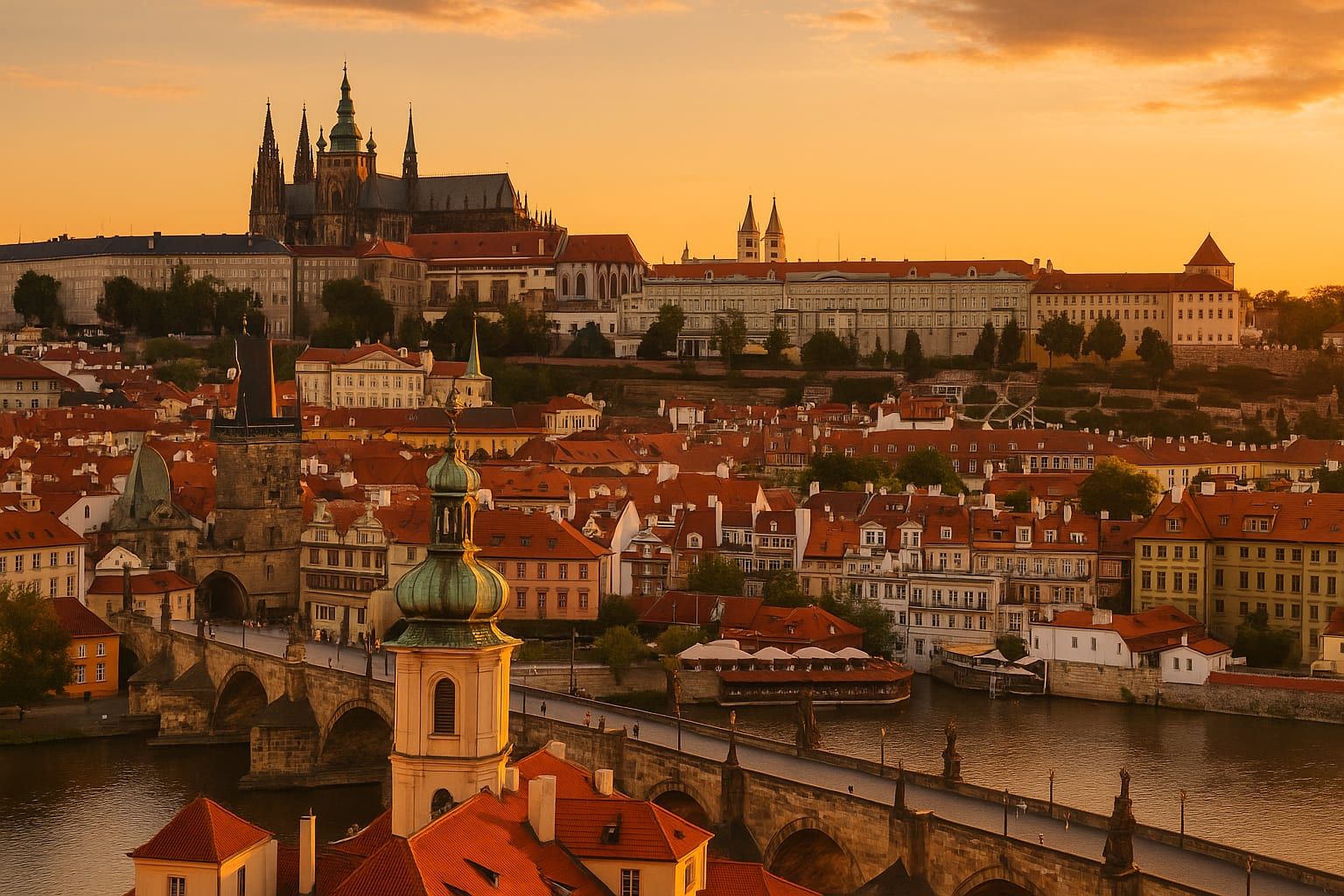
Best Long Weekend Destinations in Europe
Need a quick escape? Explore the best long-weekend destinations in Europe—city breaks, coastal escapes and mountain retreats—with itineraries, local tips and transport advice.
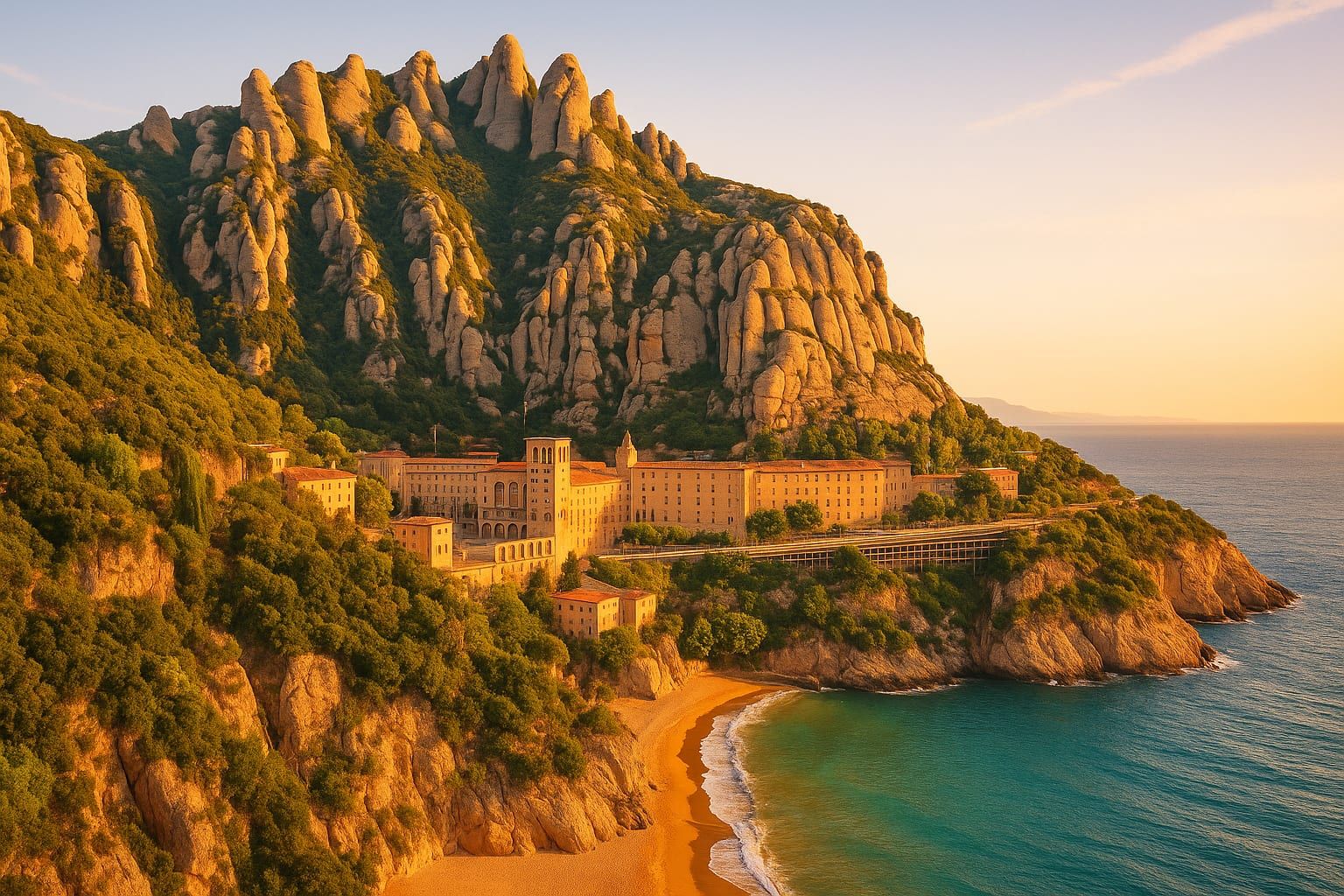
Day Trips from Barcelona: Mountains, Monasteries & Beaches
Discover the best day trips from Barcelona—mountain hikes, ancient monasteries, and Mediterranean beaches—with practical tips, sample itineraries and local insights.
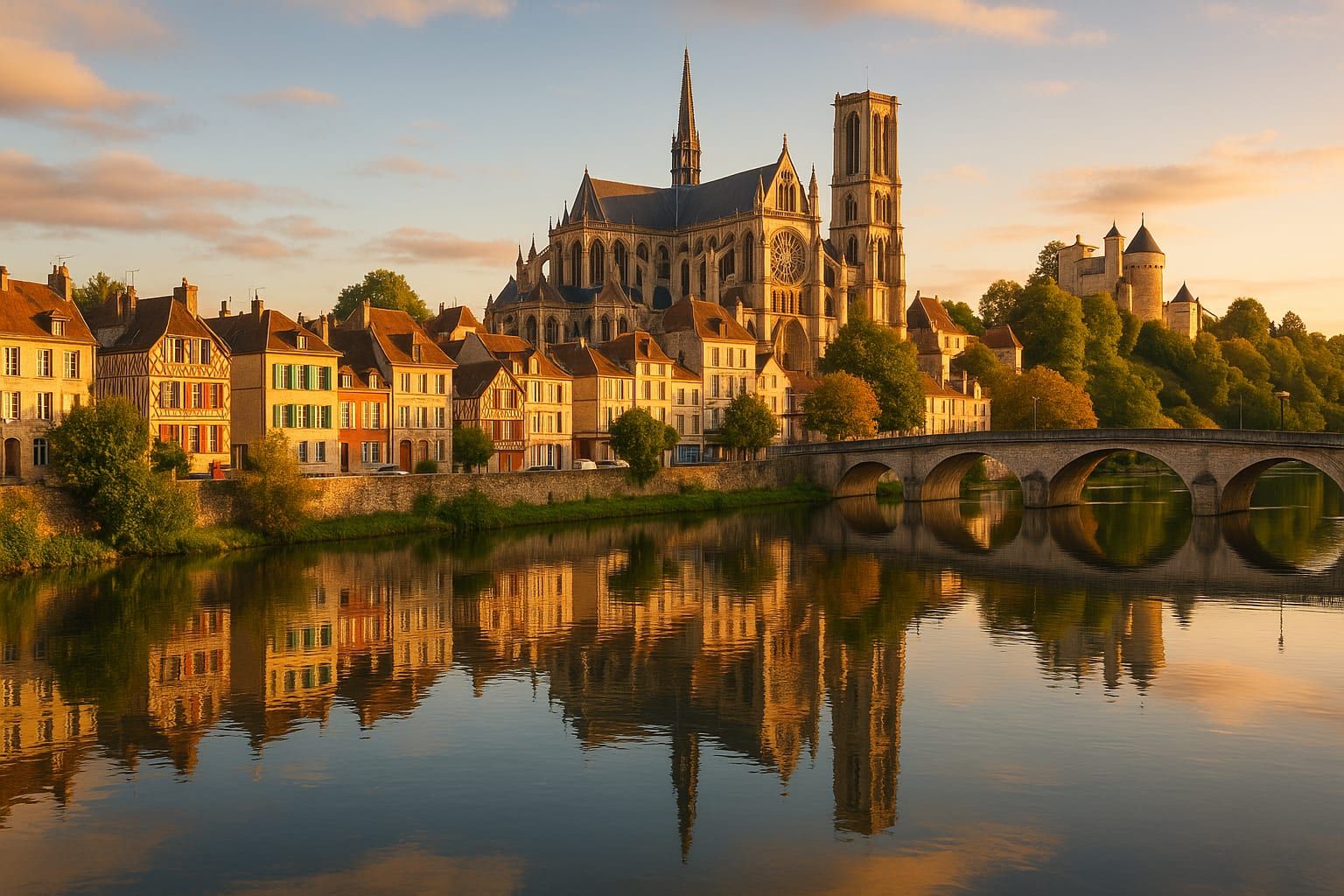
Day Trips from Paris: Beyond Versailles
Skip Versailles and discover Giverny, Reims, Fontainebleau, Chantilly, Provins and other perfect day trips from Paris. Tips, travel times, sample itineraries and local insights.