
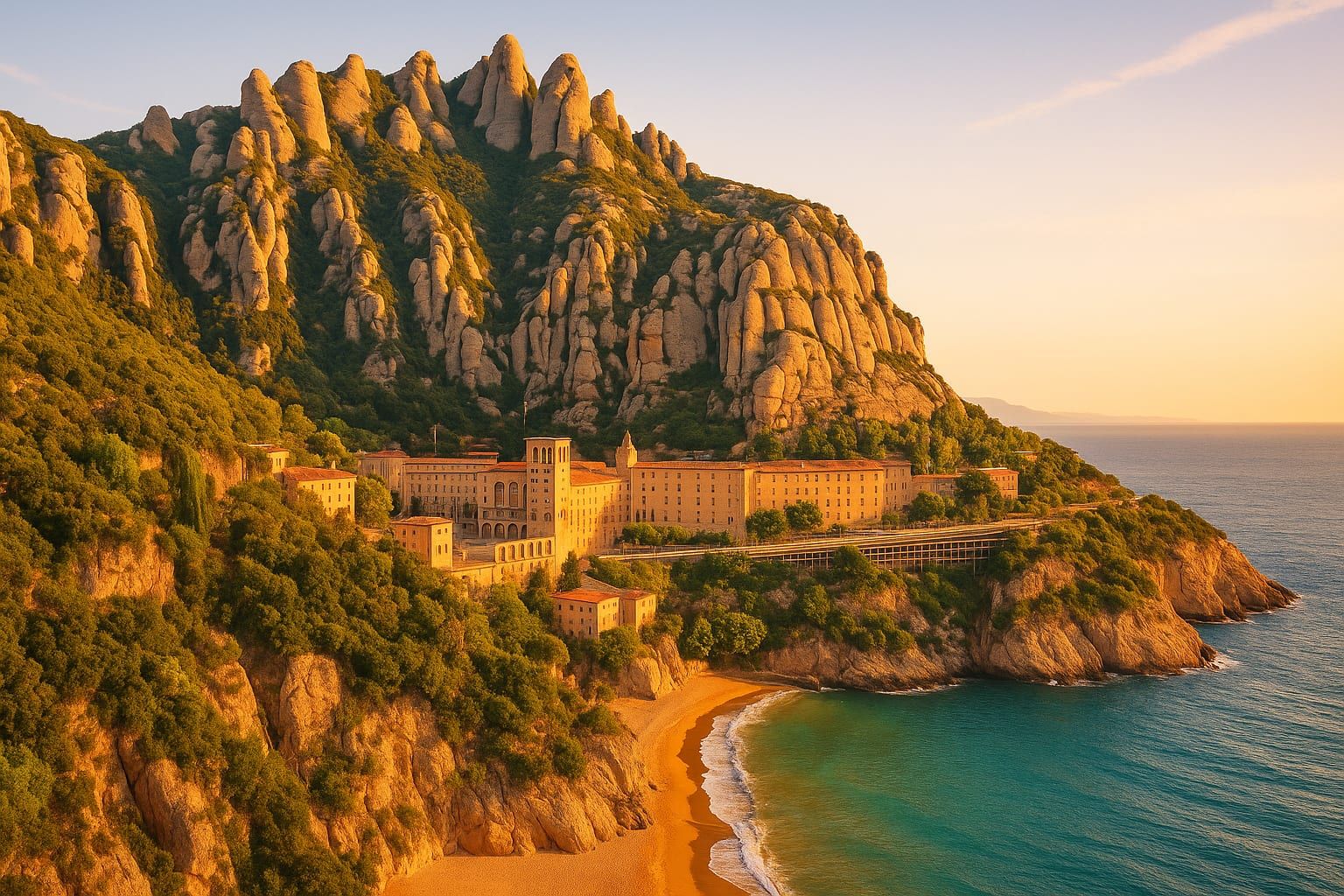
Day Trips from Barcelona: Mountains, Monasteries & Beaches
Discover the best day trips from Barcelona—mountain hikes, ancient monasteries, and Mediterranean beaches—with practical tips, sample itineraries and local insights.
Day Trips from Barcelona: Mountains, Monasteries & Beaches
Barcelona makes an unbeatable base for short escapes: in a single day you can trade Gaudí for rugged peaks, medieval lanes, or crystalline coves. Below you’ll find a practical, insider-friendly guide to the region’s best day trips—how to get there, what to do, when to go, and tips that locals swear by.
Quick planning: How to choose your day trip
- Time: pick a destination within 1.5–2.5 hours if you want relaxed time on the ground; farther afield (Cadaqués, the high Pyrenees) is doable but expect long travel days.
- Season: beaches shine in summer, mountain hikes are best in spring–autumn, and monasteries are year-round (winters are quieter).
- Transport: trains and buses are frequent and economical; renting a car gives flexibility for remote coves and mountain passes.
Pro tip: decide whether you want a nature day (hike or swim), a cultural day (monastery, medieval town), or a mixed day—Montserrat, for example, blends mountain views and a historic abbey.
Mountains: Pyrenees, Montserrat and day hikes near Barcelona
Montserrat — mountain views and a monastery (1–1.5 hrs)
Montserrat is the classic day trip from Barcelona for good reason. The serrated silhouette of the massif is visible from the city on clear days. From Plaça d’Espanya take the FGC R5 train to Monistrol de Montserrat, then choose between the Aeri cable car (scenic and steep) or the Cremallera rack railway (gentler) up to the monastery.
What to do:
- Visit the Benedictine abbey and the Black Madonna (La Moreneta).
- Walk short trails with stunning panoramas; the Sant Joan viewpoint is reachable by a short funicular.
- If you’re fit, hike one of the longer trails (Camí de les Bateries or Sant Jeroni) for dramatic ridgeline views.
Local insight: arrive before 10:00 to avoid tour-bus crowds and to catch the Escolania (boys’ choir) when they sing on certain mornings—check schedules in advance.
Núria Valley — alpine lakes and quiet trails (2–2.5 hrs)
Núria is an emerald valley high in the eastern Pyrenees. Take the Rodalies R3 to Ribes de Freser, then the historic Cremallera rack railway up to the valley. Núria’s lake, meadows and easy-graded trails make it family-friendly.
Highlights: lakefront walks, pony rides for kids, summer mountain pastures and beginner-friendly hikes.
Insider tip: this is an ideal choice in late spring/early autumn when wildflowers and light crowds make the valley magical.
Pedraforca and moderate Catalan peaks (2 hrs by car)
For a true mountain-feel day—steep ridgelines and dramatic scenery—head to Pedraforca in the Pre-Pyrenees. This is easier by car; parking and access are straightforward, and hiking routes range from moderate to tough.
Practical note: bring good footwear and check weather; mountain conditions change quickly.
Monasteries & Medieval towns: culture, history and calm
Ripoll and Sant Pere de Rodes
Ripoll is a gateway to medieval Catalonia. Its Romanesque monastery and cobbled streets offer a low-key cultural day. Pair Ripoll with a visit to Sant Pere de Rodes (on the coast above El Port de la Selva) for a dramatic seaside monastery—best if you have a car or a guided tour.
Girona — fortified walls and Game of Thrones lanes (40–90 min)
Girona is a richly preserved medieval city that rewards a full-day visit. From Barcelona you can take the high-speed train (AVE/MD) from Sants for about 40–60 minutes, or a slightly longer regional service.
What to do:
- Walk the Roman walls for sweeping views.
- Stroll the Jewish Quarter’s narrow alleys and the Onyar riverfront with its colorful houses.
- Visit the cathedral and local museums, and leave time to sip coffee in an atmospheric plaza.
Local insight: Girona’s Old Town can get busy midday—arrive early for the best photo light and quieter streets.
Beaches & Coastline: Sitges, Costa Brava and coastal gems
Sitges — beaches, nightlife and short train ride (35–50 min)
Sitges is the easiest seaside escape from Barcelona. Frequent R2 trains run from Barcelona’s major stations and deliver you to sandy beaches, a compact old town, and a lively dining scene.
Why go: beach time, seafront promenades, art galleries and a great food scene for seafood and tapas.
Local tip: try a late-afternoon stroll along the Passeig Marítim and eat at a seafront chiringuito (beach shack) for fresh fish.
Costa Brava — Tossa de Mar, Calella de Palafrugell and Cadaqués (1–2.5 hrs)
The Costa Brava’s jagged coastline and hidden coves are a major draw. Tossa de Mar is reachable by bus and offers an iconic walled old town; Calella de Palafrugell is postcard-perfect with coves and seafood restaurants; Cadaqués—Salvador Dalí’s beloved coastal town—takes longer (about 2.5–3 hours) but is worth it.
How to choose:
- Short on time: Tossa de Mar (direct buses) or Blanes/Cala Montgó.
- For an iconic art-meets-sea experience: Cadaqués (via Figueres by combo of train+bus or private transfer).
Practical advice: in summer, buses and parking fill fast—book early or go early in the morning.
Closer beaches: Castelldefels & Ocata
If you want a beach day without long travel, Castelldefels (train ~25–30 min) and Ocata near El Masnou (train ~30 min) are superb for long sandy stretches and local ambiance.
Sample day-trip itineraries
1) Montserrat in half a day (ideal for mornings)
- 08:30 — Depart Plaça Espanya on FGC R5.
- 09:45 — Arrive, take the Aeri or Cremallera.
- 10:15 — Visit the basilica and the Black Madonna; short walk to viewpoints.
- 13:00 — Lunch at the monastery restaurant or packed picnic.
- 15:00 — Back to Barcelona.
This leaves your afternoon free for Barcelona’s evening scene.
2) Girona full-day (history, food, riverfront)
- 08:30 — AVE/MD from Sants to Girona.
- 09:30 — Coffee and pastries near the Onyar river.
- 10:00 — Walk the walls and visit the cathedral.
- 13:00 — Tapas or Michelin-starred lunch (Girona punches above its weight for gastronomy).
- 16:00 — Jewish Quarter, museums, and late train back.
3) Sitges day — beach, art and tapas
- 09:30 — Train from Passeig de Gràcia or Sants.
- 10:30 — Beach time or rent a paddleboard.
- 13:00 — Seafood lunch at the port.
- 16:00 — Walk the old town and visit a gallery.
- 19:00 — Train back to Barcelona.
Transport & ticket tips
- Trains: RENFE and Rodalies cover many routes. For Girona and Figueres, booking AVE/MD in advance can save money. Local commuter lines (Rodalies/Renfe Cercanías) are cheap and frequent.
- FGC: Montserrat is served by FGC’s R5 line from Plaça Espanya.
- Buses: ALSA and local coach companies serve many Costa Brava towns; buses often beat driving in summer traffic.
- Car hire: rent a car for the Costa Brava’s hidden coves or for combining mountain and coastal stops in a single day.
Money-saving tip: if you plan multiple train trips in Catalonia, compare point-to-point fares vs. booking early for high-speed services. Group discounts or return fares can sometimes reduce costs.
Practical tips & local insights
- Start early: you’ll beat crowds and cooler morning temperatures are nicer for hikes.
- Food: try local specialities—coastal seafood, Empordà wines near Girona/Cadaqués, and hearty mountain fare in the Pyrenees. For Barcelona tapas and markets before or after your trip, see our Barcelona Food Guide.
- Respect sacred sites: monasteries ask for quiet dress and modest behavior—leave loud phone calls for outside.
- Water & sun: bring refillable water, sunscreen and a hat; coastal sun is strong and mountain sun can be deceptive.
- Language: Catalan is widely spoken; a few friendly Catalan phrases (bon dia, gràcies) go a long way.
- Timing: many small-town shops close mid-afternoon—plan meals and supplies accordingly.
Safety & accessibility
- Hiking: check trail grades and local weather before you go. Trails can be rocky and steep—good shoes are a must.
- Accessibility: Montserrat has funiculars and paved areas, but many coastal coves have steps and rocky access. Research mobility services if needed.
Best time to go
- Spring (April–June) and autumn (September–October): ideal for hiking, fewer crowds and pleasant temperatures.
- Summer (July–August): beaches are glorious, but coastal towns are crowded and inland heat can be intense.
- Winter: perfect for monastery visits, Girona’s medieval charm, and if you want snow activities the Pyrenees are accessible.
Where to eat on a day trip
- Montserrat: the cafeteria-style restaurants are practical; for a more local meal try a nearby village restaurant down the mountain.
- Girona: excellent options range from traditional Catalan to fine dining—reserve ahead if you want a well-known spot.
- Sitges & Costa Brava: seek out small family-run seafood restaurants (look for daily catch and local bread called pa amb tomàquet).
If you’re interested in regional Mediterranean flavors beyond Barcelona, our Provencal Cuisine guide gives context for cross-border culinary influences along the northern Catalan coast.
Sustainable travel suggestions
- Use public transport where possible—Catalonia’s train and bus networks are solid and reduce parking headaches.
- Stick to marked trails and respect protected areas, especially in coastal coves and mountain reserves.
- Support local businesses: buy from village bakeries, family restaurants, and artisan shops rather than large chain outlets.
Final recommendations: how to pick the perfect day
- If you want a short, sweet escape: Sitges or Castelldefels for beaches.
- If you want spiritual architecture with views: Montserrat.
- If you want culture and medieval charm: Girona or Besalú.
- If you want dramatic coastline and art history: Cadaqués and the Costa Brava.
- If you want alpine scenery: Núria Valley or a Pyrenean resort.
Barcelona’s location is one of its greatest assets: within a short drive or train ride you can be hiking jagged ridges, roaming medieval lanes, or dipping into sapphire waters. With a little planning (train times, early starts, and modest local etiquette) you’ll turn a day into an unforgettable Catalan adventure.
Happy exploring—remember to leave a little more time than you think you need. The best discoveries are the unplanned ones.
Related

Keep Exploring
European Spa & Wellness Getaways: HU, CZ, SI
Budapest's Turkish baths, Karlovy Vary's UNESCO colonnades and Slovenia's black thermal water — a planner's guide to Central Europe's spa towns with EUR entry prices and named hotels.
European Weekend Trips Under €300
Twelve European cities you can do Friday-to-Sunday for under €300 all-in: Ryanair and Wizz Air fares, named hostels, food costs and the booking window that makes it work.
Best European Weekend City Breaks by Train
Twelve Friday-to-Sunday city pairs that work brilliantly by train: Eurostar, TGV, ICE, Frecciarossa and Railjet times, named hotels, EUR fares and Saturday must-dos.