
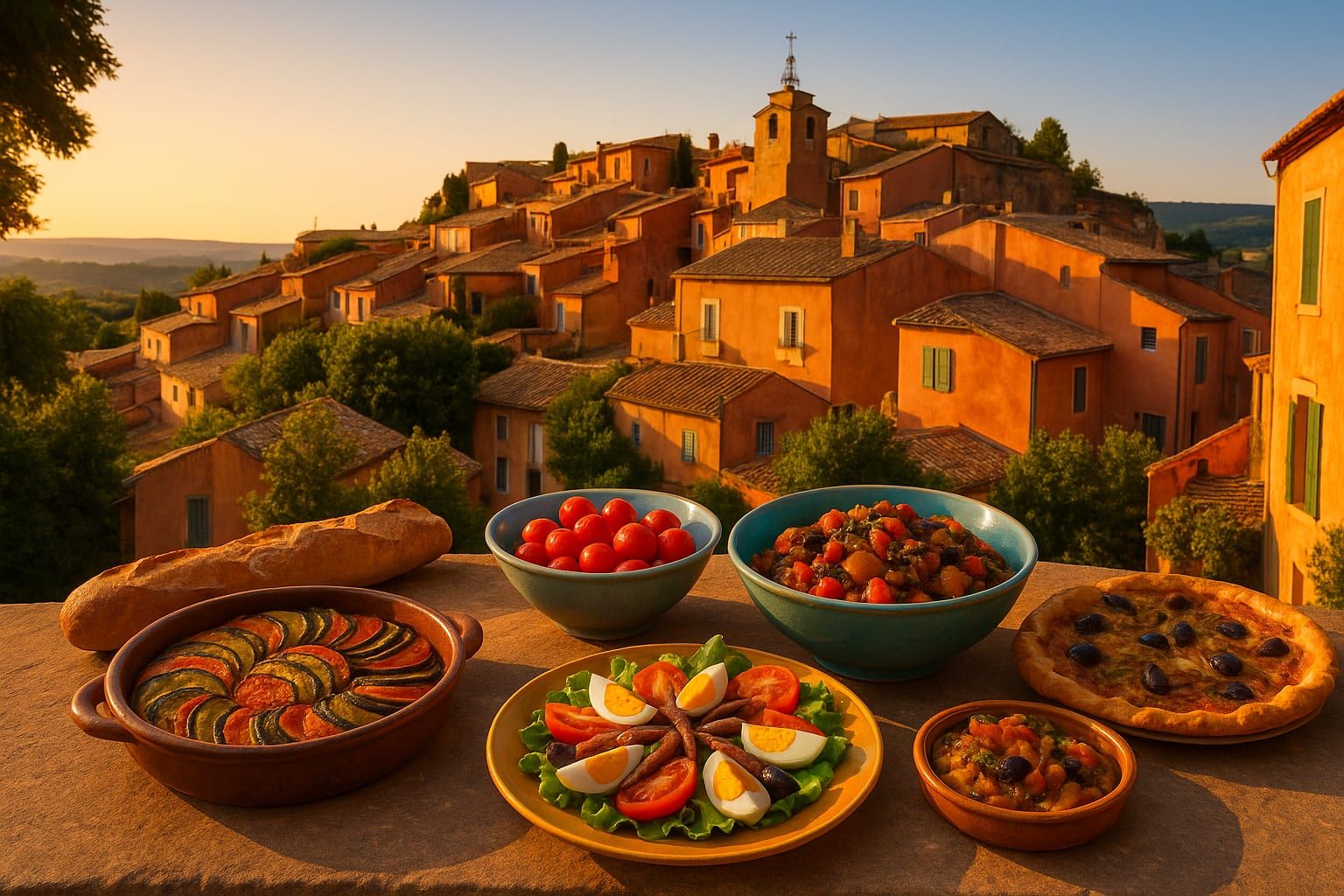
A deep dive into Provencal cuisine: signature dishes, pantry staples, markets, wine pairings, cooking tips and where to taste authentic flavors across Provence.
Provencal Cuisine: A Complete Guide
Sun-soaked tomatoes, glossy olive oil, fragrant herbs and the sea’s bounty—Provencal cuisine is a celebration of terroir and simplicity. Rooted in peasant traditions and shaped by Mediterranean influences, the food of Provence is vivid, seasonal and built on excellent ingredients treated with restraint. This guide walks you through the essentials: signature dishes, pantry staples, markets and local tips so you can taste Provence like a resident.
What defines Provencal cuisine
Provencal food is less about heavy sauces and more about letting individual ingredients sing. Key characteristics include:
- Olive oil as the main fat (not butter).
- Generous use of garlic, tomatoes, onions and seasonal vegetables.
- Aromatic herbs—thyme, rosemary, savory, fennel and lavender—often bundled as herbes de Provence.
- A balance between land and sea: robust vegetable stews and slow-cooked meats alongside fresh fish and shellfish.
- Conserves and preserved flavourings: tapenade, anchovy pastes and confits.
- A strong regional identity: Aix, Marseille, Nice and the Luberon each bring local specialties.
Historical influences—Roman, Italian, Catalan and North African—are evident in preparation styles and ingredients, but the region’s climate and terroir remain the true drivers of its cuisine.
Signature dishes to know (and order)
Bouillabaisse
A Marseille classic: a rich fish stew made from several varieties of fresh local fish, simmered with fennel, saffron and tomatoes, served with rouille (a garlicky saffron mayonnaise) and toasted bread. Authentic bouillabaisse is a fish market-to-table dish—order it in Marseille for the best experience.
Ratatouille
A slow-cooked vegetable medley of eggplant, zucchini, bell pepper, tomato and onion infused with garlic and herbs. Rustic or refined—you’ll find it on menus and in home kitchens across Provence.
Daube Provençale
A slow-braised beef (or lamb) stew with red wine, tomatoes, olives and orange zest. It’s a weekday-to-weekend comfort dish best enjoyed with mashed potatoes or polenta.
Aioli and Socca
Aioli is a garlicky emulsified sauce served with boiled vegetables, fish or on its own as a communal dip. Socca—thin chickpea flatbread—is a street-food favorite in Nice and surrounding areas.
Pissaladière
Like a Provençal pizza: a thick, chewy base topped with caramelized onions, anchovies and black olives. It showcases the region’s love of bold, salty flavors.
Brandade de Morue
A silky emulsion of salt cod, olive oil and milk or cream, typically served with potatoes or toast. It’s comfort food with maritime roots.
Soupe au Pistou
A vegetable and bean soup finished with pistou—a bright basil-garlic sauce similar to pesto but without pine nuts—perfect for early-summer produce.
Calissons and Lavender desserts
Calissons are almond-and-candied-melon confections from Aix-en-Provence. Lavender fields influence desserts and honey use—think lavender crème brûlée or lavender-infused honey drizzles.
The Provencal pantry: what to bring home or shop for
A trip to Provence is an opportunity to restock your kitchen with pantry staples you’ll use forever:
- Extra-virgin olive oil (Les Baux-de-Provence and other appellations are prized).
- Herbes de Provence (buy in small quantities for freshness).
- Tapenade (black or green olive paste) and anchoïade (anchovy-based condiments).
- Dried lavender (culinary grade) and lavender honey.
- Fleur de sel from Mediterranean salt pans.
- Calissons and locally produced jams or candied fruit.
Tip: buy from small producers at markets rather than supermarkets—producers will explain provenance, harvest dates and best uses.
Markets, restaurants and where to taste authentic flavors
Provence’s markets are the heart of its food culture. Stalls bustle with piles of tomatoes, figs, olives and heaps of fragrant herbs. Key markets and places to eat:
Aix-en-Provence: famous markets (Cours Mirabeau and Place Richelme) offer everything from fresh produce to calissons. For a curated list of authentic restaurants in Aix, see our guide: A Culinary Journey Through Aix en Provence: Top 7 Authentic Provençal Restaurants.
Marseille: visit the Vieux-Port fish market early in the morning and try bouillabaisse at a reputable local bistro. For restaurant recommendations and local insights, check Savoring Marseille: Top 7 Restaurants for an Authentic Local Experience.
L’Isle-sur-la-Sorgue and Uzès: weekend markets with antiques and artisan food producers.
Nice and the Côte d’Azur: explore the flower and vegetable markets at Cours Saleya; taste socca and salade niçoise.
Smaller village markets (Lourmarin, Gordes, Saint-Rémy): often the best place to find single-producer olive oils, goat cheeses and seasonal specialties.
Pro tip: arrive markets mid-morning for the liveliest stallholders and best conversation. If you want the best produce, go at opening time when new deliveries arrive.
Wine pairing: Provence’s rosé and beyond
Provence is synonymous with dry, pale rosé—light, aromatic and food-friendly. Key appellations:
- Côtes de Provence: bright, aromatic rosés that pair well with salads, seafood and light meats.
- Bandol: fuller-bodied rosés and structured reds; excellent with grilled fish, robust stews and aged cheeses.
- Cassis: known for excellent white wines—try a white Cassis with shellfish and Bouillabaisse’s lighter courses.
General pairing rules:
- Rosé is the everyday wine—pair it with salads, charcuterie, grilled vegetables and seafood.
- White wines from the coast suit shellfish and lighter fish dishes.
- For heartier dishes like daube, choose a southern red with moderate tannins.
Local insight: Many small domaines offer tasting visits by appointment. Buying directly from a vineyard is a great way to learn about local grape varieties and winemaking traditions.
Cooking like a local: techniques and quick recipes
Provencal cooking values time and patience but often simple techniques:
- Sauté low and slow: caramelize onions and tomatoes to concentrate sweetness.
- Use olive oil for cooking and finishing; a drizzle of good oil can transform a dish.
- Salt early for proper seasoning; finish with a pinch of fleur de sel.
- Layer flavors: anchovies or olives add umami, herbs add lift without heavy seasoning.
Try this simple weekend recipe (home-friendly):
- Ratatouille-style roasted vegetables: toss sliced eggplant, zucchini, peppers and tomatoes with olive oil, garlic and thyme. Roast at 200°C/400°F until caramelized. Finish with fresh basil and a splash of good olive oil.
- Aioli plate: make a quick aioli by emulsifying anchovy, garlic, egg yolk and olive oil, serve with boiled baby potatoes and blanched green beans.
If you want hands-on experience, book a local cooking class in Aix or Marseille—many include a market tour and are tailored to small groups.
Seasonal calendar: when to eat what
- Spring (April–June): artichokes, asparagus, early strawberries, and the start of asparagus season. Ideal for light seafood and pistou soups.
- Summer (July–August): tomatoes, zucchini, eggplant, figs and melons—ratatouille, salads and grilled produce abound. Lavender fields bloom in mid-June to July in the Luberon and Valensole.
- Autumn (September–November): grape and olive harvests; game, mushrooms and the first truffles appear in late autumn.
- Winter (December–February): citrus season (Menton lemons), hearty stews (daube) and preserved goods such as canned fish and confits.
Local tip: If you’re planning a food-focused trip, align it with a market day or a festival—olive harvest (October–November) and local wine harvests are immersive experiences.
Practical travel tips & local insights
- Cash & language: markets and small stalls may prefer cash. A few French phrases will help—“Bonjour,” “S’il vous plaît,” “Combien?” and “C’est délicieux” go a long way.
- Tipping: service is often included in restaurant bills in France; rounding up or leaving small change is appreciated for exceptional service.
- Dietary needs: many traditional dishes use anchovies, garlic and nuts—tell chefs about allergies. Vegetarian options are plentiful in summer when vegetables shine.
- Reservation: for popular restaurants (notably in Aix and Marseille) reserve ahead, especially in summer.
- Market etiquette: sample politely and avoid taking photos of stall pricing without asking—some producers prefer conversation and a small purchase in exchange for stories and tastings.
- Shopping for olive oil and wine: smell and, when possible, taste. Ask about harvest date and storage.
Insider note: Ask locals where they eat midweek—neighborhood bistros and family-run establishments often have the most authentic, best-value meals.
Where to learn more (and what to do next)
- Join a market-to-table cooking workshop—these usually include a guided market tour and a hands-on cooking session.
- Visit small producers: olive mills, vineyards and confiseries where you can taste and buy directly.
- Combine culinary exploration with nearby sights—if you’re based in Aix or Marseille, consider easy day trips across Provence to visit markets and villages. Our Provence day-trip guide is a good starting point: [/en/itineraries/provence-day-trips-aix-marseille-guide].
Final bite: savoring Provence
Provencal cuisine is deceptively simple: great food here depends on attention to seasonality, respect for ingredients and a relaxed approach to cooking and dining. Whether you taste bouillabaisse on Marseille’s Vieux-Port, buy calissons in Aix or learn to roast tomatoes with a Provençal grandmother in a village kitchen, the region’s food culture rewards curiosity. Pack a reusable tote, follow your nose to the markets, and be ready to slow down—the best meals in Provence are shared, unhurried and unforgettable.
Bon appétit—and enjoy your culinary journey through Provence.
Keep Exploring

Wine Tasting in Bordeaux: Complete Guide
Everything you need to plan the perfect Bordeaux wine-tasting experience: regions, top châteaux, how to taste, booking tips, transport, seasonality and local insights.
Cooking Classes in Italy: Florence, Rome & Beyond
Learn to make pasta, pizza, gelato and regional classics with hands-on classes in Florence, Rome and beyond — market tours, agriturismo experiences and practical tips.
Best Gelato in Italy: City-by-City Guide
A tasty city-by-city guide to Italy’s best gelato: top shops, regional flavors, how to pick an artisan gelateria, and local tips to make every scoop memorable.