
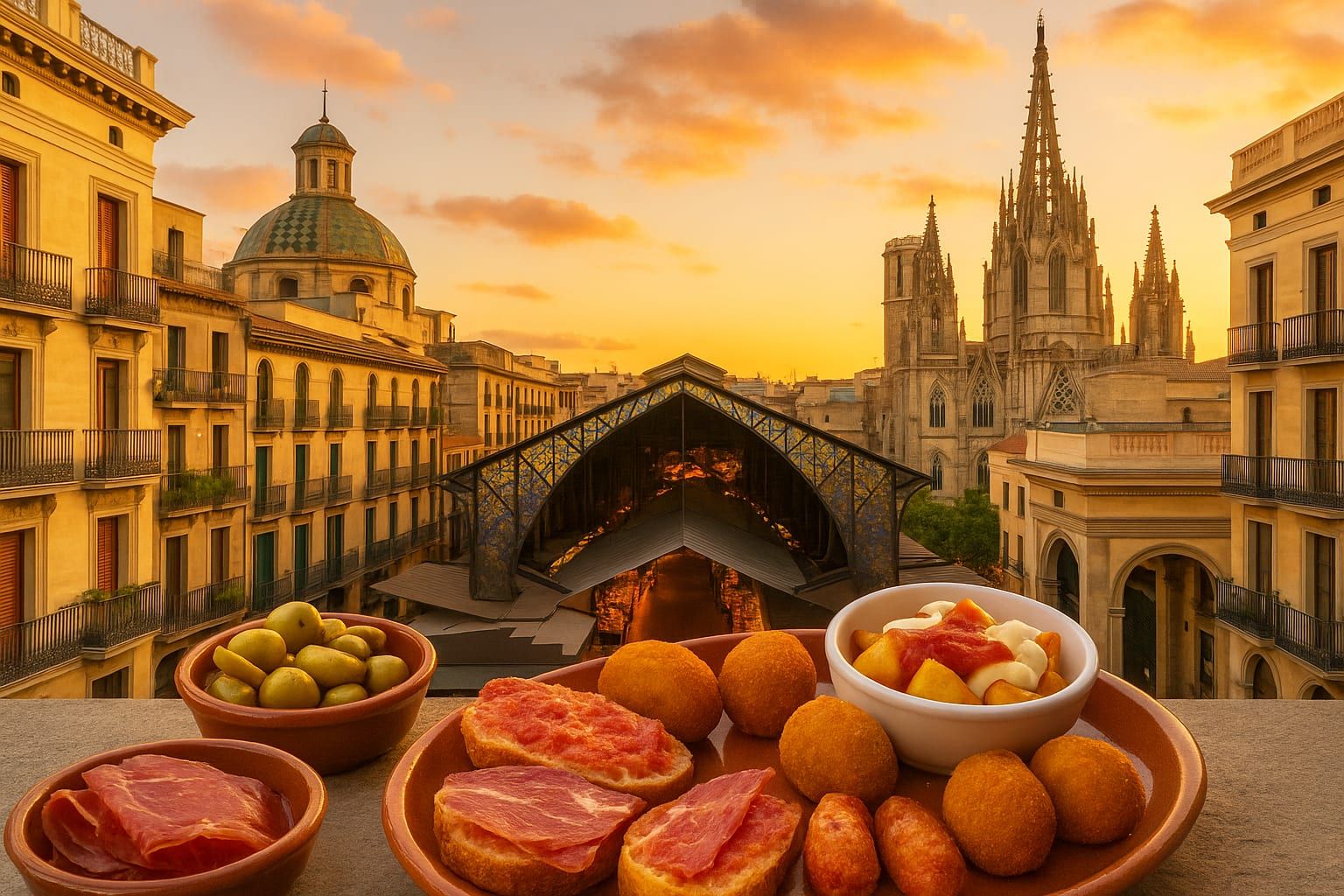
A complete Barcelona food guide: where to eat tapas, how to navigate the markets, and how to experience the city's Michelin-starred scene with local tips and practical advice.
Barcelona Food Guide: Tapas, Markets & Michelin Stars
Barcelona is a city that feeds all five senses. From sunlit market stalls piled high with Catalan produce to smoky neighborhood tapas bars and white-tablecloth tasting menus from some of Spain’s top chefs, the city’s food scene is both approachable and world-class. This guide covers where to eat, what to order, how to pace a food day in Barcelona, and how to enjoy Michelin-starred meals without losing touch with local flavors.
Quick orientation: Catalan cuisine and Barcelona’s food personality
Barcelona sits at the crossroads of Mediterranean simplicity and Catalonia’s distinct culinary traditions. Expect fresh seafood, olive oil, tomatoes, peppers, garlic, and an affection for charcoal grilling and slow-cooked stews. While you’ll find classic Spanish dishes, many plates carry a Catalan twist: pan con tomate (pa amb tomàquet), esqueixada (salted cod salad), and crema catalana (a cousin of crème brûlée).
Local food culture favors sharing—tapas (small plates) and raciones (larger plates for sharing) dominate. Eating is social and unhurried: a long lunch, coffee and pastries in the afternoon, and late dinners that often start after 9pm.
Best neighborhoods for tapas and small plates
- El Born: Narrow lanes, lively bars and modern takes on traditional tapas.
- Barri Gòtic: Tourist-heavy but sprinkled with classic family-run bars.
- Poble Sec: For affordable, authentic tapas and pintxos bars along Carrer de Blai.
- Eixample: Elegant eateries and modern tapas concepts in a grid of broad avenues.
- Gràcia: A villagey neighborhood with friendly local bars and seasonal menus.
Hunt for places with a mix of locals and visitors, a short menu focused on fresh ingredients, and bar seating—these signal honest, good-value tapas.
Tapas vs. pintxos vs. raciones: how to order
- Tapas: Small plates meant to snack and share. Order 2–3 per person if you’re sampling.
- Pintxos: Basque-style bites often skewered to bread; common in pintxo bars and Poble Sec.
- Raciones: Larger sharing plates—order one between two people for a fuller experience.
Practical tip: Start light (olives, pan con tomate, padrón peppers), move to cold fish (boquerones—marinated anchovies—or tuna), then fried items (croquetas, calamari) and finish with grilled or braised mains.
Signature dishes you must try
- Patatas bravas: Crispy fried potatoes with a spicy tomato sauce and aioli.
- Croquetas: Creamy, breaded bites with fillings such as jamón, chicken or mushroom.
- Bombas: A Barceloneta specialty—potato-and-meat spheres, fried and topped with sauces.
- Pan con tomate (pa amb tomàquet): Toast rubbed with tomato, olive oil and salt.
- Padrón peppers: Blistered green peppers, mostly mild; occasional hot ones are part of the fun.
- Escalivada: Roasted aubergine, peppers and onions, often drizzled with olive oil.
- Seafood paella / fideuà: While paella is Valencian in origin, Barcelona’s coastal restaurants do excellent seafood rice and noodle-based fideuà.
- Jamón ibérico: Try thin-sliced, rich cured ham—it’s a delicious splurge.
Barcelona’s top markets: where to go and when
Markets are where Barcelona’s culinary heart beats loudest. Each has its personality and specialties.
La Boqueria (Mercat de Sant Josep)
- Where: La Rambla.
- Why go: Barcelona’s most famous market—vivid stalls, fresh seafood, charcuterie and casual tapas bars inside. Great for quick bites but expect crowds.
- Tip: Arrive early (8–10am) for quieter browsing and the freshest catch.
Mercat de Sant Antoni
- Where: Sant Antoni neighborhood.
- Why go: Popular with locals for groceries, books and a lively weekend food scene. The renovated building is spacious with excellent produce and fish stalls.
- Tip: Sunday is great for the second-hand book market; mornings are best for food stalls.
Mercat de la Concepció
- Where: Eixample.
- Why go: A neighborhood market with a strong flower section, quality produce and a calmer vibe than La Boqueria.
Mercat de Santa Caterina
- Where: El Born.
- Why go: Beautiful rooftop, local vendors and an excellent location for hopping to nearby tapas bars.
Market etiquette: Don’t touch produce unless you’re buying; ask before photographing people or their stalls. If you sit at a market bar, expect casual service and short waits for food.
Michelin stars in Barcelona: what to expect
Barcelona is home to a wide range of Michelin-starred restaurants, from intimate one-star kitchens to globally celebrated tasting-menu temples. Visiting one is a way to see Catalan ingredients elevated by technique and creativity.
- What to book: Tasting menus (often 8–14 courses) showcase the chef’s style. Book weeks in advance for top names.
- Dress and price: Smart-casual is standard; tasting menus start at several dozen euros and can rise significantly with wine pairings.
- Local favorites: The city hosts celebrated restaurants such as Lasarte, Disfrutar, ABaC, Enoteca and Moments—each offering a distinct take on modern Catalan cuisine.
Practical tip: If you want a Michelin experience without the premium, try a starred chef’s casual spot, a bistro, or the tasting-bar counter (if available) for a shorter or a la carte experience.
A food lover’s day in Barcelona (sample itinerary)
- Morning: Start at Mercat de Sant Antoni or La Boqueria. Try a fresh-squeezed orange juice, jamón samples, and a simple seafood snack.
- Late morning: Coffee and a pastry at a neighborhood café—look for traditional croissants, ensaimadas or a crema catalana tart.
- Lunch: Tapas crawl in El Born—share croquetas, a seafood salad, and patatas bravas.
- Afternoon: Walk off lunch along the Gothic Quarter, sample vermouth at a local bodega (a Catalan tradition) or visit a neighborhood wine bar.
- Evening: For a special night, dine at a Michelin restaurant—book a tasting menu. Otherwise, a Poble Sec pintxos crawl offers authentic late-night sociability.
Markets to picnic: shop like a local
Pick up fresh bread from a forn (bakery), manchego or local Catalan cheeses, cured ham, olives, and seasonal fruit. Head to Parc de la Ciutadella or the Bunkers del Carmel for panoramic picnic spots. Remember: public consumption of alcohol is restricted in some places—check local signage.
Drinks: vermouth, cava and coffee culture
- Vermouth (vermut): Often enjoyed as an aperitif on tap—try it with an olive or slice of orange.
- Cava: Catalonia’s sparkling wine—pair with seafood, fried bites or desserts.
- Coffee: Espressos and cortados are common. Catalans love a leisurely café con leche during the day.
Vegetarian & vegan options
Barcelona is increasingly vegan-friendly. Look for vegetable-forward tapas (escalivada, grilled mushrooms, salads), vegetarian tapas bars, and vegan bakeries. Markets have abundant produce and vegan-friendly snacks—ask vendors for cooking methods if you’re avoiding dairy or eggs.
Practical tips and local insights
- Reservations: For dinner and especially Michelin or popular tapas bars, reserve in advance. Walk-ins can work for bar seats.
- Tipping: Service is often included (servicio incluido), but leaving a small tip (5–10%) for excellent service is customary and appreciated.
- Payment: Cards are widely accepted; small tapas bars may prefer cash—carry some euros for snack stops.
- Opening hours: Shops and markets open early; many restaurants serve lunch from 1:30–3:30pm and dinner from 8:30–11pm. Many local eateries close for August holidays—double-check if you travel then.
- Language: Spanish and Catalan are both used. Simple phrases like "Bon profit" (Catalan for enjoy your meal) endear you to locals; staff in tourist areas usually speak English.
- Market crowds: Avoid La Boqueria at midday on weekends. Early morning or late afternoons are calmer.
- Food safety: Barcelona’s food standards are high. If you have allergies, speak clearly and consider carrying translations for common allergens.
Budgeting your food trip
- Cheap eats: Street food, market bars and pintxos: €3–€8 per item.
- Mid-range: Sit-down tapas or raciones in a good neighborhood bar: €15–€35 per person.
- High-end: Michelin tasting menus with wine pairings: €90–€250+ per person.
Mix market snacks and tapas with one special evening at a higher-end restaurant to balance your budget and experience.
Local food experiences worth seeking out
- Vermouth hour at a traditional bodega.
- A cooking class focused on Catalan dishes (pa amb tomàquet, fideuà, crema catalana).
- A fishmonger-led tour at a market to learn about seasonal seafood.
- Pintxos crawl on Carrer de Blai in Poble Sec for affordable variety.
Where to eat if you only have one day
If time is tight: morning market (La Boqueria or Sant Antoni), midday tapas in El Born, afternoon coffee and pastry, dinner at a restaurant that matches your budget—either a lively tapas bar or, for a culinary highlight, a tasting menu at a Michelin-recommended kitchen.
Glossary: Short guide to ordering
- Tapas: Small plates
- Ración: Large portion meant to share
- Pa amb tomàquet / Pan con tomate: Bread with tomato and olive oil
- Vermut: Vermouth aperitif
- Forn: Bakery
- Mercat: Market
- Bon profit: Enjoy your meal (Catalan)
Further reading and city food guides
If you enjoy comparing culinary scenes around Europe, check out other city-focused food guides such as our Porto Food Guide for Portuguese cuisine (/en/local-culture/porto-food-guide-traditional-portuguese-cuisine) and our Marseille guide that explores Mediterranean flavors (/en/local-culture/marseille-food-guide-mediterranean-cuisine). For a different tapas and café culture, our Budapest food guide is another great read (/en/local-culture/budapest-food-guide-europe-authentic-food-city).
Final thoughts
Barcelona feeds curiosity as much as appetite. Balance bustling markets and relaxed neighborhood bars with one or two ambitious meals to understand why the city is both a local table and an international culinary stage. Walk, taste, share plates and ask the locals—the best discoveries often come from a friendly recommendation at the bar.
Buen provecho—or as locals say, Bon profit!
Related
Keep Exploring

Wine Tasting in Bordeaux: Complete Guide
Everything you need to plan the perfect Bordeaux wine-tasting experience: regions, top châteaux, how to taste, booking tips, transport, seasonality and local insights.
Cooking Classes in Italy: Florence, Rome & Beyond
Learn to make pasta, pizza, gelato and regional classics with hands-on classes in Florence, Rome and beyond — market tours, agriturismo experiences and practical tips.
Best Gelato in Italy: City-by-City Guide
A tasty city-by-city guide to Italy’s best gelato: top shops, regional flavors, how to pick an artisan gelateria, and local tips to make every scoop memorable.