
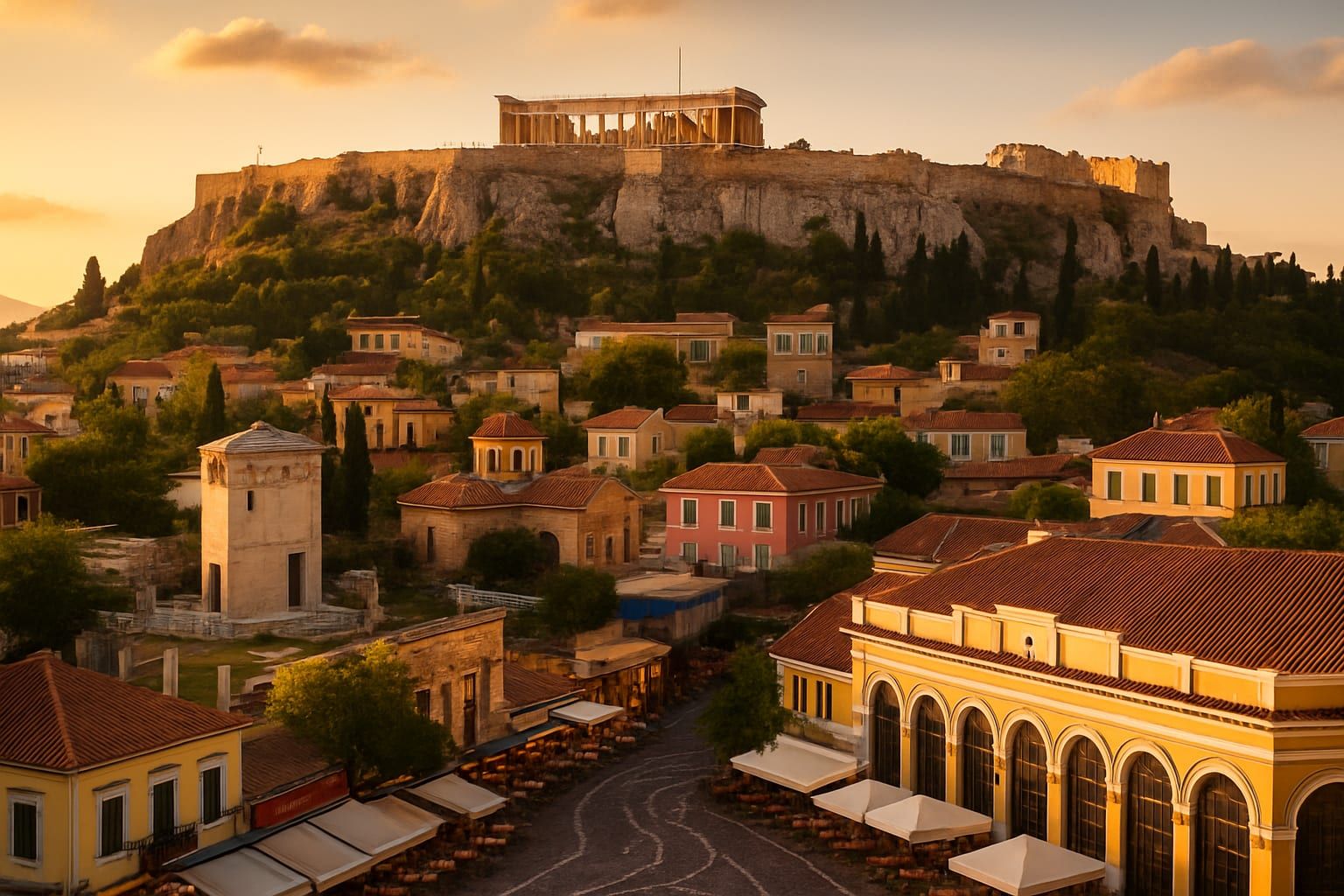
A practical, flavorful guide to eating in Athens: from ancient ingredients and bustling markets to souvlaki stands, rooftop dinners by the Acropolis and modern Greek cuisine.
Athens Food Guide: Ancient Flavors, Modern Twists
Athens is a city where layers of history meet everyday life — and nowhere is that more deliciously obvious than on your plate. From humble street-food souvlaki to inventive tasting menus in Michelin-starred kitchens, Athens’ food scene celebrates ingredients that have fed Greeks for millennia while embracing bold modern interpretations.
This guide covers what to eat, where to find it, how to navigate markets and tavernas, and smart local tips so you can eat like an Athenian — or better.
Why Athens is a food city worth savoring
- Ancient staples still matter: olive oil, legumes, barley, honey, wild greens (horta) and seafood have formed the Greek diet since antiquity.
- A thriving street-food culture makes great food accessible — think quick, perfectly executed bites rather than full formal meals.
- Contemporary chefs rework traditional recipes and ancient ingredients (like bitter greens, pulses and fermented must) into cutting-edge tasting menus.
- Markets, bakeries and neighborhood tavernas are where locals eat; following them avoids tourist traps.
Start with the essentials: dishes to order
Classic plates
- Souvlaki / Gyro: The emblematic Greek fast food — grilled meat on pita with tomato, onion and tzatziki. Perfect for a quick, satisfying meal.
- Moussaka & Pastitsio: Baked comfort dishes layered with eggplant or pasta and béchamel — hearty, homey, and often reimagined by modern chefs.
- Kleftiko: Slow-baked lamb, traditionally cooked in a sealed pot until falling-apart tender.
- Fasolada: A bean soup called the national dish — simple, warming and flavorful.
Meze and small plates
Meze culture is about sharing and sampling.
- Tzatziki, melitzanosalata (smoky eggplant dip), taramasalata (fish roe dip) and dolmades (stuffed vine leaves) are great to order as starters.
- Grilled octopus, calamari, and small fish are common seaside meze.
Street-food essentials and sweets
- Koulouri: A sesame-crusted bread ring sold at street carts for a quick breakfast.
- Bougatsa: A flaky pastry filled with custard, cheese, or minced meat — excellent with morning coffee.
- Loukoumades: Honey-soaked doughnuts, often with cinnamon and nuts.
Coffee & after-dinner
- Greek coffee (ellinikós): Thick, strong and served with grounds in the cup — sip slowly.
- Frappe: The iconic chilled instant-coffee drink, perfect for warm afternoons.
- Ouzo and tsipouro: Anise-flavored and grape-based spirits respectively — commonly enjoyed with seafood or meze.
- Local wines: Try Assyrtiko (Crisp white, often from Santorini), Agiorgitiko and Xinomavro reds.
Where to eat: neighborhoods and markets
Varvakios Central Market (Athens Central Market)
This is Athens’ beating culinary heart. Early morning is best — butchers, fishmongers and stalls selling dried herbs, olives, spices and olives are lively throughout the day. Buy olive oil, honey, herbs, or just watch the bustle and grab a quick snack.
Local insight: Talk to vendors — many will offer tastes of cheeses, olives or homemade preserves. Market mornings are also when neighborhood tavernas source their freshest ingredients.
Plaka & Monastiraki
Close to the Acropolis and full of tourist-focused restaurants, but with good finds if you look a few streets away from the main tourist corridors. Seek small family-run tavernas for authentic meze and grilled plates.
Tip: Avoid the restaurants with laminated menus in multiple languages perched directly under the Acropolis — prices and authenticity often don’t match.
Psyrri and Gazi
Psyrri is a nightlife and food hub with casual tavernas, meze bars and creative small-plates spots. Gazi has a more modern, cosmopolitan feel with edgy restaurants and cocktail bars.
Koukaki & Makrygianni
Close to the Acropolis but with a local feel — many cozy eateries, bakeries and great rooftop restaurants offering sunset views of the Parthenon.
Glyfada & the Athens Riviera
For seafood lovers, coastal suburbs and marinas serve fresh fish and meze by the water. Expect relaxed seaside dining and excellent grilled fish.
Modern Greek: where tradition meets innovation
Athens’ haute and modern dining scene is ambitious. Young chefs are digging into Greece’s culinary past — ancient grains (barley, emmer), legumes, wild herbs and fermentation techniques — and presenting them through contemporary tasting menus.
Notable trends:
- Revisiting ancient recipes: Dishes inspired by Hippocratic-era or Byzantine ingredients, but plated with modern techniques.
- Foraging and hyper-local sourcing: Urban foragers and chefs use wild greens, capers, and herbs from nearby islands and mountains.
- Creative mezze and shared plates: Traditional flavors remixed with international influences.
Dining tip: If you want a splurge evening, reserve ahead for tasting menus — many award-winning restaurants are small and book out quickly.
A sample day of eating in Athens
- Morning: Koulouri on the go, then a Greek coffee at a sidewalk café.
- Late morning: Explore Varvakios Market; sample olives, cheese and honey.
- Lunch: Souvlaki or a seafood taverna in Psyrri or Monastiraki.
- Afternoon: Kayak through the neighborhoods with a sweet stop for bougatsa and iced frappe.
- Sunset: Rooftop aperitif with views of the Acropolis.
- Dinner: Meze-style dinner or a modern tasting menu in Koukaki or Gazi.
- Late night: A digestif (ouzo or tsipouro) at a bar.
Practical tips & local etiquette
- Opening hours: Many bakeries open early; lunch typically 1–3pm, dinner from 8pm onward. Some tavernas close mid-afternoon.
- Reservations: Book for popular restaurants and rooftop spots, especially in high season.
- Cash vs card: Cards are widely accepted, but small tavernas, kiosks and market stalls may prefer cash. Carry some euros for small purchases.
- Tipping: Not obligatory but appreciated. 5–10% is common in restaurants; round up or leave small change for cafés and taxis.
- Language: English is widely understood in hospitality; learn a few phrases — “Kalimera” (good morning), “Kali orexi” (enjoy your meal) goes a long way.
- Portion style: Meze and sharing plates are common; order a few dishes for the table.
- Tourist traps: Menus with photos and aggressive touts usually mean overpriced, average food. Walk a block away to find better, more authentic options.
- Dietary needs: Vegetarians and vegans will find many meze options (legumes, vegetable pies, horta). Ask about butter in pastries if dairy-free. Cross-contamination can occur in busy kitchens.
What to buy and bring home
- Extra-virgin olive oil: Greece produces excellent oils; buy from a reputable shop or market stall.
- Honey: Thyme and pine honey are local favorites.
- Dried herbs: Oregano, thyme, and mountain tea (sideritis).
- Cheeses: Feta in vacuum-sealed packs travels well; graviera is another great choice.
- Sweets: Baklava, pasteli (sesame-honey bars), and packaged loukoumades from specialty shops.
Packing tip: For liquids like olive oil, use protective wrapping and check customs regulations for your destination.
Budgeting: what to expect to pay (approx.)
- Street food (souvlaki, koulouri): €2–6
- Casual taverna lunch/dinner per person: €10–20
- Mid-range restaurant per person: €20–40 (with wine)
- Fine dining tasting menu: €60–150+ per person
Prices rise near major tourist sites and on rooftops with Acropolis views.
Food tours and cooking classes
Joining a food tour or cooking class is an efficient way to learn about ingredients, market culture and cooking techniques. Many tours combine market visits with tastings in neighborhood tavernas. A cooking class focused on meze, pies (spanakopita, tiropita) or sweets (baklava) is a fun hands-on souvenir.
How Athens compares: a European culinary crossroads
Athens’ food scene balances Mediterranean simplicity with Balkan, Anatolian and Middle Eastern influences — a convergence similar to other vibrant European food cities. If you enjoy the market energy of cities covered in guides like the Barcelona Food Guide or the seafood and wine focus of the Porto Food Guide, you’ll appreciate Athens’ mix of ancient staples and modern creativity. For fans of classic European comfort food reinterpretations, the approach in Athens has parallels with Rome’s reverence for simple ingredients and technique — see inspirations in the Rome Food Guide.
Safety & final local insights
- Food safety: Athens is safe for food tourists; stick to busy stalls and tavernas with high turnover for the freshest food.
- Drinking water: Tap water in Athens is generally safe to drink; bottled water is widely available if you prefer it.
- Be adventurous: Ask servers what is in season and what the house specialties are. Greeks pride themselves on regional specialties — try dishes made with island ingredients even in the city.
- Say yes to hospitality: If invited for a small plate or a drink, accept — waiting staff and shop owners often show genuine pride in sharing tastes.
Final bite: savor both past and present
Athens feeds you ancient stories and new ideas in the same sitting. Whether you’re grabbing a street-side souvlaki at midnight, sipping coffee at a sunlit table, or booking a chef’s tasting menu that reinvents a Byzantine recipe, the city rewards curiosity and good taste. Come hungry, bring cash for a market find, and leave room for loukoumades.
Kali orexi — enjoy your meal!
Related
Keep Exploring

Wine Tasting in Bordeaux: Complete Guide
Everything you need to plan the perfect Bordeaux wine-tasting experience: regions, top châteaux, how to taste, booking tips, transport, seasonality and local insights.

Cooking Classes in Italy: Florence, Rome & Beyond
Learn to make pasta, pizza, gelato and regional classics with hands-on classes in Florence, Rome and beyond — market tours, agriturismo experiences and practical tips.
Best Gelato in Italy: City-by-City Guide
A tasty city-by-city guide to Italy’s best gelato: top shops, regional flavors, how to pick an artisan gelateria, and local tips to make every scoop memorable.